Sanofi, Translational Sciences Unit, Sanofi, 13 quai Jules Guesdes, 94400 Vitry-sur-Seine, France; Faculty of Biology, Medicine and Health, Manchester Academic Health Sciences Centre, The University of Manchester, Oxford Road, Manchester M13 9PT, UK.
Sanofi, Translational Sciences Unit, Avenue Pierre Brossolette, 91380 Chilly-Mazarin, France.
Stem Cell Reports. 2019 Aug 13;13(2):380-393. doi: 10.1016/j.stemcr.2019.07.004. Epub 2019 Aug 1.
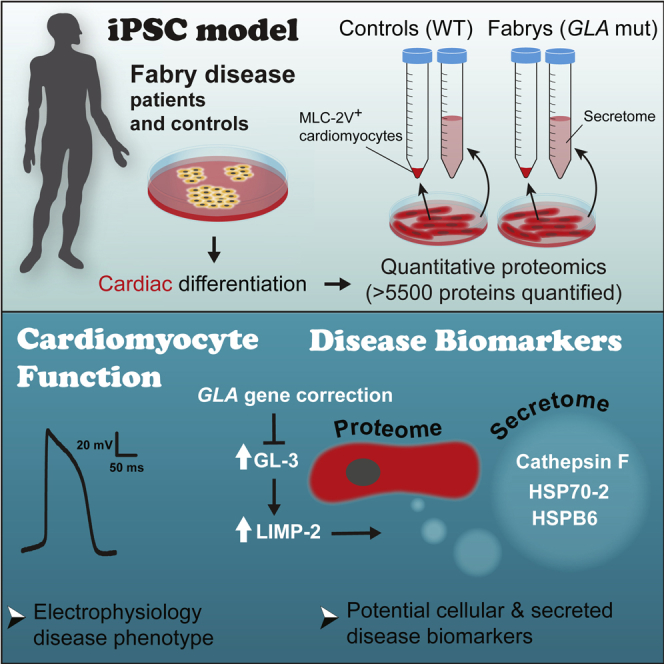
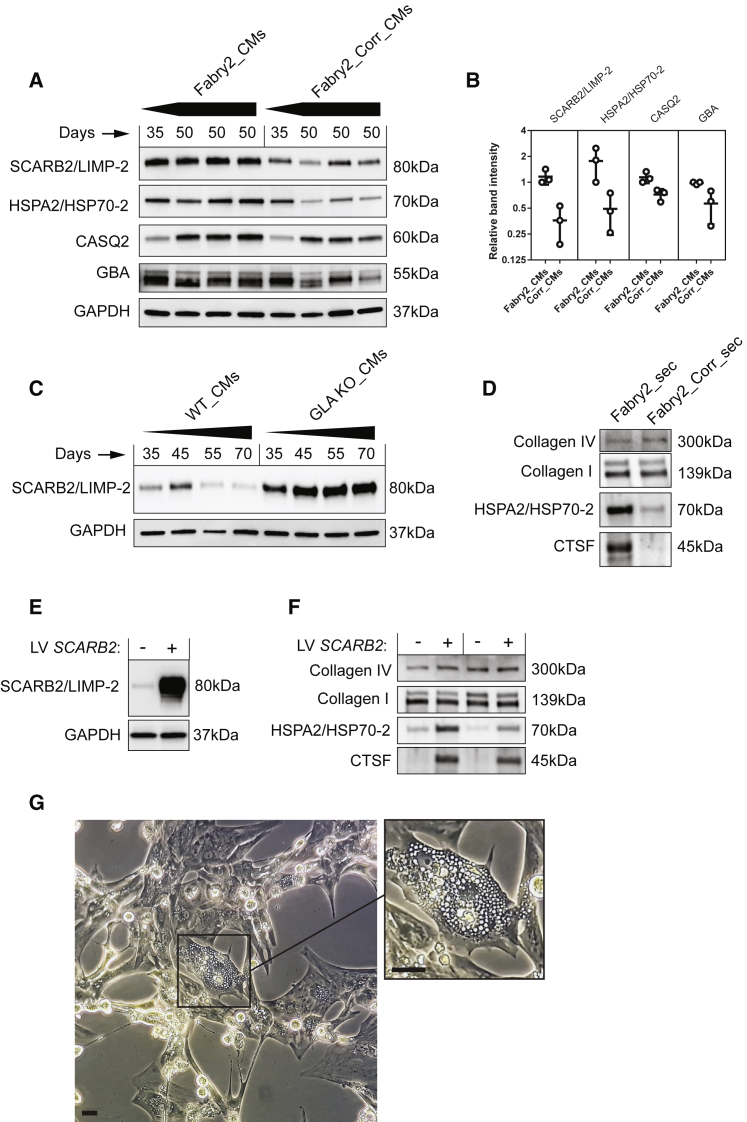
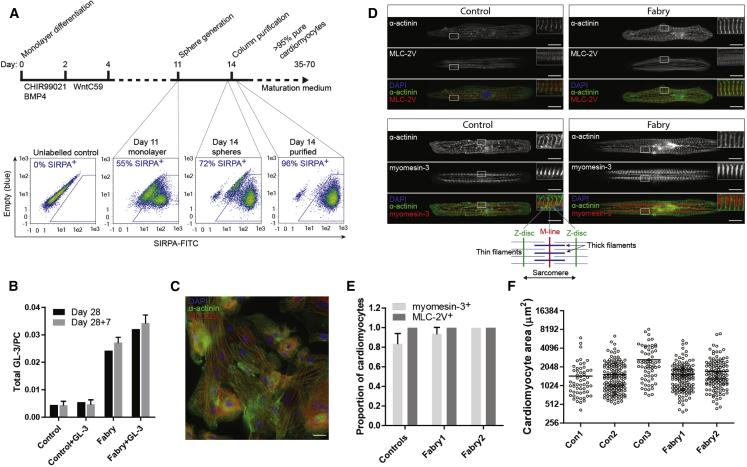
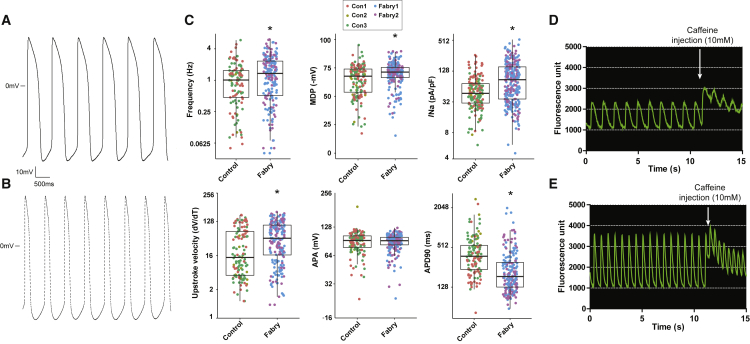
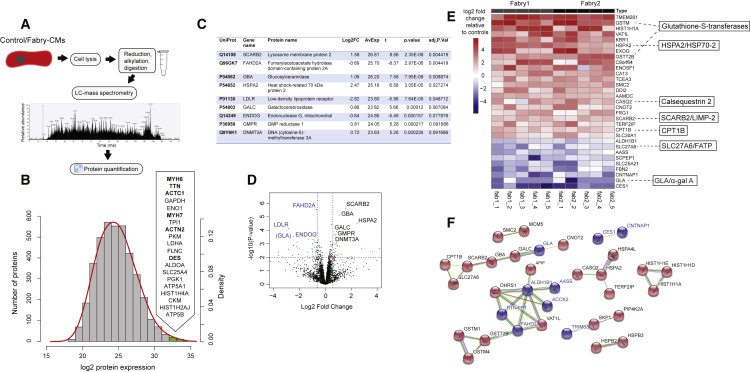
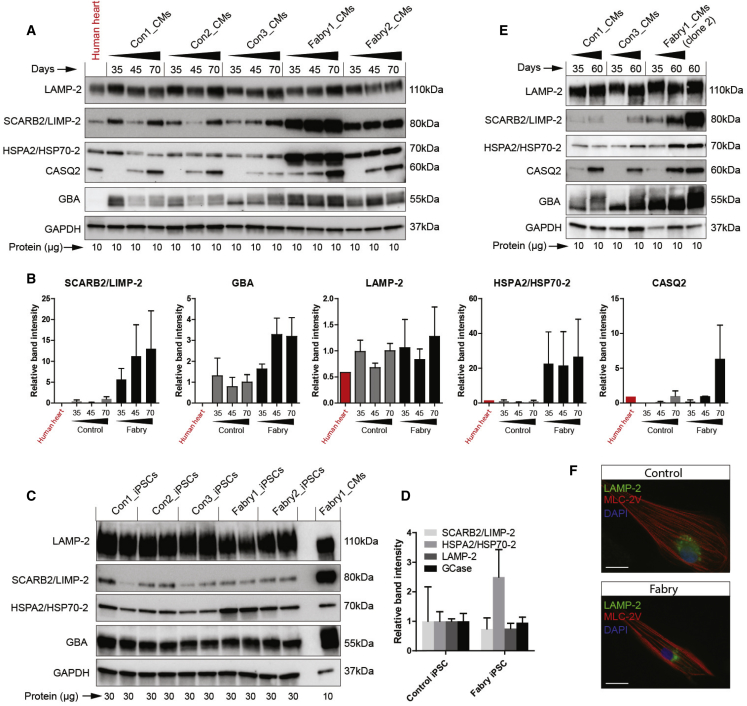
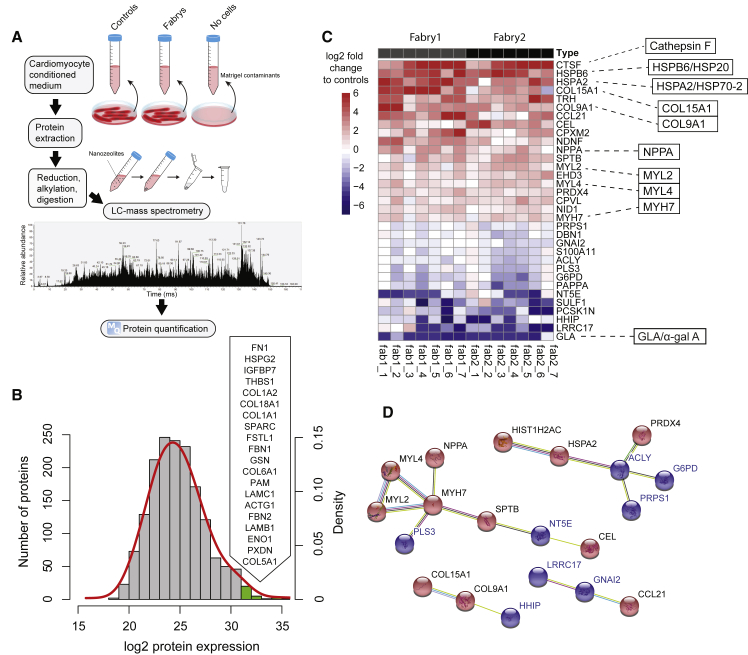
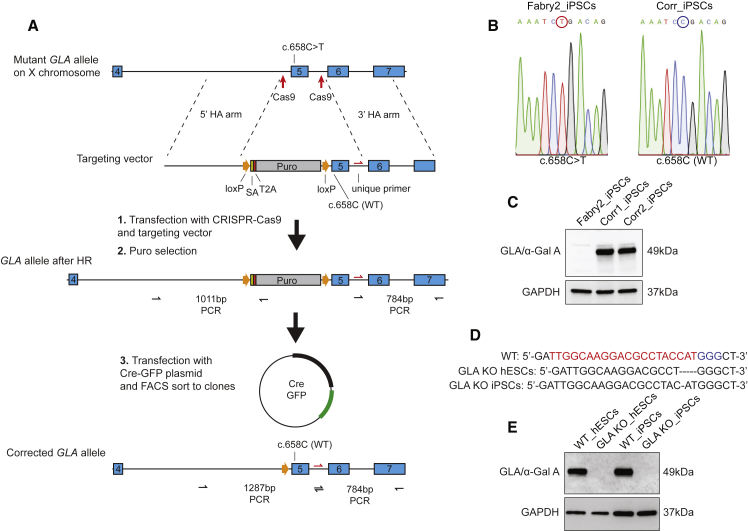
Here, we have used patient-derived induced pluripotent stem cell (iPSC) and gene-editing technology to study the cardiac-related molecular and functional consequences of mutations in GLA causing the lysosomal storage disorder Fabry disease (FD), for which heart dysfunction is a major cause of mortality. Our in vitro model recapitulated clinical data with FD cardiomyocytes accumulating GL-3 and displaying an increased excitability, with altered electrophysiology and calcium handling. Quantitative proteomics enabled the identification of >5,500 proteins in the cardiomyocyte proteome and secretome, and revealed accumulation of the lysosomal protein LIMP-2 and secretion of cathepsin F and HSPA2/HSP70-2 in FD. Genetic correction reversed these changes. Overexpression of LIMP-2 directly induced the secretion of cathepsin F and HSPA2/HSP70-2, implying causative relationship, and led to massive vacuole accumulation. In summary, our study has revealed potential new cardiac biomarkers for FD, and provides valuable mechanistic insight into the earliest pathological events in FD cardiomyocytes.
在这里,我们使用患者来源的诱导多能干细胞(iPSC)和基因编辑技术来研究导致溶酶体贮积病法布里病(FD)的 GLA 突变的心脏相关分子和功能后果,心脏功能障碍是 FD 患者死亡的主要原因。我们的体外模型重现了 FD 心肌细胞积累 GL-3 并显示兴奋性增加的临床数据,表现出改变的电生理学和钙处理。定量蛋白质组学能够鉴定心肌细胞蛋白质组和分泌组中的 >5500 种蛋白质,并揭示 FD 中溶酶体蛋白 LIMP-2 的积累和组织蛋白酶 F 和 HSPA2/HSP70-2 的分泌。基因纠正逆转了这些变化。LIMP-2 的过表达直接诱导组织蛋白酶 F 和 HSPA2/HSP70-2 的分泌,暗示存在因果关系,并导致大量空泡积累。总之,我们的研究揭示了 FD 的潜在新的心脏生物标志物,并为 FD 心肌细胞中最早的病理事件提供了有价值的机制见解。