Thomsen Mette Due Theilade
PIP Adviser, Lyngby, Denmark.
Curr Ther Res Clin Exp. 2019 Feb 13;90:135-142. doi: 10.1016/j.curtheres.2019.02.001. eCollection 2019.
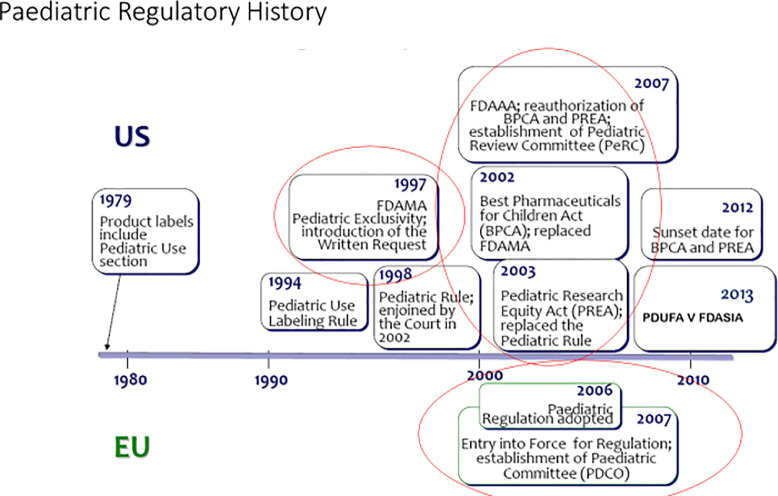
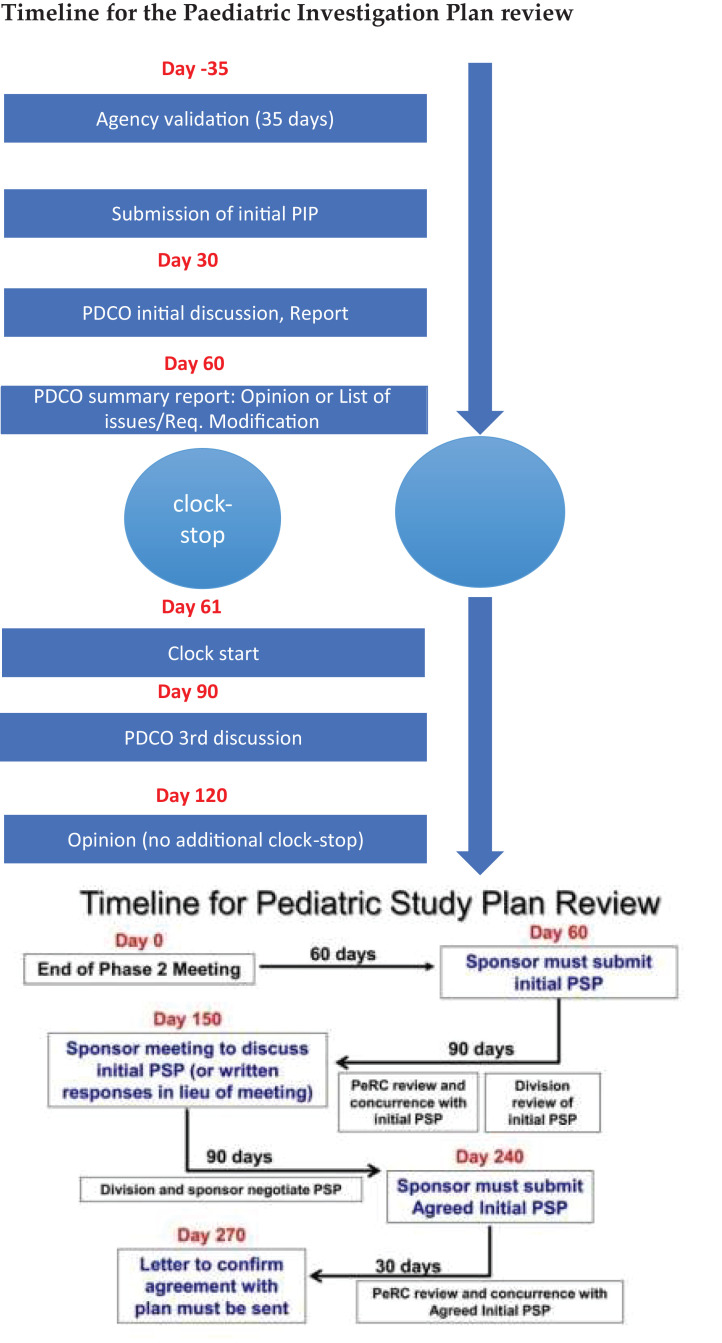
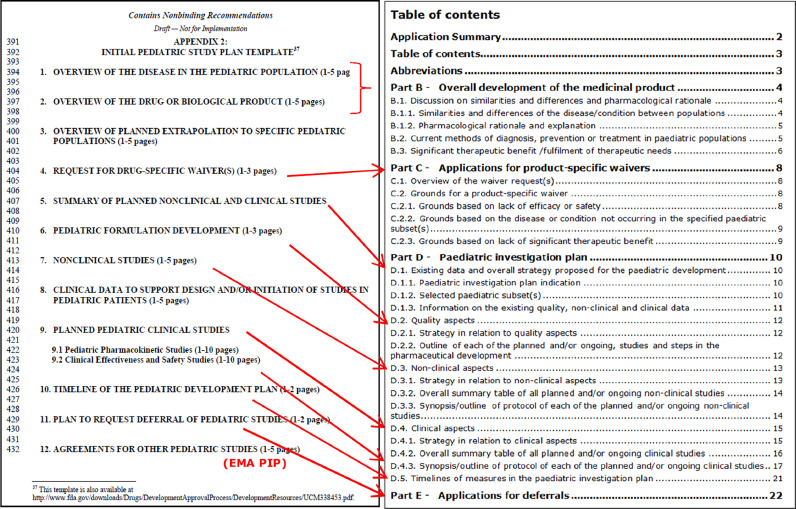
The EU Paediatric Regulation was introduced in 2007. In the United States, specific paediatric legislation has existed for even longer. This overview describes the similarities and differences in the legislation and provides input on how to achieve a global, harmonized pediatric development plan.
The overview aims to investigate, through discussions and case examples, how to achieve pediatric medicines development fulfilling the expectations of the authorities as well as sponsors.
The pediatric legislation used in the European Union and United States are compared, and case studies for pediatric development plans where a global harmonized plan was eventually achieved are discussed
The case studies demonstrate some difficulties in getting to the goal of globally aligned pediatric plan development; however, recent initiatives from EMA and FDA are to a large degree addressing such challenges.
Global pediatric drug development is a evolving field, and with recent initiatives from the European Medicines Agency and US Food and Drug Administration, this goal is definitively attainable. ( 2019; 80:XXX-XXX).
欧盟儿科法规于2007年出台。在美国,特定的儿科立法存在的时间甚至更长。本综述描述了立法中的异同,并就如何制定全球统一的儿科研发计划提供了意见。
本综述旨在通过讨论和案例研究,探讨如何实现符合监管机构和申办方期望的儿科药物研发。
比较欧盟和美国使用的儿科立法,并讨论最终实现全球统一计划的儿科研发计划案例研究。
案例研究表明,要实现全球统一的儿科计划研发目标存在一些困难;然而,欧洲药品管理局(EMA)和美国食品药品监督管理局(FDA)最近的举措在很大程度上应对了此类挑战。
全球儿科药物研发是一个不断发展的领域,随着欧洲药品管理局和美国食品药品监督管理局最近的举措,这一目标肯定可以实现。(2019;80:XXX - XXX)