Division of Rheumatology, Department of Medicine, Washington University School of Medicine, St. Louis, United States.
Department of Molecular Microbiology, Washington University School of Medicine, St. Louis, United States.
Elife. 2019 Aug 8;8:e47605. doi: 10.7554/eLife.47605.
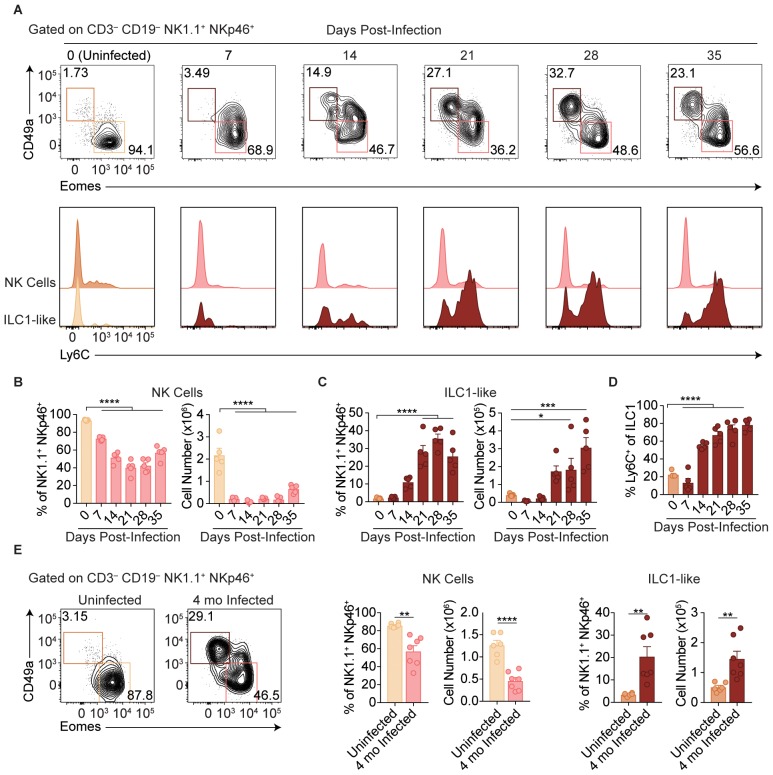
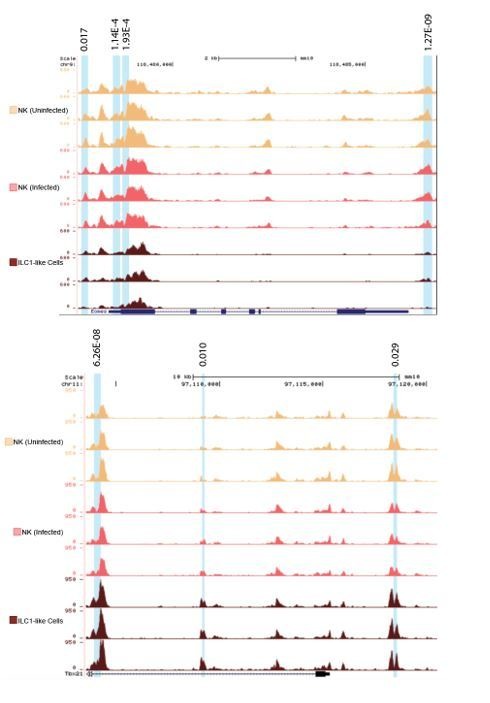
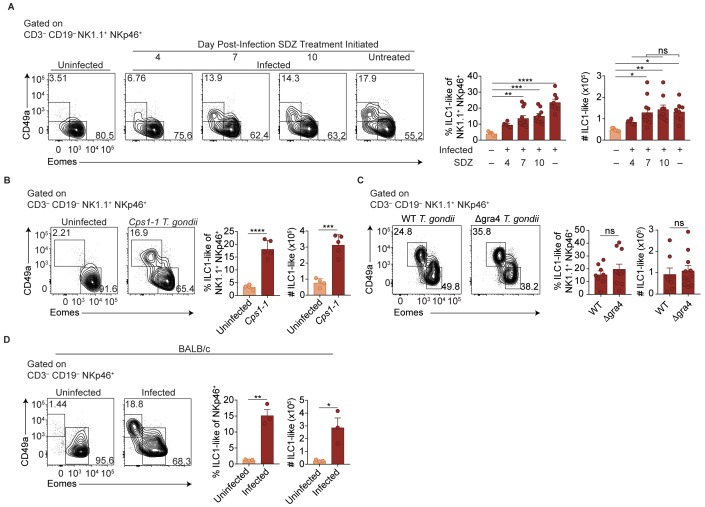
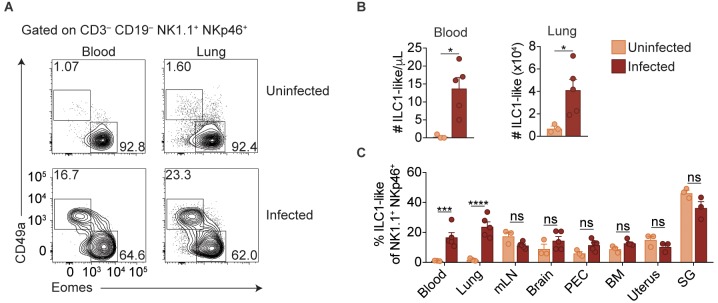
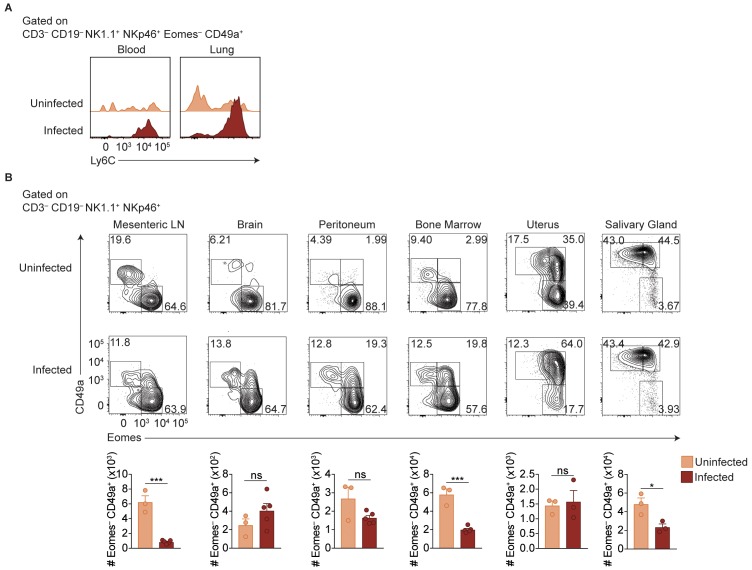
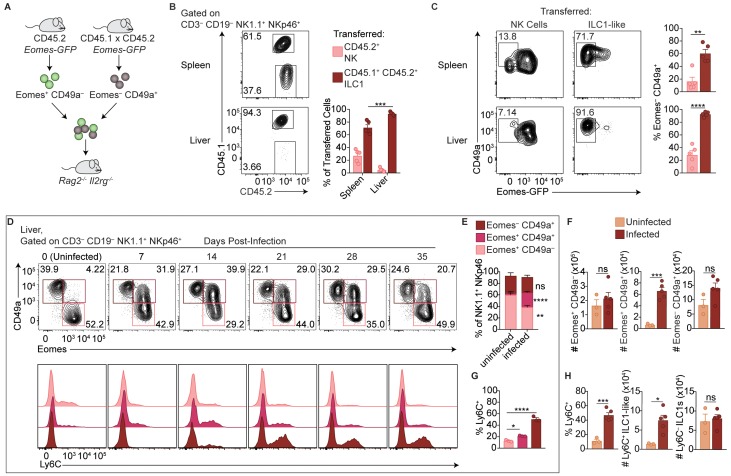
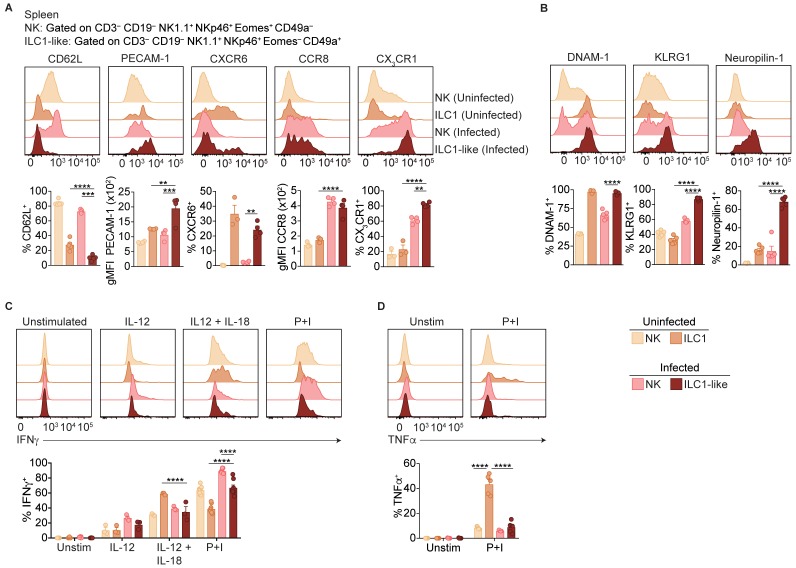
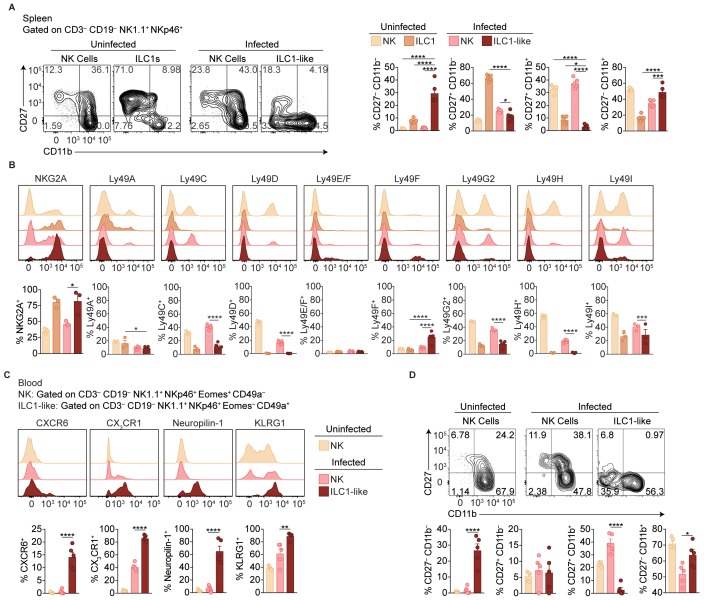
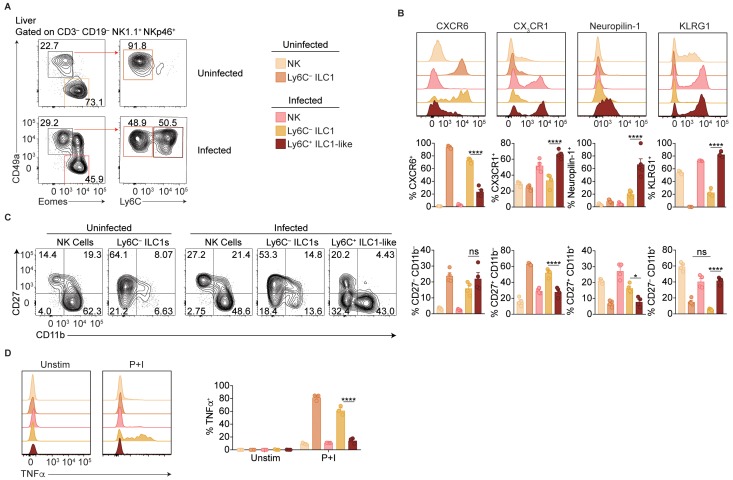
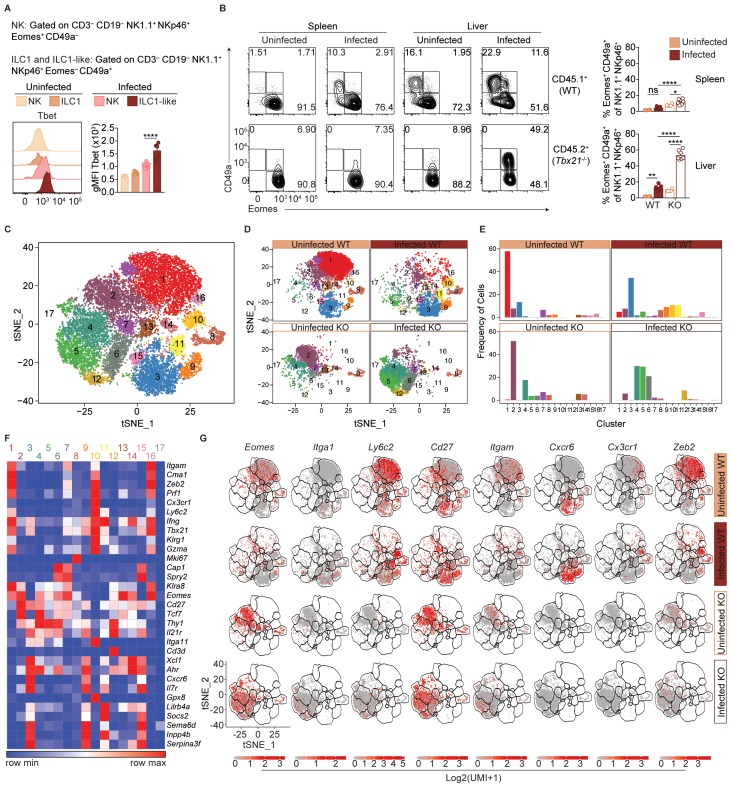
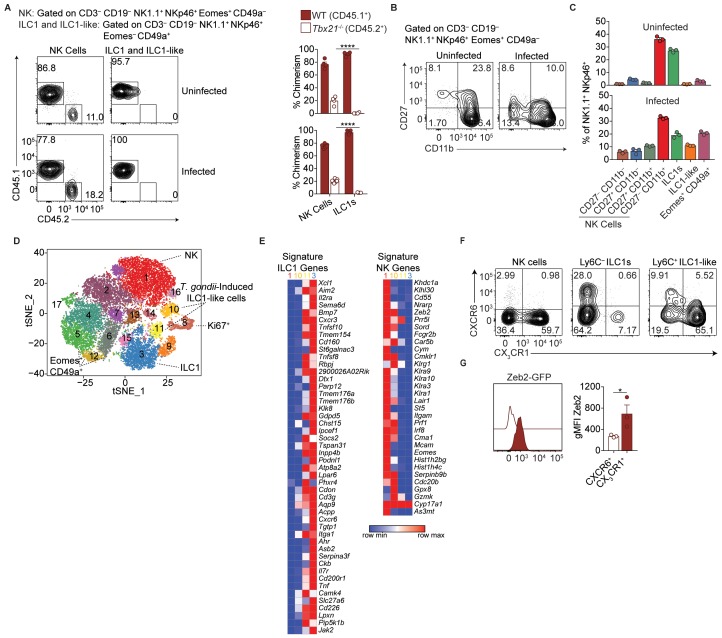
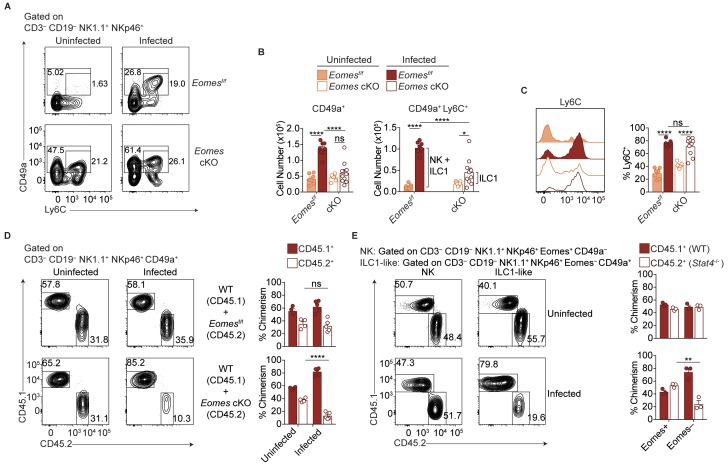
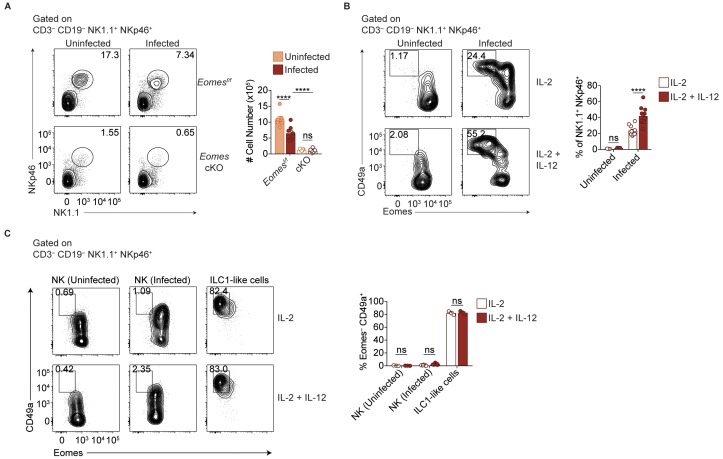
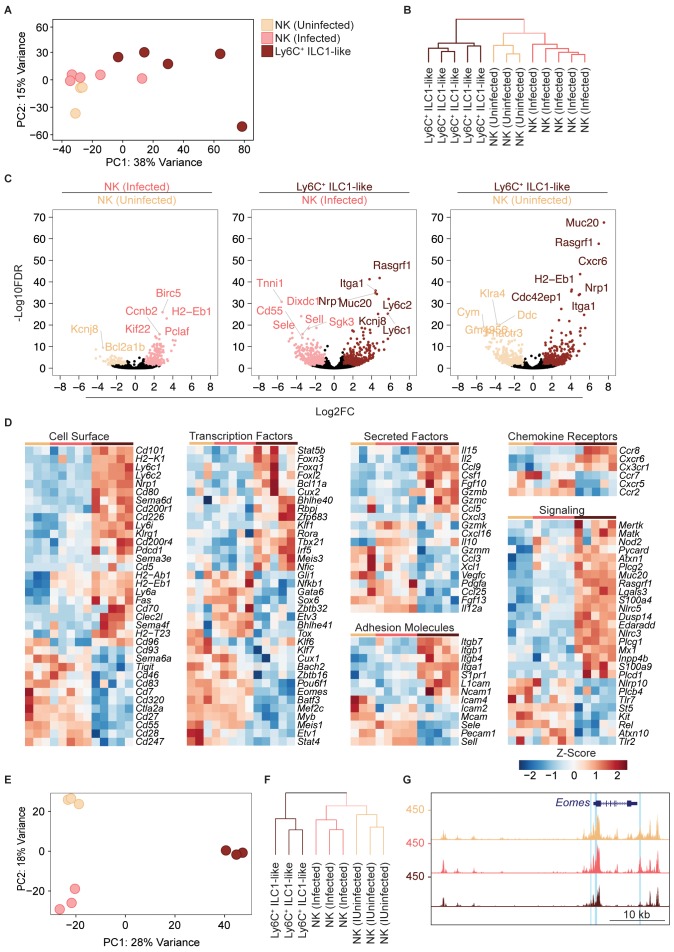
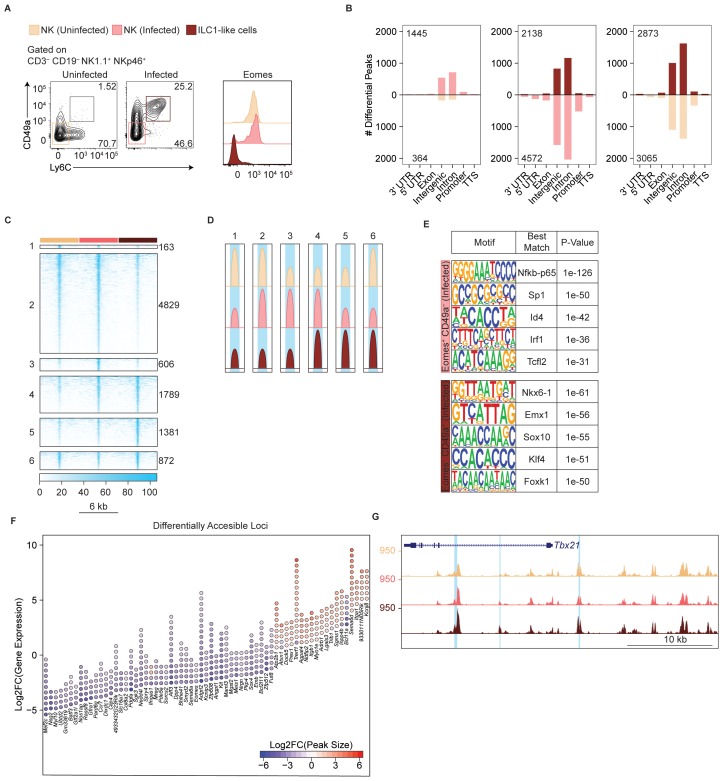
Innate lymphoid cells (ILCs) were originally classified based on their cytokine profiles, placing natural killer (NK) cells and ILC1s together, but recent studies support their separation into different lineages at steady-state. However, tumors may induce NK cell conversion into ILC1-like cells that are limited to the tumor microenvironment and whether this conversion occurs beyond this environment remains unknown. Here, we describe infection converts NK cells into ILC1-like cells that are distinct from both steady-state NK cells and ILC1s in uninfected mice. These cells were Eomes-dependent, indicating that NK cells can give rise to Eomes Tbet-dependent ILC1-like cells that circulate widely and persist independent of ongoing infection. Moreover, these changes appear permanent, as supported by epigenetic analyses. Thus, these studies markedly expand current concepts of NK cells, ILCs, and their potential conversion.
先天淋巴细胞 (ILC) 最初是根据其细胞因子谱进行分类的,将自然杀伤 (NK) 细胞和 ILC1 归为一类,但最近的研究支持它们在稳态下分为不同的谱系。然而,肿瘤可能诱导 NK 细胞转化为局限于肿瘤微环境的 ILC1 样细胞,这种转化是否发生在肿瘤微环境之外尚不清楚。在这里,我们描述了 感染将 NK 细胞转化为 ILC1 样细胞,这些细胞与未感染小鼠中的稳态 NK 细胞和 ILC1 不同。这些细胞依赖于 Eomes,表明 NK 细胞可以产生广泛循环并独立于持续感染而持续存在的 Eomes Tbet 依赖性 ILC1 样细胞。此外,这些变化似乎是永久性的,这得到了表观遗传分析的支持。因此,这些研究显著扩展了 NK 细胞、ILC 及其潜在转化的现有概念。