Zhao Qun, Liu Yingxiang, Zhong Jing, Bi Yun, Liu Yongqiang, Ren Ziting, Li Xiang, Jia Junjun, Yu Mengting, Yu Xianjun
1Laboratory of Inflammation and Molecular Pharmacology, School of Basic Medical Sciences & Biomedical Research Institute, Hubei University of Medicine, Shiyan, 442000 China.
2First Clinical College, Hubei University of Medicine, Shiyan, 442000 China.
Cell Death Discov. 2019 Aug 5;5:125. doi: 10.1038/s41420-019-0208-0. eCollection 2019.
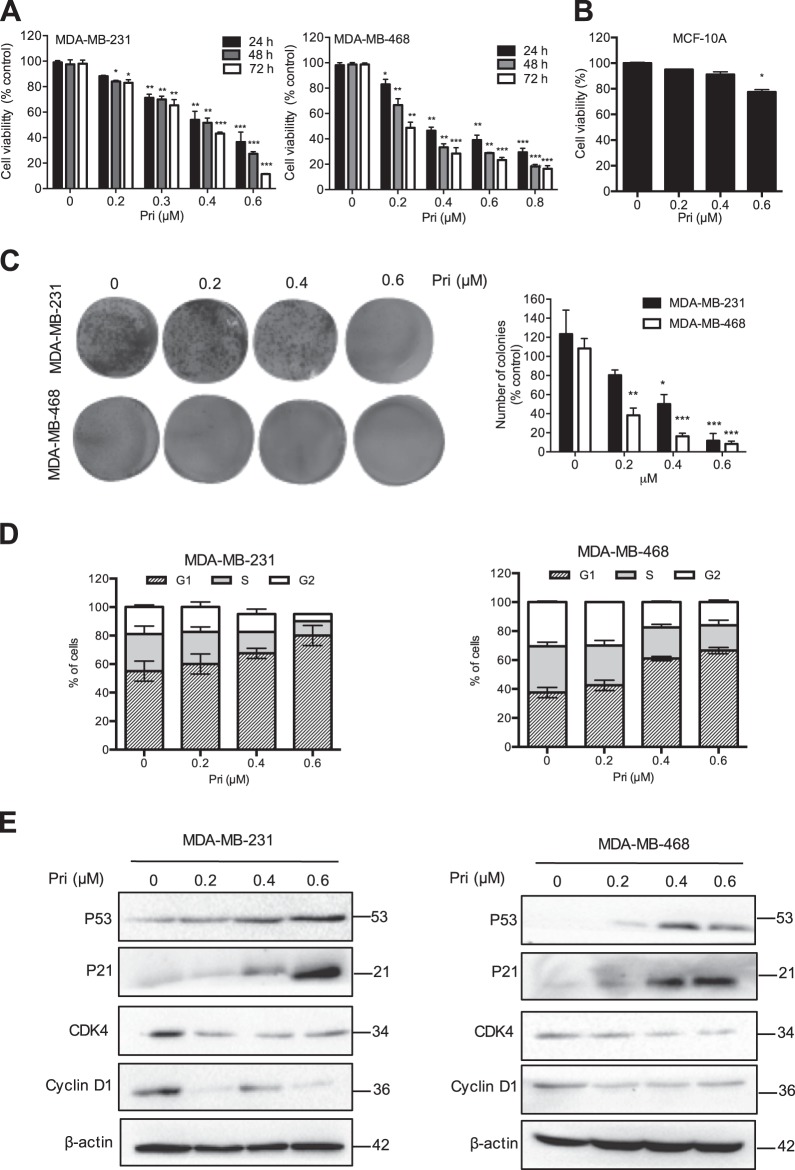
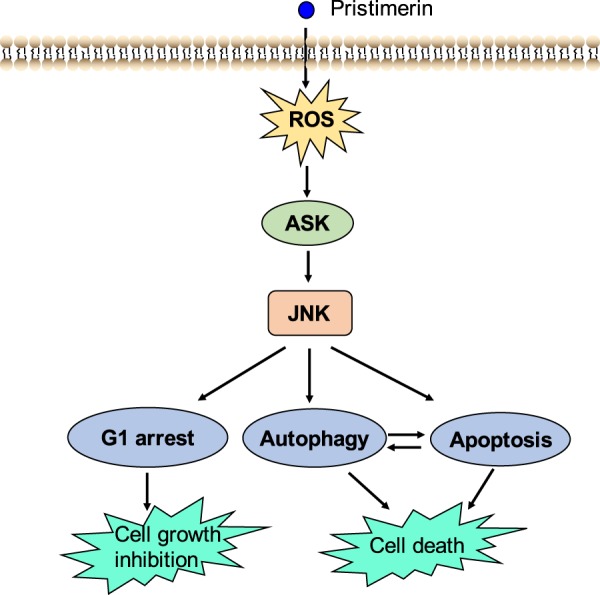
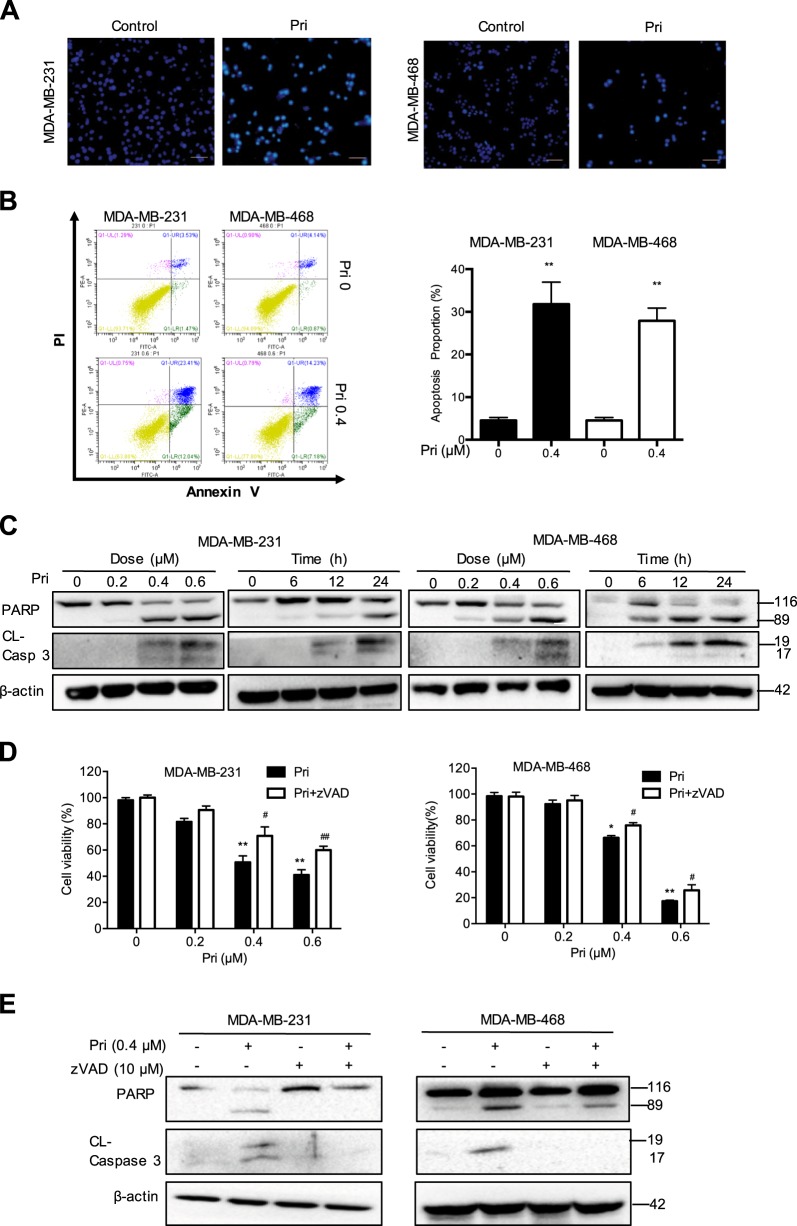
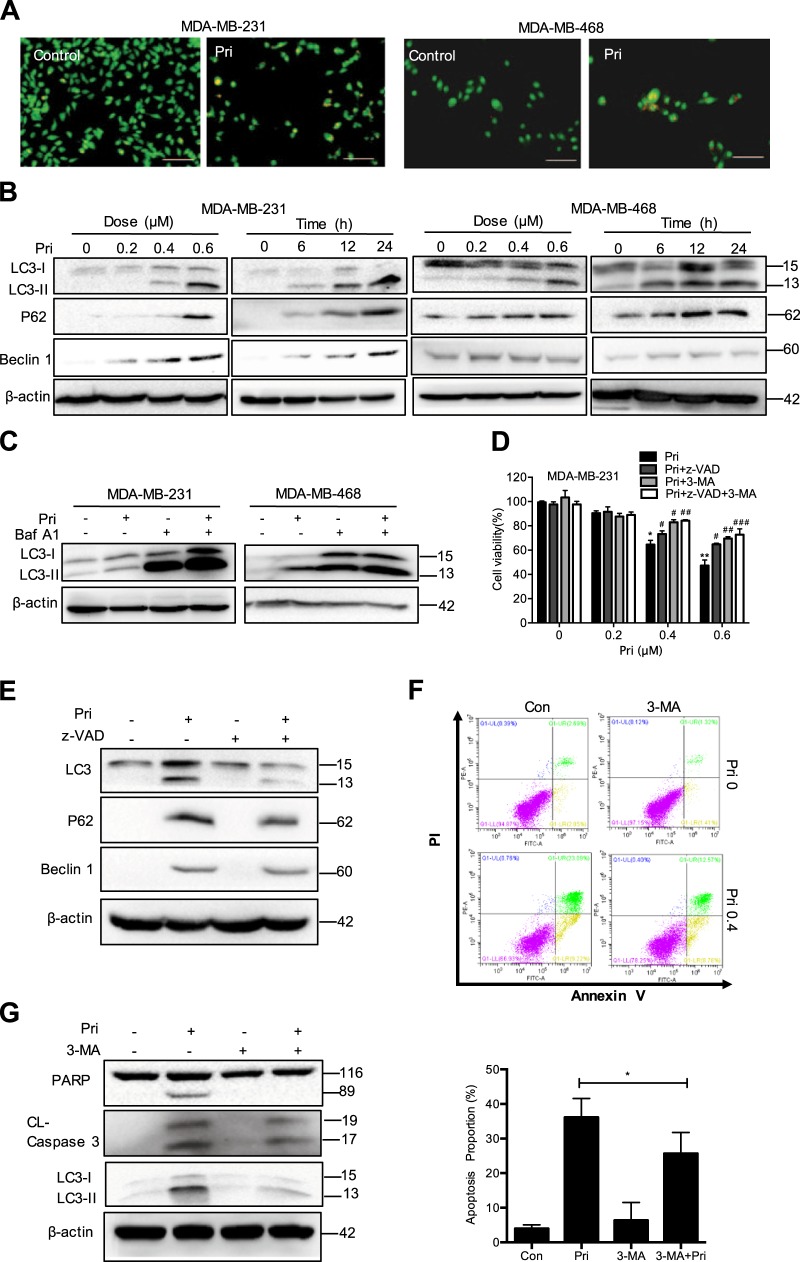
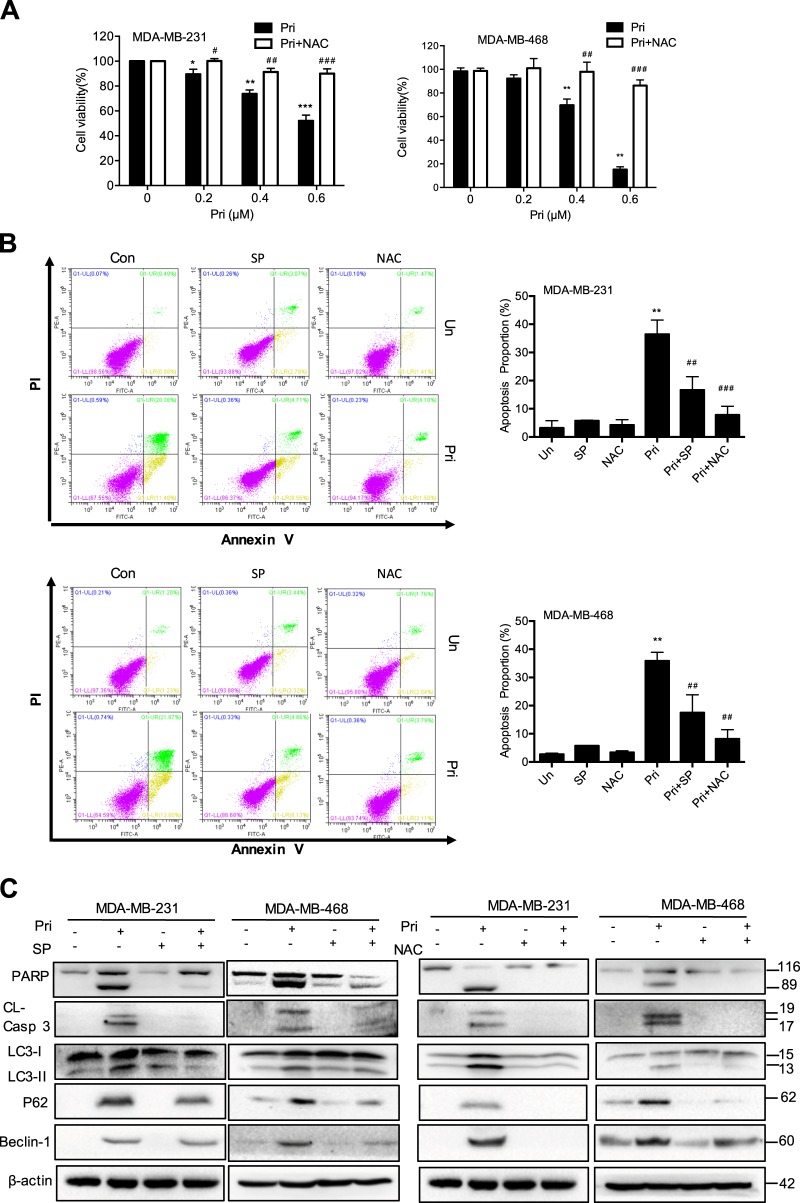
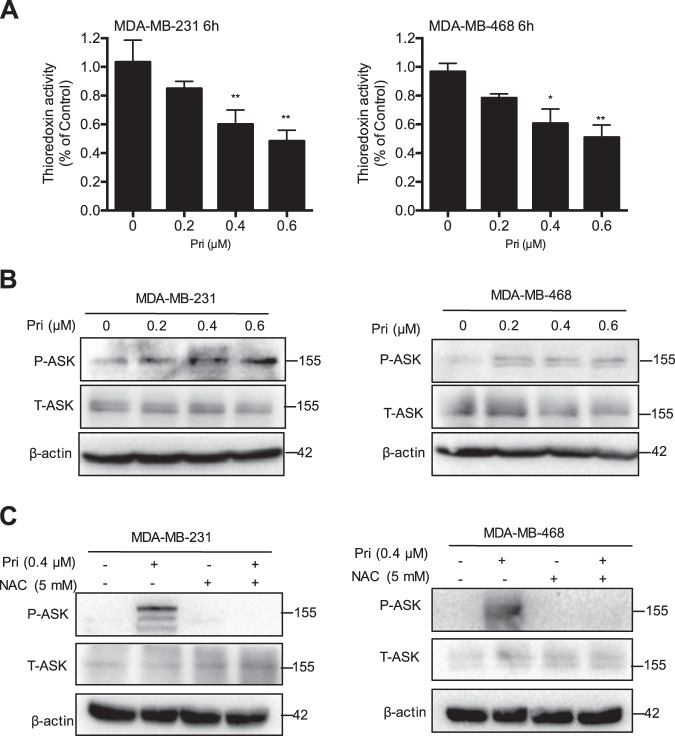
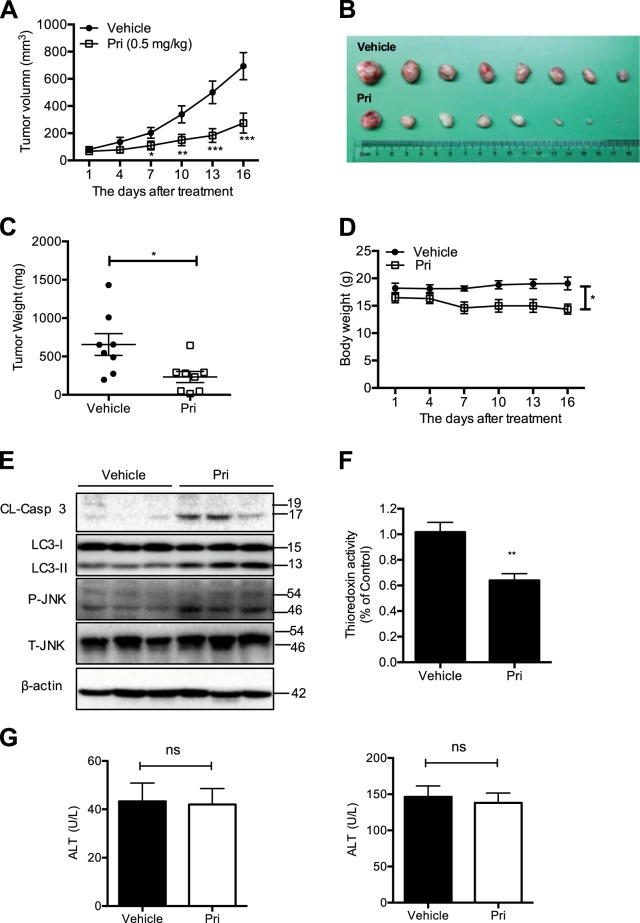
Breast cancer is the most common malignant tumor in women, and progress toward long-term survival has stagnated. Pristimerin, a natural quinonemethide triterpenoid, exhibits potential anti-tumor effects on various cancers. However, the underlying mechanism remains poorly understood. In this study, we found that pristimerin reduced the viability of breast cancer cells in vitro and the growth of xenografts in vivo, and these reductions were accompanied by thioredoxin-1 (Trx-1) inhibition and ASK1 and JNK activation. The results showed that pristimerin inhibited cell cycle progression and triggered cell apoptosis and autophagy. Furthermore, we found that the generation of reactive oxygen species (ROS) was a critical mediator in pristimerin-induced cell death. Enhanced ROS generation by pristimerin activated the ASK1/JNK signaling pathway. Inhibition of ROS with N-acetyl cysteine (NAC) significantly decreased pristimerin-induced cell death by inhibiting the phosphorylation of ASK1 and JNK. Taken together, these results suggest a critical role for the ROS/ASK1/JNK pathway in the anticancer activity of pristimerin.
乳腺癌是女性最常见的恶性肿瘤,其长期生存率的进展已陷入停滞。卫矛醇,一种天然的醌甲基三萜类化合物,对多种癌症具有潜在的抗肿瘤作用。然而,其潜在机制仍知之甚少。在本研究中,我们发现卫矛醇在体外降低了乳腺癌细胞的活力,并在体内抑制了异种移植瘤的生长,且这些降低伴随着硫氧还蛋白-1(Trx-1)的抑制以及ASK1和JNK的激活。结果表明,卫矛醇抑制细胞周期进程并引发细胞凋亡和自噬。此外,我们发现活性氧(ROS)的产生是卫矛醇诱导细胞死亡的关键介质。卫矛醇增强的ROS生成激活了ASK1/JNK信号通路。用N-乙酰半胱氨酸(NAC)抑制ROS可通过抑制ASK1和JNK的磷酸化显著降低卫矛醇诱导的细胞死亡。综上所述,这些结果表明ROS/ASK1/JNK通路在卫矛醇的抗癌活性中起关键作用。