Amsterdam UMC, University of Amsterdam, Department of (Neuro)Pathology, Amsterdam Neuroscience, Meibergdreef 9, Amsterdam, the Netherlands.
Amsterdam UMC, Vrije Universiteit Amsterdam, Department of Neurosurgery, Amsterdam Neuroscience, De Boelelaan 1117, Amsterdam, the Netherlands.
Glia. 2020 Jan;68(1):60-75. doi: 10.1002/glia.23700. Epub 2019 Aug 13.
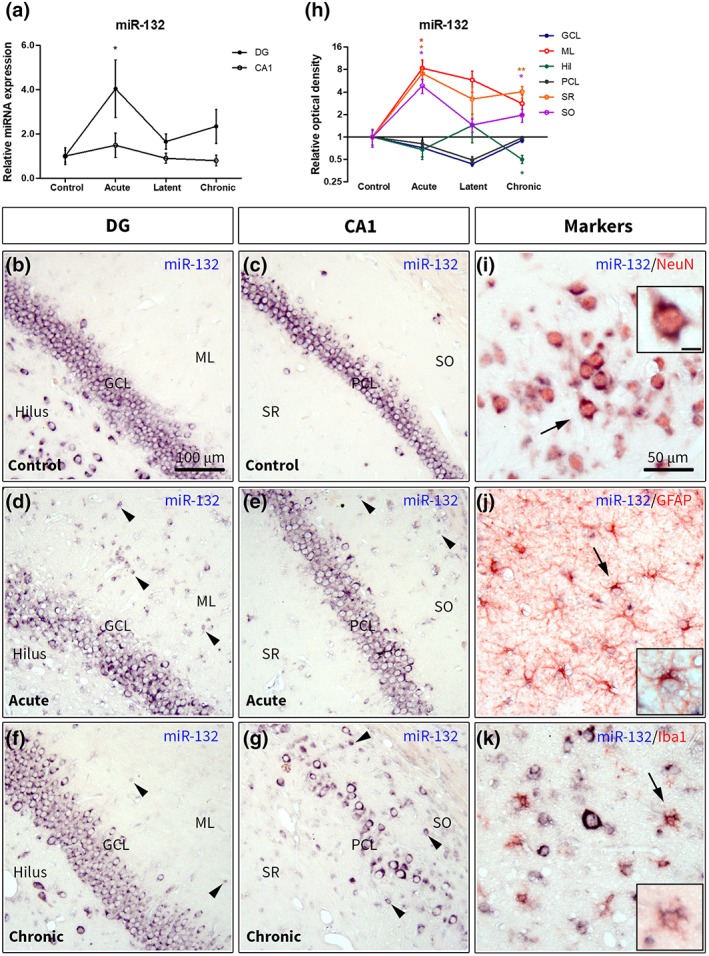
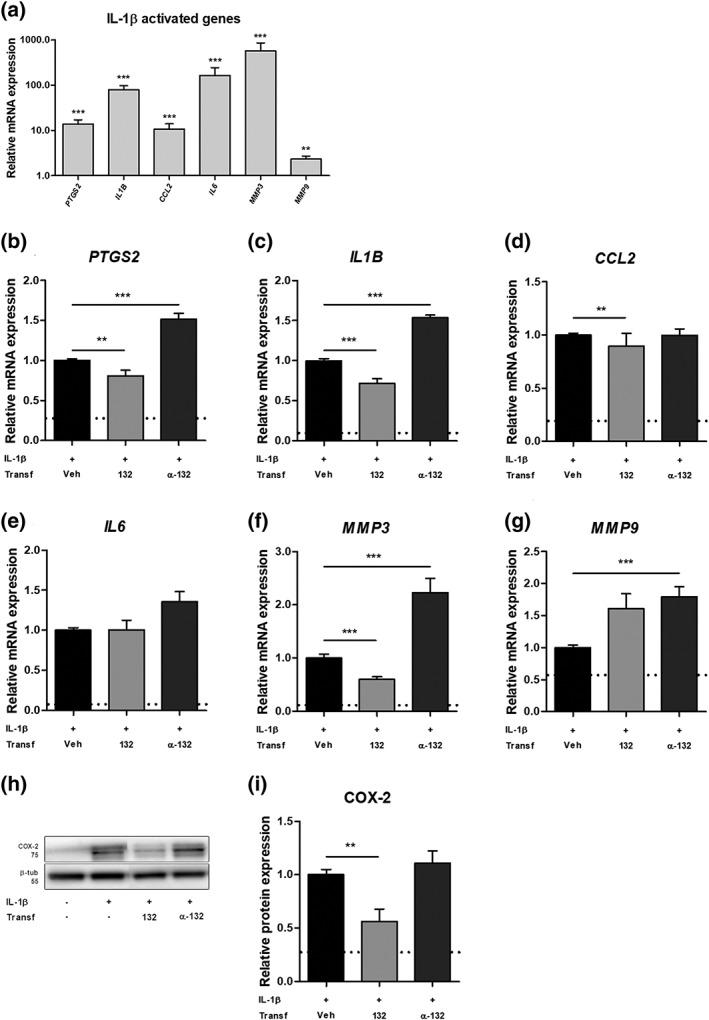
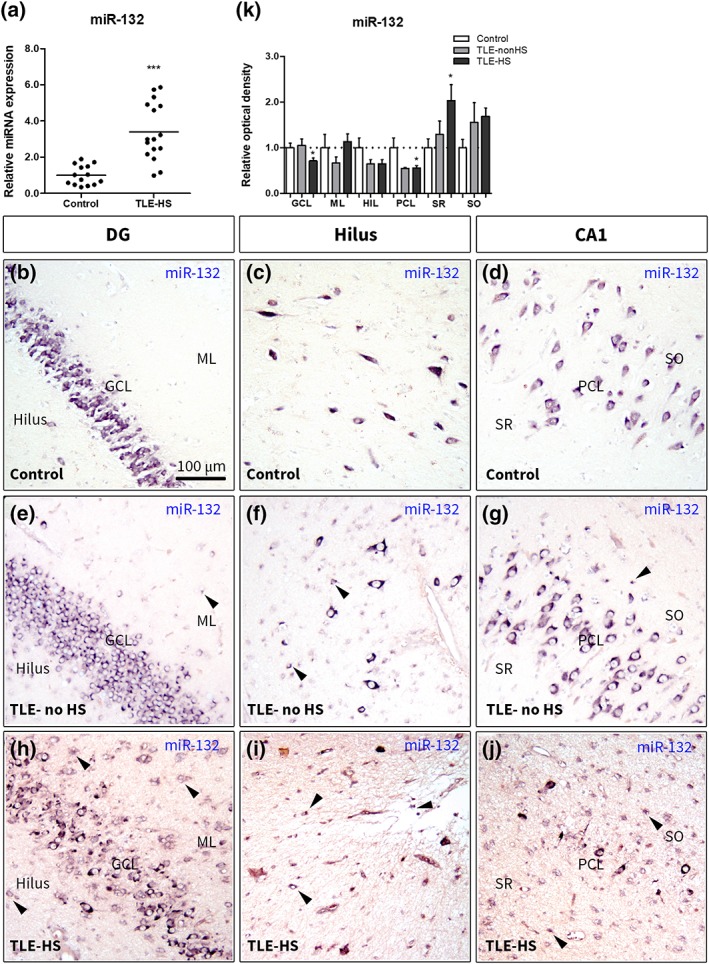
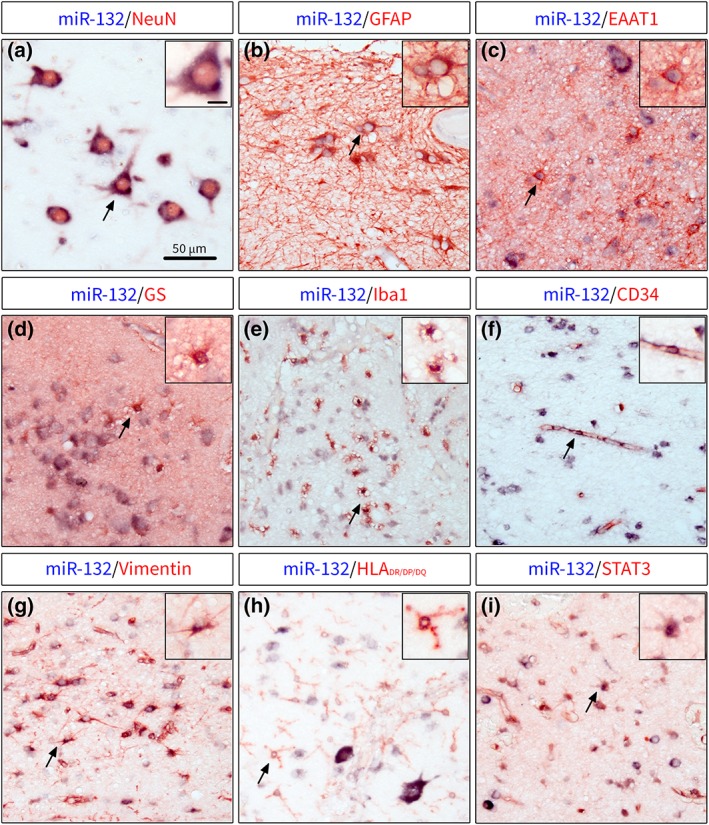
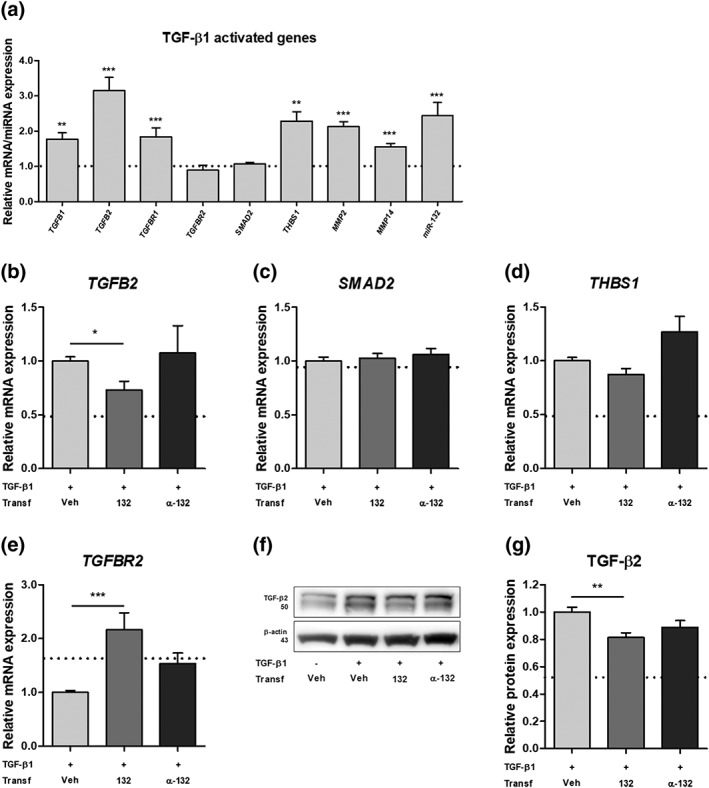
Temporal lobe epilepsy (TLE) is a chronic neurological disease in humans, which is refractory to pharmacological treatment in about 30% of the patients. Reactive glial cells are thought to play a major role during the development of epilepsy (epileptogenesis) via regulation of brain inflammation and remodeling of the extracellular matrix (ECM). These processes can be regulated by microRNAs (miRs), a class of small non-coding RNAs, which can control entire gene networks at a post-transcriptional level. The expression of miRs is known to change dynamically during epileptogenesis. miR-132 is one of the most commonly upregulated miRs in animal TLE models with important roles shown in neurons. However, the possible role of miR-132 in glia remains largely unknown. The aim of this study was to characterize the cell-type specific expression of miR-132 in the hippocampus of patients with TLE and during epileptogenesis in a rat TLE model. Furthermore, the potential role of miR-132 was investigated by transfection of human primary cultured astrocytes that were stimulated with the cytokines IL-1β or TGF-β1. We showed an increased expression of miR-132 in the human and rat epileptogenic hippocampus, particularly in glial cells. Transfection of miR-132 in human primary astrocytes reduced the expression of pro-epileptogenic COX-2, IL-1β, TGF-β2, CCL2, and MMP3. This suggests that miR-132, particularly in astrocytes, represents a potential therapeutic target that warrants further in vivo investigation.
颞叶癫痫(TLE)是一种人类慢性神经系统疾病,约 30%的患者对药物治疗有抗药性。活性神经胶质细胞被认为通过调节脑炎症和细胞外基质(ECM)重塑在癫痫发作(癫痫形成)的发展中起主要作用。这些过程可以通过 microRNAs(miRs)来调节,miRs 是一类小的非编码 RNA,可以在转录后水平控制整个基因网络。miRs 的表达在癫痫形成过程中被动态调控。miR-132 是动物 TLE 模型中最常上调的 miRs 之一,在神经元中显示出重要作用。然而,miR-132 在神经胶质细胞中的可能作用在很大程度上仍然未知。本研究的目的是描述 miR-132 在 TLE 患者海马体中的细胞类型特异性表达,以及在大鼠 TLE 模型中癫痫形成过程中的表达情况。此外,通过转染人原代培养的星形胶质细胞,并刺激其产生细胞因子 IL-1β 或 TGF-β1,研究了 miR-132 的潜在作用。我们发现 miR-132 在人类和大鼠致痫海马体中的表达增加,特别是在神经胶质细胞中。在人原代星形胶质细胞中转染 miR-132 可降低促癫痫形成的 COX-2、IL-1β、TGF-β2、CCL2 和 MMP3 的表达。这表明 miR-132,特别是在星形胶质细胞中,可能是一个有治疗潜力的靶点,值得进一步的体内研究。