Meron Dalit, Maor-Landaw Keren, Weizman Eviatar, Waldman Ben-Asher Hiba, Eyal Gal, Banin Ehud, Loya Yossi, Levy Oren
The Mina and Everard Goodman Faculty of Life Sciences, Bar-Ilan University, Ramat Gan 5290002, Israel.
Morris Kahn Marine Research Station, University of Haifa, Haifa 3498838, Israel.
Microorganisms. 2019 Aug 12;7(8):256. doi: 10.3390/microorganisms7080256.
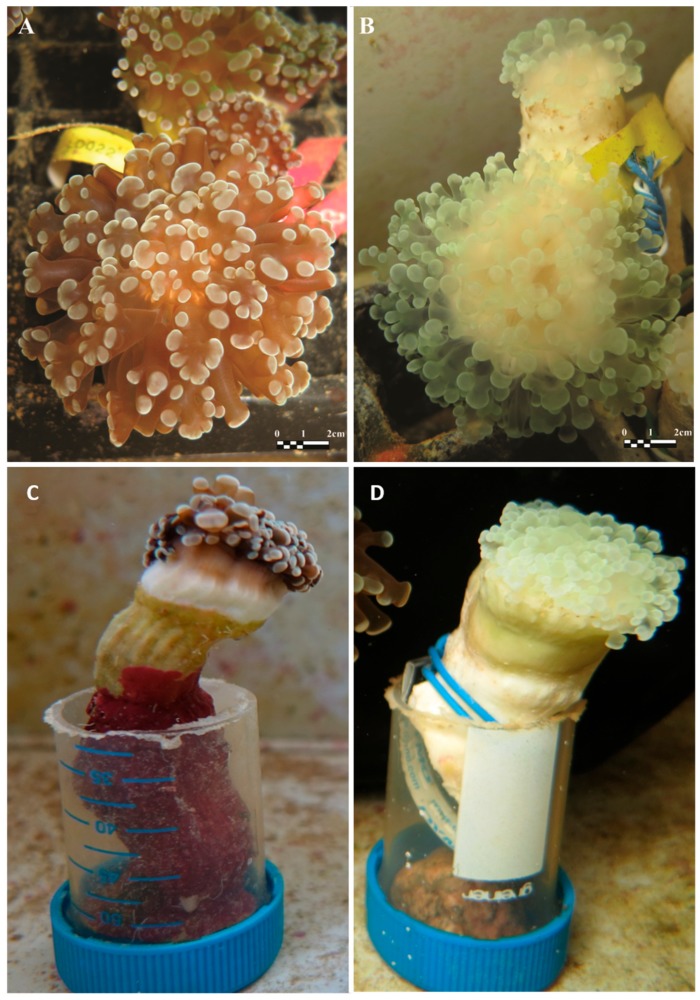
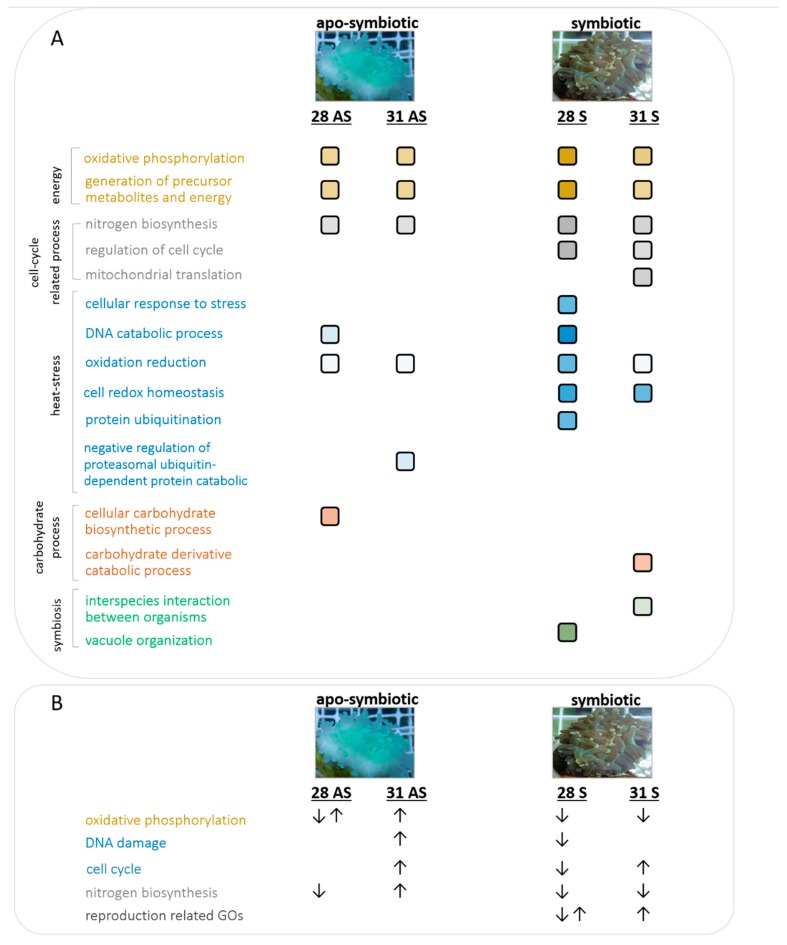
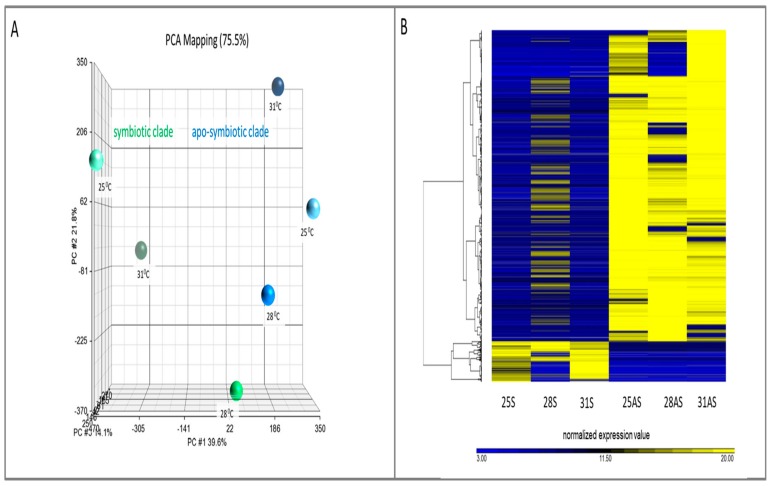
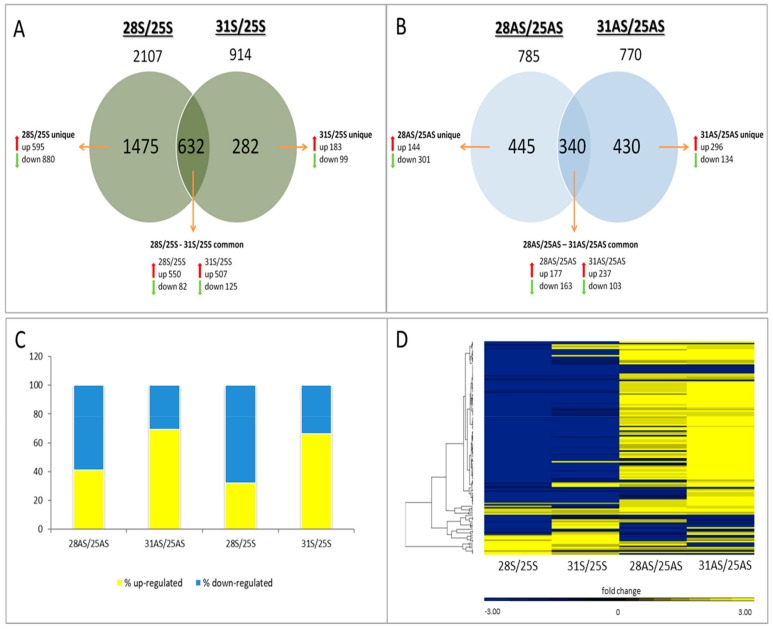
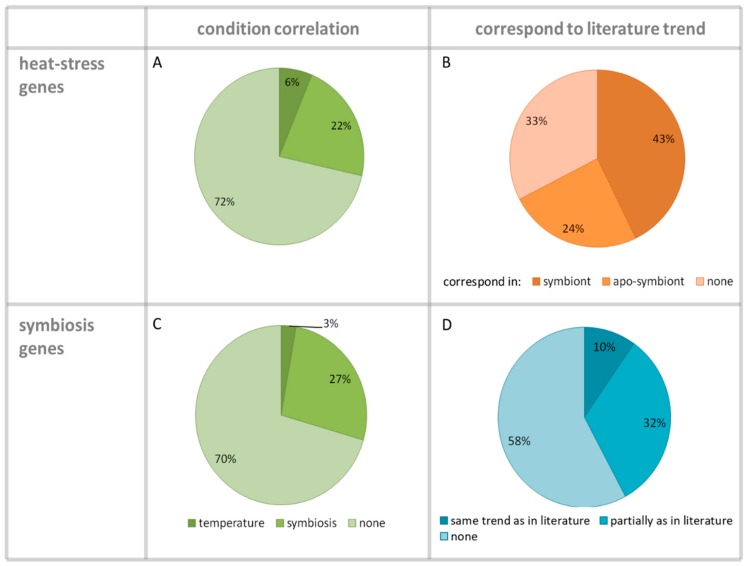
The profound mutualistic symbiosis between corals and their endosymbiotic counterparts, Symbiodiniaceae algae, has been threatened by the increase in seawater temperatures, leading to breakdown of the symbiotic relationship-coral bleaching. To characterize the heat-stress response of the holobiont, we generated vital apo-symbiotic corals that lacked the endosymbiotic algae. Using RNA sequencing, we analyzed the gene expression of these apo-symbionts vs. symbiotic ones, to test the effect of the algal presence on the tolerance of the coral. We utilized literature-derived lists of "symbiosis differentially expressed genes" and "coral heat-stress genes" in order to compare between the treatments. The symbiotic and apo-symbiotic samples were segregated into two separate groups with several different enriched gene ontologies. Our findings suggest that the presence of endosymbionts has a greater negative impact on the host than the environmental temperature conditions experienced by the holobiont. The peak of the stress reaction was identified as 28 °C, with the highest number of differentially expressed genes. We suggest that the algal symbionts increase coral holobiont susceptibility to elevated temperatures. Currently, we can only speculate whether coral species, such as , with the plasticity to also flourish as apo-symbionts, may have a greater chance to withstand the upcoming global climate change challenge.
珊瑚与其内共生伙伴虫黄藻科藻类之间深刻的互利共生关系,已受到海水温度升高的威胁,导致共生关系破裂——珊瑚白化。为了表征共生体的热应激反应,我们培育了缺乏内共生藻类的重要无共生珊瑚。利用RNA测序,我们分析了这些无共生珊瑚与有共生藻类的珊瑚的基因表达,以测试藻类的存在对珊瑚耐受性的影响。我们利用从文献中获取的“共生差异表达基因”和“珊瑚热应激基因”列表,来比较不同处理组。共生和无共生样本被分为两个独立的组,它们具有几种不同的富集基因本体。我们的研究结果表明,内共生体的存在对宿主的负面影响大于共生体所经历的环境温度条件。应激反应的峰值被确定为28°C,此时差异表达基因的数量最多。我们认为藻类共生体增加了珊瑚共生体对温度升高的易感性。目前,我们只能推测,像某些具有作为无共生体也能繁盛的可塑性的珊瑚物种,是否有更大的机会抵御即将到来的全球气候变化挑战。