State Key Laboratory of Pharmaceutical Biotechnology, Nanjing Drum Tower Hospital and School of Life Sciences, Nanjing University, 210023, Nanjing, China.
Department of Oncology, The First Affiliated Hospital with Nanjing Medical University, 210029, Nanjing, China.
Cell Death Dis. 2019 Aug 13;10(8):618. doi: 10.1038/s41419-019-1832-6.
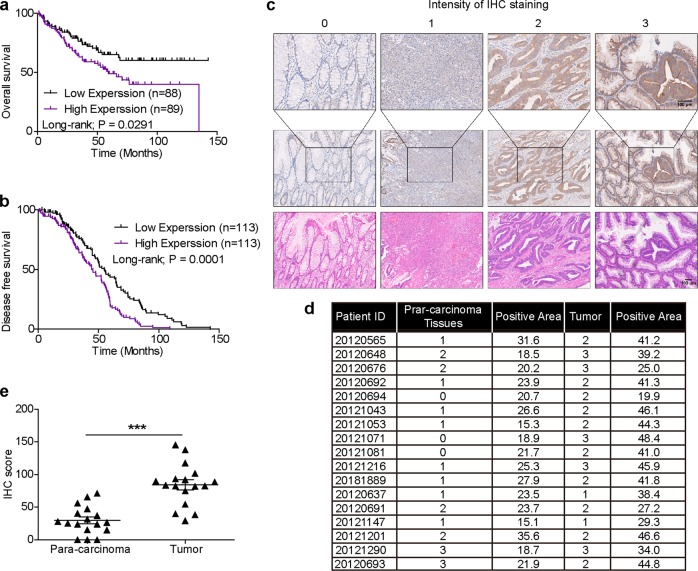
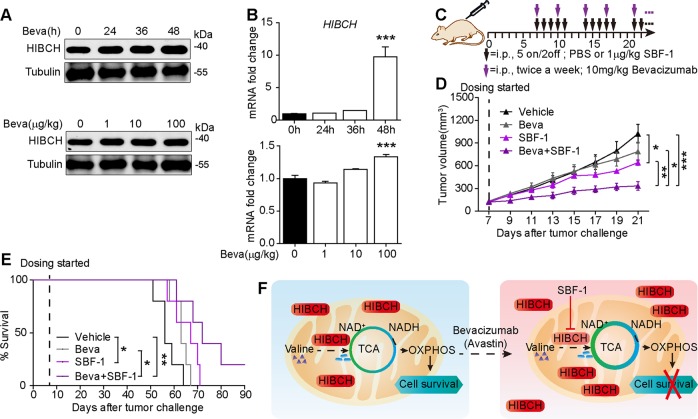
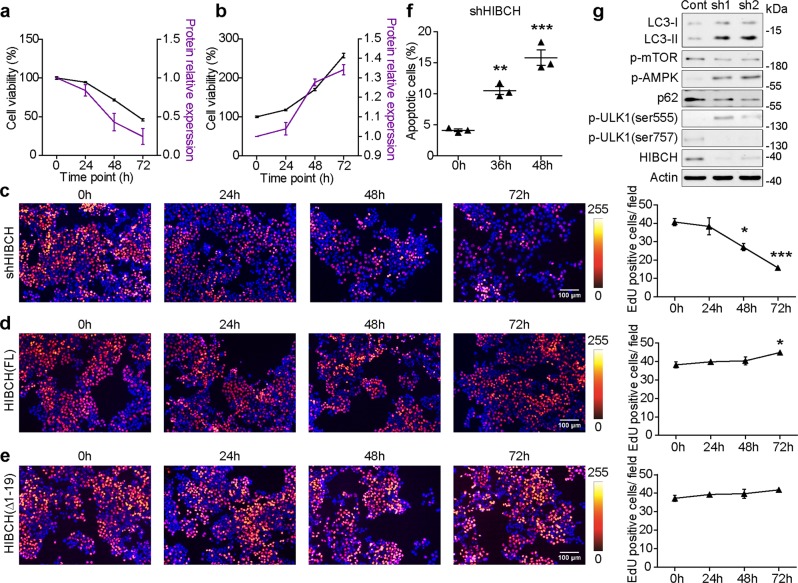
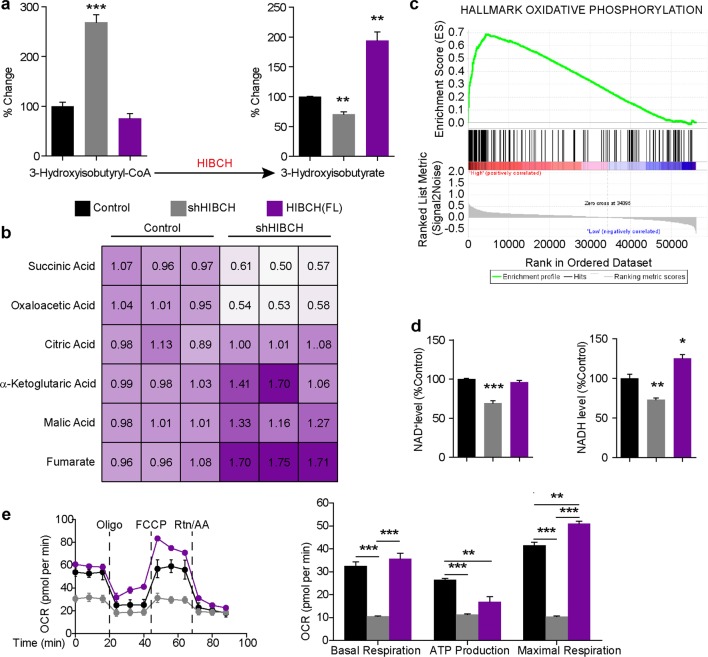
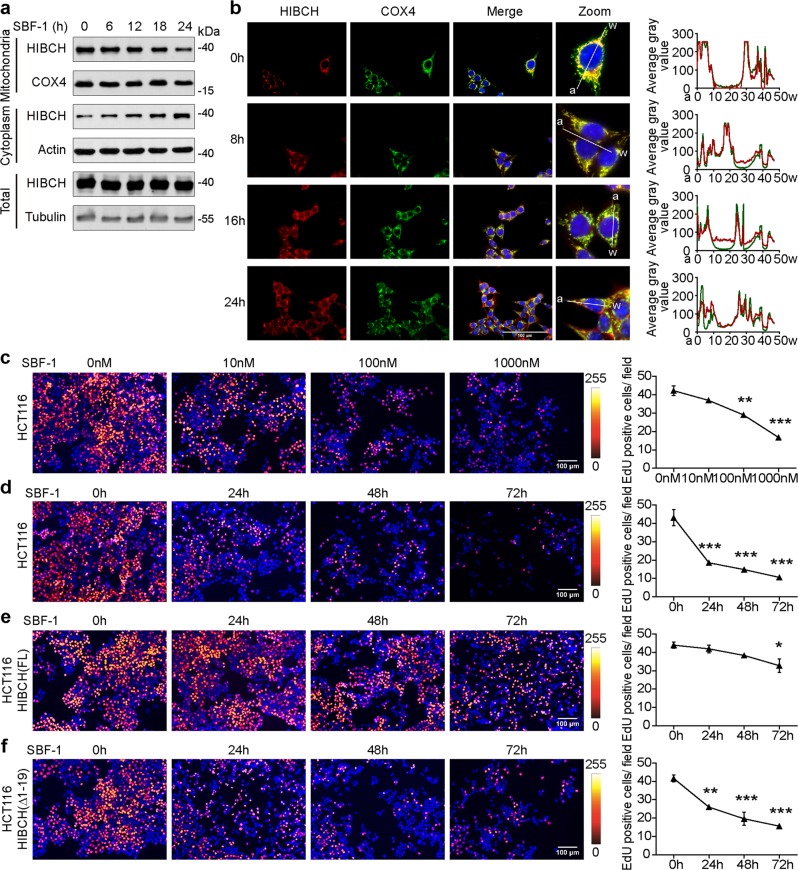
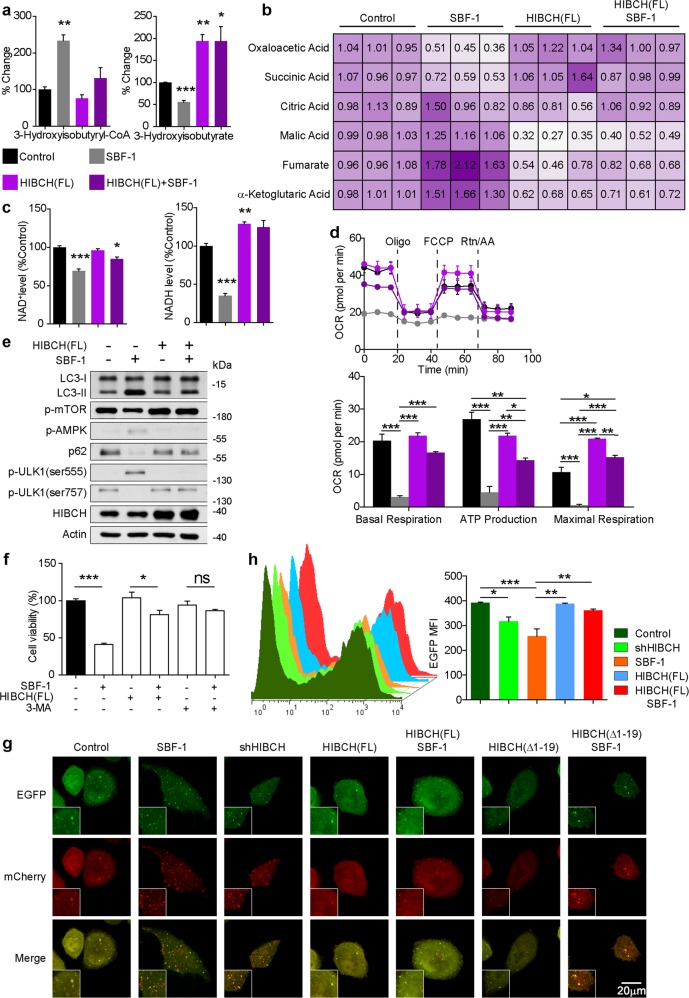
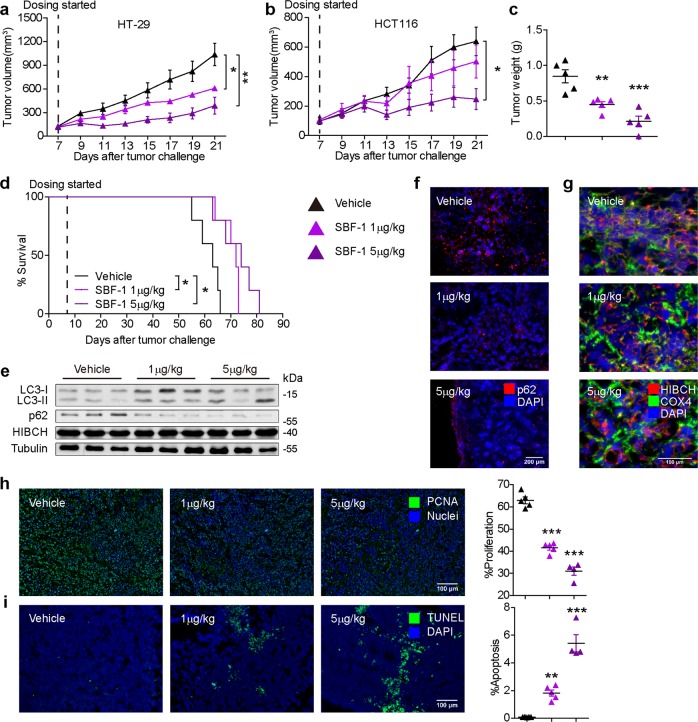
Valine catabolism is known to be essential for cancer cells but the detailed mechanism remains unclear. This study is to explore the critical roles of 3-hydroxyisobutyryl-CoA hydrolase (HIBCH) in colorectal cancers (CRC) and to develop a new therapy returning valine metabolism homeostasis. High HIBCH expression was first confirmed to correlate with poor survival in patients with CRC, which was then linked to the increased cell growth, resistant apoptosis, and decreased autophagy in CRC cells. The functions of HIBCH in CRC were dependent on its mitochondrial localization. High HIBCH level was further demonstrated to promote the metabolism of tricarboxylic acid cycle as well as oxidative phosphorylation in CRC cells. Based on above findings, we further discovered a novel valine catabolism inhibitor SBF-1. The pharmacological blockade of HIBCH mitochondrial localization with SBF-1 resulted in decreased cancer cell growth and increased autophagy, collectively contributing to the antitumor effect both in vitro and in vivo. Moreover, anti-VEGF therapy with bevacizumab increased HIBCH level in CRC cells, which in turn caused the resistance to the therapy. The interference with HIBCH function by SBF-1 significantly increased the antitumor efficacy of bevacizumab and led to a robust survival benefit. The present study identified HIBCH as a critical enzyme of valine catabolism in CRC progression and resistance to anti-VEGF therapy. We also provided a novel HIBCH inhibitor SBF-1, which highlighted the combined therapy using valine catabolic inhibitor along with anti-VEGF drugs, to control progression of CRC.
缬氨酸分解代谢被认为对癌细胞至关重要,但详细机制尚不清楚。本研究旨在探讨 3-羟基异丁酰辅酶 A 水解酶 (HIBCH) 在结直肠癌 (CRC) 中的关键作用,并开发一种使缬氨酸代谢恢复平衡的新疗法。首先证实高 HIBCH 表达与 CRC 患者的生存不良相关,然后与 CRC 细胞中细胞生长增加、抗凋亡和自噬减少相关。HIBCH 在 CRC 中的功能依赖于其在线粒体中的定位。进一步证明高 HIBCH 水平促进了 CRC 细胞中三羧酸循环和氧化磷酸化的代谢。基于上述发现,我们进一步发现了一种新型缬氨酸分解代谢抑制剂 SBF-1。用 SBF-1 阻断 HIBCH 的线粒体定位导致癌细胞生长减少和自噬增加,共同导致体外和体内的抗肿瘤作用。此外,贝伐单抗的抗 VEGF 治疗增加了 CRC 细胞中的 HIBCH 水平,这反过来又导致对治疗的耐药性。用 SBF-1 干扰 HIBCH 功能显著提高了贝伐单抗的抗肿瘤疗效,并带来了显著的生存获益。本研究确定 HIBCH 为 CRC 进展和抗 VEGF 治疗耐药性中缬氨酸分解代谢的关键酶。我们还提供了一种新型 HIBCH 抑制剂 SBF-1,强调了使用缬氨酸分解代谢抑制剂联合抗 VEGF 药物的联合治疗,以控制 CRC 的进展。