Department of Biochemistry and Biophysics, Faculty of Advanced Science and Technology, Tehran Medical Sciences, Islamic Azad University, Tehran, Iran.
Department of Medical Laboratory Technology, Health Technical College, Erbil Polytechnic University, Erbil, Kurdistan Region, Iraq.
Int J Nanomedicine. 2019 Jul 16;14:5355-5368. doi: 10.2147/IJN.S210136. eCollection 2019.
Nanoparticles (NPs) have been receiving potential interests in protein delivery and cell therapy. As a matter of fact, NPs may be used as great candidates in promoting cell therapy by catalase (CAT) delivery into high oxidative stress tissues. However, for using NPs like SiO as carriers, the interaction of NPs with proteins and mesenchymal stem cells (MSCs) should be explored in advance.
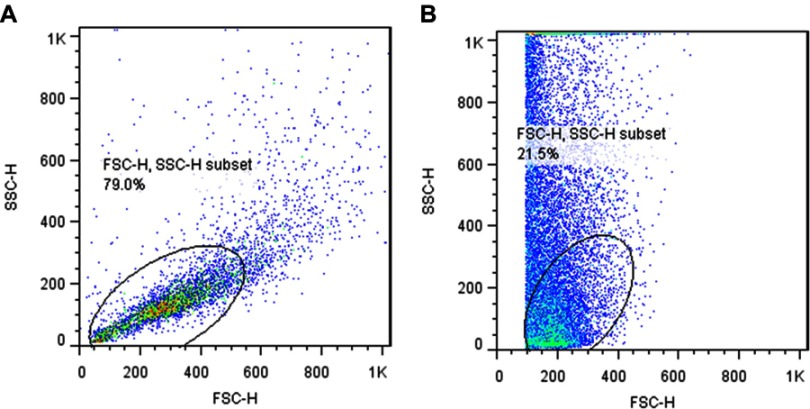
In the present study, the interaction of SiO NPs with CAT and human MSCs (hMSCs) was explored by various spectroscopic methods (fluorescence, circular dichroism (CD), UV-visible), molecular docking and dynamics studies, and cellular (MTT, cellular morphology, cellular uptake, lactate dehydrogenase, ROS, caspase-3, flow cytometry) assays.
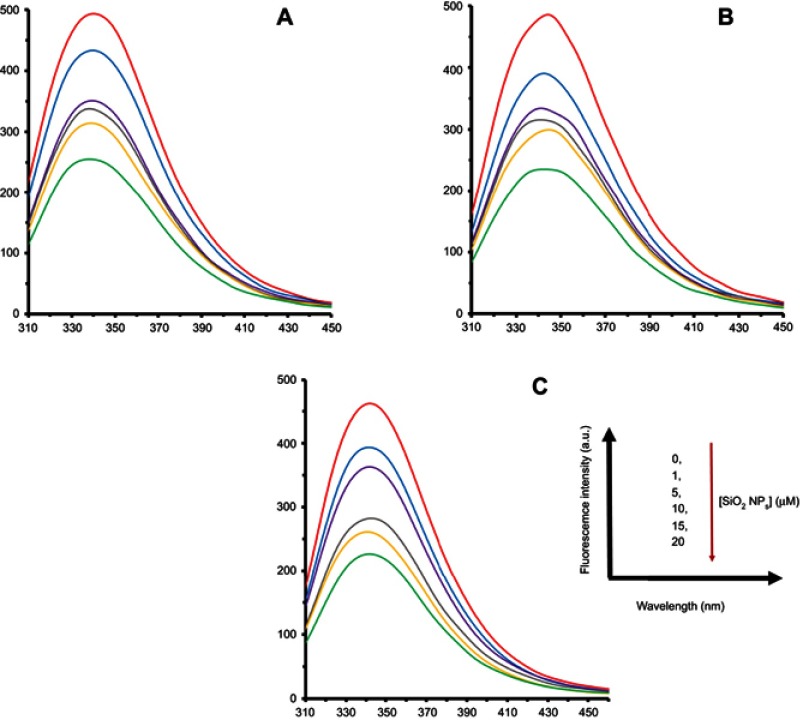
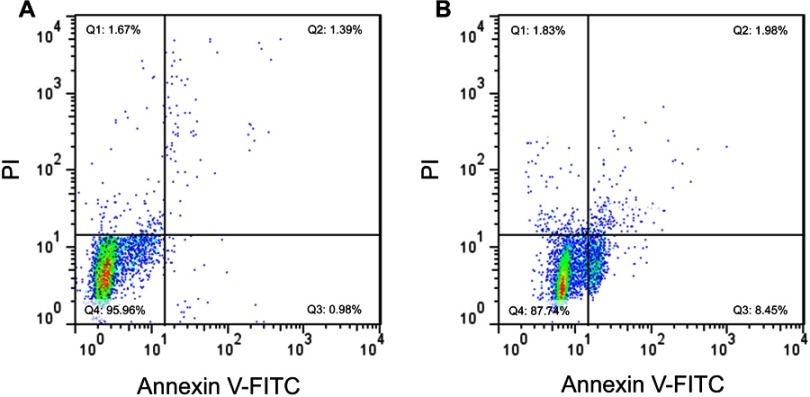
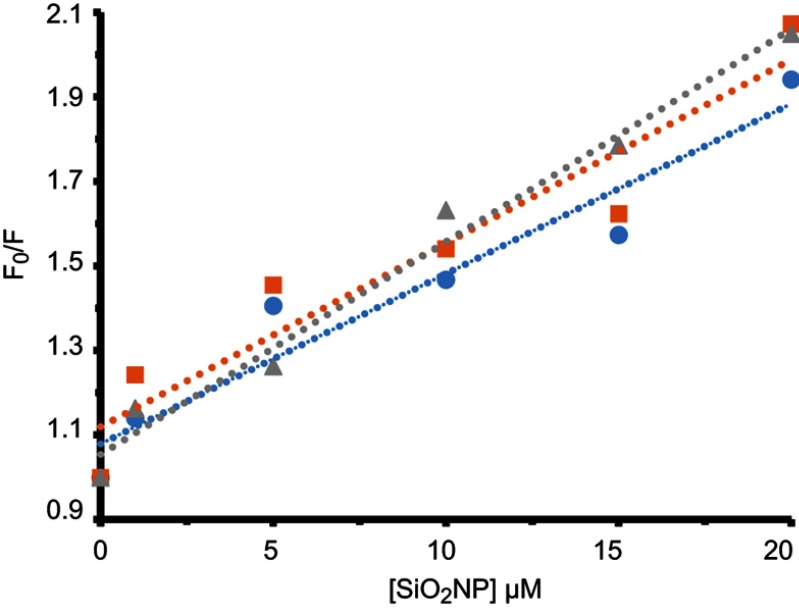
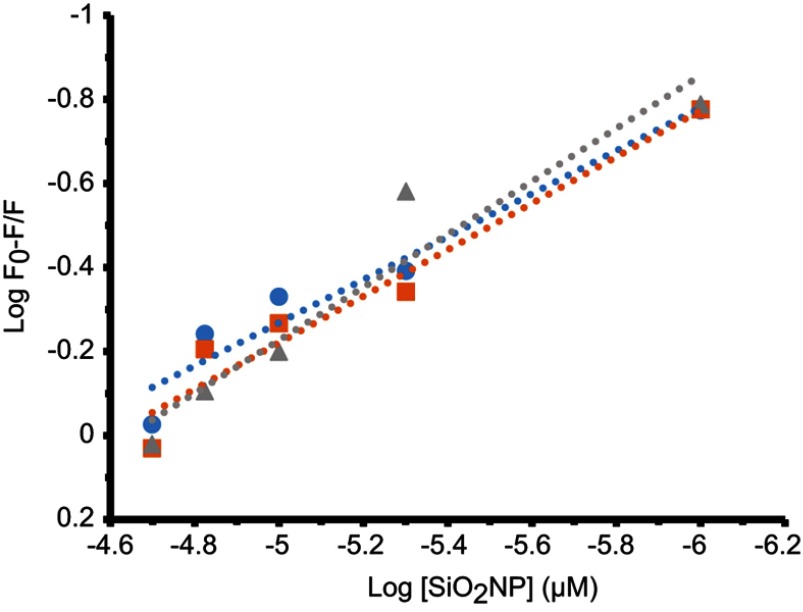
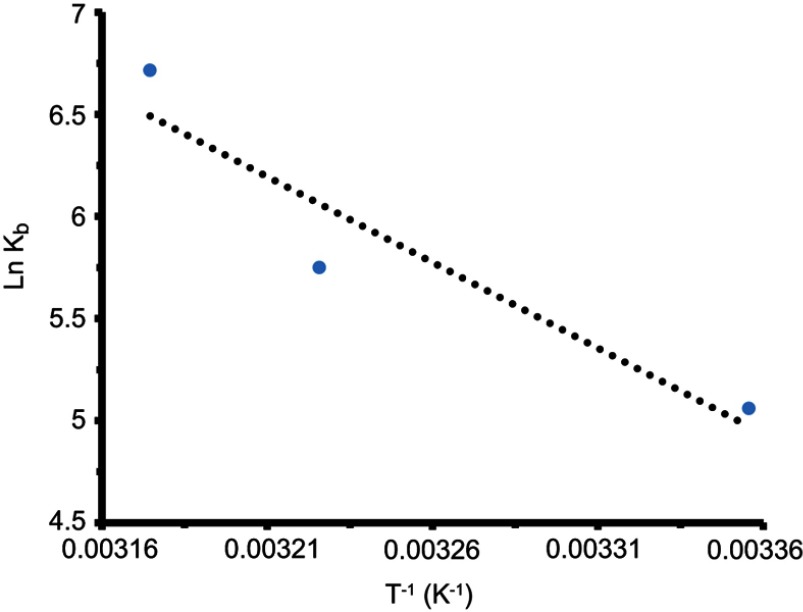
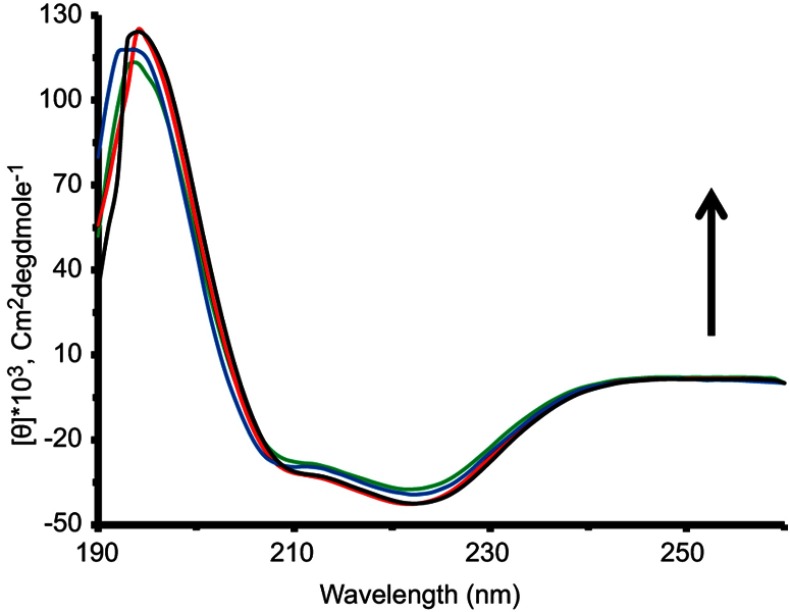
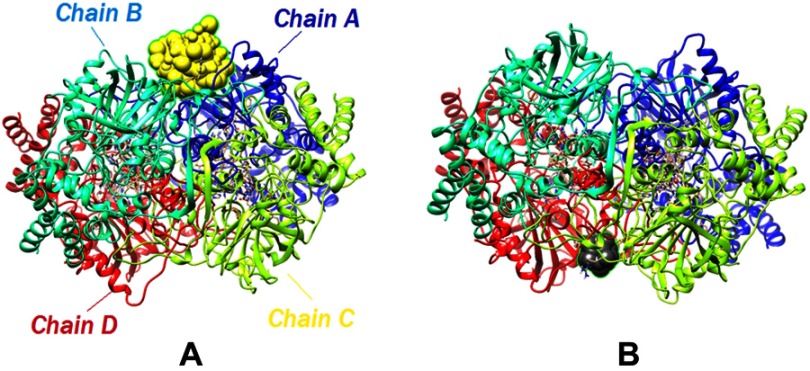
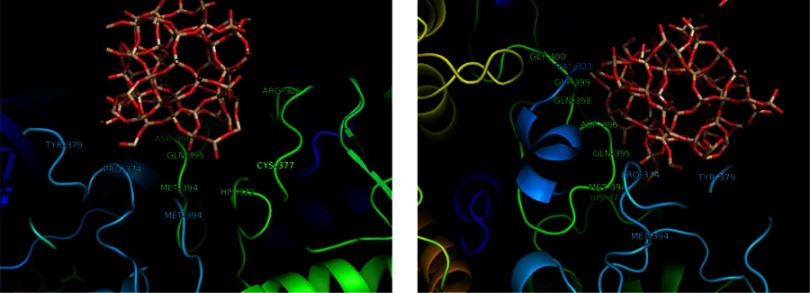
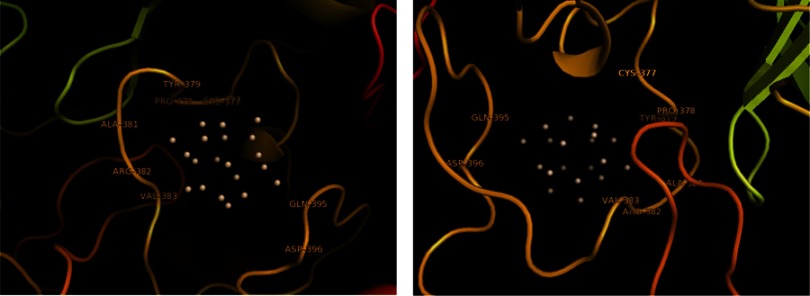
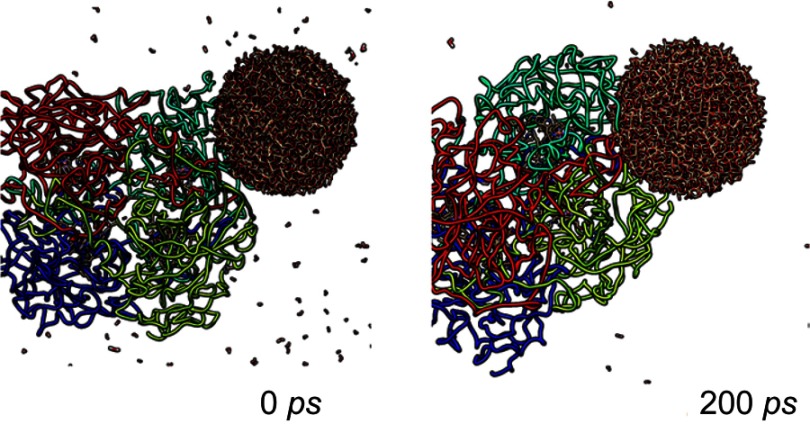
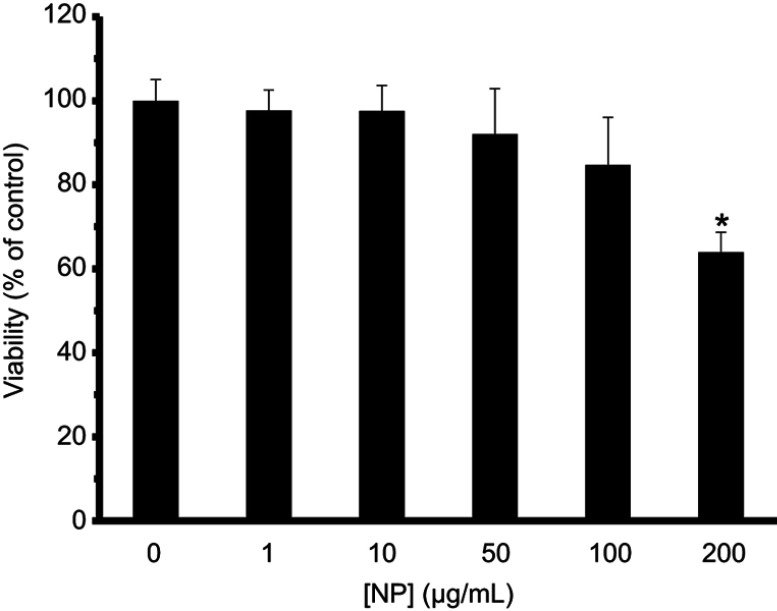
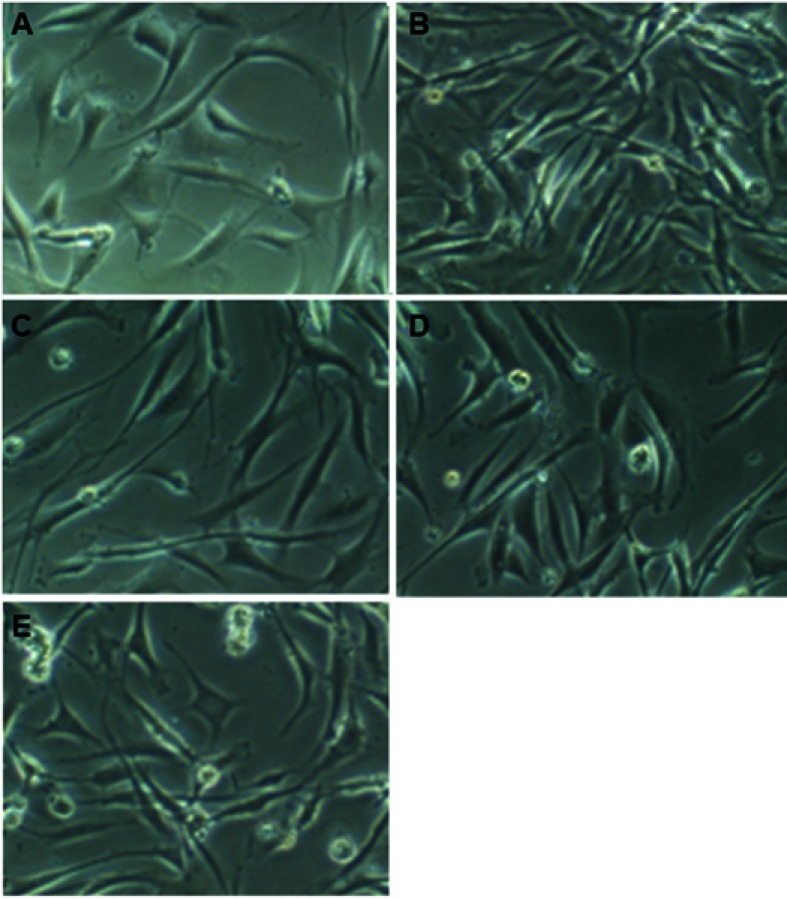
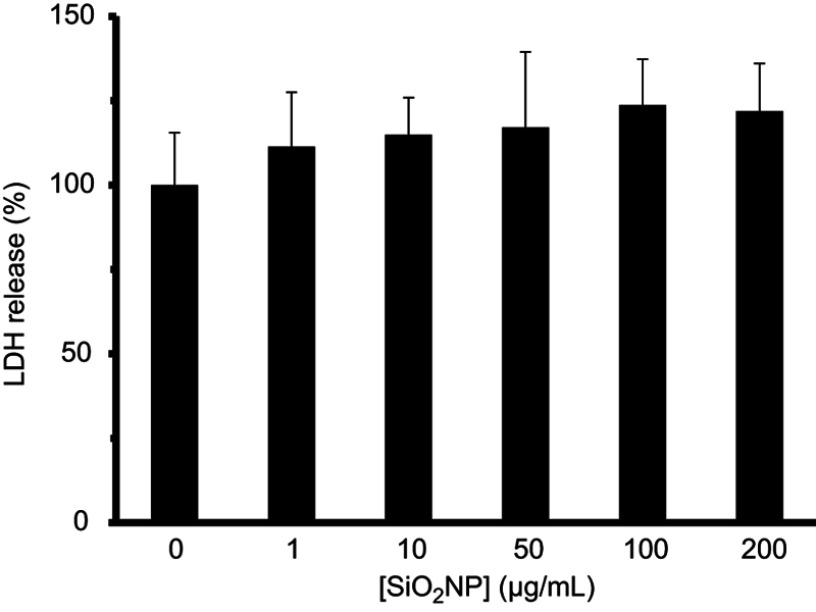
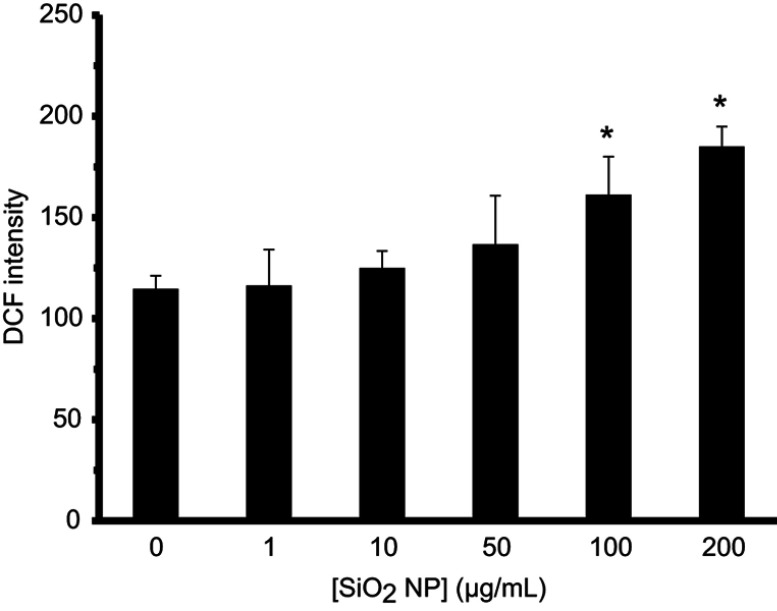
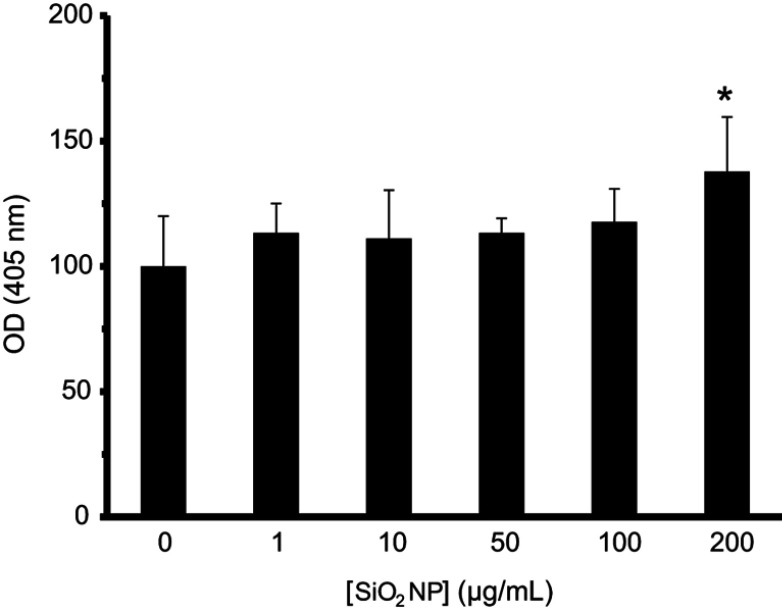
Fluorescence study displayed that both dynamic and static quenching mechanisms and hydrophobic interactions are involved in the spontaneous interaction of SiO NPs with CAT. CD spectra indicated that native structure of CAT remains stable after interaction with SiO NPs. UV-visible study also revealed that the kinetic parameters of CAT such as , and enzyme efficiency were not changed after the addition of SiO NPs. Molecular docking and dynamics studies showed that Si and SiO clusters interact with hydrophobic residues of CAT and SiO cluster causes minor changes in the CAT structure at a total simulation time of 200 ps. Cellular assays depicted that SiO NPs induce significant cell mortality, change in cellular morphology, cellular internalization, ROS elevation, and apoptosis in hMSCs at higher concentration than 100 µg/mL (170 µM).
The current results suggest that low concentrations of SiO NPs induce no substantial change or mortality against CAT and hMSCs, and potentially useful carriers in CAT delivery to hMSC.
纳米粒子(NPs)在蛋白质递药和细胞治疗方面受到了广泛关注。事实上,NPs 可以作为细胞治疗的优秀候选者,通过将过氧化氢酶(CAT)递送至高氧化应激组织中来促进细胞治疗。然而,对于使用 SiO2 NPs 等作为载体,需要预先探索 NPs 与蛋白质和间充质干细胞(MSCs)的相互作用。
在本研究中,通过各种光谱方法(荧光、圆二色性(CD)、紫外-可见)、分子对接和动力学研究以及细胞(MTT、细胞形态、细胞摄取、乳酸脱氢酶、ROS、caspase-3、流式细胞术)实验,研究了 SiO2 NPs 与 CAT 和人 MSCs(hMSCs)的相互作用。
荧光研究表明,SiO2 NPs 与 CAT 的自发相互作用涉及动态和静态猝灭机制以及疏水相互作用。CD 光谱表明,CAT 的天然结构在与 SiO2 NPs 相互作用后保持稳定。紫外-可见研究还表明,CAT 的动力学参数,如、和酶效率,在加入 SiO2 NPs 后没有改变。分子对接和动力学研究表明,Si 和 SiO 簇与 CAT 的疏水残基相互作用,SiO 簇在总共 200 ps 的模拟时间内导致 CAT 结构的微小变化。细胞实验表明,SiO2 NPs 在高于 100 µg/mL(170 µM)的浓度下,会导致 hMSCs 发生显著的细胞死亡、细胞形态改变、细胞内吞、ROS 升高和凋亡。
目前的结果表明,低浓度的 SiO2 NPs 对 CAT 和 hMSCs 没有引起实质性的变化或死亡率,并且可能是 CAT 递送至 hMSC 的有用载体。