Université de Lubumbashi (UNILU), Faculté des Sciences Agronomiques, Lubumbashi, Democratic Republic of the Congo.
Université Nouveaux Horizons (UNH), Lubumbashi, Democratic Republic of the Congo.
J Ethnobiol Ethnomed. 2019 Aug 14;15(1):39. doi: 10.1186/s13002-019-0319-y.
Elaphrodes lactea Gaede is a highly praised edible lepidopteran insect in the Miombo forest in the DRC. Both caterpillars and pupae of this species are consumed. Following recent declines in the Miombo forest, it is crucial to investigate the rate of consumption, biological, and exploitation cycles, as well as the trade and profitability of E. lactea to develop a sustainable program for its use.
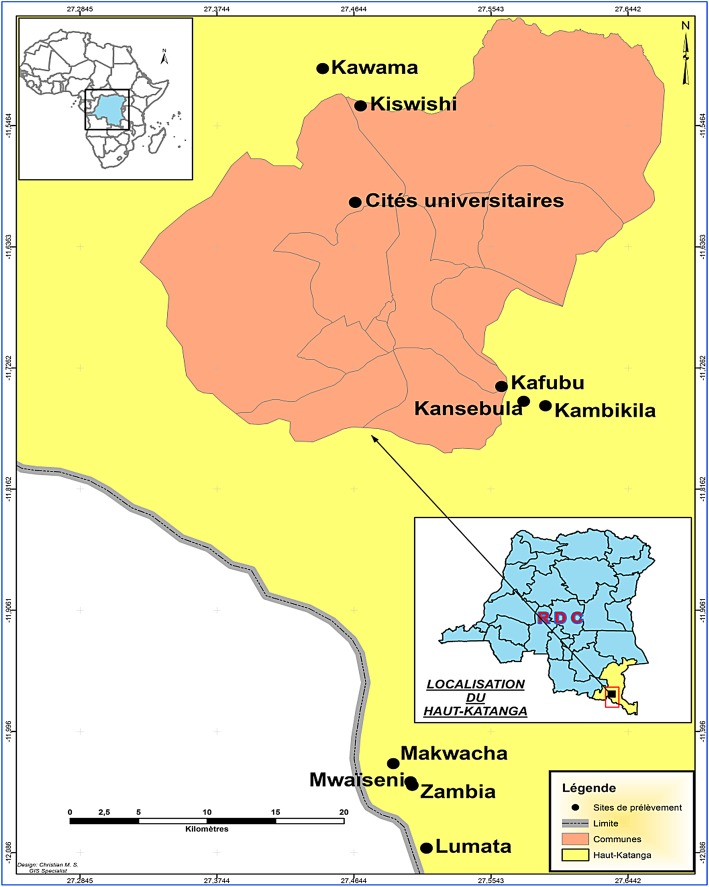
We, therefore, embarked on a survey in 10 sites located in Lubumbashi between 2011 and 2015. Information on E. lactea supply chain and harvesting period was also documented as well as the mode of selling, pricing, and other determinants of the business. Data were analyzed using R2.15.0 software and means were compared using the Fisher LSD test.
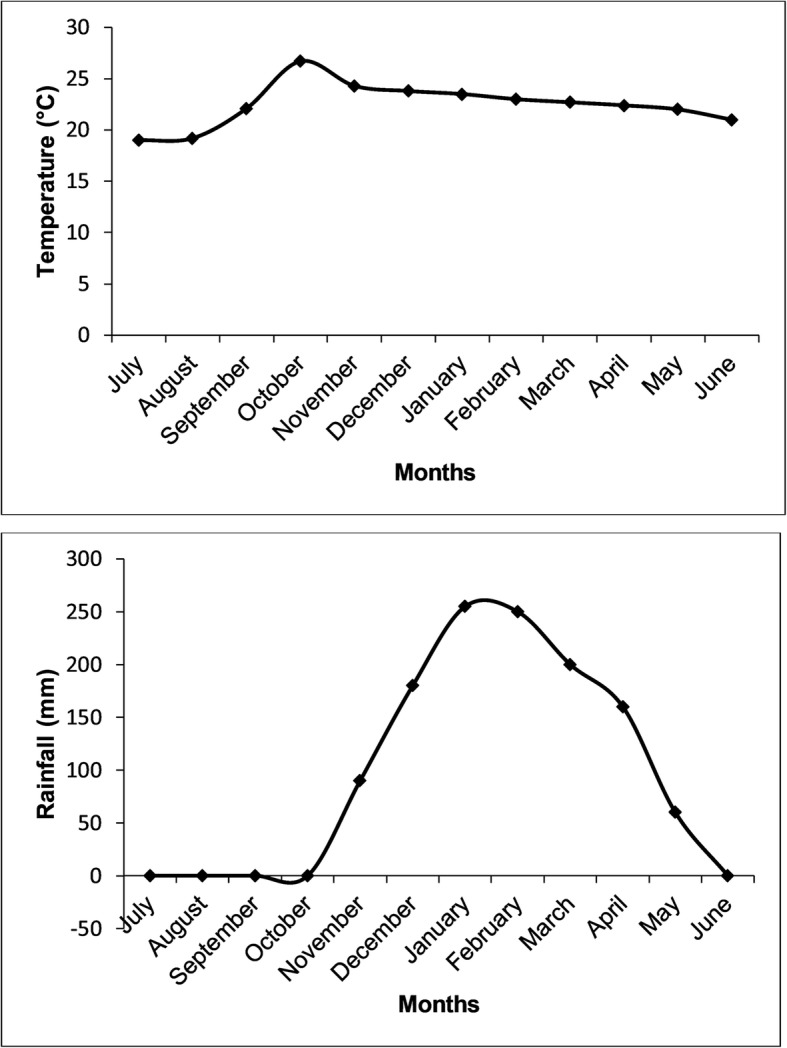
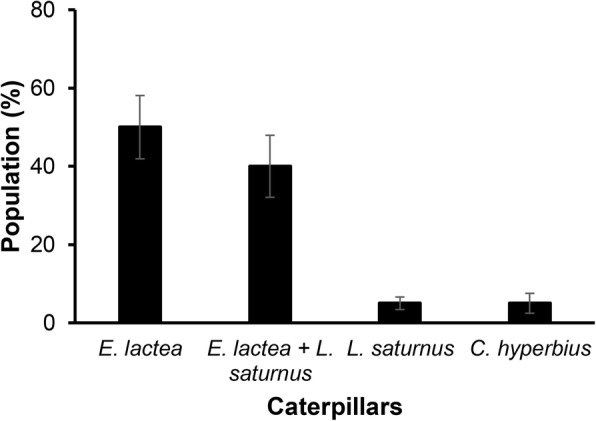
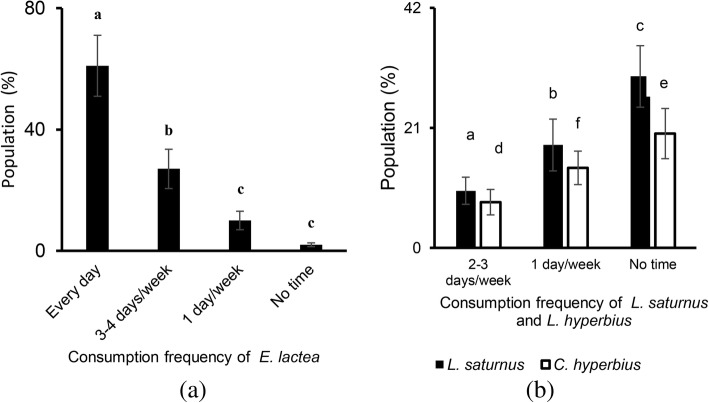
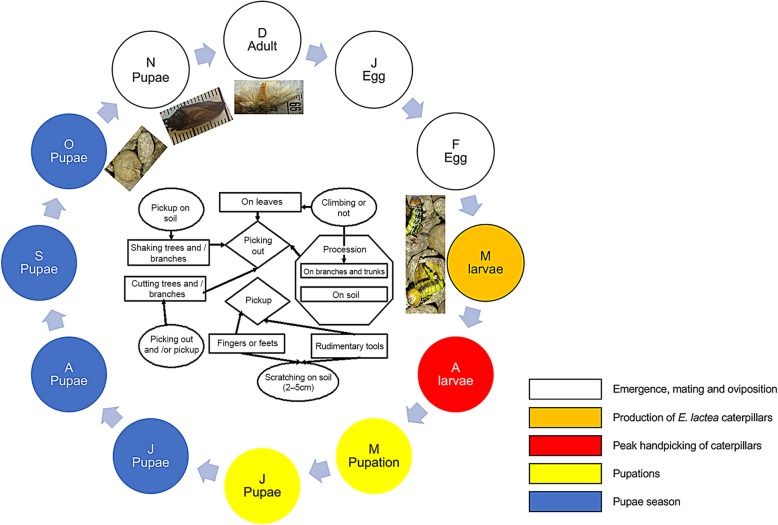
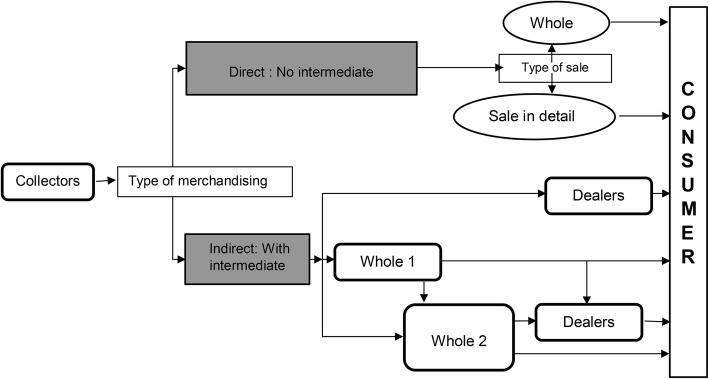
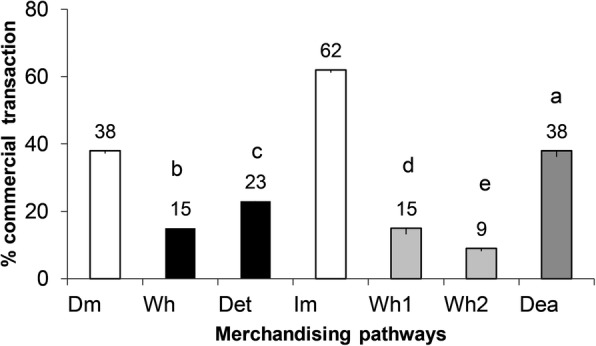
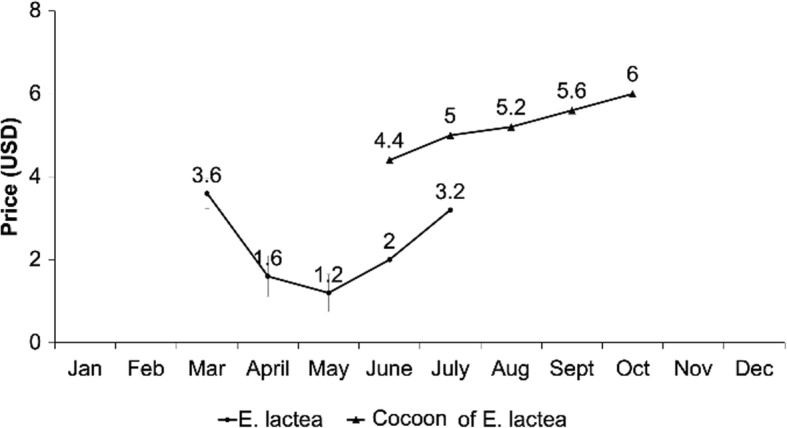
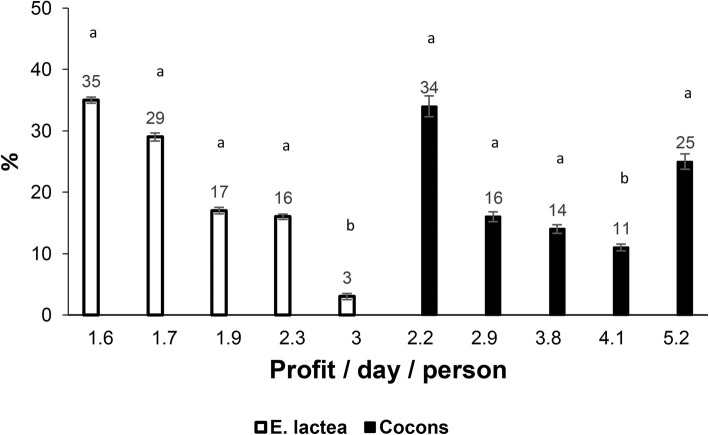
The study revealed that E. lactea is the most preferred caterpillar and several indicators guide its exploitation. Caterpillars are available between March and April, and pupation starts in May. Harvesting starts within the household surroundings before reaching the bush, and several harvesting techniques are used. The indirect mode of trade of E. lactea is the most commonly used, with the average price/kg varying between USD2.32 (during in-season = production period for caterpillars) and USD5.24 (during dry season = off-season, mainly pupae). During the peak season of caterpillar production, the harvester's average income per day varies between USD1.6 and USD3.0 whereas it varies between USD2.2 and USD5.2 during the pupal season. Anthropogenic activities, coupled with climatic factors, constitute the main drivers affecting the availability of E. lactea.
The study, therefore, calls on a concerted action from all stakeholders to increase awareness and the development of innovative measures for sustainable exploitation of this insect while ensuring rehabilitation of the forest through community participation.
白星木舟蛾(Elaphrodes lactea Gaede)是一种在刚果民主共和国的 Miombo 森林中备受赞誉的可食用鳞翅目昆虫。该物种的幼虫和蛹都被食用。由于 Miombo 森林的最近减少,研究其消费率、生物和开发周期以及白星木舟蛾的贸易和盈利能力至关重要,以便为其开发可持续的利用计划。
因此,我们于 2011 年至 2015 年在卢本巴希的 10 个地点进行了一项调查。我们还记录了白星木舟蛾供应链和收获期的信息,以及销售模式、定价和其他业务决定因素。数据使用 R2.15.0 软件进行分析,使用 Fisher LSD 检验比较平均值。
该研究表明,白星木舟蛾是最受欢迎的毛毛虫,有几个指标指导其开发。毛毛虫在三月和四月之间供应,五月开始化蛹。收获从家庭周围开始,然后到达丛林,使用了几种收获技术。白星木舟蛾的间接贸易模式是最常用的,平均价格/公斤在 USD2.32(旺季=毛毛虫生产期)和 USD5.24(淡季=主要是蛹期)之间变化。在毛毛虫生产高峰期,收获者的日平均收入在 USD1.6 和 USD3.0 之间变化,而在蛹期则在 USD2.2 和 USD5.2 之间变化。人为活动加上气候因素是影响白星木舟蛾供应的主要驱动因素。
因此,这项研究呼吁所有利益相关者采取协调一致的行动,提高认识,并制定创新措施,以实现可持续开发这种昆虫,同时通过社区参与来恢复森林。