Department of Ophthalmology, Duke University Medical Center, Durham, United States.
Department of Ophthalmology, University of Oklahoma Health Sciences Center, Oklahoma City, United States.
Elife. 2019 Aug 15;8:e48378. doi: 10.7554/eLife.48378.
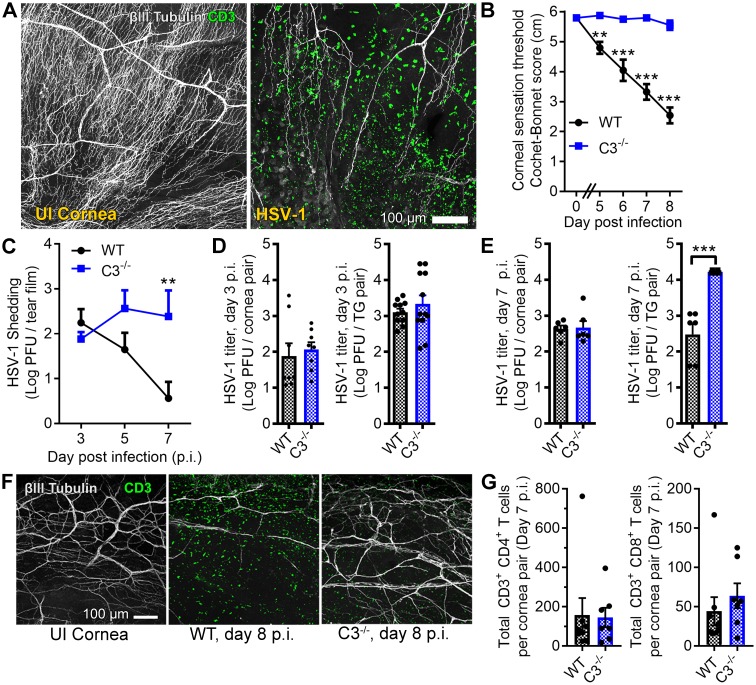
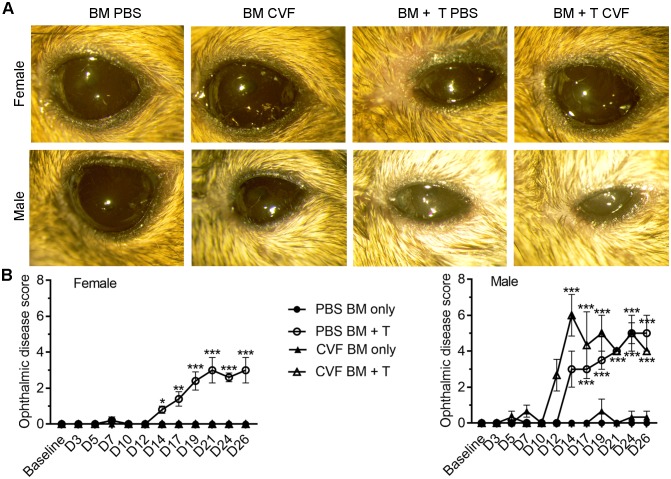
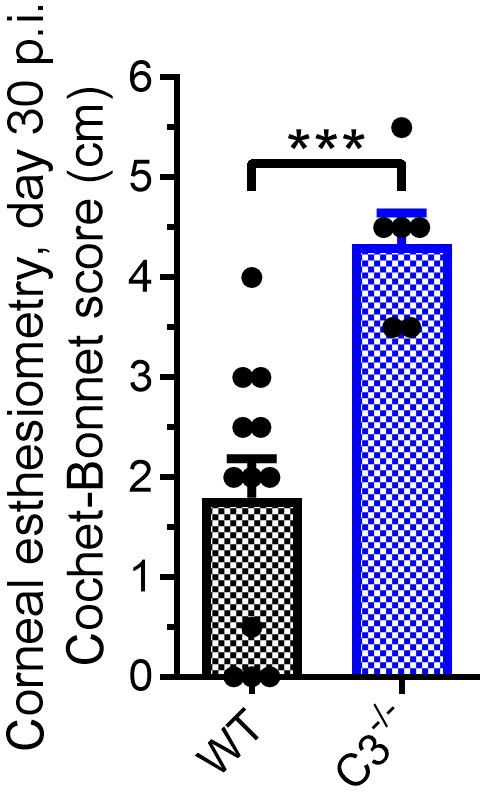
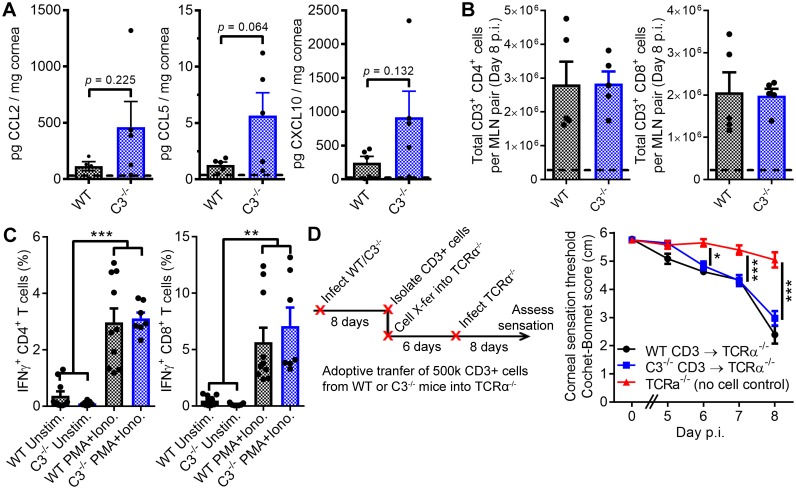
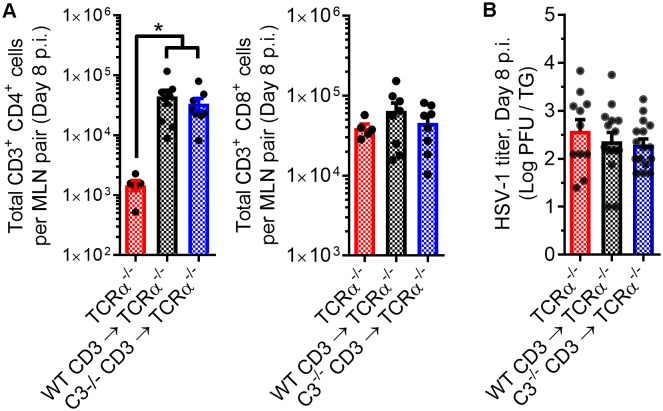
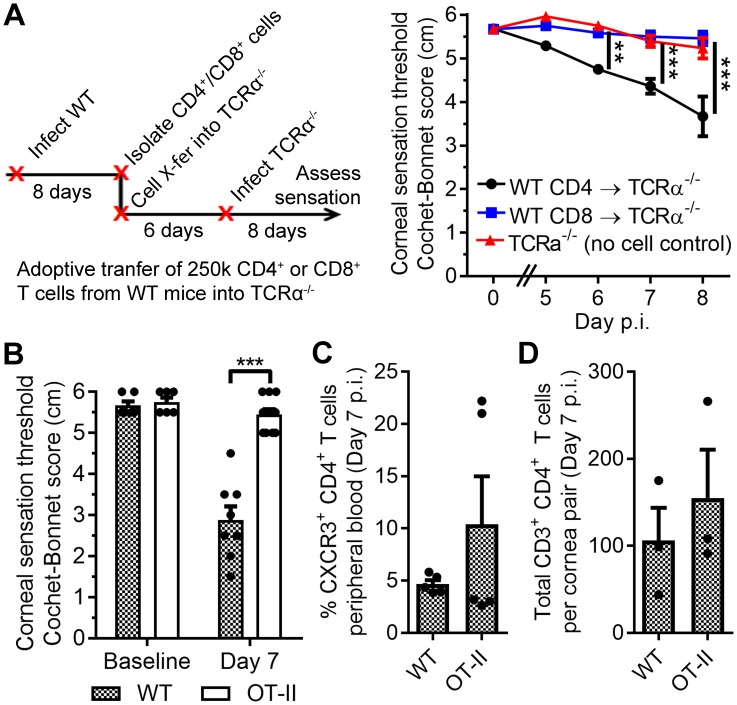
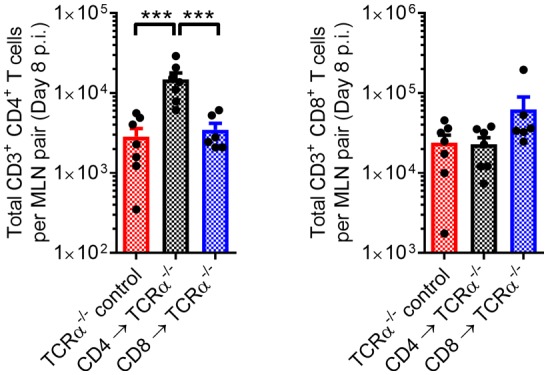
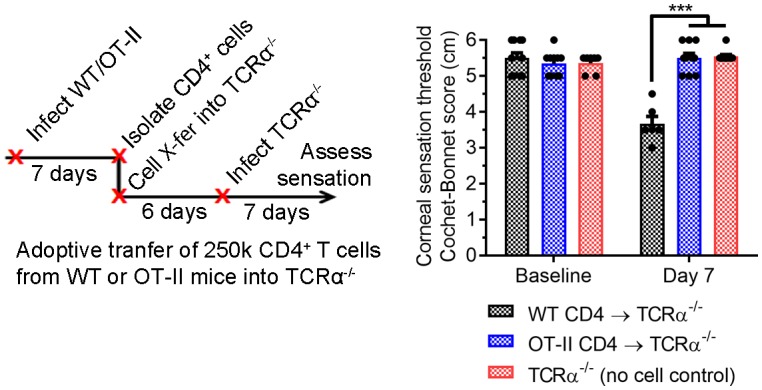
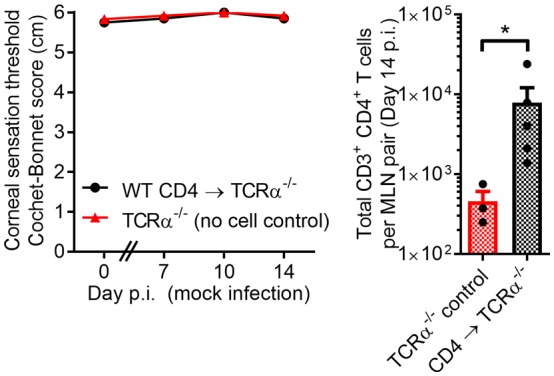
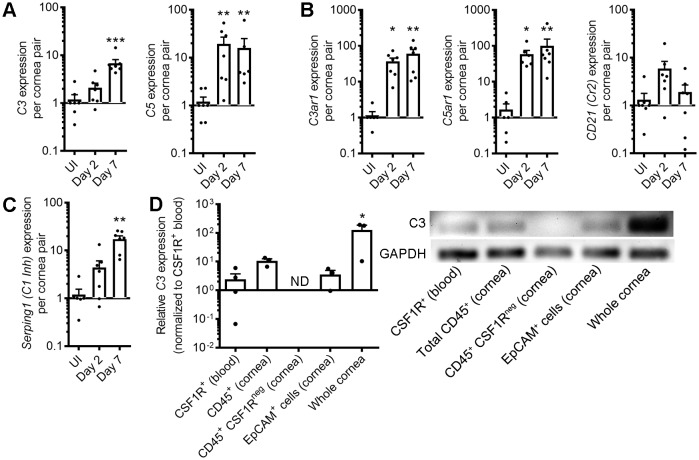
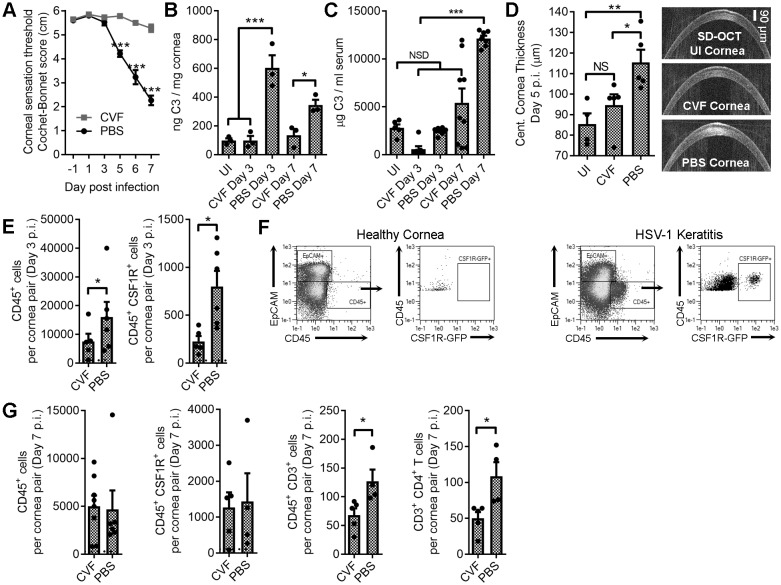
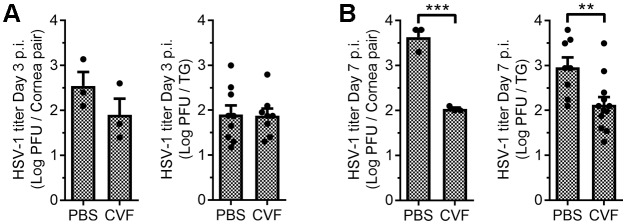
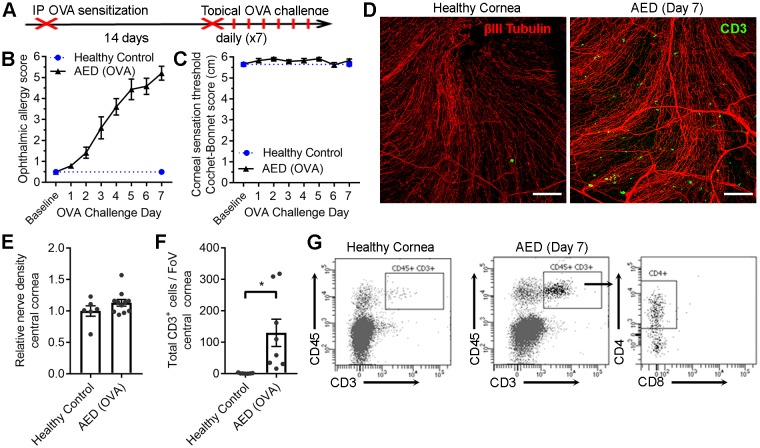
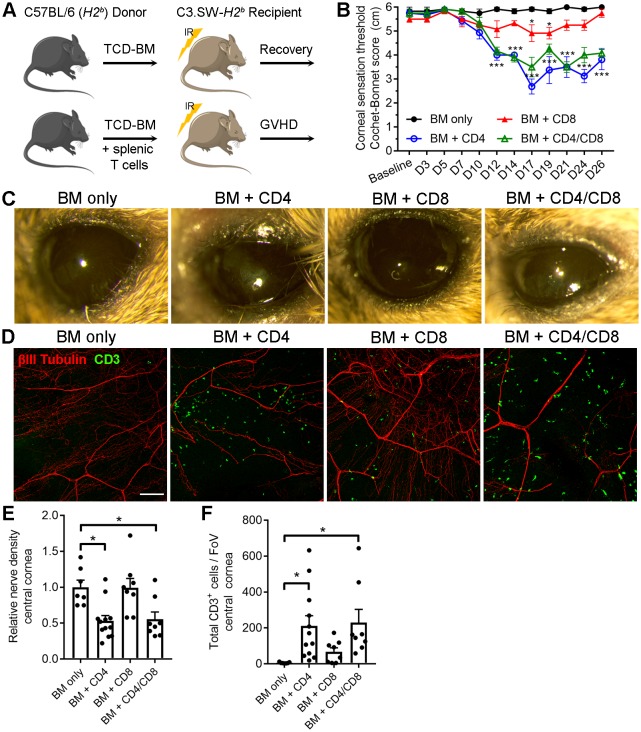
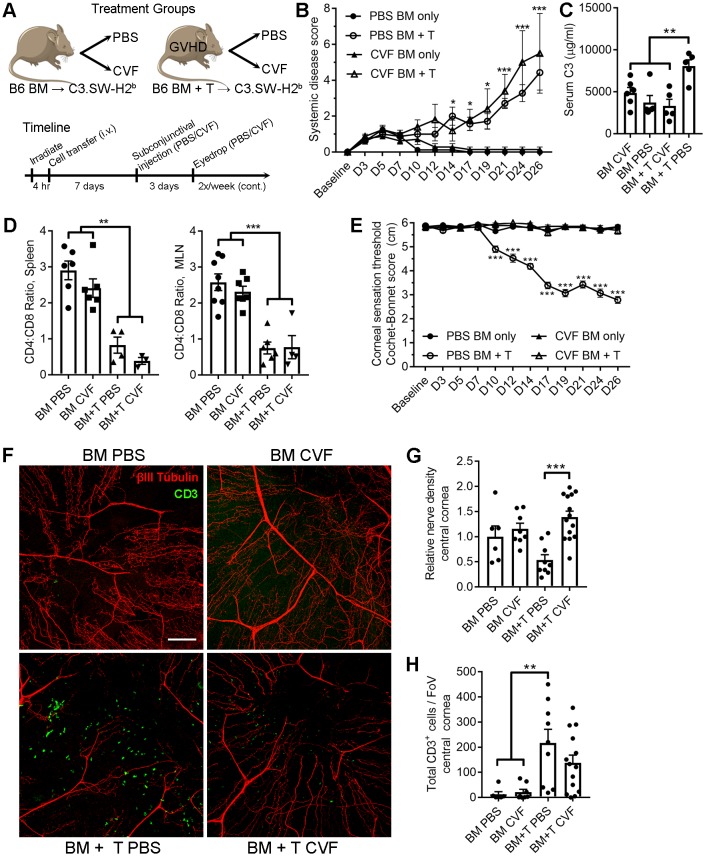
Whether complement dysregulation directly contributes to the pathogenesis of peripheral nervous system diseases, including sensory neuropathies, is unclear. We addressed this important question in a mouse model of ocular HSV-1 infection, where sensory nerve damage is a common clinical problem. Through genetic and pharmacologic targeting, we uncovered a central role for C3 in sensory nerve damage at the morphological and functional levels. Interestingly, CD4 T cells were central in facilitating this complement-mediated damage. This same C3/CD4 T cell axis triggered corneal sensory nerve damage in a mouse model of ocular graft-versus-host disease (GVHD). However, this was not the case in a T-dependent allergic eye disease (AED) model, suggesting that this inflammatory neuroimmune pathology is specific to certain disease etiologies. Collectively, these findings uncover a central role for complement in CD4 T cell-dependent corneal nerve damage in multiple disease settings and indicate the possibility for complement-targeted therapeutics to mitigate sensory neuropathies.
补体失调是否直接导致包括感觉性神经病在内的周围神经系统疾病的发病机制尚不清楚。我们在眼部单纯疱疹病毒 1 感染的小鼠模型中解决了这个重要问题,在该模型中,感觉神经损伤是一种常见的临床问题。通过遗传和药物靶向,我们在形态和功能水平上发现 C3 在感觉神经损伤中起着核心作用。有趣的是,CD4 T 细胞在促进这种补体介导的损伤中起着核心作用。同样的 C3/CD4 T 细胞轴在眼部移植物抗宿主病 (GVHD) 的小鼠模型中引发了角膜感觉神经损伤。然而,在 T 依赖性过敏性眼病 (AED) 模型中并非如此,这表明这种炎症性神经免疫病理与某些疾病病因有关。总的来说,这些发现揭示了补体在多种疾病情况下 CD4 T 细胞依赖性角膜神经损伤中的核心作用,并表明针对补体的治疗方法有可能减轻感觉性神经病。