Gómez Escobar Valentín, Rey Gozalo Guillermo, Pérez Carlos J
Departamento de Física Aplicada, Escuela Politécnica, Universidad de Extremadura, Avda. de la Universidad s/n, 10003 Cáceres, Spain.
Facultad de Ciencias de la Salud, Universidad Autónoma de Chile, 5 Poniente 1670, 3460000 Talca, Región del Maule, Chile.
Materials (Basel). 2019 Aug 14;12(16):2584. doi: 10.3390/ma12162584.
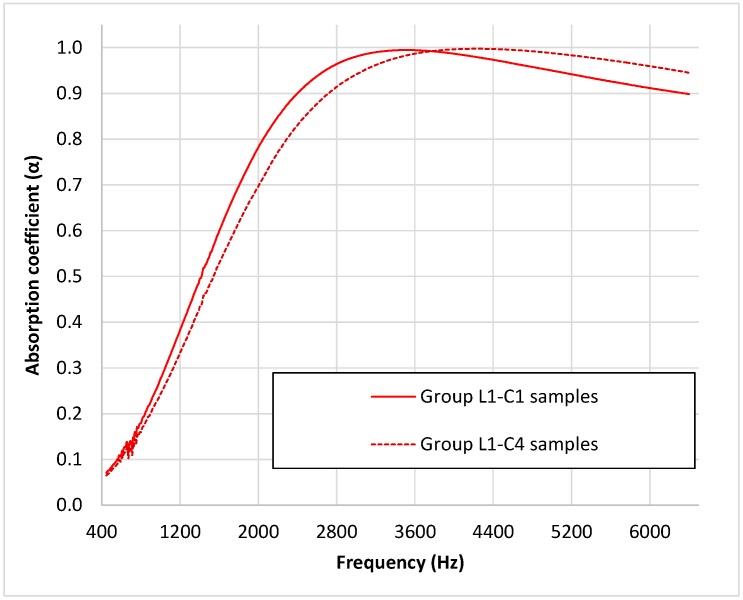
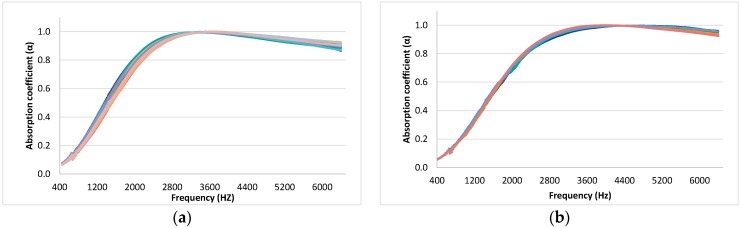
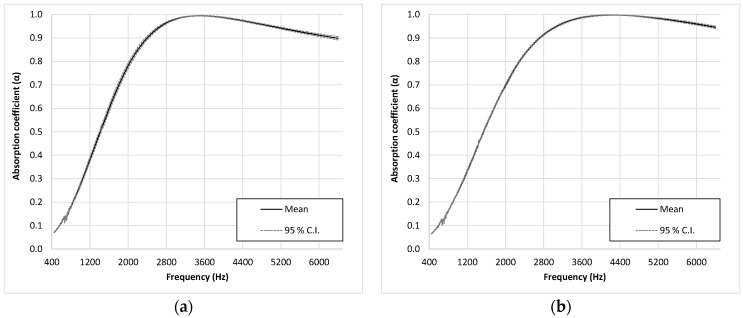
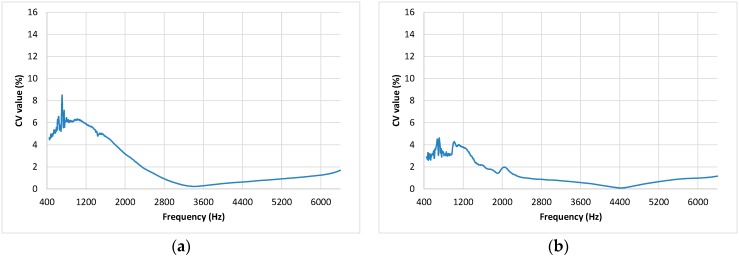
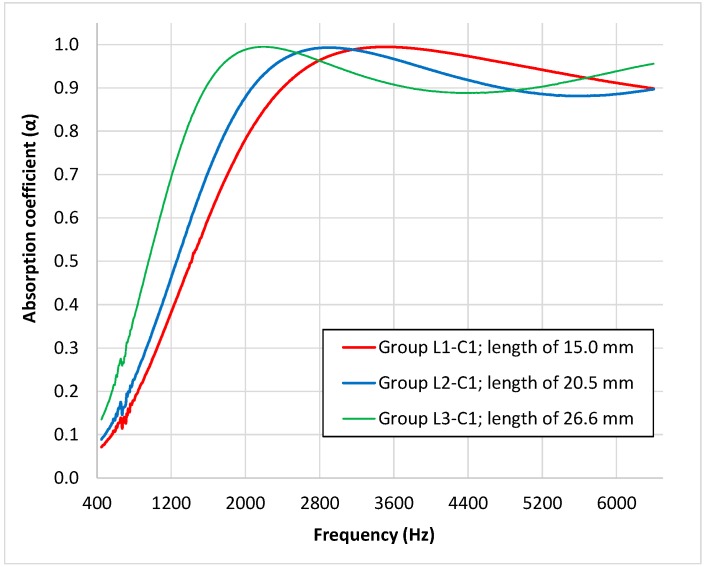
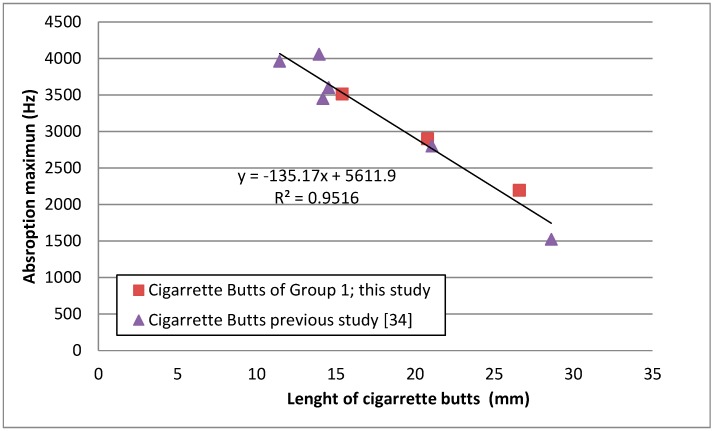
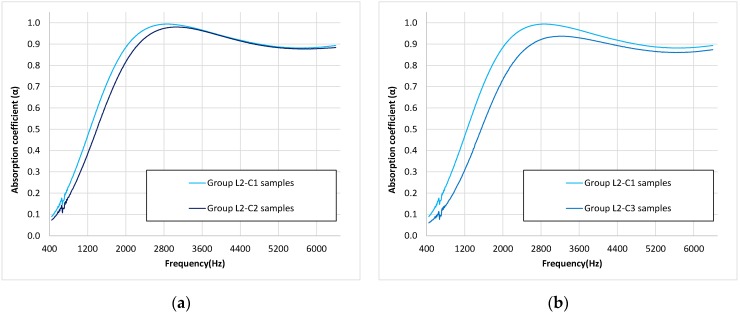
There has been increasing interest in new sustainable materials that can be used as construction materials. Among them, sound-absorbing materials have an important role in both acoustical room conditioning and in room insulation. As a proposal for recycling, one of the most common residues in the world, cigarette butts, is studied. Samples were prepared with used cigarette butts as acoustical absorbent materials. Several samples were prepared and grouped by similarity. Variability analyses of the samples prepared in each group were performed. Moreover, the analysis of some possible influences on absorption properties, such as the length of butts, presence of burnt regions, presence of wrapping paper, etc., were analyzed. The results show the potentiality of this residue to be used as an acoustical absorbent since the absorption coefficients found are greater than 0.8 for frequencies over 2000 Hz. The observed variability in the study group and samples can be considered low, as it was below 2% for the major part of frequencies. Influences on the absorption coefficient, for both the length and status of the butts, were statistically confirmed.
人们对可作为建筑材料的新型可持续材料越来越感兴趣。其中,吸声材料在声学房间调节和房间隔音方面都起着重要作用。作为一种回收利用的提议,研究了世界上最常见的残留物之一——烟头。用用过的烟头作为吸声材料制备了样品。制备了几个样品,并按相似性进行分组。对每组制备的样品进行了变异性分析。此外,还分析了一些对吸收性能可能的影响,如烟头长度、烧焦区域的存在、包装纸的存在等。结果表明,这种残留物有潜力用作吸声材料,因为在2000Hz以上频率下测得的吸收系数大于0.8。研究组和样品中观察到的变异性可被认为较低,因为在大部分频率下均低于2%。烟头的长度和状态对吸收系数的影响得到了统计学证实。