Emerg Infect Dis. 2019 Oct;25(10):1878-1883. doi: 10.3201/eid2510.190497. Epub 2019 Oct 17.
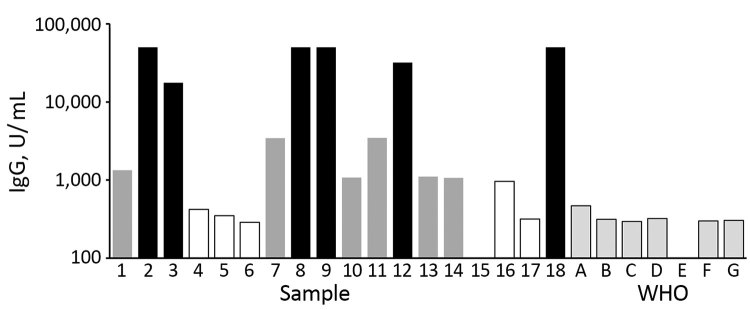
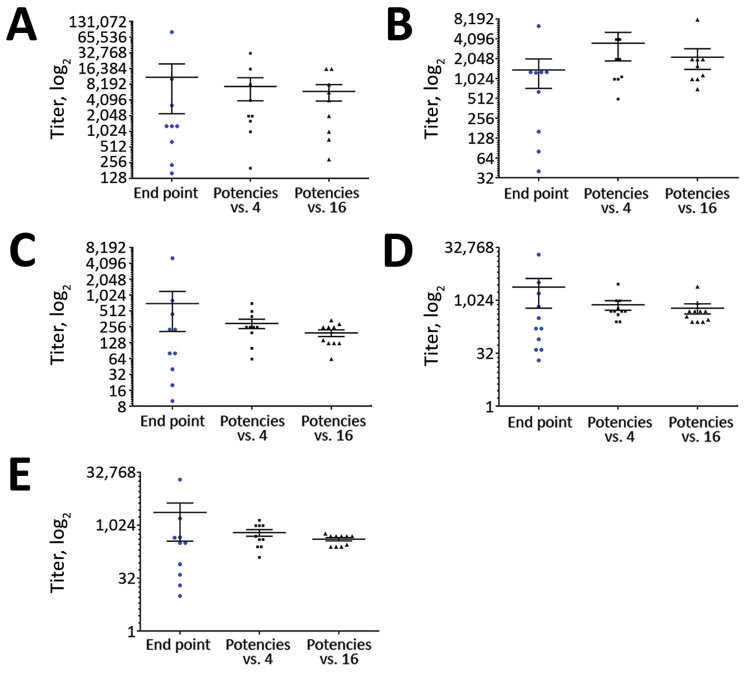
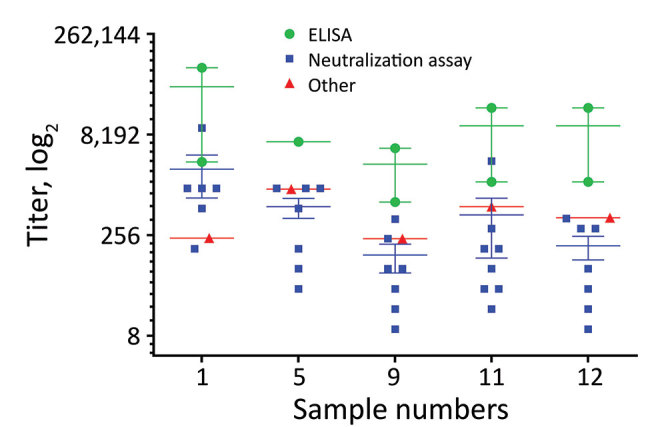
Middle East respiratory syndrome coronavirus (MERS-CoV) was detected in humans in 2012. Since then, sporadic outbreaks with primary transmission through dromedary camels to humans and outbreaks in healthcare settings have shown that MERS-CoV continues to pose a threat to human health. Several serologic assays for MERS-CoV have been developed globally. We describe a collaborative study to investigate the comparability of serologic assays for MERS-CoV and assess any benefit associated with the introduction of a standard reference reagent for MERS-CoV serology. Our study findings indicate that, when possible, laboratories should use a testing algorithm including >2 tests to ensure correct diagnosis of MERS-CoV. We also demonstrate that the use of a reference reagent greatly improves the agreement between assays, enabling more consistent and therefore more meaningful comparisons between results.
中东呼吸综合征冠状病毒(MERS-CoV)于 2012 年在人类中被检测到。自那时以来,通过单峰驼向人类的原发性传播以及医疗机构中的暴发表明,MERS-CoV 继续对人类健康构成威胁。全球已经开发了几种针对 MERS-CoV 的血清学检测方法。我们描述了一项合作研究,旨在调查 MERS-CoV 血清学检测方法的可比性,并评估引入 MERS-CoV 血清学标准参考试剂的任何益处。我们的研究结果表明,只要有可能,实验室应使用包括 >2 种测试的测试算法,以确保正确诊断 MERS-CoV。我们还证明,参考试剂的使用极大地提高了检测方法之间的一致性,从而使结果之间的比较更加一致和有意义。