Choi Seul-Ki, Kam Heejin, Kim Kye-Young, Park Suk In, Lee Yun-Sil
Graduate School of Pharmaceutical Sciences, College of Pharmacy, Ewha Womans University, Seoul 03760, Korea.
Cancers (Basel). 2019 Aug 16;11(8):1195. doi: 10.3390/cancers11081195.
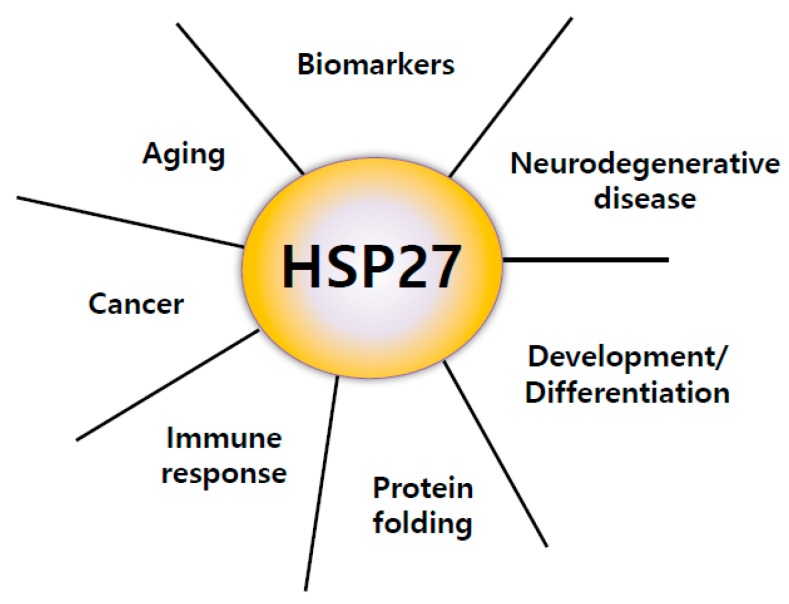
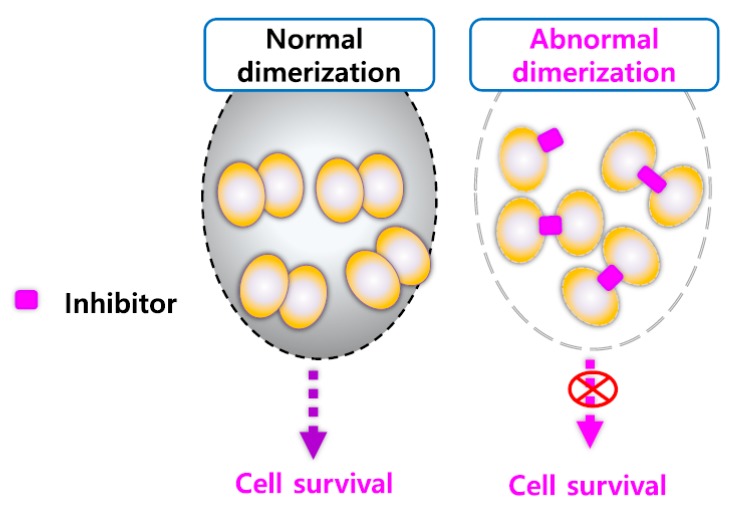
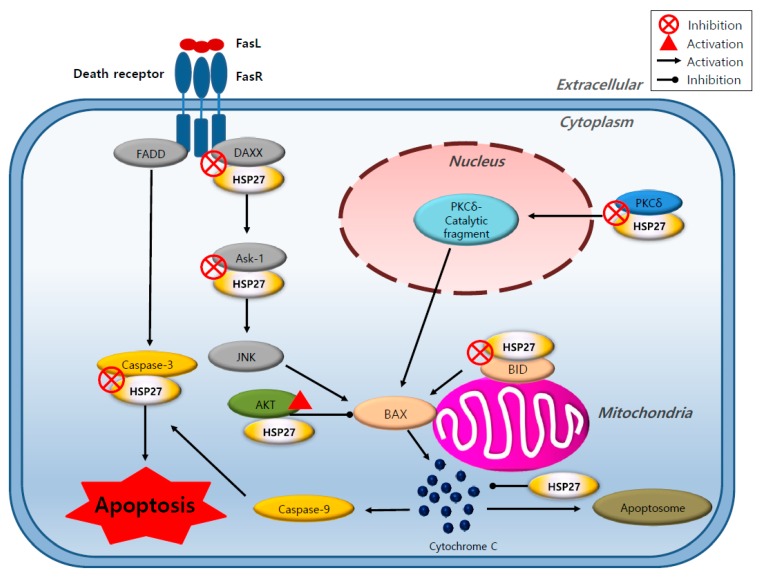
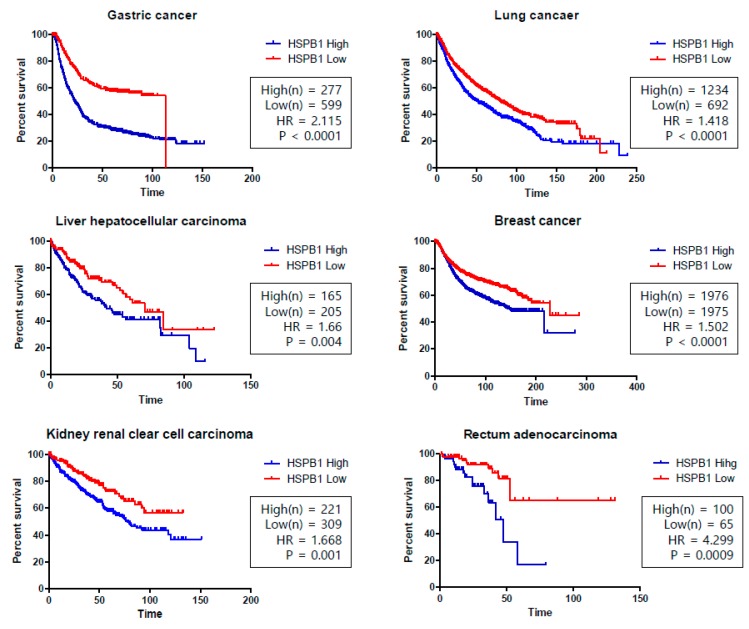
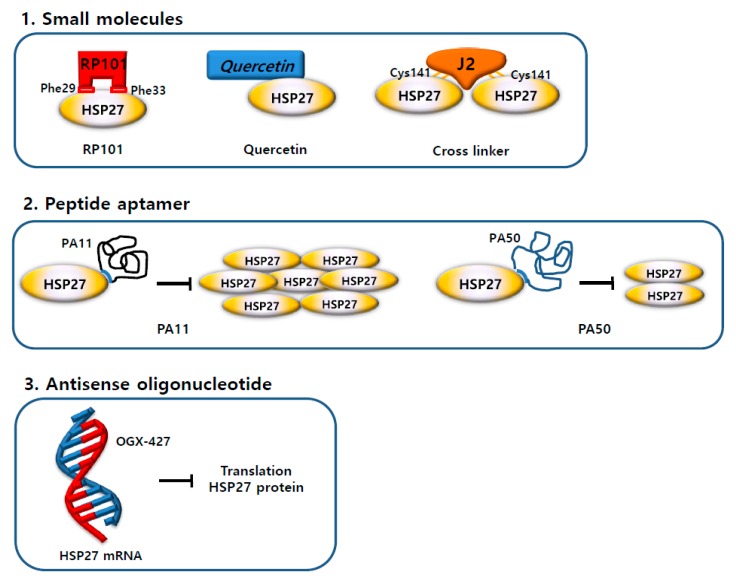
Heat shock protein 27 (HSP27), induced by heat shock, environmental, and pathophysiological stressors, is a multi-functional protein that acts as a protein chaperone and an antioxidant. HSP27 plays a significant role in the inhibition of apoptosis and actin cytoskeletal remodeling. HSP27 is upregulated in many cancers and is associated with a poor prognosis, as well as treatment resistance, whereby cells are protected from therapeutic agents that normally induce apoptosis. This review highlights the most recent findings and role of HSP27 in cancer, as well as the strategies for using HSP27 inhibitors for therapeutic purposes.
热休克蛋白27(HSP27)由热休克、环境和病理生理应激源诱导产生,是一种多功能蛋白,可作为蛋白质伴侣和抗氧化剂。HSP27在抑制细胞凋亡和肌动蛋白细胞骨架重塑中发挥重要作用。HSP27在许多癌症中上调,与预后不良以及治疗耐药性相关,借此细胞可免受通常诱导细胞凋亡的治疗药物的影响。本综述重点介绍了HSP27在癌症方面的最新研究结果和作用,以及将HSP27抑制剂用于治疗目的的策略。