Computational Biology Laboratory, Danish Cancer Society Research Center, Strandboulevarden 49, 2100, Copenhagen, Denmark.
Novo Nordisk Foundation Center for Protein Research, Faculty of Health and Medical Sciences, University of Copenhagen, Copenhagen, Denmark.
BMC Cancer. 2019 Aug 20;19(1):824. doi: 10.1186/s12885-019-5965-x.
Genomic initiatives such as The Cancer Genome Atlas (TCGA) contain data from -omics profiling of thousands of tumor samples, which may be used to decipher cancer signaling, and related alterations. Managing and analyzing data from large-scale projects, such as TCGA, is a demanding task. It is difficult to dissect the high complexity hidden in genomic data and to account for inter-tumor heterogeneity adequately.
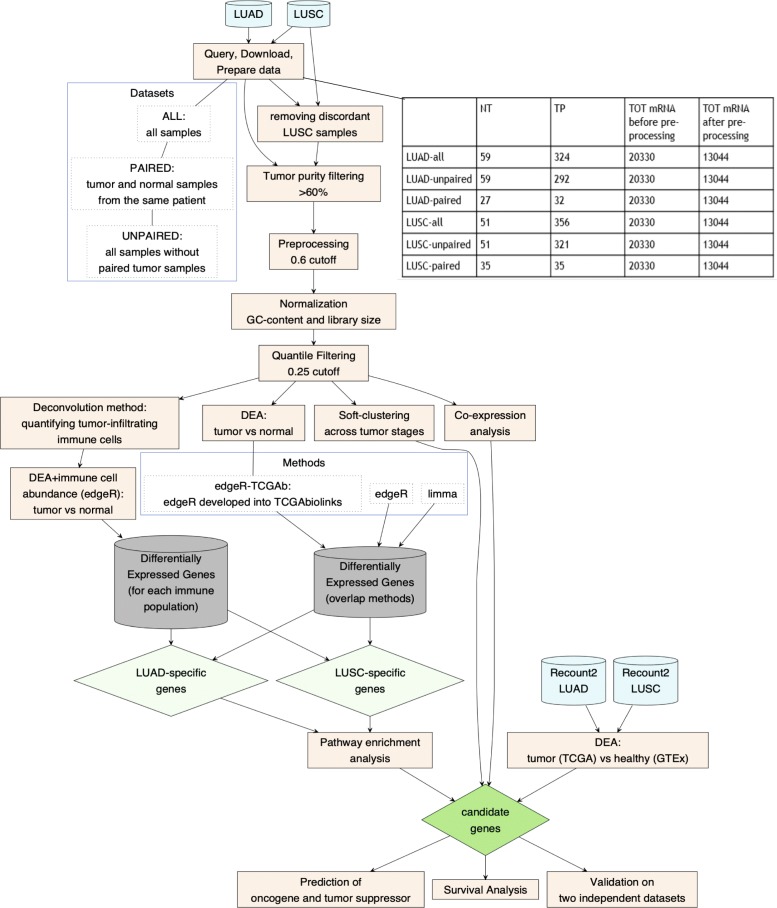
In this study, we used a robust statistical framework along with the integration of diverse bioinformatic tools to analyze next-generation sequencing data from more than 1000 patients from two different lung cancer subtypes, i.e., the lung adenocarcinoma (LUAD) and the squamous cell carcinoma (LUSC).
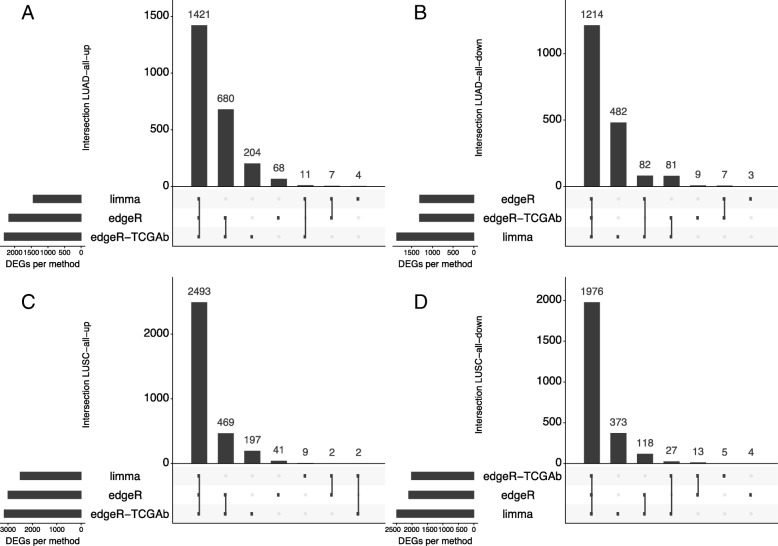
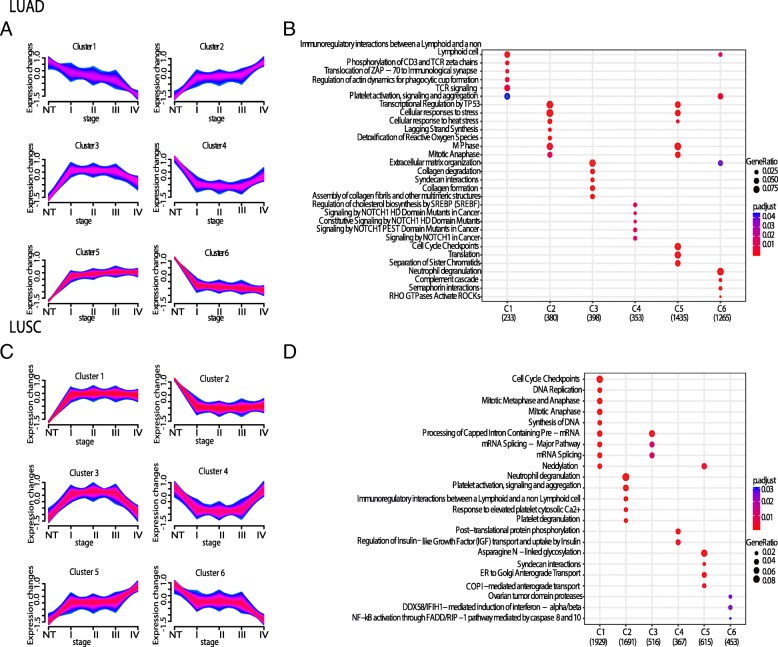
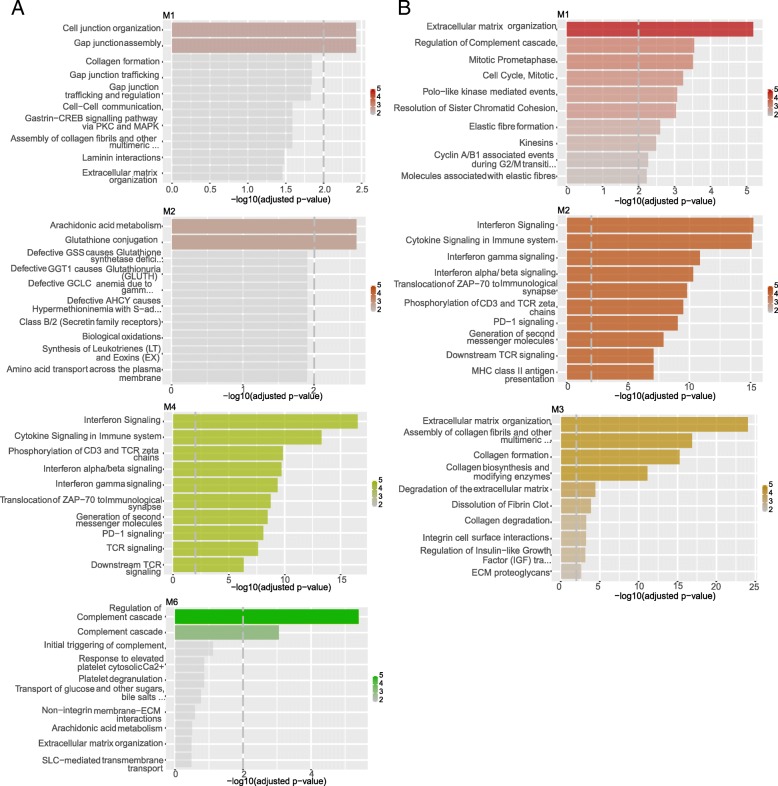
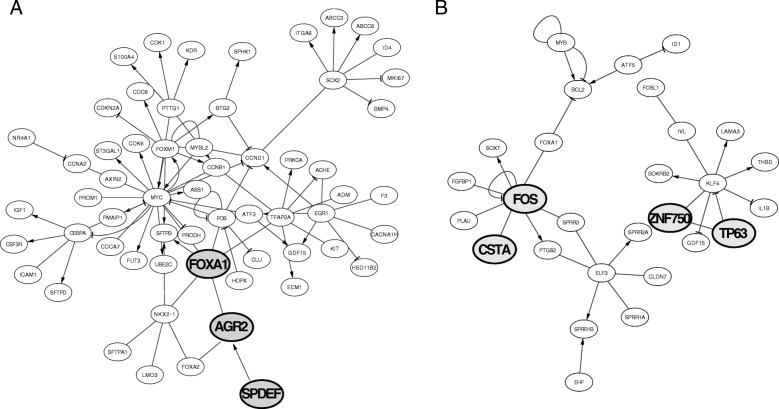
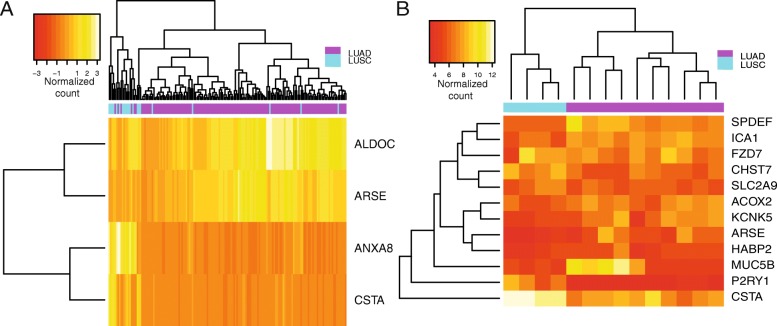
We used the gene expression data to identify co-expression modules and differentially expressed genes to discriminate between LUAD and LUSC. We identified a group of genes which could act as specific oncogenes or tumor suppressor genes in one of the two lung cancer types, along with two dual role genes. Our results have been validated against other transcriptomics data of lung cancer patients.
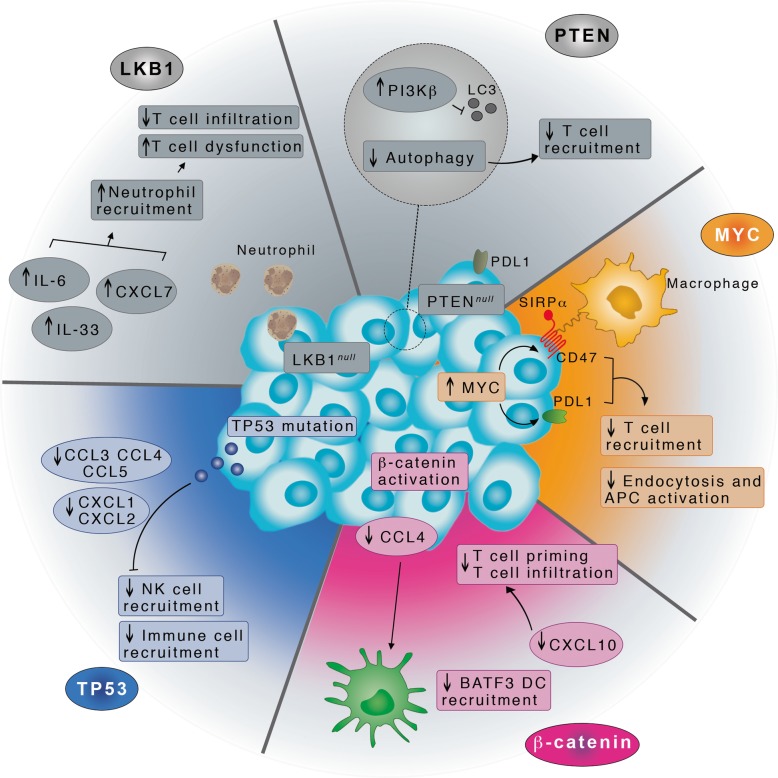
Our integrative approach allowed us to identify two key features: a substantial up-regulation of genes involved in O-glycosylation of mucins in LUAD, and a compromised immune response in LUSC. The immune-profile associated with LUSC might be linked to the activation of three oncogenic pathways, which promote the evasion of the antitumor immune response. Collectively, our results provide new future directions for the design of target therapies in lung cancer.
基因组学计划,如癌症基因组图谱(TCGA),包含了数千个肿瘤样本的组学分析数据,这些数据可用于解析癌症信号及相关改变。管理和分析 TCGA 等大规模项目的数据是一项艰巨的任务。很难解析基因组数据中隐藏的高复杂性,也很难充分考虑到肿瘤间的异质性。
在这项研究中,我们使用了强大的统计框架,并整合了多种生物信息学工具,来分析来自两种不同肺癌亚型(肺腺癌 [LUAD] 和鳞状细胞癌 [LUSC])的 1000 多名患者的下一代测序数据。
我们利用基因表达数据来识别共表达模块和差异表达基因,以区分 LUAD 和 LUSC。我们确定了一组基因,这些基因在两种肺癌类型中的一种中可能作为特定的癌基因或肿瘤抑制基因发挥作用,同时还有两个双重作用的基因。我们的结果已经与其他肺癌患者的转录组学数据进行了验证。
我们的综合方法使我们能够识别出两个关键特征:LUAD 中粘蛋白 O-糖基化相关基因的大量上调,以及 LUSC 中免疫反应受损。与 LUSC 相关的免疫特征可能与三种致癌途径的激活有关,这些途径促进了抗肿瘤免疫反应的逃避。总的来说,我们的研究结果为肺癌的靶向治疗设计提供了新的方向。