Shen Libing, Shi Qili, Wang Wenyuan
Interdisciplinary Research Center on Biology and Chemistry, Shanghai Institute of Organic Chemistry, Chinese Academy of Sciences, Shanghai, 200032, China.
Department of Rehabilitation Medicine, Hua Shan Hospital, Fudan University, Shanghai, 200040, China.
Oncogenesis. 2018 Mar 13;7(3):25. doi: 10.1038/s41389-018-0034-x.
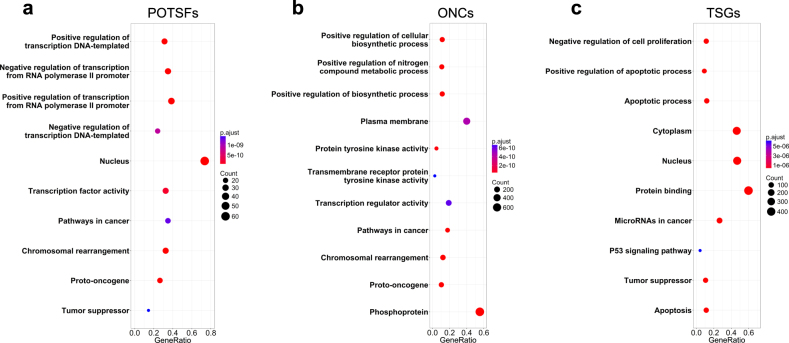
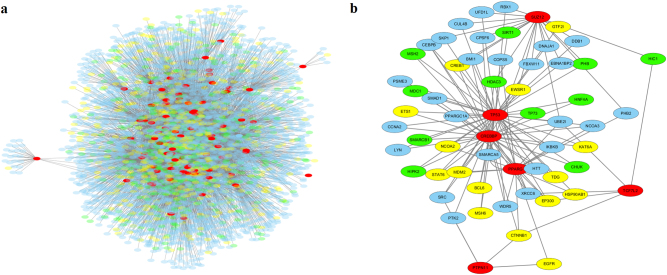
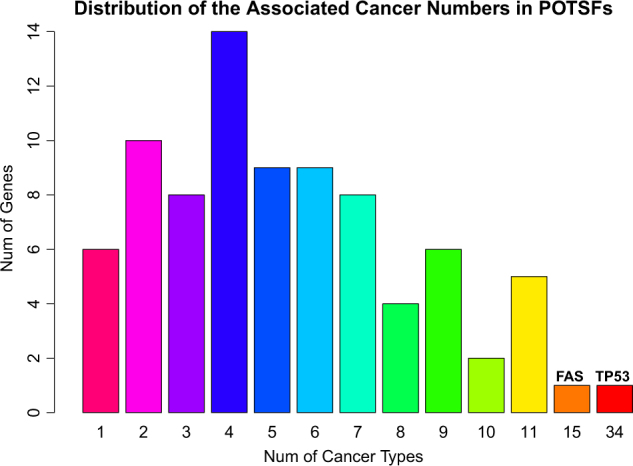
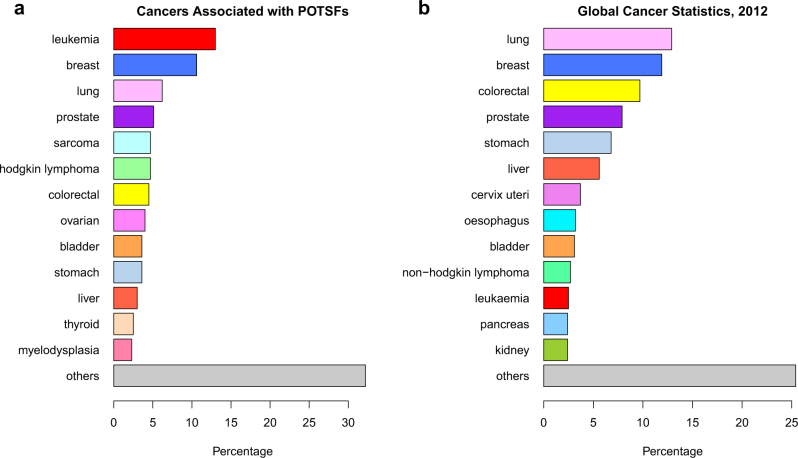
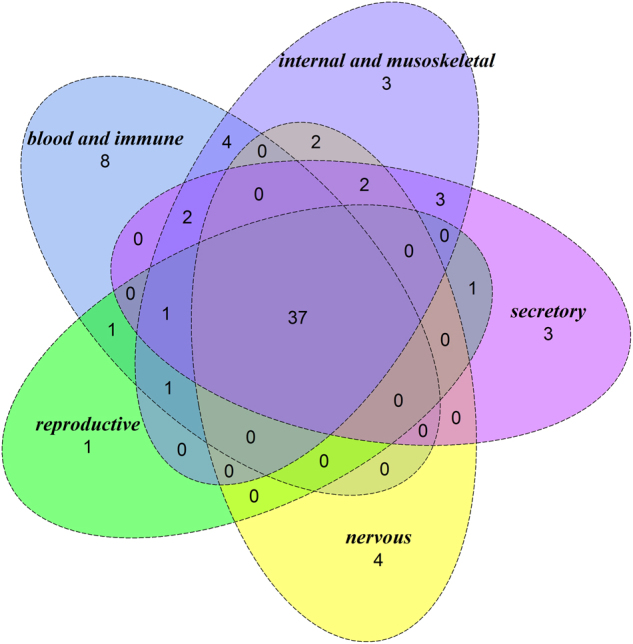
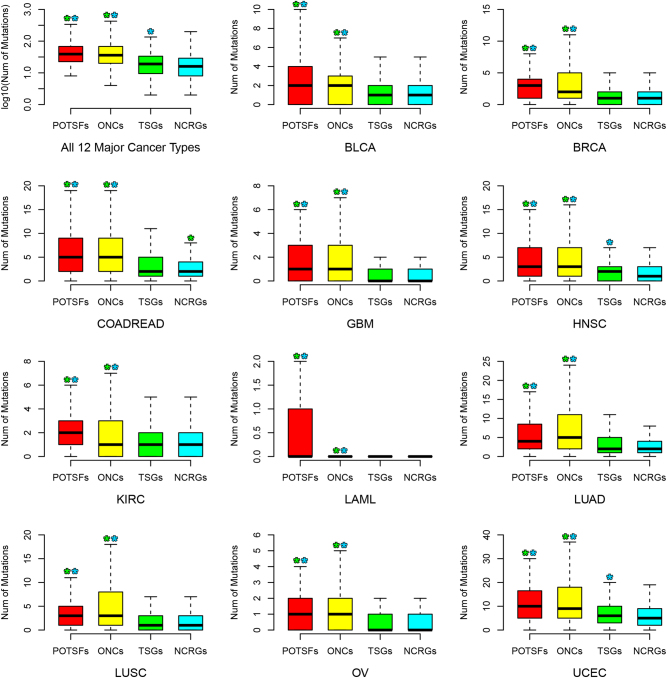
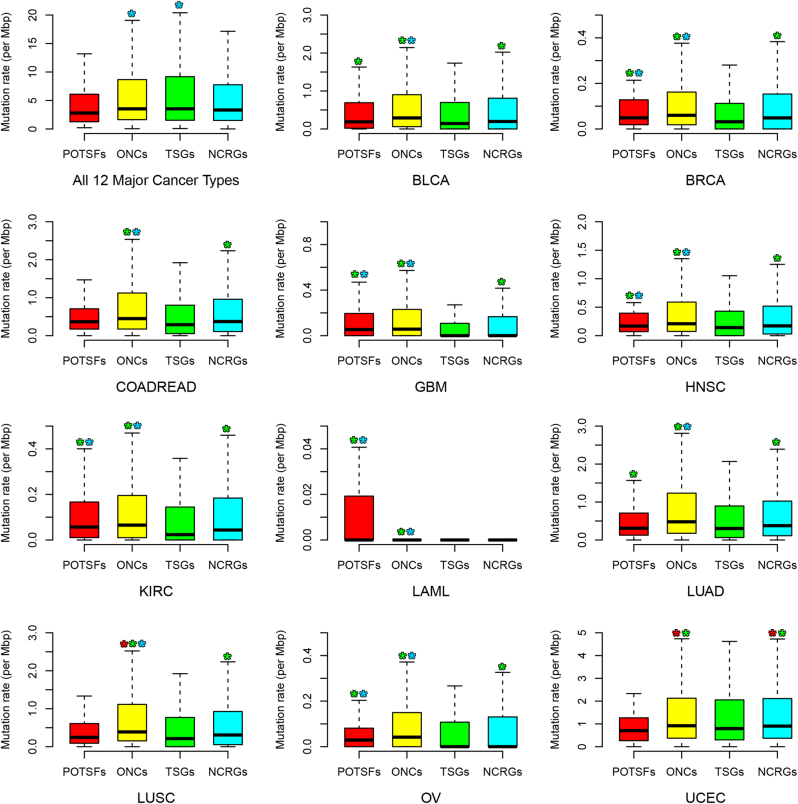
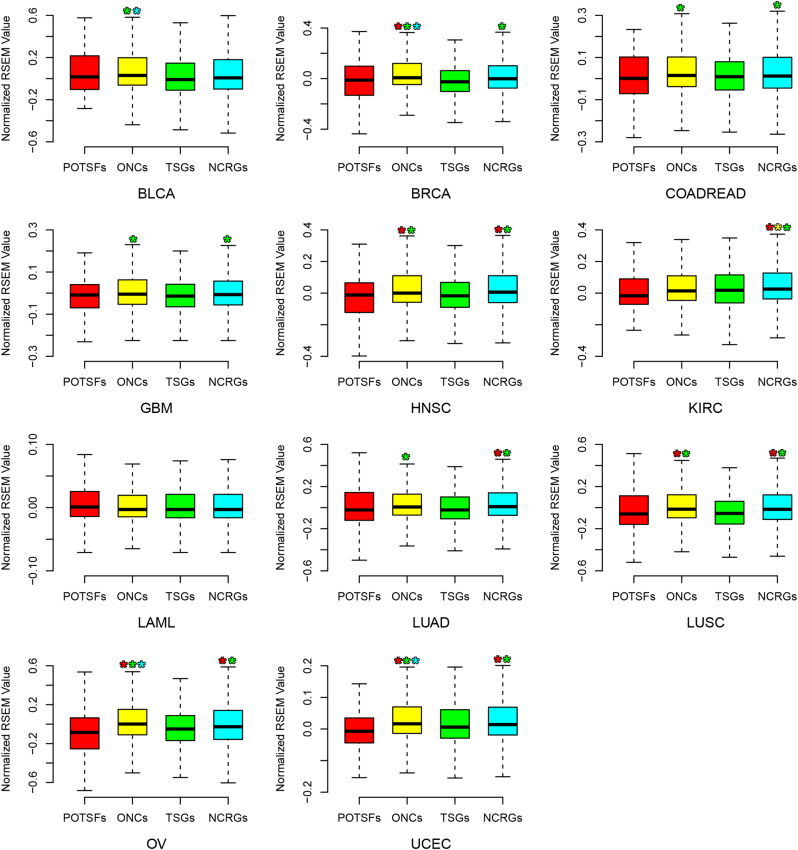
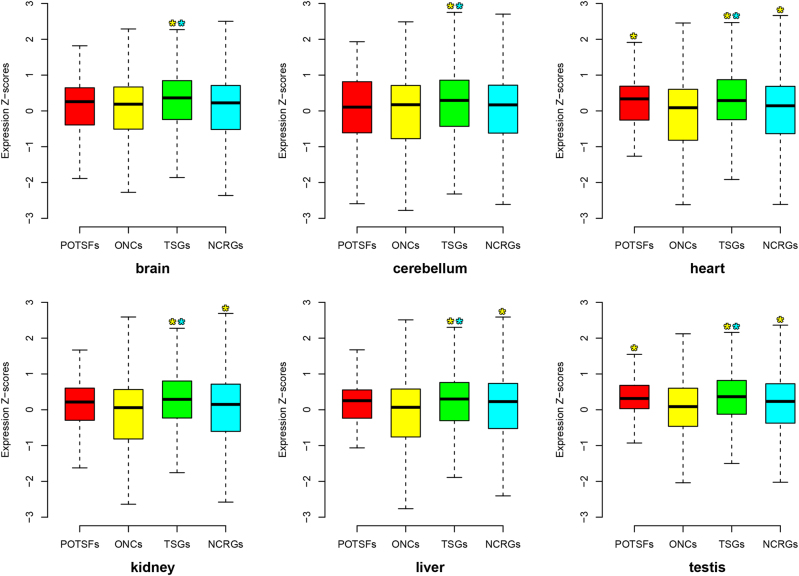
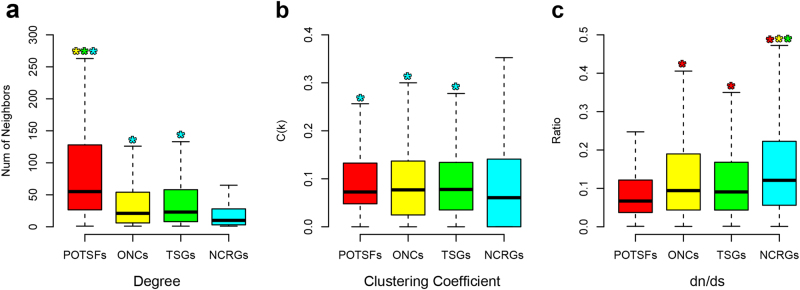
The role of genetic components in cancer development is an area of interest for cancer biologists in general. Intriguingly, some genes have both oncogenic and tumor-suppressor functions. In this study, we systematically identified these genes through database search and text mining. We find that most of them are transcription factors or kinases and exhibit dual biological functions, e.g., that they both positively and negatively regulate transcription in cells. Some cancer types such as leukemia are over-represented by them, whereas some common cancer types such as lung cancer are under-represented by them. Across 12 major cancer types, while their genomic mutation patterns are similar to that of oncogenes, their expression patterns are more similar to that of tumor-suppressor genes. Their expression profile in six human organs propose that they mainly function as tumor suppressor in normal tissue. Our network analyses further show they have higher network degrees than both oncogenes and tumor-suppressor genes and thus tend to be the hub genes in the protein-protein interaction network. Our mutation, expression spectrum, and network analyses might help explain why some cancer types are specifically associated with them. Finally, our results suggest that the functionally altering mutations in "double-agent" genes and oncogenes are the main driving force in cancer development, because non-silent mutations are biasedly distributed toward these two gene sets across all 12 major cancer types.
一般来说,遗传成分在癌症发展中的作用是癌症生物学家感兴趣的领域。有趣的是,一些基因同时具有致癌和肿瘤抑制功能。在本研究中,我们通过数据库搜索和文本挖掘系统地鉴定了这些基因。我们发现它们中的大多数是转录因子或激酶,并具有双重生物学功能,例如,它们在细胞中既能正向调节转录,也能负向调节转录。一些癌症类型,如白血病,它们在其中的占比过高,而一些常见癌症类型,如肺癌,它们在其中的占比过低。在12种主要癌症类型中,虽然它们的基因组突变模式与癌基因相似,但其表达模式与肿瘤抑制基因更相似。它们在六种人体器官中的表达谱表明,它们在正常组织中主要发挥肿瘤抑制作用。我们的网络分析进一步表明,它们在网络中的连接度高于癌基因和肿瘤抑制基因,因此往往是蛋白质-蛋白质相互作用网络中的枢纽基因。我们的突变、表达谱和网络分析可能有助于解释为什么某些癌症类型与它们有特定关联。最后,我们的结果表明,“双重作用”基因和癌基因中的功能改变突变是癌症发展的主要驱动力,因为在所有12种主要癌症类型中,非同义突变偏向于分布在这两组基因中。