Department of Microbiology, Blavatnik Institute, Harvard Medical School, Boston, Massachusetts, United States of America.
Department of Chemistry, Stanford University, Stanford, California, United States of America.
PLoS Genet. 2019 Aug 22;15(8):e1008284. doi: 10.1371/journal.pgen.1008284. eCollection 2019 Aug.
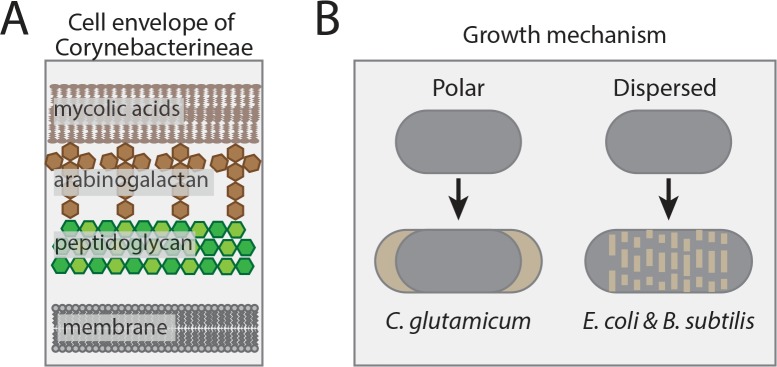
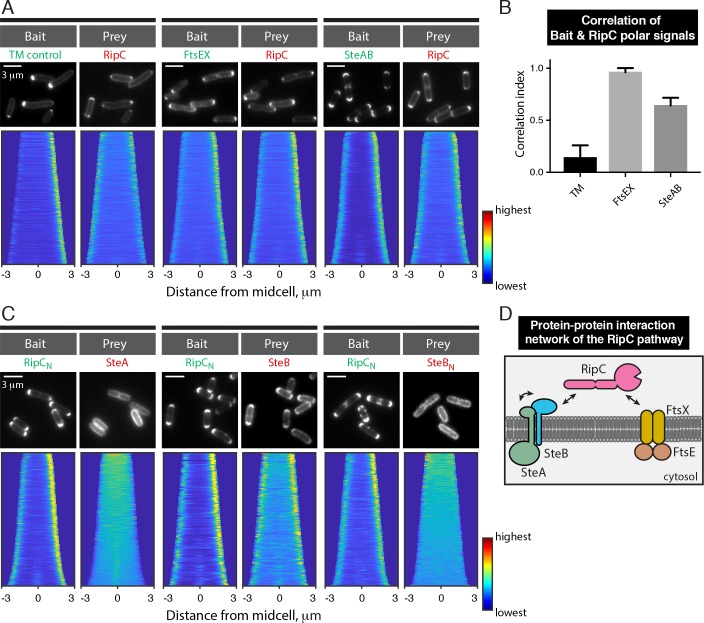
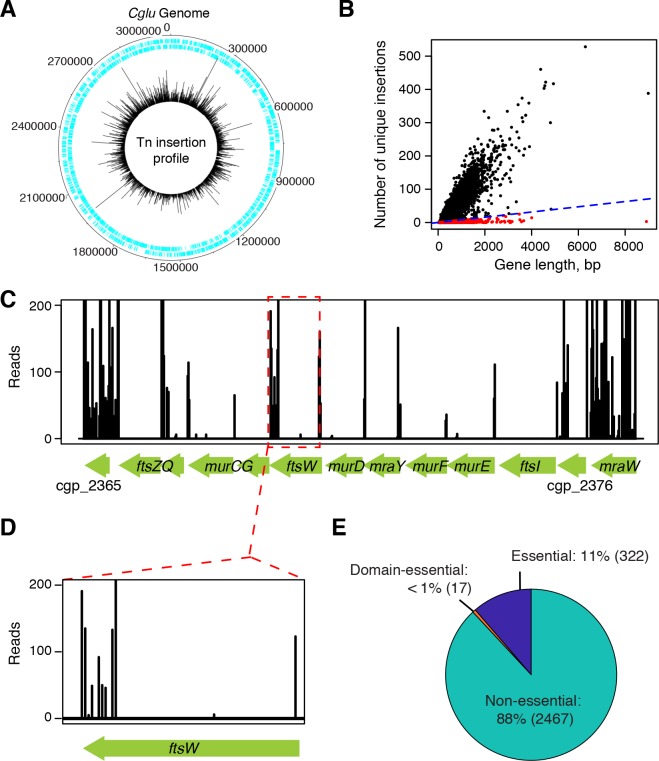
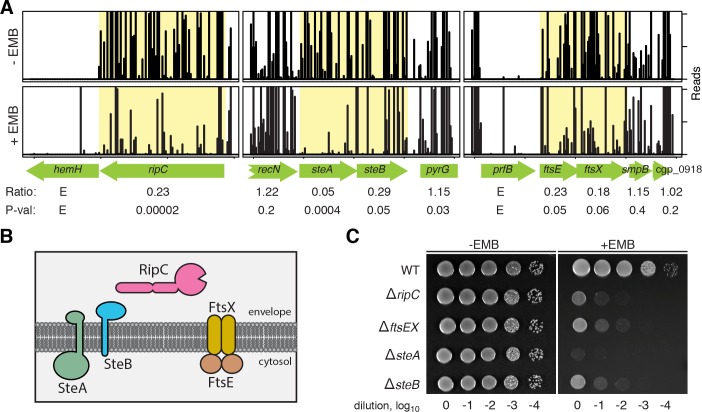
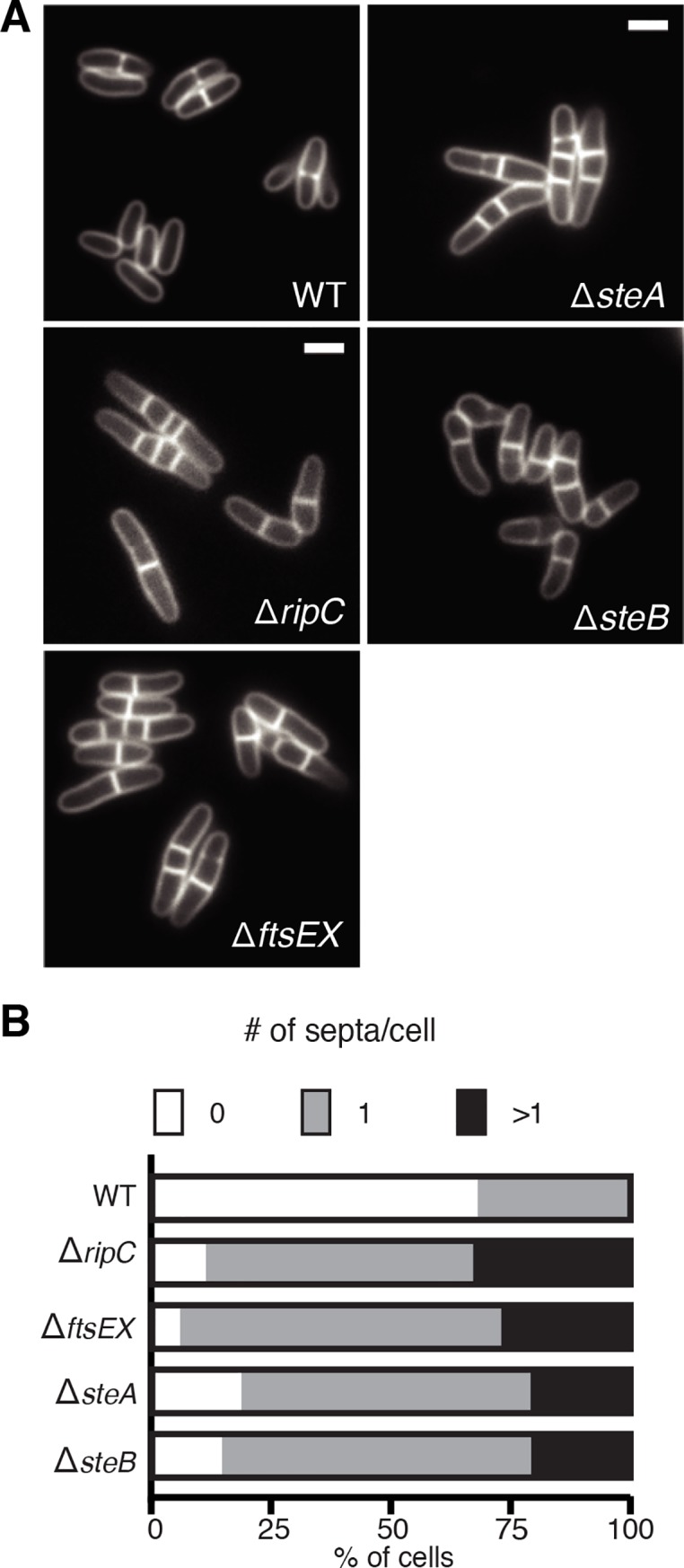
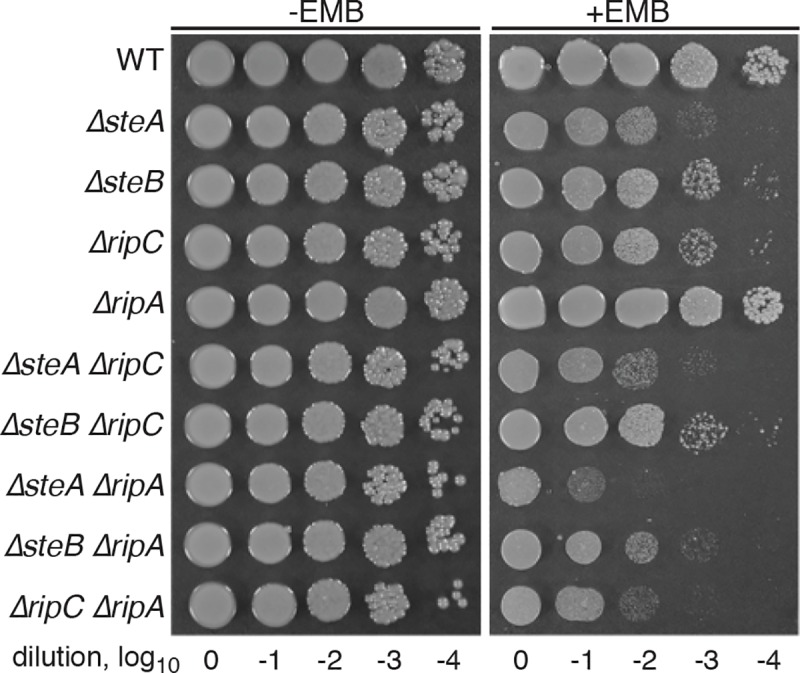
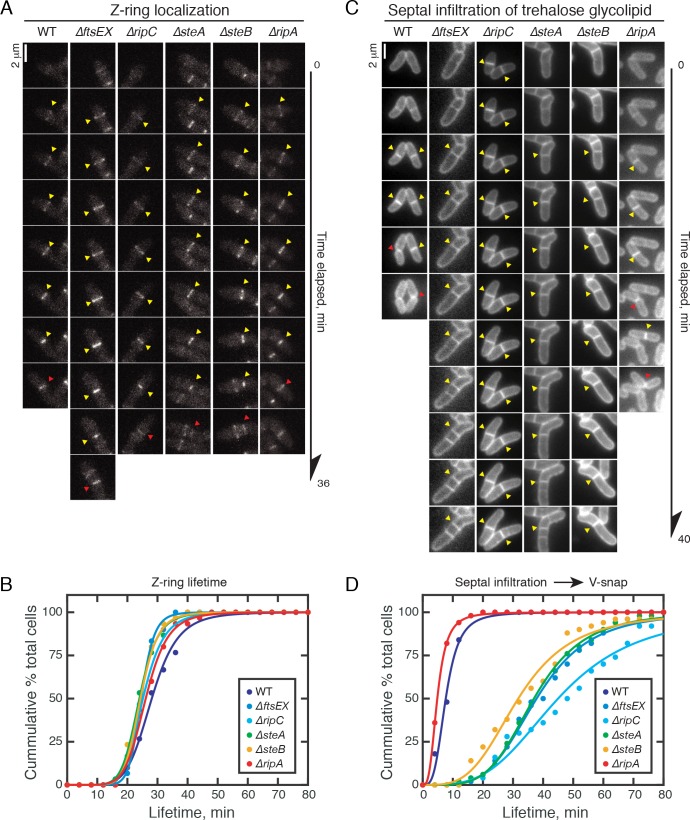
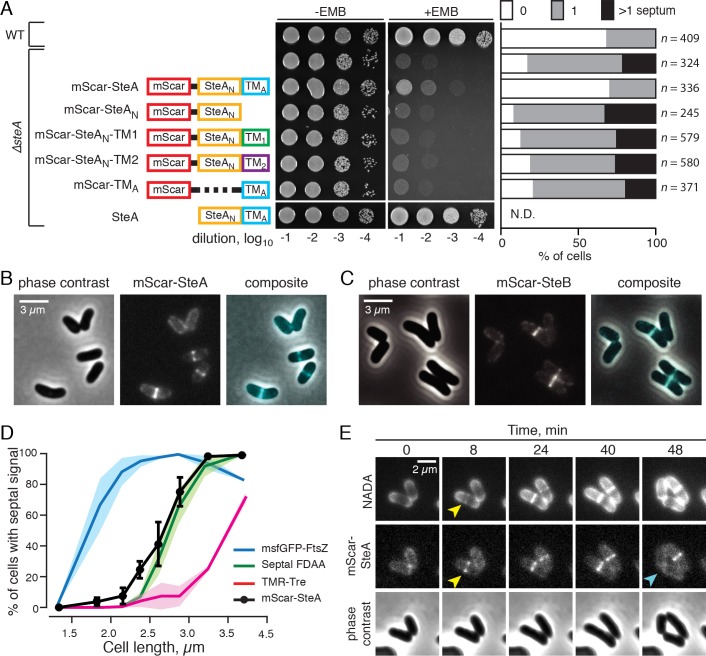
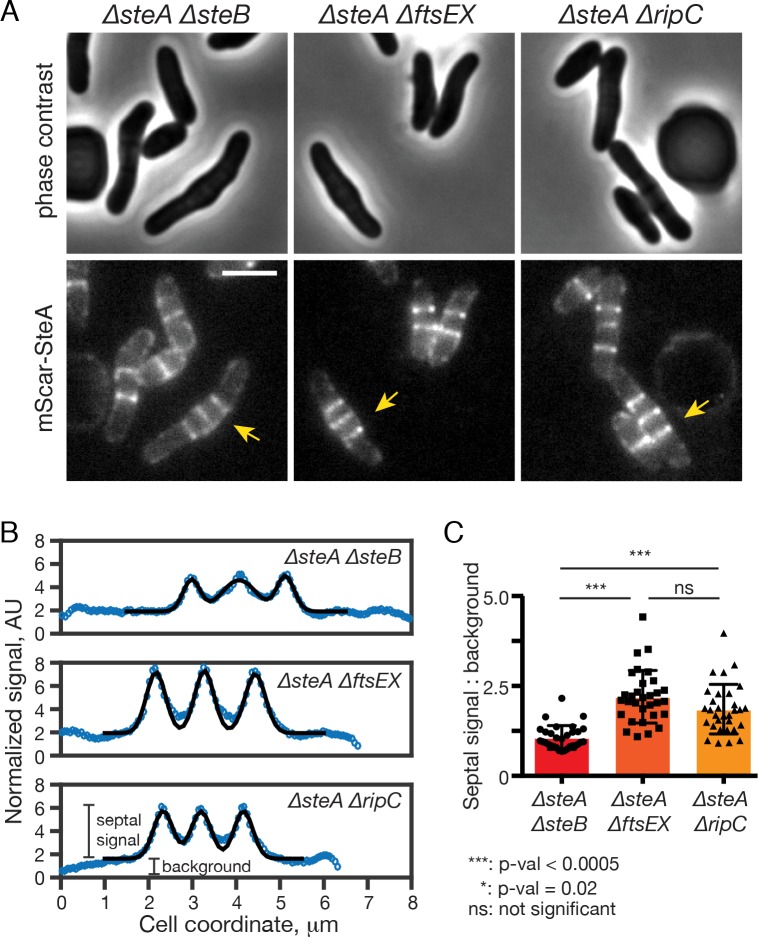
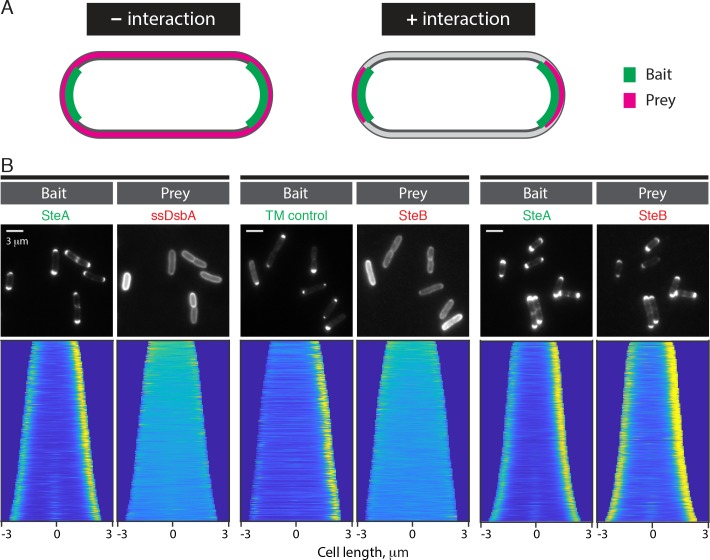
Several important human pathogens are represented in the Corynebacterineae suborder, including Mycobacterium tuberculosis and Corynebacterium diphtheriae. These bacteria are surrounded by a multilayered cell envelope composed of a cytoplasmic membrane, a peptidoglycan (PG) cell wall, a second polysaccharide layer called the arabinogalactan (AG), and finally an outer membrane-like layer made of mycolic acids. Several anti-tuberculosis drugs target the biogenesis of this complex envelope, but their efficacy is declining due to resistance. New therapies are therefore needed to treat diseases caused by these organisms, and a better understanding of the mechanisms of envelope assembly should aid in their discovery. To this end, we generated the first high-density library of transposon insertion mutants in the model organism C. glutamicum. Transposon-sequencing was then used to define its essential gene set and identify loci that, when inactivated, confer hypersensitivity to ethambutol (EMB), a drug that targets AG biogenesis. Among the EMBs loci were genes encoding RipC and the FtsEX complex, a PG cleaving enzyme required for proper cell division and its predicted regulator, respectively. Inactivation of the conserved steAB genes (cgp_1603-1604) was also found to confer EMB hypersensitivity and cell division defects. A combination of quantitative microscopy, mutational analysis, and interaction studies indicate that SteA and SteB form a complex that localizes to the cytokinetic ring to promote cell separation by RipC-FtsEX and may coordinate its PG remodeling activity with the biogenesis of other envelope layers during cell division.
棒杆菌亚目包含了几种重要的人类病原体,包括结核分枝杆菌和白喉棒状杆菌。这些细菌被一个多层细胞包膜所包围,该包膜由细胞质膜、肽聚糖(PG)细胞壁、第二层称为阿拉伯半乳聚糖(AG)的多糖层以及由类脂酸组成的外层膜样层组成。几种抗结核药物针对这种复杂包膜的生物发生进行靶向治疗,但由于耐药性,它们的疗效正在下降。因此,需要新的疗法来治疗这些生物体引起的疾病,并且更好地了解包膜组装的机制应该有助于它们的发现。为此,我们在模式生物谷氨酸棒杆菌中生成了第一个高密度转座子插入突变体文库。然后,使用转座子测序来定义其必需基因集,并鉴定出那些失活后对乙胺丁醇(EMB)敏感的基因座,EMB 是一种靶向 AG 生物发生的药物。在 EMB 基因座中,包括编码 RipC 和 FtsEX 复合物的基因,FtsEX 复合物是一种 PG 切割酶,对于正常细胞分裂及其预测的调节剂是必需的。失活保守的 steAB 基因(cgp_1603-1604)也被发现对 EMB 敏感和细胞分裂缺陷。定量显微镜、突变分析和相互作用研究的组合表明,SteA 和 SteB 形成一个复合物,定位于细胞分裂环,通过 RipC-FtsEX 促进细胞分离,并可能在细胞分裂过程中协调其 PG 重塑活性与其他包膜层的生物发生。