Addiction Biology Unit, Molecular Targets and Medication Discovery Branch, Intramural Research Program, National Institute on Drug Abuse, Baltimore, MD, 21224, USA.
Addiction Biology Unit, Molecular Targets and Medication Discovery Branch, Intramural Research Program, National Institute on Drug Abuse, Baltimore, MD, 21224, USA.
Neuropharmacology. 2020 May 1;167:107740. doi: 10.1016/j.neuropharm.2019.107740. Epub 2019 Aug 19.
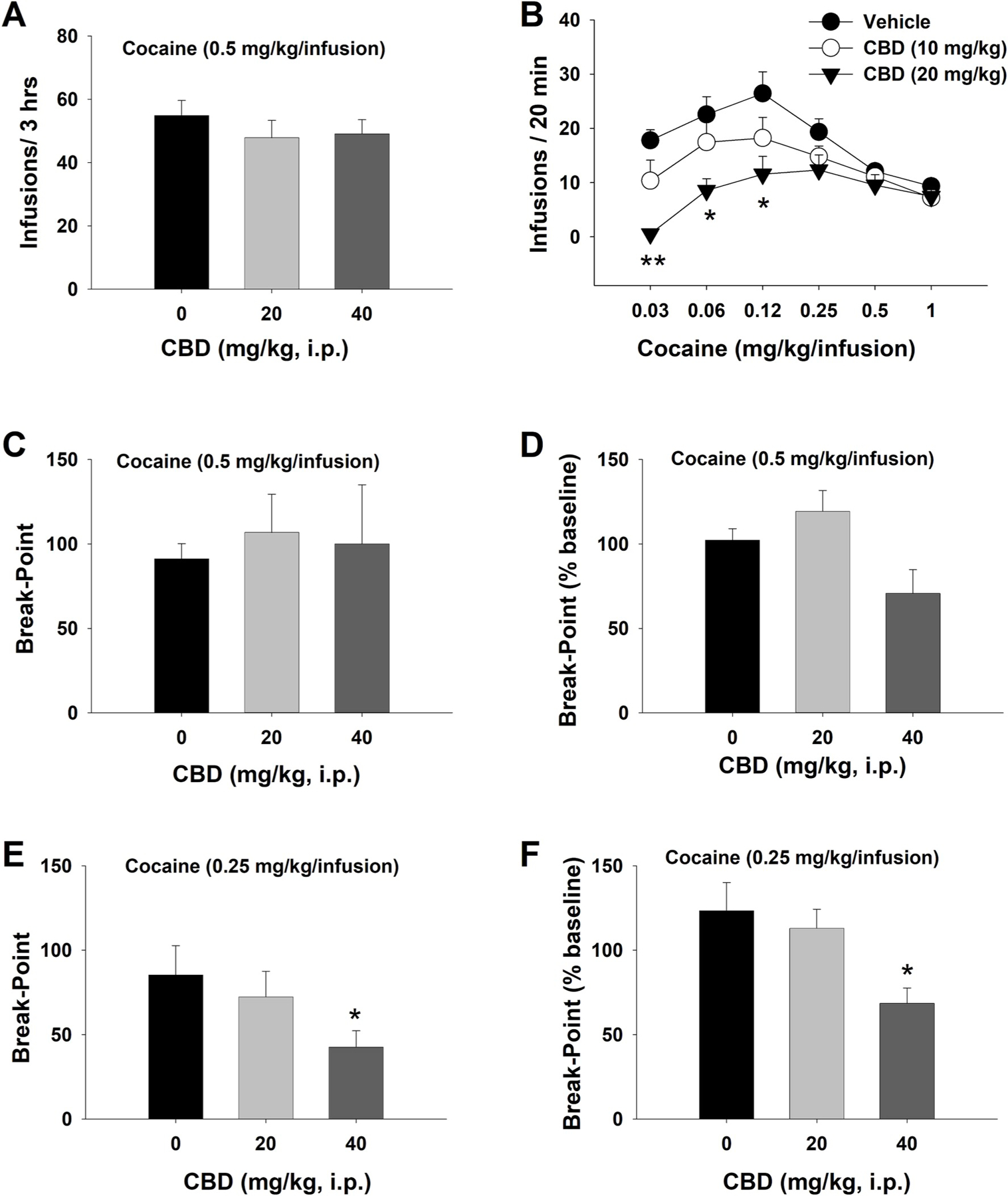
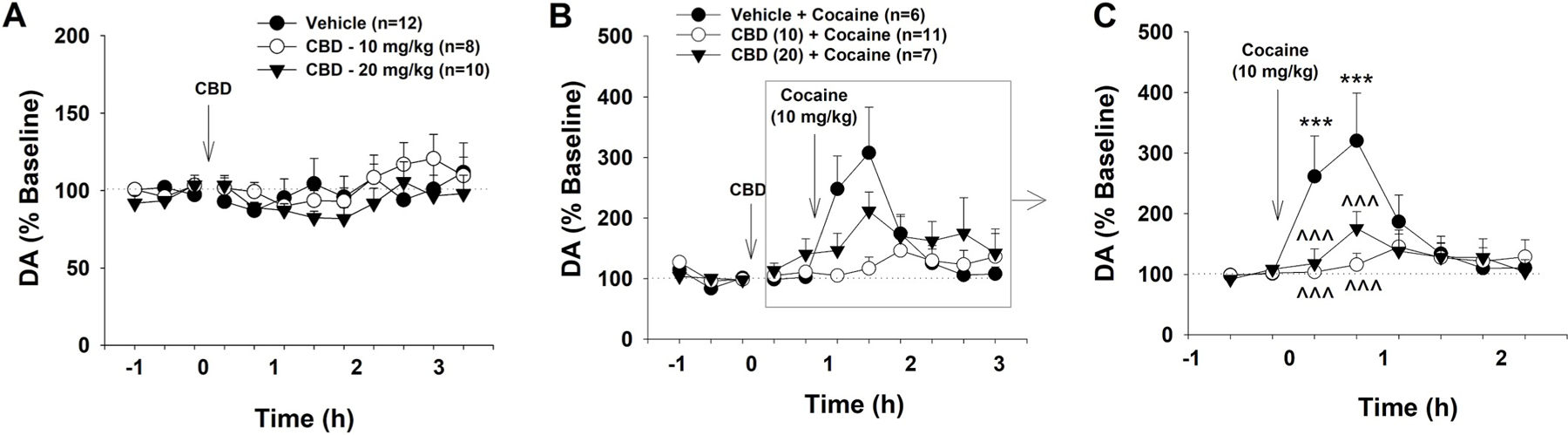
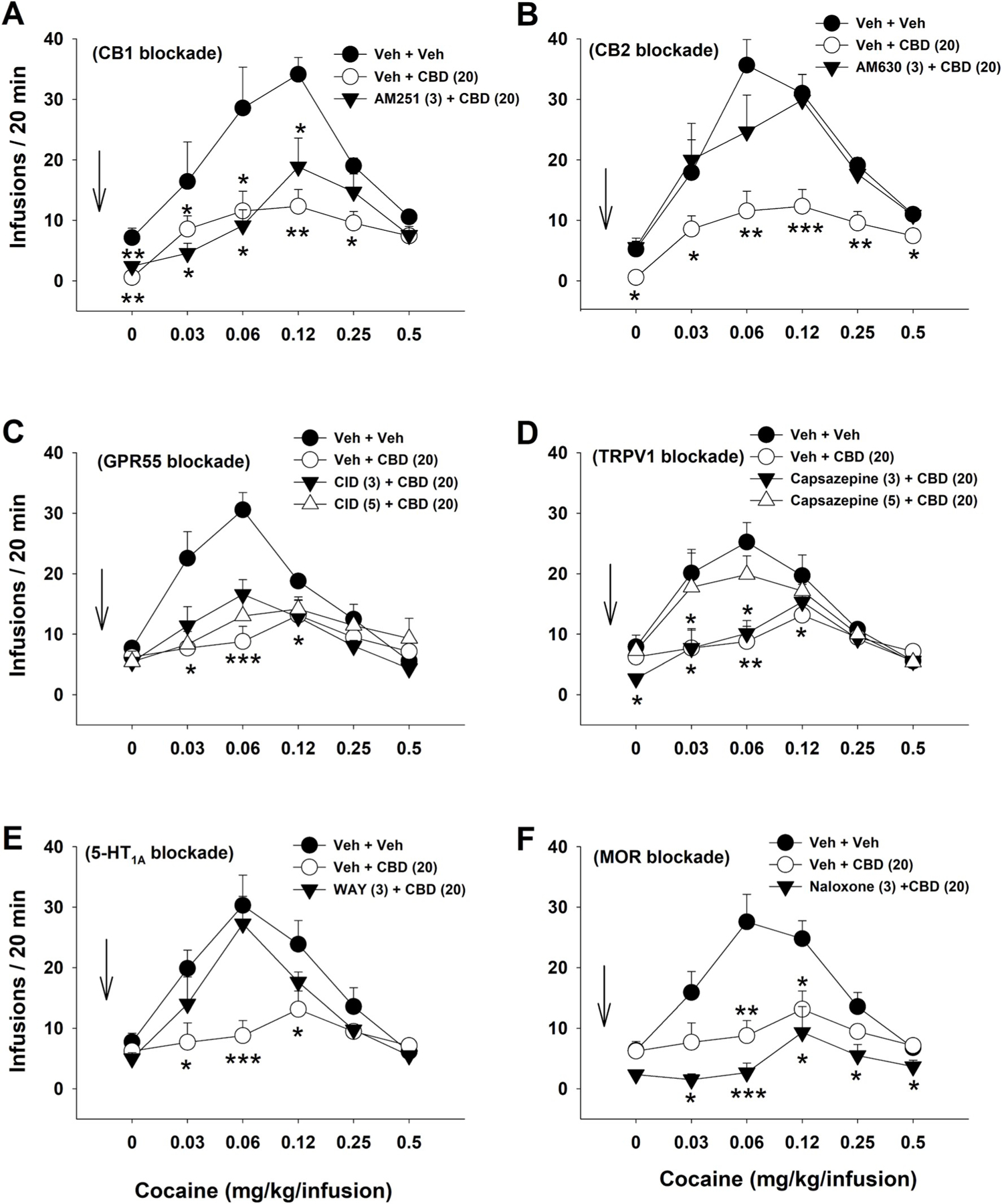
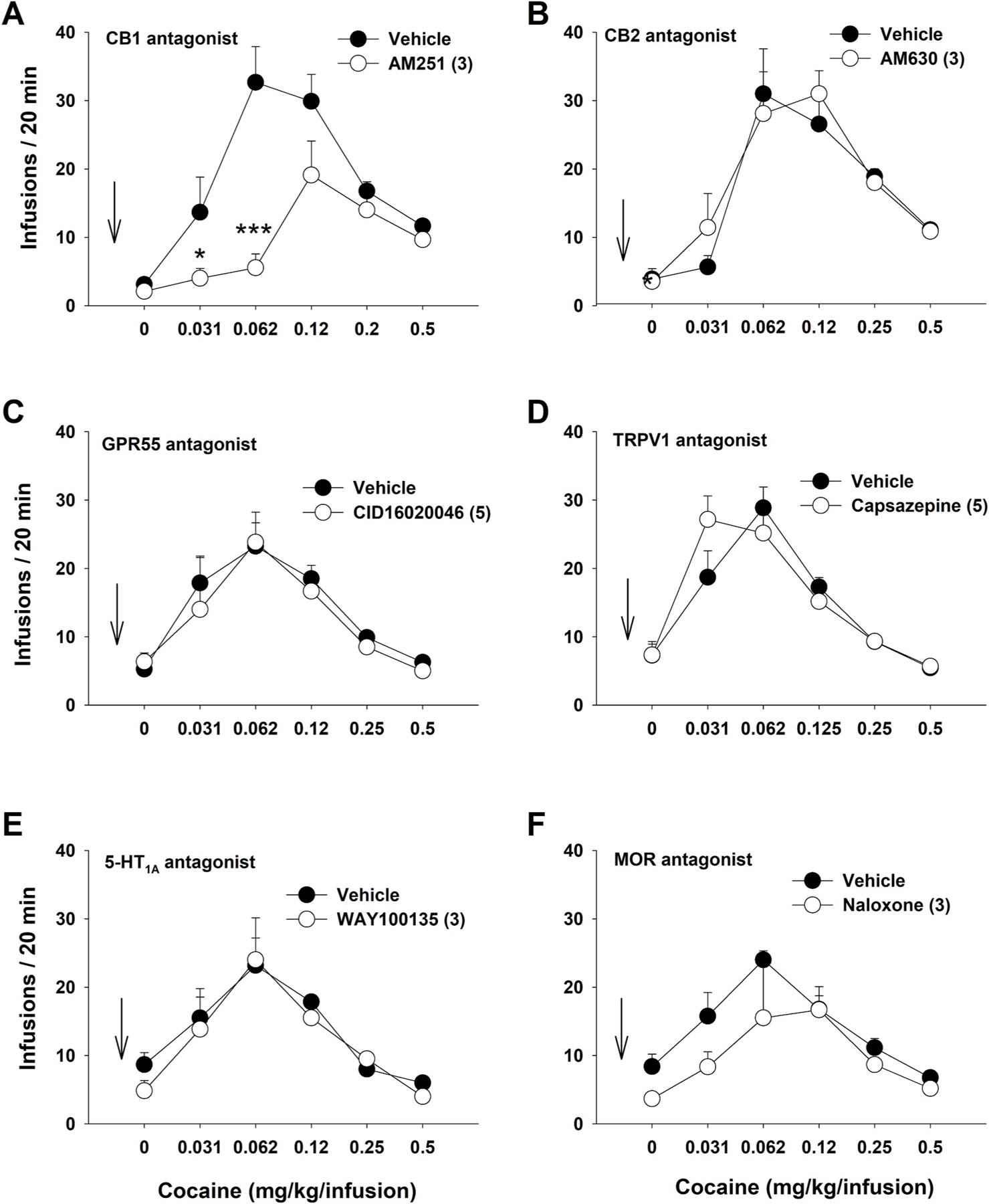
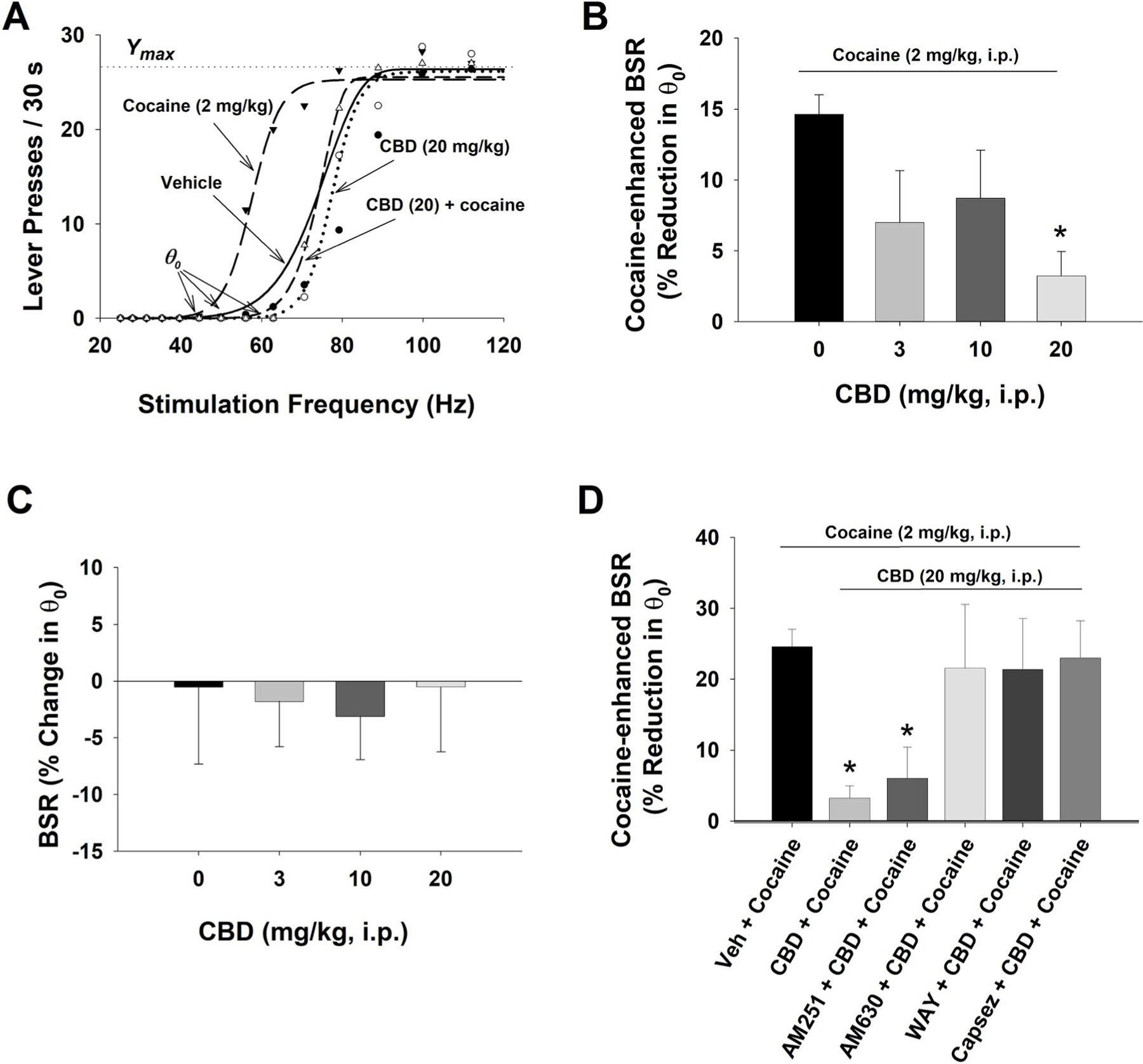
Cocaine abuse continues to be a serious health problem worldwide. Despite intense research there is currently no FDA-approved medication to treat cocaine use disorder. The recent search has been focused on agents targeting primarily the dopamine system, while limited success has been achieved at the clinical level. Cannabidiol (CBD) is a U.S. FDA-approved cannabinoid for the treatment of epilepsy and recently was reported to have therapeutic potential for other disorders. Here we systemically evaluated its potential utility for the treatment of cocaine use disorder and explored the underlying receptor mechanisms in experimental animals. Systemic administration (10-40 mg/kg) of CBD dose-dependently inhibited cocaine self-administration, shifted a cocaine dose-response curve downward, and lowered break-points for cocaine self-administration under a progressive-ratio schedule of reinforcement. CBD inhibited cocaine self-administration maintained by low, but not high, doses of cocaine. In addition, CBD (3-20 mg/kg) dose-dependently attenuated cocaine-enhanced brain-stimulation reward (BSR) in rats. Strikingly, this reduction in both cocaine self-administration and BSR was blocked by AM630 (a cannabinoid CB2 receptor antagonist), WAY100135 (a 5-HT receptor antagonist), or capsazepine (a TRPV1 channel blocker), but not by AM251 (a CB1 receptor antagonist), CID16020046 (a GPR55 antagonist), or naloxone (an opioid receptor antagonist), suggesting the involvement of CB2, 5-HT, and TRPV1 receptors in CBD action. In vivo microdialysis indicated that pretreatment with CBD (10-20 mg/kg) attenuated cocaine-induced increases in extracellular dopamine (DA) in the nucleus accumbens, while CBD alone failed to alter extracellular DA. These findings suggest that CBD may have certain therapeutic utility by blunting the acute rewarding effects of cocaine via a DA-dependent mechanism.
可卡因滥用仍然是全球范围内一个严重的健康问题。尽管进行了大量研究,但目前还没有获得美国食品和药物管理局 (FDA) 批准的药物来治疗可卡因使用障碍。最近的研究重点主要是针对多巴胺系统的药物,尽管在临床水平上取得了有限的成功。大麻二酚 (CBD) 是一种获得美国 FDA 批准的用于治疗癫痫的大麻素,最近有报道称其对其他疾病具有治疗潜力。在这里,我们系统地评估了它在治疗可卡因使用障碍方面的潜在用途,并在实验动物中探索了潜在的受体机制。系统给予 CBD(10-40mg/kg)剂量依赖性地抑制可卡因自我给药,向下移动可卡因剂量反应曲线,并降低强化递增比例方案下可卡因自我给药的断点。CBD 抑制可卡因自我给药,而不抑制低剂量可卡因维持的自我给药。此外,CBD(3-20mg/kg)剂量依赖性地减弱了可卡因增强的大脑刺激奖励 (BSR)。引人注目的是,这种可卡因自我给药和 BSR 的减少都被 AM630(一种大麻素 CB2 受体拮抗剂)、WAY100135(一种 5-HT 受体拮抗剂)或辣椒素(一种 TRPV1 通道阻滞剂)阻断,但被 AM251(一种 CB1 受体拮抗剂)、CID16020046(一种 GPR55 拮抗剂)或纳洛酮(一种阿片受体拮抗剂)阻断,表明 CB2、5-HT 和 TRPV1 受体参与了 CBD 的作用。体内微透析表明,CBD(10-20mg/kg)预处理可减弱可卡因诱导的伏隔核细胞外多巴胺 (DA) 的增加,而 CBD 本身不能改变细胞外 DA。这些发现表明,CBD 可能通过一种依赖多巴胺的机制削弱可卡因的急性奖赏作用,从而具有一定的治疗效用。