Faculty of Biology, Medicine and Health, University of Manchester, UK.
Department of Population Health Sciences and Bristol Veterinary School, Faculty of Health Sciences, University of Bristol, Bristol, BS8 2BN, UK.
Mol Metab. 2019 Oct;28:107-119. doi: 10.1016/j.molmet.2019.08.003. Epub 2019 Aug 5.
The impact of diabetes mellitus on the central nervous system is less widely studied than in the peripheral nervous system, but there is increasing evidence that it elevates the risk of developing cognitive deficits. The aim of this study was to characterize the impact of experimental diabetes on the proteome and metabolome of the hippocampus. We tested the hypothesis that the vitamin B6 isoform pyridoxamine is protective against functional and molecular changes in diabetes.
We tested recognition memory using the novel object recognition (NOR) test in streptozotocin (STZ)-induced diabetic, age-matched control, and pyridoxamine- or insulin-treated diabetic male Wistar rats. Comprehensive untargeted metabolomic and proteomic analyses, using gas chromatography-mass spectrometry and iTRAQ-enabled protein quantitation respectively, were utilized to characterize the molecular changes in the hippocampus in diabetes.
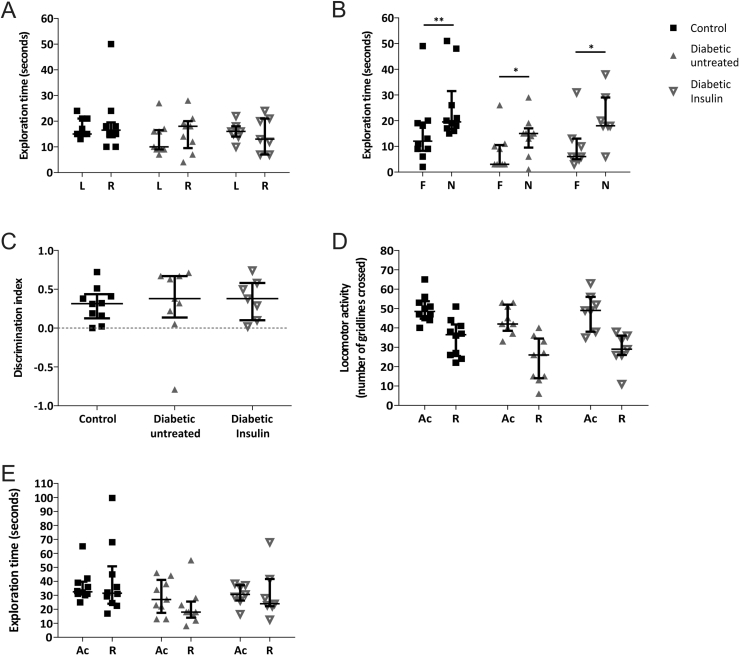
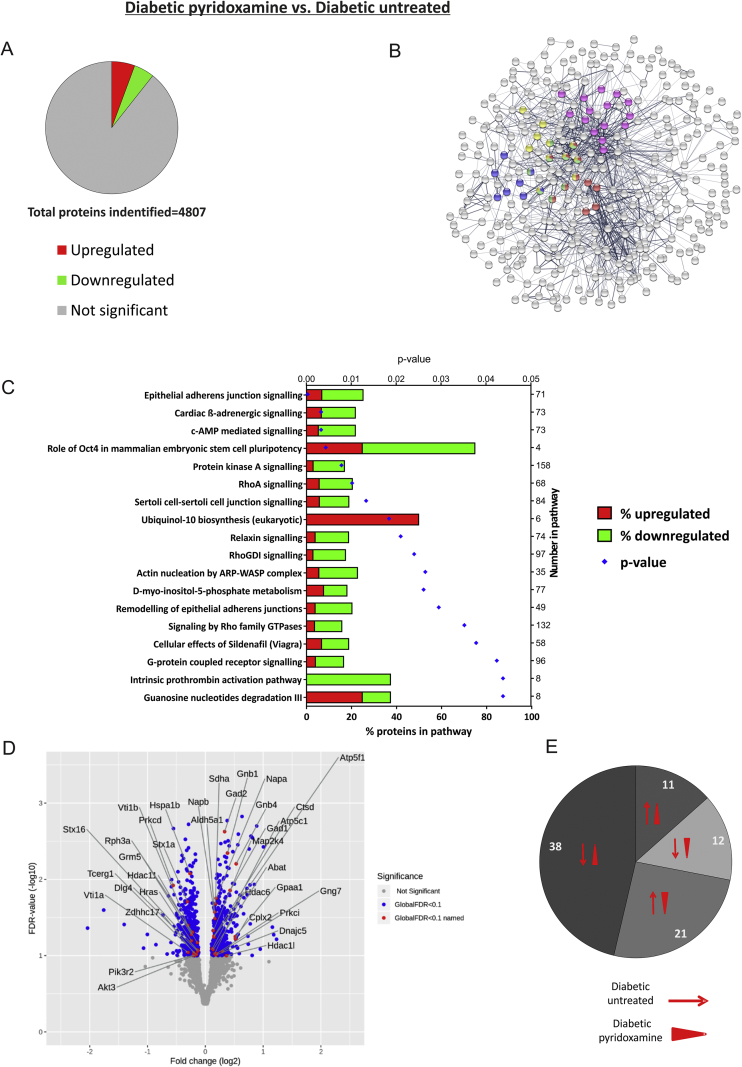
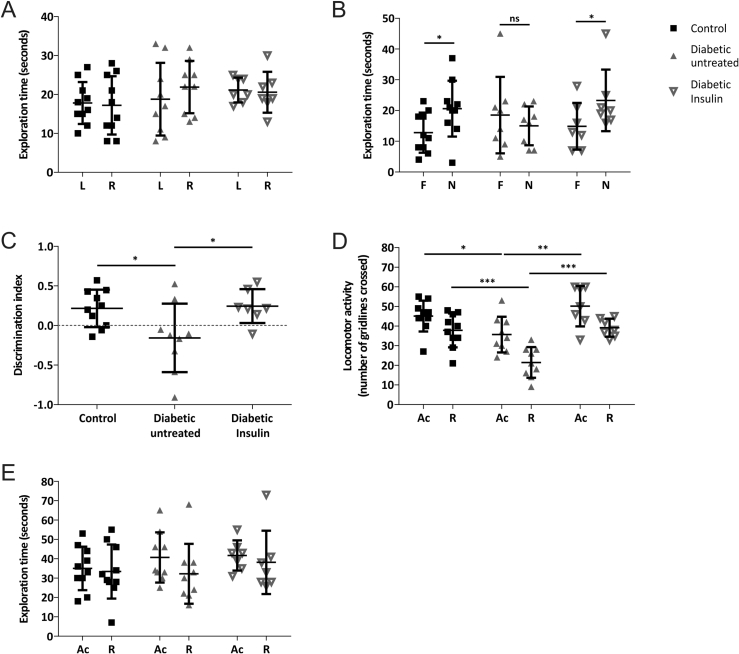
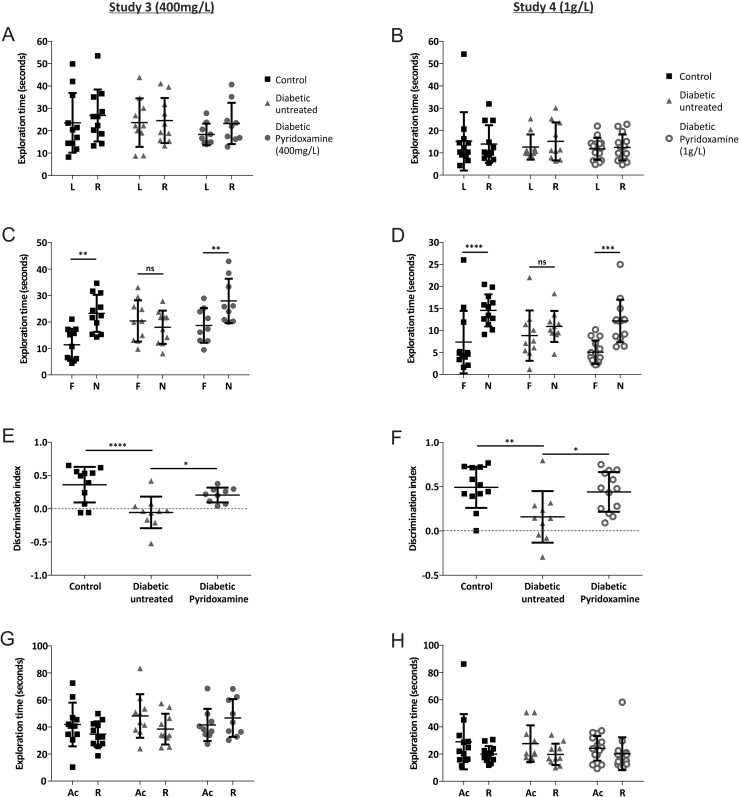
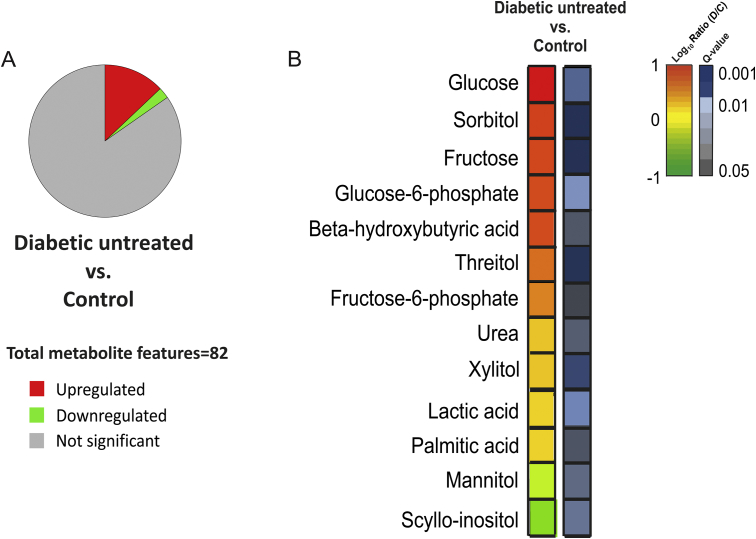
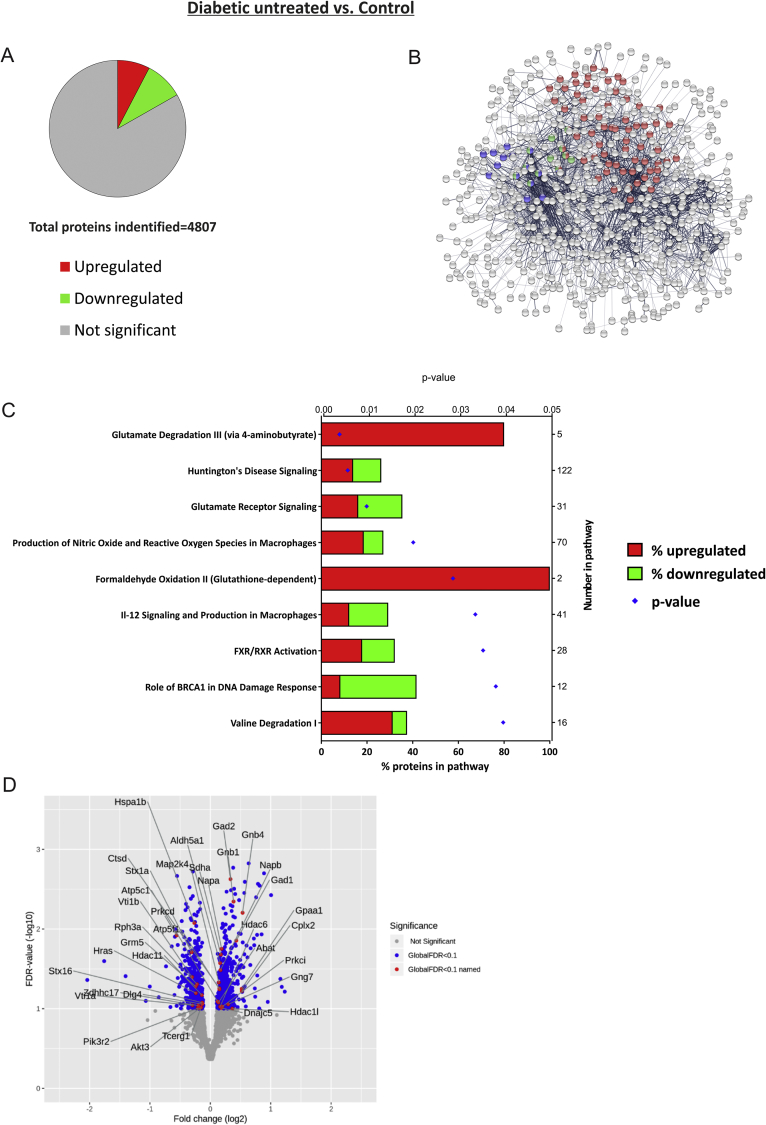
We demonstrated diabetes-specific, long-term (but not short-term) recognition memory impairment and that this deficit was prevented by insulin or pyridoxamine treatment. Metabolomic analysis showed diabetes-associated changes in 13/82 identified metabolites including polyol pathway intermediates glucose (9.2-fold), fructose (4.9-fold) and sorbitol (5.2-fold). We identified and quantified 4807 hippocampal proteins; 806 were significantly altered in diabetes. Pathway analysis revealed significant alterations in cytoskeletal components associated with synaptic plasticity, glutamatergic signaling, oxidative stress, DNA damage and FXR/RXR activation pathways in the diabetic rat hippocampus.
Our data indicate a protective effect of pyridoxamine against diabetes-induced cognitive deficits, and our comprehensive 'omics datasets provide insight into the pathogenesis of cognitive dysfunction enabling development of further mechanistic and therapeutic studies.
与外周神经系统相比,糖尿病对中枢神经系统的影响研究得还不够广泛,但越来越多的证据表明,它会增加认知功能障碍的风险。本研究的目的是描述实验性糖尿病对海马体蛋白质组和代谢组的影响。我们检验了这样一个假设,即维生素 B6 同工型吡哆醛具有抵抗糖尿病功能性和分子变化的作用。
我们使用新物体识别(NOR)测试来测试识别记忆,该测试在链脲佐菌素(STZ)诱导的糖尿病、年龄匹配的对照组、吡哆醛或胰岛素治疗的糖尿病雄性 Wistar 大鼠中进行。使用气相色谱-质谱联用和 iTRAQ 实现的蛋白质定量分别进行综合的非靶向代谢组学和蛋白质组学分析,以描述糖尿病中海马体的分子变化。
我们证明了糖尿病特有的、长期(而非短期)的识别记忆障碍,而这种缺陷可以通过胰岛素或吡哆醛治疗来预防。代谢组学分析显示,在 82 种鉴定出的代谢物中,有 13 种发生了糖尿病相关的变化,包括多元醇途径中间产物葡萄糖(9.2 倍)、果糖(4.9 倍)和山梨醇(5.2 倍)。我们鉴定并定量了 4807 种海马体蛋白质,其中 806 种在糖尿病中发生了显著变化。通路分析显示,糖尿病大鼠海马体中与突触可塑性、谷氨酸能信号、氧化应激、DNA 损伤和 FXR/RXR 激活途径相关的细胞骨架成分发生了显著改变。
我们的数据表明吡哆醛对糖尿病引起的认知功能障碍具有保护作用,我们全面的“组学”数据集提供了对认知功能障碍发病机制的深入了解,从而能够开展进一步的机制和治疗研究。