Beijing Neurosurgical Institute, Capital Medical University, Beijing, 100050, China.
Neuro-Oncology Branch, National Cancer Institute, National Institutes of Health, Bethesda, MD, 20852, USA.
J Transl Med. 2019 Aug 28;17(1):291. doi: 10.1186/s12967-019-2042-9.
Pituitary adenomas are common brain tumors. Although transsphenoidal surgery are able to achieve extensive tumor removal, the rate of recurrence ranges from 5 to 20% depending on the different subtype. Further understanding of these tumors is needed to develop novel strategies to improve the prognosis of patients. But their metabolic characteristics are largely unknown.
We used metabolomic, transcriptomic, and proteomic approaches to systematically investigate eight subtypes of pituitary adenomas and normal pituitary glands. By blocking IDH2, we investigate IDH2 play an inhibitory role in GH tumor cell growth and tumor secretion.
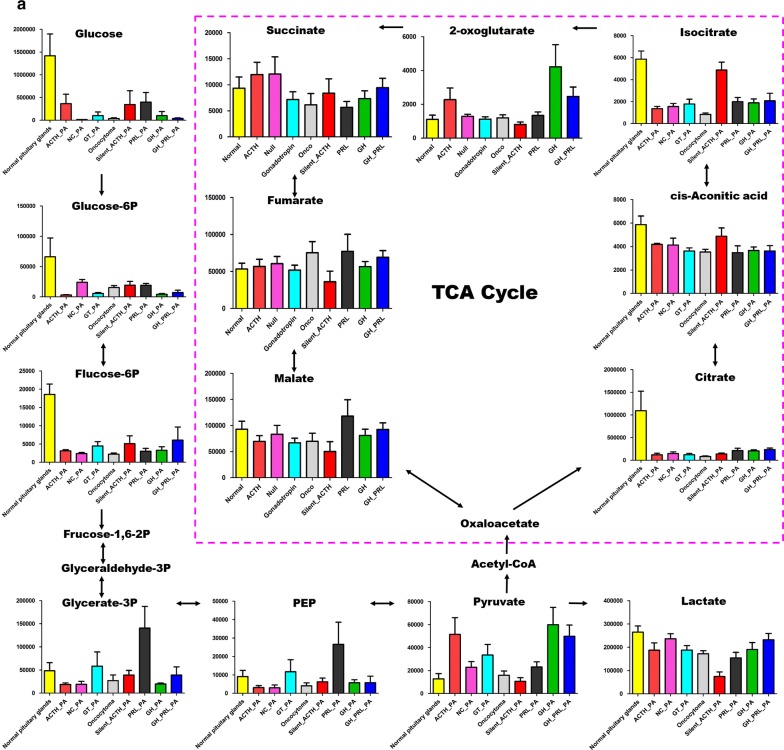
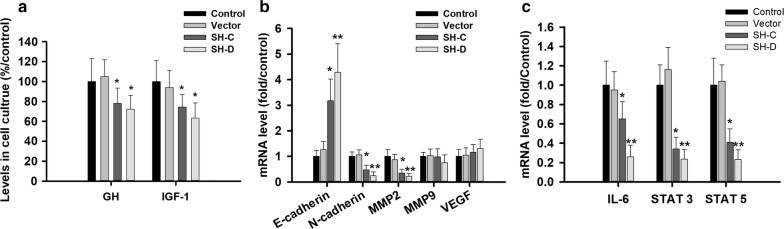
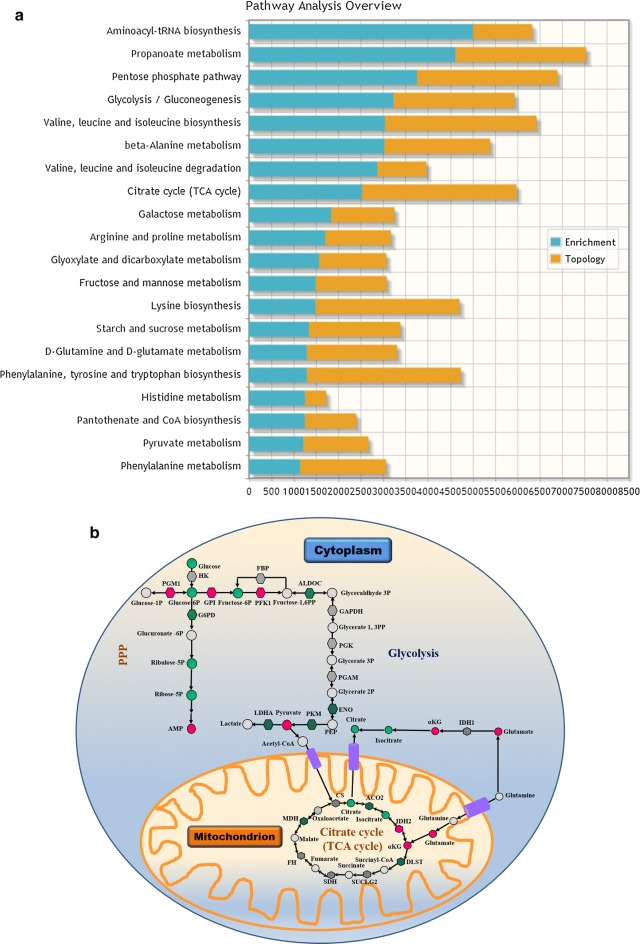
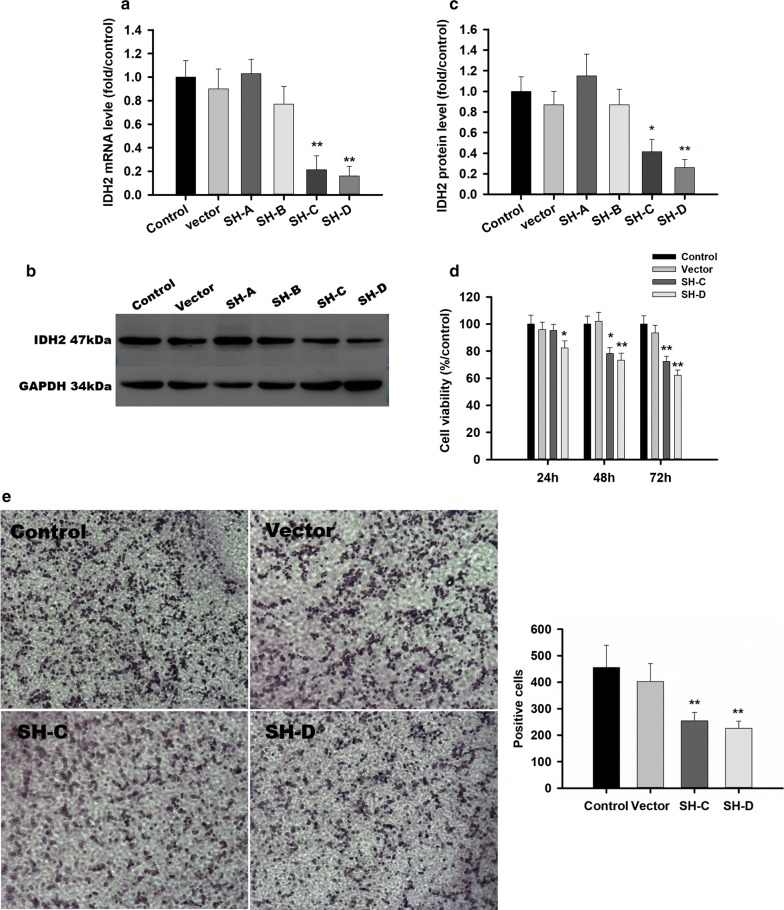
We found that all of the pituitary adenomas displayed downregulated glucose metabolism and glycolysis compared to normal tissues. Together with the differences in amino acids and fatty acids, we categorized these tumors into three clusters. We then re-established the reprogrammed metabolic flux in pituitary adenomas based on multiomic analyses. Take growth hormone-secreting pituitary adenomas as an example, we revealed that IDH2 is a key player in the reprogrammed metabolism of such tumors. By blocking IDH2, we confirmed that IDH2 is a potential target for the inhibition of tumor cell growth and tumor secretion.
Our study first uncovered the metabolic landscape of pituitary adenomas and demonstrated a possible way to inhibit tumor growth by regulating aberrant metabolism.
垂体腺瘤是常见的脑肿瘤。尽管经蝶窦手术能够实现广泛的肿瘤切除,但根据不同的亚型,复发率在 5%至 20%之间。需要进一步了解这些肿瘤,以制定新的策略来改善患者的预后。但它们的代谢特征在很大程度上是未知的。
我们使用代谢组学、转录组学和蛋白质组学方法系统地研究了 8 种亚型的垂体腺瘤和正常垂体。通过阻断 IDH2,我们研究了 IDH2 在 GH 肿瘤细胞生长和肿瘤分泌中的抑制作用。
我们发现与正常组织相比,所有垂体腺瘤的葡萄糖代谢和糖酵解均下调。结合氨基酸和脂肪酸的差异,我们将这些肿瘤分为三个簇。然后,我们根据多组学分析重新建立了垂体腺瘤的重编程代谢通量。以生长激素分泌型垂体腺瘤为例,我们揭示了 IDH2 是这些肿瘤重编程代谢的关键因素。通过阻断 IDH2,我们证实 IDH2 是抑制肿瘤细胞生长和肿瘤分泌的潜在靶点。
我们的研究首次揭示了垂体腺瘤的代谢景观,并展示了通过调节异常代谢来抑制肿瘤生长的可能途径。