Department of Occupational Health and Occupational Medicine, School of Public Health, Southern Medical University, Guangzhou, 510515, Guangdong, China.
Department of Clinical Cancer Prevention, The University of Texas MD Anderson Cancer Center, Houston, TX, USA.
Breast Cancer Res. 2019 Aug 29;21(1):99. doi: 10.1186/s13058-019-1185-1.
Stromal interaction molecule (STIM) 2 is a key calcium-sensing molecule that regulates the stabilization of calcium ions (Ca) and therefore regulates downstream Ca-associated signaling and cellular events. We hypothesized that STIM2 regulates epithelial-mesenchymal transition (EMT) to promote breast cancer metastasis.
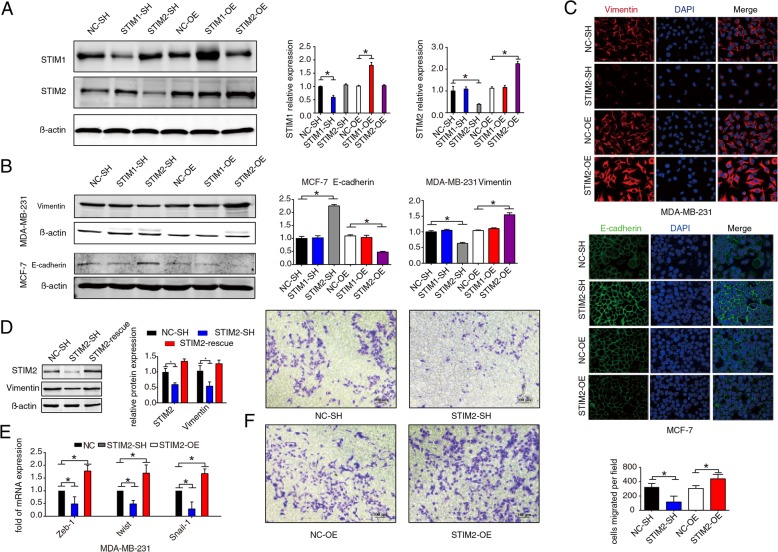
We determined the effects of gain, loss, and rescue of STIM2 on cellular motility, levels of EMT-related proteins, and secretion of transforming growth factor-β (TGF-β). We also conducted bioinformatics analyses and in vivo assessments of breast cancer growth and metastasis using xenograft models.
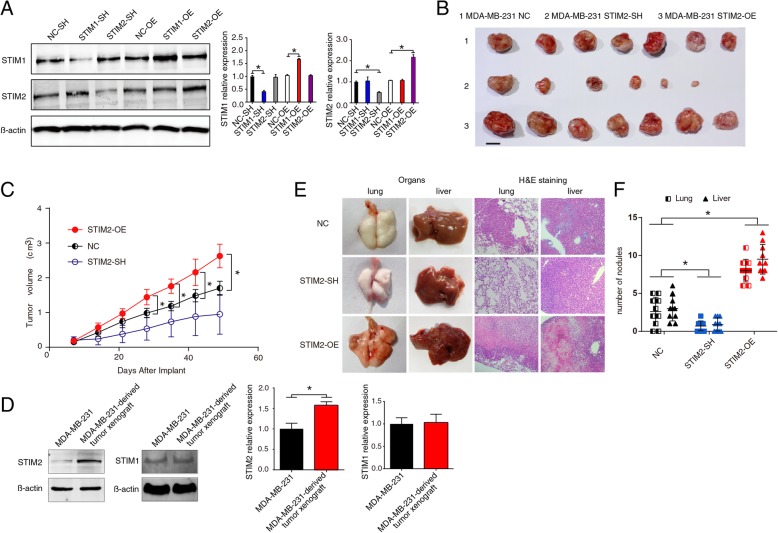
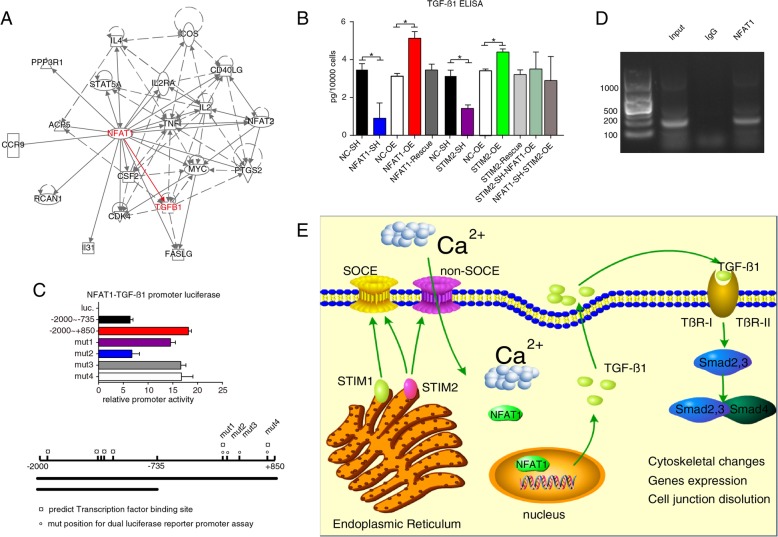
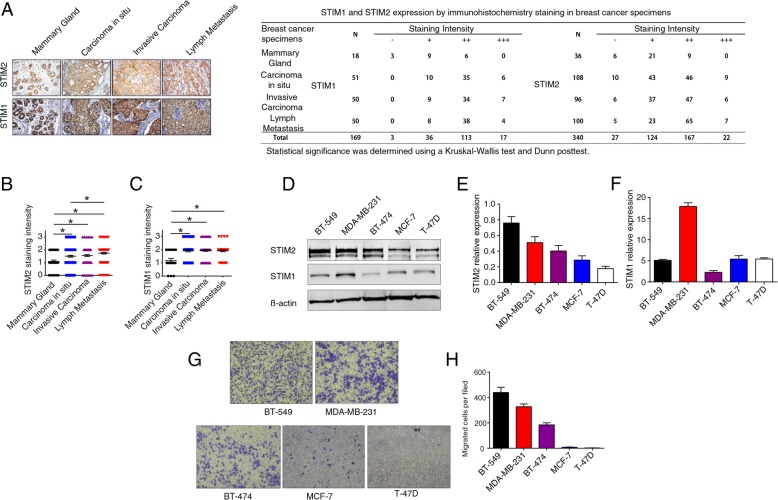
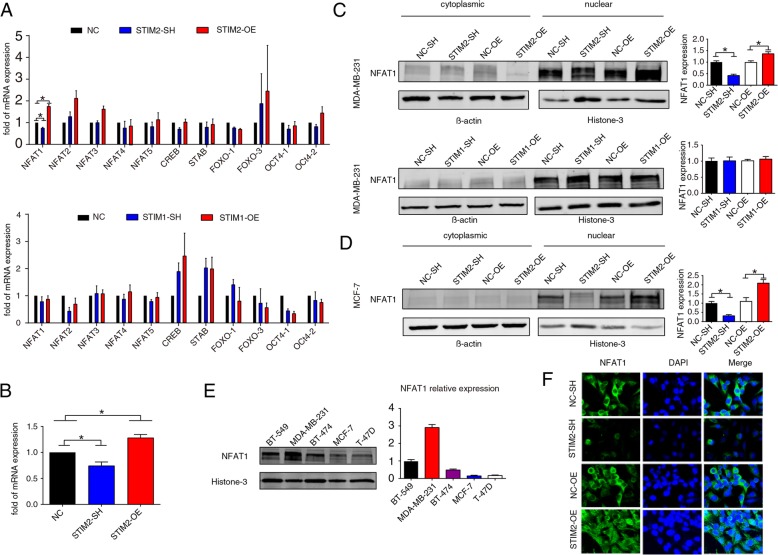
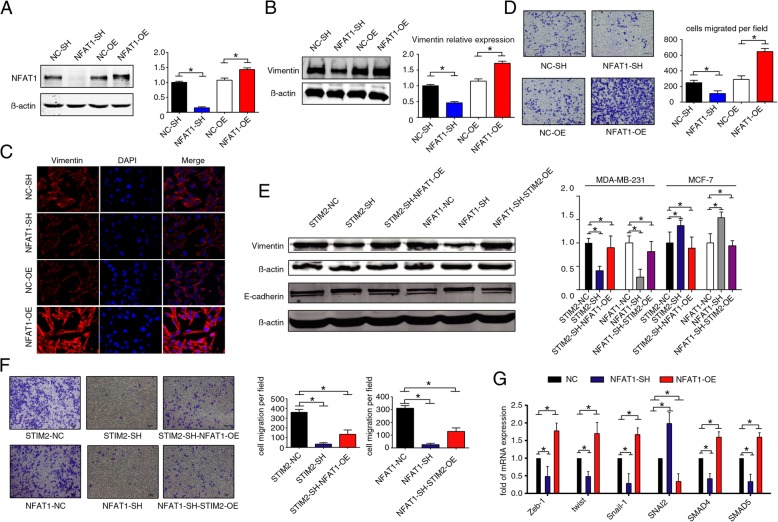
We found a significant association between STIM2 overexpression and metastatic breast cancer. STIM2 overexpression activated the nuclear factor of activated T cells 1 (NFAT1) and TGF-β signaling. Knockdown of STIM2 inhibited the motility of breast cancer cells by inhibiting EMT via specific suppression of NFAT1 and inhibited mammary tumor metastasis in mice. In contrast, STIM2 overexpression promoted metastasis. These findings were validated in human tissue arrays of 340 breast cancer samples for STIM2.
Taken together, our results demonstrated that STIM2 specifically regulates NFAT1, which in turn regulates the expression and secretion of TGF-β1 to promote EMT in vitro and in vivo, leading to metastasis of breast cancer.
基质相互作用分子(STIM)2 是一种关键的钙感应分子,可调节钙离子(Ca)的稳定,从而调节下游的 Ca 相关信号和细胞事件。我们假设 STIM2 通过调节上皮间质转化(EMT)来促进乳腺癌转移。
我们确定了 STIM2 的获得、缺失和挽救对细胞迁移、EMT 相关蛋白水平和转化生长因子-β(TGF-β)分泌的影响。我们还使用异种移植模型进行了乳腺癌生长和转移的生物信息学分析和体内评估。
我们发现 STIM2 过表达与转移性乳腺癌之间存在显著关联。STIM2 过表达激活了活化 T 细胞核因子 1(NFAT1)和 TGF-β 信号。通过特异性抑制 NFAT1,STIM2 敲低抑制了乳腺癌细胞的迁移,通过 EMT 抑制抑制了小鼠的乳腺肿瘤转移。相反,STIM2 过表达促进了转移。在 340 例乳腺癌样本的人类组织阵列中对 STIM2 进行了验证。
总之,我们的研究结果表明,STIM2 特异性调节 NFAT1,进而调节 TGF-β1 的表达和分泌,以促进 EMT 的体外和体内,从而导致乳腺癌转移。