Sojka Petr, Lošák Jan, Lamoš Martin, Bareš Martin, Kašpárek Tomáš, Brázdil M, Baláž M, Světlák Miroslav, Kočvarová J, Fialová J
Department of Neurology, Faculty of Medicine, Masaryk University and St. Anne's University Hospital Brno, Brno, Czechia.
Department of Psychology and Psychosomatics, Faculty of Medicine, Masaryk University and University Hospital Brno, Brno, Czechia.
Front Neurol. 2019 Aug 14;10:861. doi: 10.3389/fneur.2019.00861. eCollection 2019.
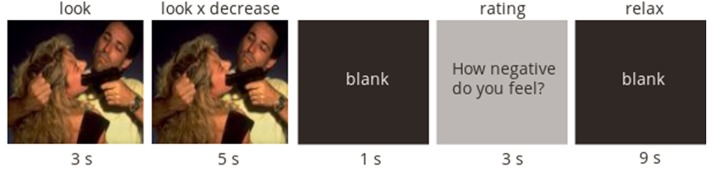
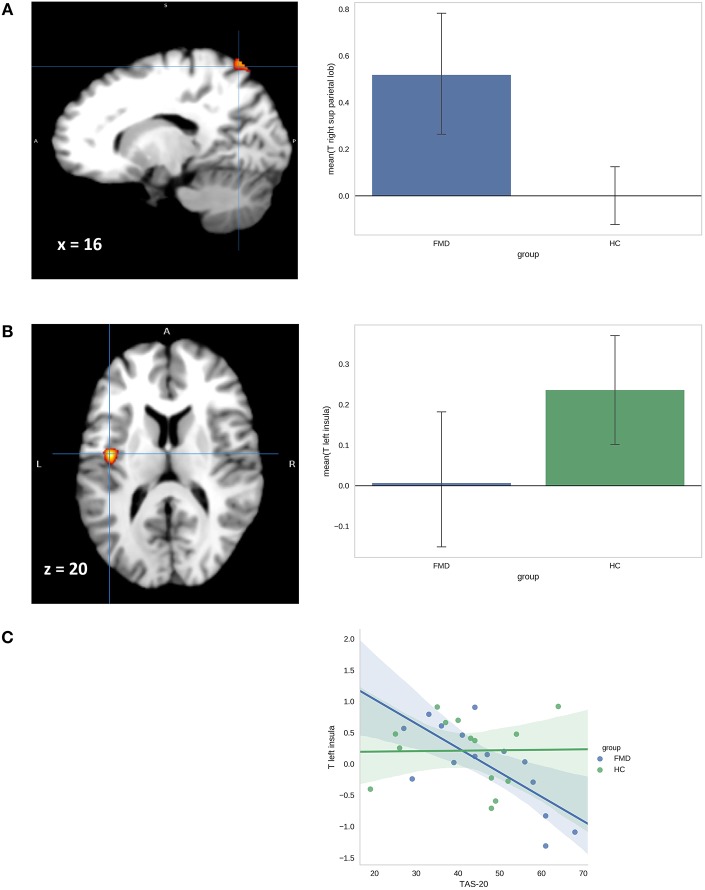
Affective dysregulation and impaired cognitive control are implicated in the pathology of functional neurological disorders (FNDs). However, voluntary regulation of emotions has seldom been researched in this group of patients. We hypothesized that patients with FNDs use inefficient voluntary emotion regulation strategies and regulate emotional reactions via increased motor activation. Fifteen patients with functional movement disorder (FMD) and fifteen healthy subjects matched by age, sex, and education underwent an emotion regulation task in fMRI. For stimuli, we used neutral and negative pictures from the International Affective Picture System. There was no restriction on their emotion regulation strategy. Both patients and healthy subjects were asked about the strategies they had used in a post-scanning interview. Participant levels of depression, trait anxiety, and alexithymia were assessed. There were no significant differences in the emotion regulation strategies used by patients and healthy subjects, nor in levels of reported alexithymia and depression. However, patients showed increased activation in several brain areas when observing negative pictures, notably in the post-central gyrus, precuneus, posterior cingulate cortex (PCC) and cerebellar vermis, and also in their emotion regulation condition, particularly in the precuneus and post-central gyrus. Alexithymia was negatively associated with left insular activation during the observation of unpleasant stimuli only in the patient group. Our findings may implicate areas associated with self-referential processing in voluntary emotional regulation and lower emotional awareness as having a role in patients with functional movement disorders. However, our findings must be replicated with larger sample.
情感调节障碍和认知控制受损与功能性神经障碍(FNDs)的病理机制有关。然而,这组患者中很少有关于情绪的自主调节的研究。我们假设,FNDs患者使用低效的自主情绪调节策略,并通过增加运动激活来调节情绪反应。15名功能性运动障碍(FMD)患者和15名年龄、性别和教育程度相匹配的健康受试者接受了功能磁共振成像(fMRI)下的情绪调节任务。对于刺激物,我们使用了国际情感图片系统中的中性和负面图片。对他们的情绪调节策略没有限制。患者和健康受试者在扫描后的访谈中都被问及他们所使用的策略。评估了参与者的抑郁、特质焦虑和述情障碍水平。患者和健康受试者所使用的情绪调节策略,以及报告的述情障碍和抑郁水平均无显著差异。然而,患者在观察负面图片时,几个脑区的激活增加,特别是中央后回、楔前叶、后扣带回皮质(PCC)和小脑蚓部,在他们进行情绪调节时也是如此,尤其是楔前叶和中央后回。仅在患者组中,述情障碍与观察不愉快刺激时左侧岛叶的激活呈负相关。我们的研究结果可能表明,在自主情绪调节中与自我参照加工相关的脑区以及较低的情绪意识在功能性运动障碍患者中起作用。然而,我们的研究结果必须在更大的样本中进行重复验证。