Mouton Jomien M, Heunis Tiaan, Dippenaar Anzaan, Gallant James L, Kleynhans Léanie, Sampson Samantha L
Department of Science and Technology/National Research Foundation (DST/NRF) Centre of Excellence for Biomedical Tuberculosis Research, South African Medical Research Council Centre for Tuberculosis Research, Division of Molecular Biology and Human Genetics, Faculty of Medicine and Health Sciences, Stellenbosch University, Cape Town, South Africa.
Institute for Cell and Molecular Biosciences, Newcastle University, Newcastle upon Tyne, United Kingdom.
Front Microbiol. 2019 Aug 20;10:1922. doi: 10.3389/fmicb.2019.01922. eCollection 2019.
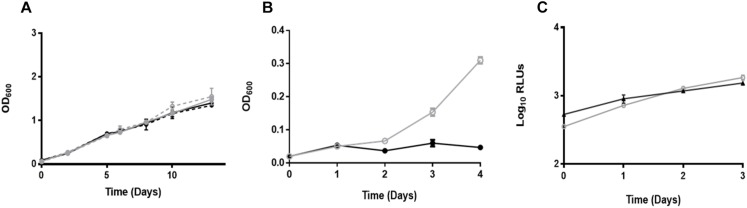
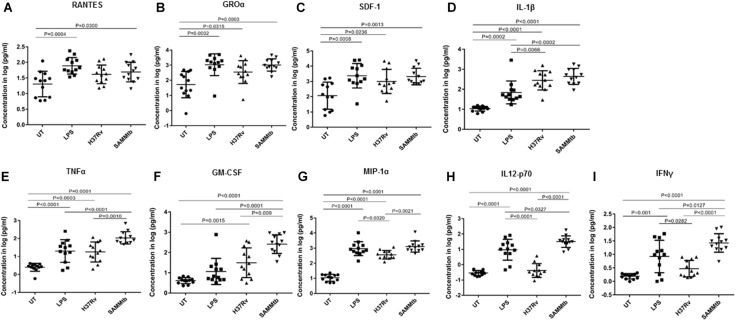
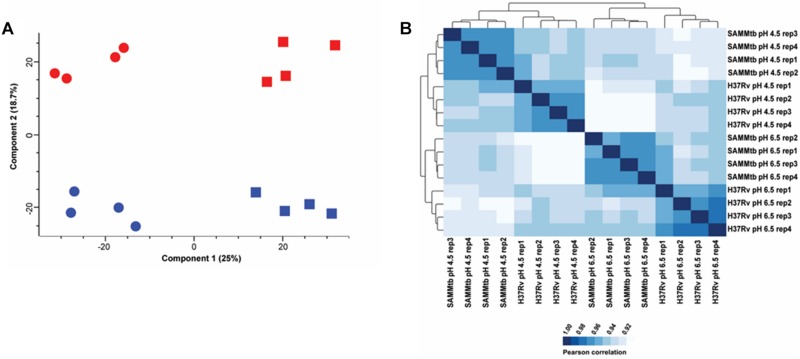
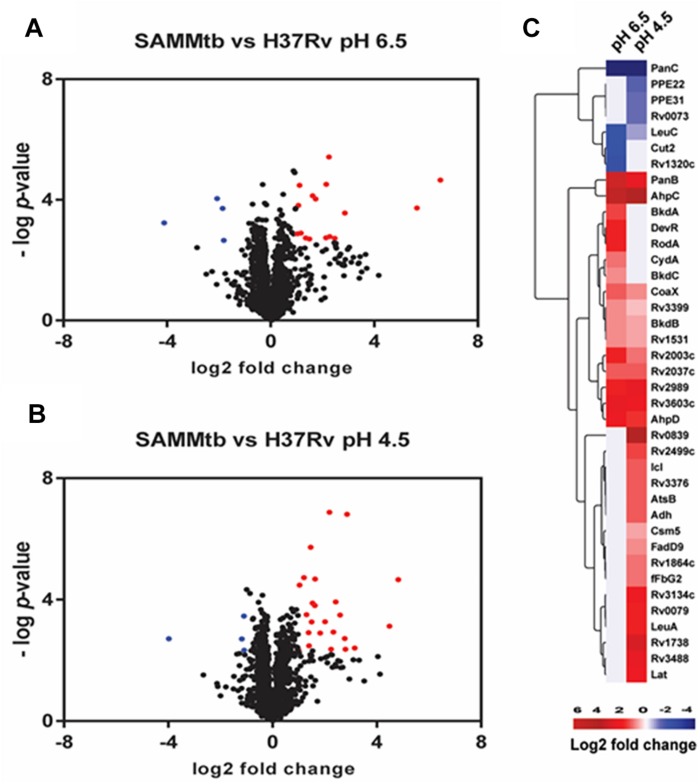
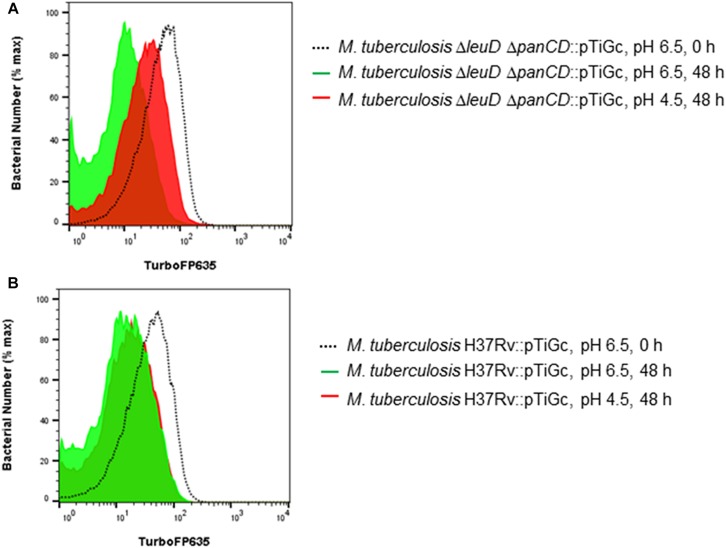
Although currently available model organisms such as and Bacillus Calmette-Guérin (BCG) have significantly contributed to our understanding of tuberculosis (TB) biology, these models have limitations such as differences in genome size, growth rates and virulence. However, attenuated strains may provide more representative, safer models to study biology. For example, the ΔΔ double auxotroph, has undergone rigorous and safety testing. Like other auxotrophic strains, this has subsequently been approved for use in biosafety level (BSL) 2 facilities. Auxotrophic strains have been assessed as models for drug-resistant and for studying latent TB. These offer the potential as safe and useful models, but it is important to understand how well these recapitulate salient features of non-attenuated We therefore performed a comprehensive comparison of H37Rv and ΔΔ. These strains demonstrated similar and intra-macrophage replication rates, similar responses to anti-TB agents and whole genome sequence conservation. Shotgun proteomics analysis suggested that ΔΔ has a heightened stress response that leads to reduced bacterial replication during exposure to acid stress, which has been verified using a dual-fluorescent replication reporter assay. Importantly, infection of human peripheral blood mononuclear cells with the 2 strains elicited comparable cytokine production, demonstrating the suitability of ΔΔ for immunological assays. We provide comprehensive evidence to support the judicious use of ΔΔ as a safe and suitable model organism for research, without the need for a BSL3 facility.
尽管目前可用的模式生物,如卡介苗(BCG),对我们理解结核病(TB)生物学有重大贡献,但这些模式存在局限性,如基因组大小、生长速率和毒力的差异。然而,减毒的菌株可能提供更具代表性、更安全的模型来研究生物学。例如,ΔΔ双营养缺陷型菌株已经经过严格的安全性测试。与其他营养缺陷型菌株一样,该菌株随后被批准用于生物安全水平(BSL)2级设施。营养缺陷型菌株已被评估为耐药模型和研究潜伏性结核病的模型。这些菌株具有作为安全且有用模型的潜力,但了解它们在多大程度上能够重现未减毒菌株的显著特征非常重要。因此,我们对H37Rv和ΔΔ进行了全面比较。这些菌株表现出相似的细胞内复制速率、对抗结核药物的相似反应以及全基因组序列保守性。鸟枪法蛋白质组学分析表明,ΔΔ具有增强的应激反应,导致在酸应激暴露期间细菌复制减少,这已通过双荧光复制报告基因检测得到验证。重要的是,用这两种菌株感染人外周血单核细胞引发了相当的细胞因子产生,证明了ΔΔ适用于免疫测定。我们提供了全面的证据来支持明智地使用ΔΔ作为结核病研究的安全且合适的模式生物,而无需BSL3级设施。