Department of Neurology, Northwestern University Feinberg School of Medicine, Chicago, Illinois, USA.
Department of Pathology and Laboratory Medicine, Center for Neurodegenerative Disease Research, Philadelphia, Pennsylvania, USA.
Mov Disord. 2019 Oct;34(10):1406-1422. doi: 10.1002/mds.27823. Epub 2019 Sep 4.
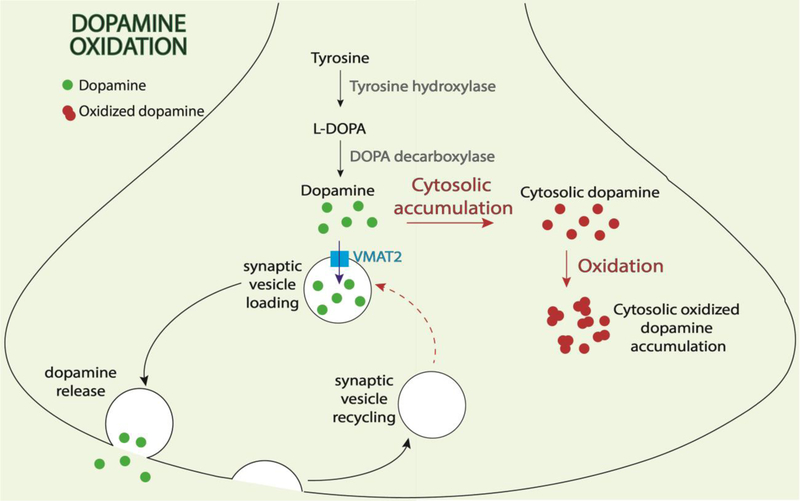
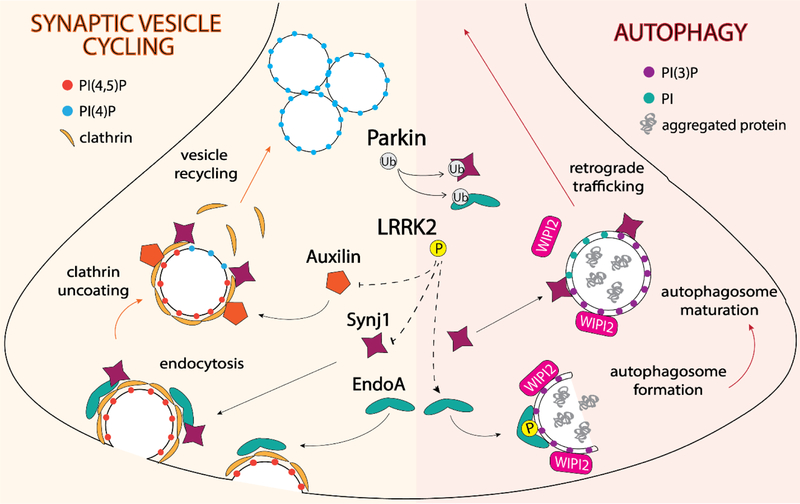
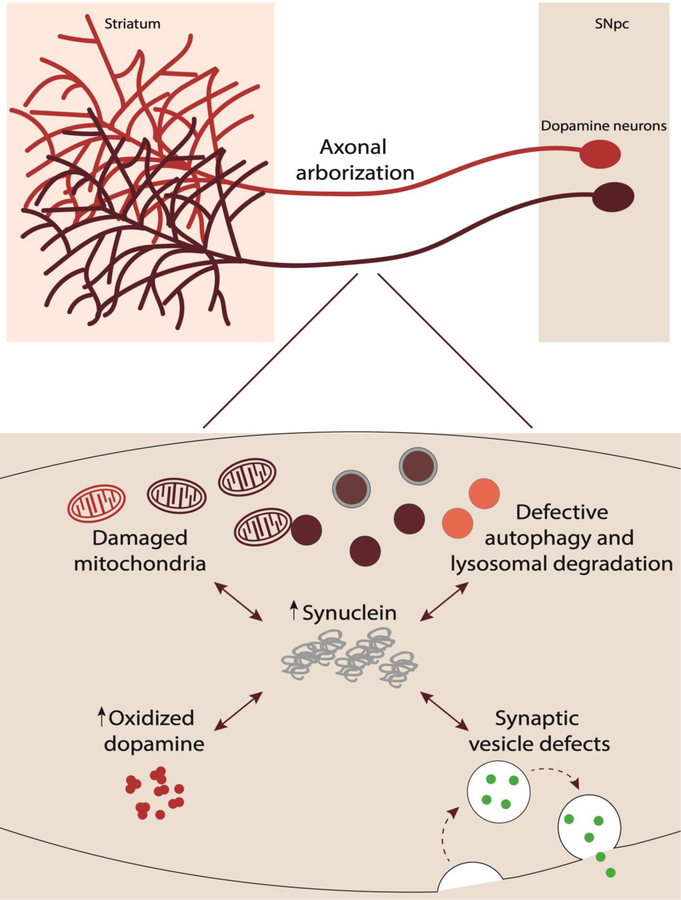
While current effective therapies are available for the symptomatic control of PD, treatments to halt the progressive neurodegeneration still do not exist. Loss of dopamine neurons in the SNc and dopamine terminals in the striatum drive the motor features of PD. Multiple lines of research point to several pathways which may contribute to dopaminergic neurodegeneration. These pathways include extensive axonal arborization, mitochondrial dysfunction, dopamine's biochemical properties, abnormal protein accumulation of α-synuclein, defective autophagy and lysosomal degradation, and synaptic impairment. Thus, understanding the essential features and mechanisms of dopaminergic neuronal vulnerability is a major scientific challenge and highlights an outstanding need for fostering effective therapies against neurodegeneration in PD. This article, which arose from the Movement Disorders 2018 Conference, discusses and reviews the possible mechanisms underlying neuronal vulnerability and potential therapeutic approaches in PD. © 2019 International Parkinson and Movement Disorder Society.
虽然目前有针对 PD 症状控制的有效治疗方法,但仍没有阻止神经退行性病变进展的治疗方法。SNc 中的多巴胺神经元和纹状体中的多巴胺末梢丧失驱动 PD 的运动特征。多条研究线索指向可能导致多巴胺能神经退行性变的几个途径。这些途径包括广泛的轴突分支、线粒体功能障碍、多巴胺的生化特性、α-突触核蛋白的异常蛋白积累、自噬和溶酶体降解缺陷以及突触损伤。因此,了解多巴胺能神经元易损性的基本特征和机制是一项重大科学挑战,并突出了需要促进针对 PD 神经退行性变的有效治疗方法。本文源于 2018 年运动障碍大会,讨论和回顾了 PD 中神经元易损性的可能机制和潜在治疗方法。© 2019 国际帕金森病和运动障碍协会。