Vahl Alexander, Veziroglu Salih, Henkel Bodo, Strunskus Thomas, Polonskyi Oleksandr, Aktas Oral Cenk, Faupel Franz
Institute for Materials Science-Chair for Multicomponent Materials, Faculty of Engineering, Kiel University, Kaiserstraße 2, D-24143 Kiel, Germany.
Materials (Basel). 2019 Sep 3;12(17):2840. doi: 10.3390/ma12172840.
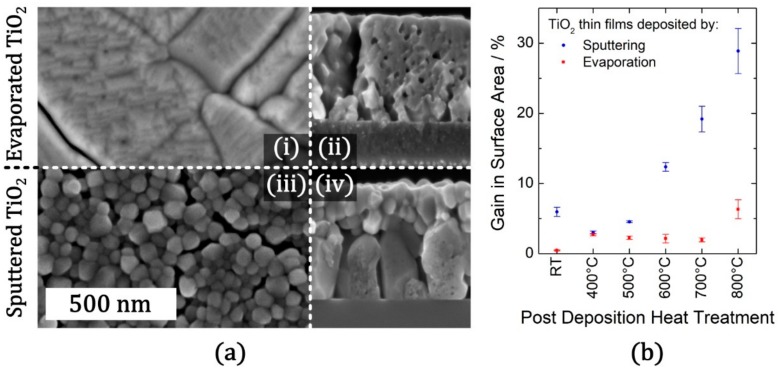
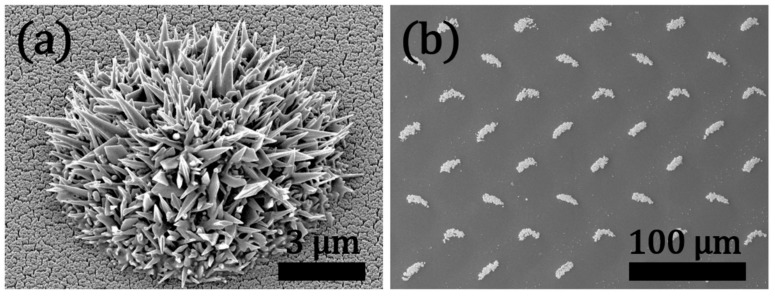
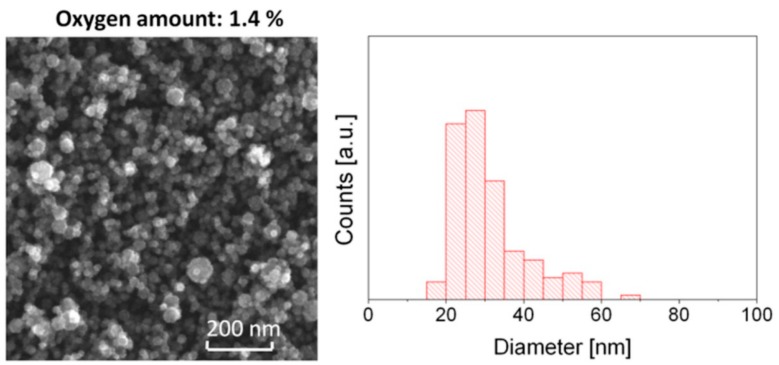
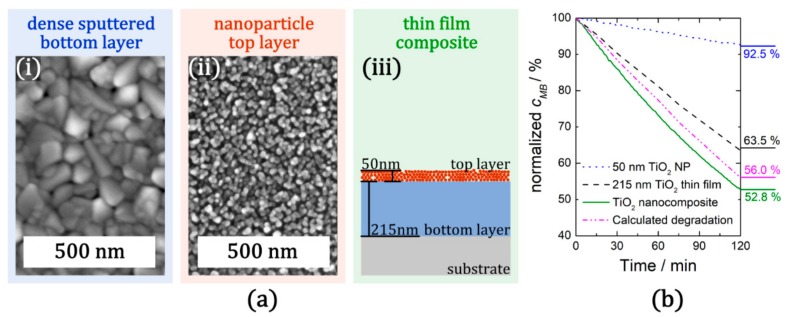
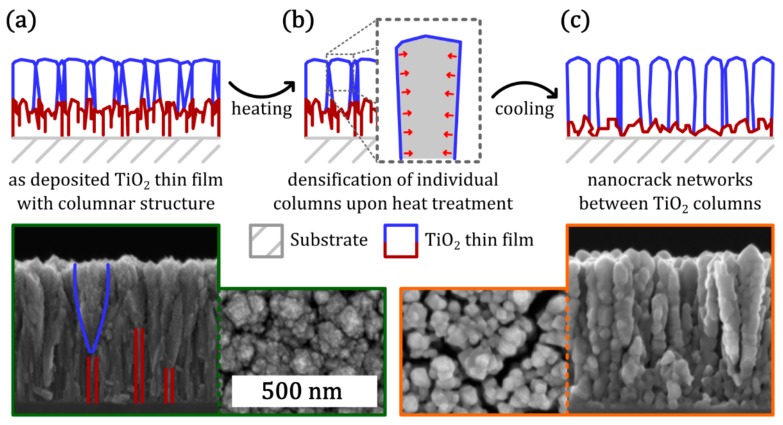
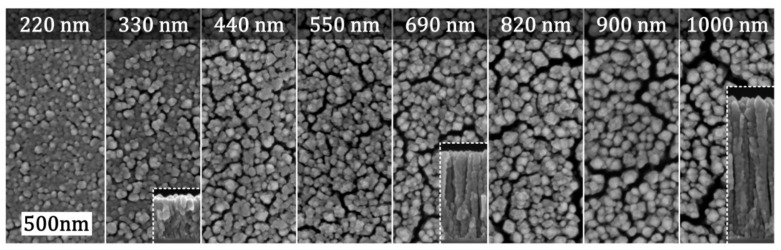
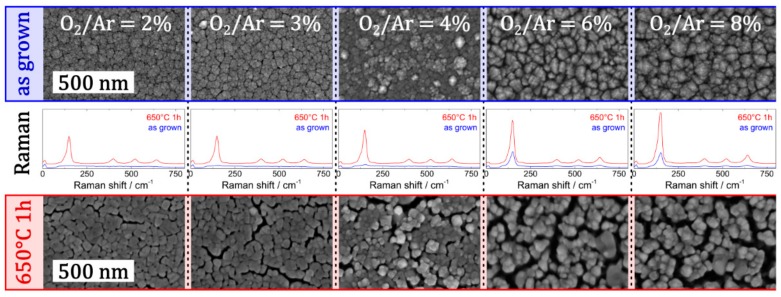
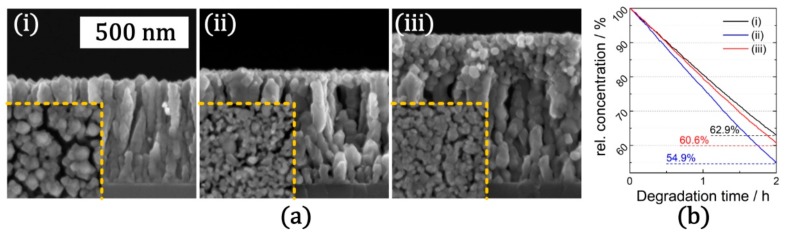
TiO thin films are used extensively for a broad range of applications including environmental remediation, self-cleaning technologies (windows, building exteriors, and textiles), water splitting, antibacterial, and biomedical surfaces. While a broad range of methods such as wet-chemical synthesis techniques, chemical vapor deposition (CVD), and physical vapor deposition (PVD) have been developed for preparation of TiO thin films, PVD techniques allow a good control of the homogeneity and thickness as well as provide a good film adhesion. On the other hand, the choice of the PVD technique enormously influences the photocatalytic performance of the TiO layer to be deposited. Three important parameters play an important role on the photocatalytic performance of TiO thin films: first, the different pathways in crystallization (nucleation and growth); second, anatase/rutile formation; and third, surface area at the interface to the reactants. This study aims to provide a review regarding some strategies developed by our research group in recent years to improve the photocatalytic performance of TiO thin films. An innovative approach, which uses thermally induced nanocrack networks as an effective tool to enhance the photocatalytic performance of sputter deposited TiO thin films, is presented. Plasmonic and non-plasmonic enhancement of photocatalytic performance by decorating TiO thin films with metallic nanostructures are also briefly discussed by case studies. In addition to remediation applications, a new approach, which utilizes highly active photocatalytic TiO thin film for micro- and nanostructuring, is also presented.
二氧化钛薄膜广泛应用于众多领域,包括环境修复、自清洁技术(窗户、建筑外墙和纺织品)、水分解、抗菌以及生物医学表面。虽然已经开发出多种方法来制备二氧化钛薄膜,如湿化学合成技术、化学气相沉积(CVD)和物理气相沉积(PVD),但物理气相沉积技术能够很好地控制薄膜的均匀性和厚度,并且能提供良好的薄膜附着力。另一方面,物理气相沉积技术的选择对待沉积的二氧化钛层的光催化性能有极大影响。有三个重要参数对二氧化钛薄膜的光催化性能起着重要作用:第一,结晶过程中的不同途径(成核和生长);第二,锐钛矿/金红石的形成;第三,与反应物界面处的表面积。本研究旨在综述近年来我们研究小组为提高二氧化钛薄膜光催化性能所开发的一些策略。本文介绍了一种创新方法,该方法利用热诱导纳米裂纹网络作为增强溅射沉积二氧化钛薄膜光催化性能的有效工具。还通过案例研究简要讨论了用金属纳米结构修饰二氧化钛薄膜对光催化性能的等离子体增强和非等离子体增强。除了修复应用外,还介绍了一种利用高活性光催化二氧化钛薄膜进行微纳结构化的新方法。