College of Environment, Zhejiang University of Technology, Hangzhou, 310032, People's Republic of China.
Quebec-Ocean and Takuvik Joint International Research Unit, Université Laval, G1VOA6, Québec, Canada.
Microbiome. 2019 Sep 4;7(1):128. doi: 10.1186/s40168-019-0744-0.
Sharp increases in food production worldwide are attributable to agricultural intensification aided by heavy use of agrochemicals. This massive use of pesticides and fertilizers in combination with global climate change has led to collateral damage in freshwater systems, notably an increase in the frequency of harmful cyanobacterial blooms (HCBs). The precise mechanisms and magnitude of effects that pesticides exert on HCBs formation and proliferation have received little research attention and are poorly constrained.
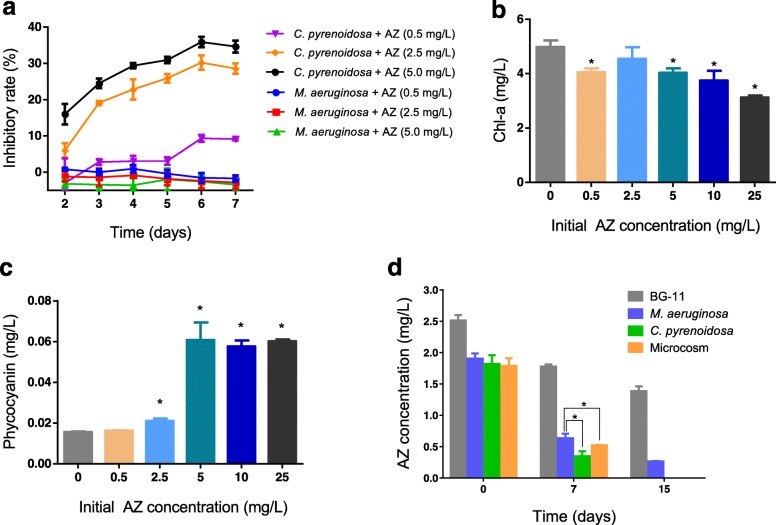
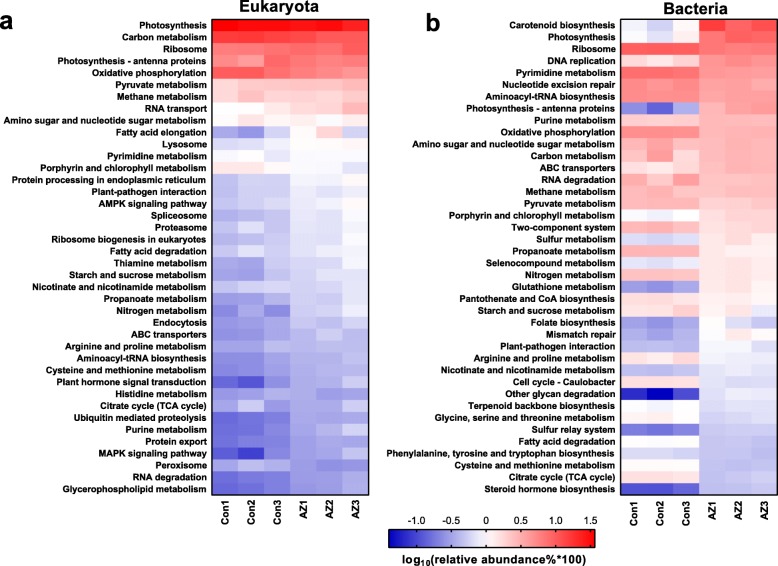
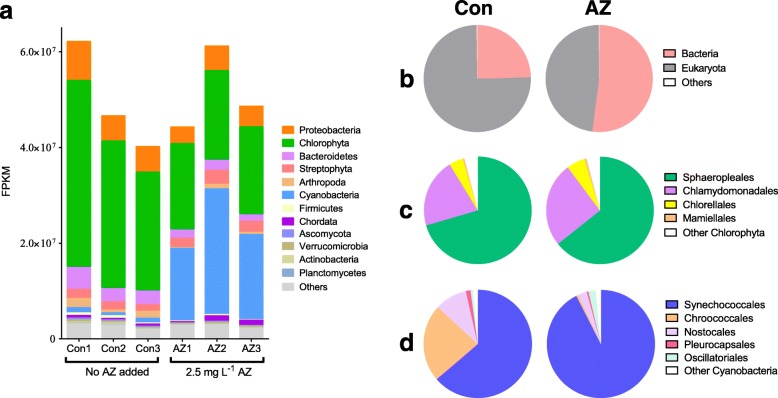
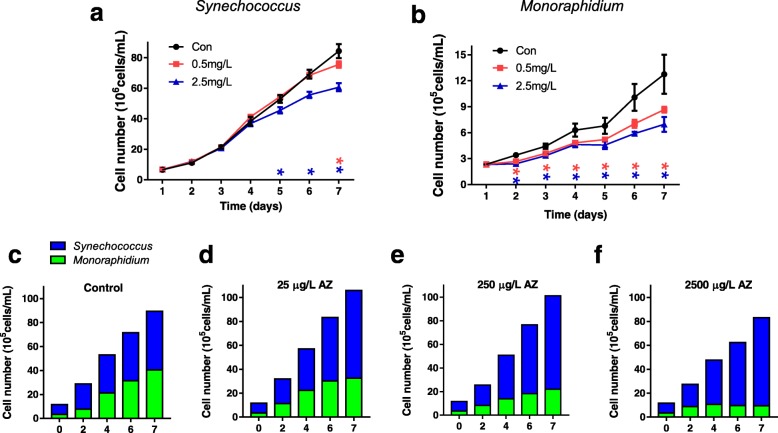
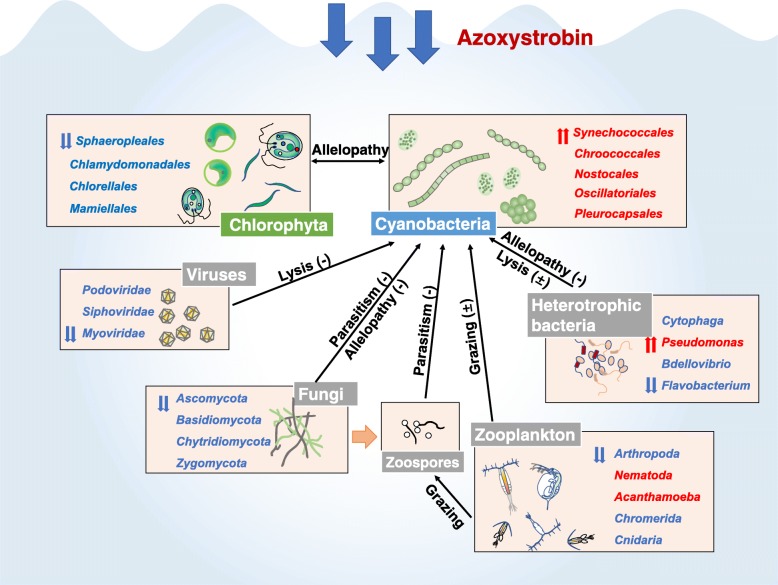
We found that azoxystrobin (AZ), a common strobilurin fungicide, can favor cyanobacterial growth through growth inhibition of eukaryotic competitors (Chlorophyta) and possibly by inhibiting cyanobacterial parasites (fungi) as well as pathogenic bacteria and viruses. Meta-transcriptomic analyses identified AZ-responsive genes and biochemical pathways in eukaryotic plankton and bacteria, potentially explaining the microbial effects of AZ.
Our study provides novel mechanistic insights into the intertwined effects of a fungicide and eutrophication on microbial planktonic communities and cyanobacterial blooms in a eutrophic freshwater ecosystem. This knowledge may prove useful in mitigating cyanobacteria blooms resulting from agricultural intensification.
全球粮食产量的大幅增长归因于农业集约化的推动,而农业集约化则得益于大量使用农用化学品。这种大量使用农药和化肥与全球气候变化相结合,导致了淡水系统的附带损害,特别是有害蓝藻水华(HCB)的频率增加。农药对 HCB 形成和增殖的影响的具体机制和程度还很少受到关注,并且受到的限制也很小。
我们发现,一种常见的甲氧基丙烯酸酯类杀菌剂嘧菌酯(AZ)可以通过抑制真核藻类(绿藻)等竞争生物的生长,以及可能抑制蓝藻寄生虫(真菌)、病原菌和病毒,从而有利于蓝藻的生长。宏转录组分析鉴定了真核浮游生物和细菌中对 AZ 有响应的基因和生化途径,这可能解释了 AZ 对微生物的影响。
我们的研究为杀菌剂和富营养化对富营养化淡水生态系统中微生物浮游生物群落和蓝藻水华的相互交织的影响提供了新的机制见解。这些知识可能有助于减轻农业集约化导致的蓝藻水华。