Speech and Language Therapy Department, Sheffield Teaching Hospitals NHS Foundation Trust, Sheffield, UK.
Faculty of Health and Wellbeing, Sheffield Hallam University, Sheffield, UK.
Dysphagia. 2020 Oct;35(5):735-744. doi: 10.1007/s00455-019-10061-6. Epub 2019 Sep 6.
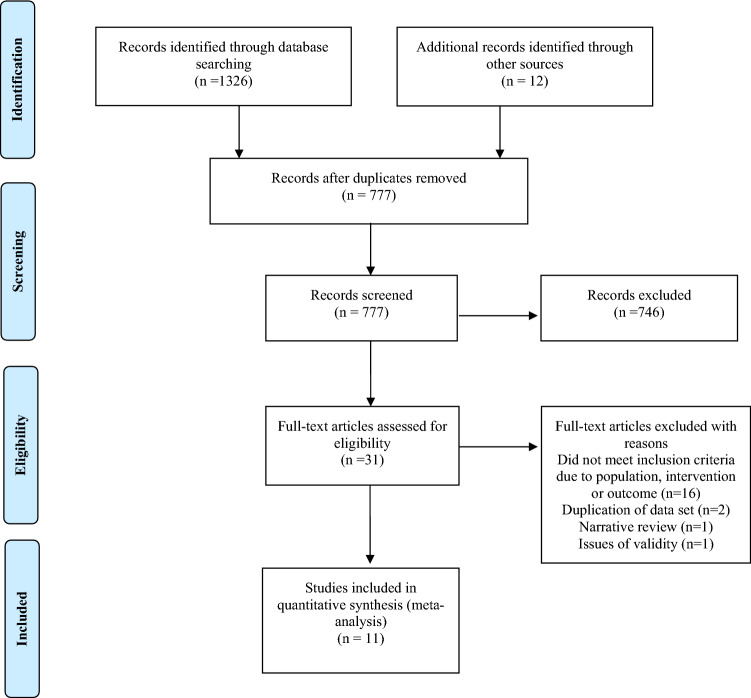
Dysphagia is associated with increased risk of stroke-associated pneumonia (SAP). However, it is unclear what other factors contribute to that risk or which measures may reduce it. This systematic review aimed to provide evidence on interventions and care processes associated with SAP in patients with dysphagia. Studies were screened for inclusion if they included dysphagia only patients, dysphagia and non-dysphagia patients or unselected patients that included dysphagic patients and evaluated factors associated with a recorded frequency of SAP. Electronic databases were searched from inception to February 2017. Eligible studies were critically appraised. Heterogeneity was evaluated using I. The primary outcome was SAP. Eleven studies were included. Sample sizes ranged from 60 to 1088 patients. There was heterogeneity in study design. Measures of immunodepression are associated with SAP in dysphagic patients. There is insufficient evidence to justify screening for aerobic Gram-negative bacteria. Prophylactic antibiotics did not prevent SAP and proton pump inhibitors may increase risk. Treatment with metoclopramide may reduce SAP risk. Evidence that nasogastric tube (NGT) placement increases risk of SAP is equivocal. A multidisciplinary team approach and instrumental assessment of swallowing may reduce risk of pneumonia. Patients with impaired mobility were associated with increased risk. Findings should be interpreted with caution given the number of studies, heterogeneity and descriptive analyses. Several medical interventions and care processes, which may reduce risk of SAP in patients with dysphagia, have been identified. Further research is needed to evaluate the role of these interventions and care processes in clinical practice.
吞咽困难与卒中相关性肺炎(SAP)的风险增加相关。然而,目前尚不清楚还有哪些其他因素会增加这种风险,或者哪些措施可以降低这种风险。本系统评价旨在提供与吞咽困难患者 SAP 相关的干预措施和护理过程的证据。如果研究仅纳入吞咽困难患者、吞咽困难和非吞咽困难患者或纳入吞咽困难患者的未选择患者,并评估与 SAP 记录频率相关的因素,则将其纳入筛选。从研究开始到 2017 年 2 月,对电子数据库进行了筛选。对合格的研究进行了批判性评价。使用 I 评估异质性。主要结局为 SAP。纳入了 11 项研究。样本量范围从 60 例到 1088 例。研究设计存在异质性。免疫抑制措施与吞咽困难患者的 SAP 相关。目前没有足够的证据支持对需氧革兰氏阴性菌进行筛查。预防性使用抗生素并不能预防 SAP,质子泵抑制剂可能会增加风险。使用胃复安治疗可能会降低 SAP 的风险。鼻胃管(NGT)置管增加 SAP 风险的证据尚无定论。多学科团队方法和吞咽的仪器评估可能会降低肺炎的风险。活动能力受损的患者发生 SAP 的风险增加。鉴于研究数量、异质性和描述性分析,应谨慎解释这些发现。已经确定了一些可能降低吞咽困难患者 SAP 风险的医疗干预措施和护理过程。需要进一步研究来评估这些干预措施和护理过程在临床实践中的作用。