Touchstone Diabetes Center, Department of Internal Medicine, The University of Texas Southwestern Medical Center, Dallas, TX, USA.
Texas Therapeutics Institute, Brown Foundation Institute of Molecular Medicine, The University of Texas Health Science Center at Houston, Houston, TX, USA.
Cell Metab. 2019 Oct 1;30(4):706-719.e6. doi: 10.1016/j.cmet.2019.08.005. Epub 2019 Sep 5.
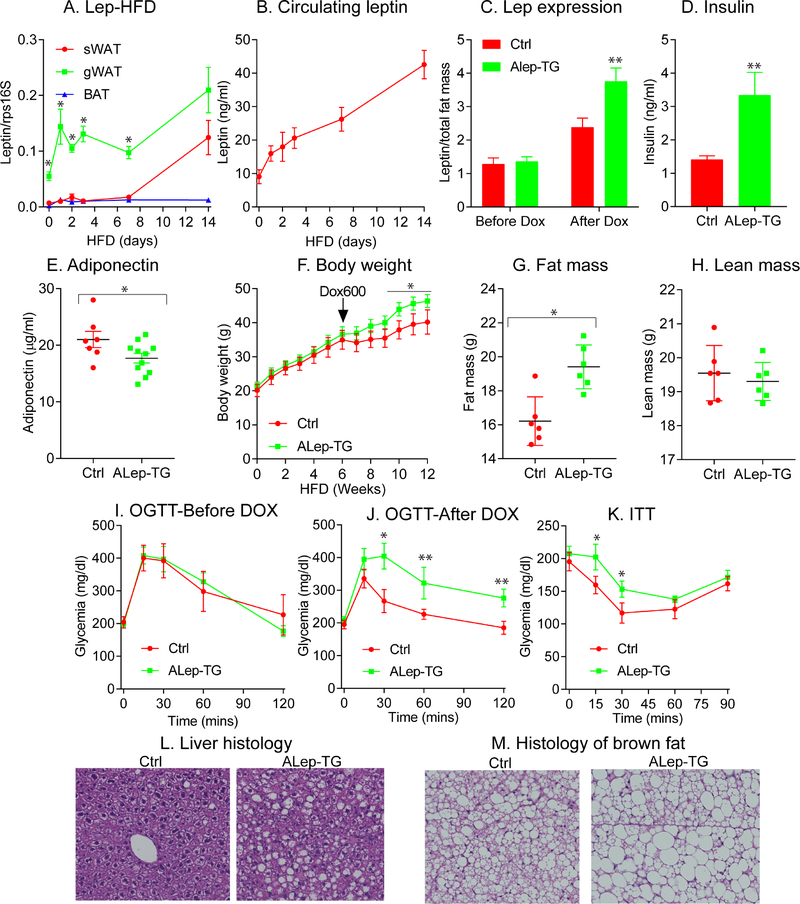
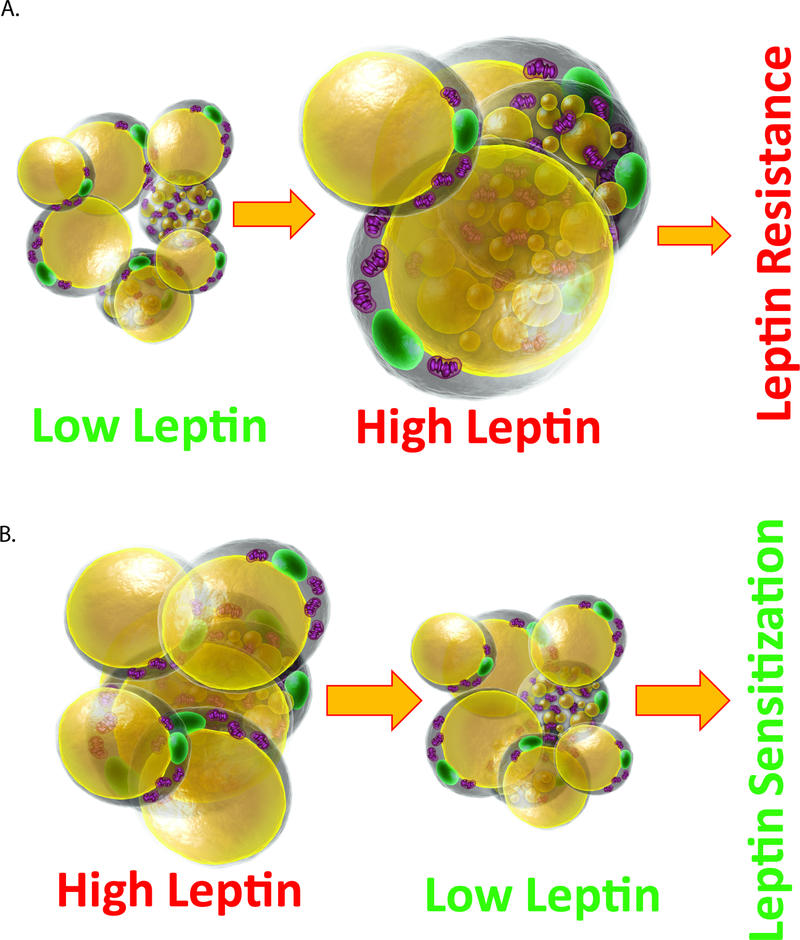
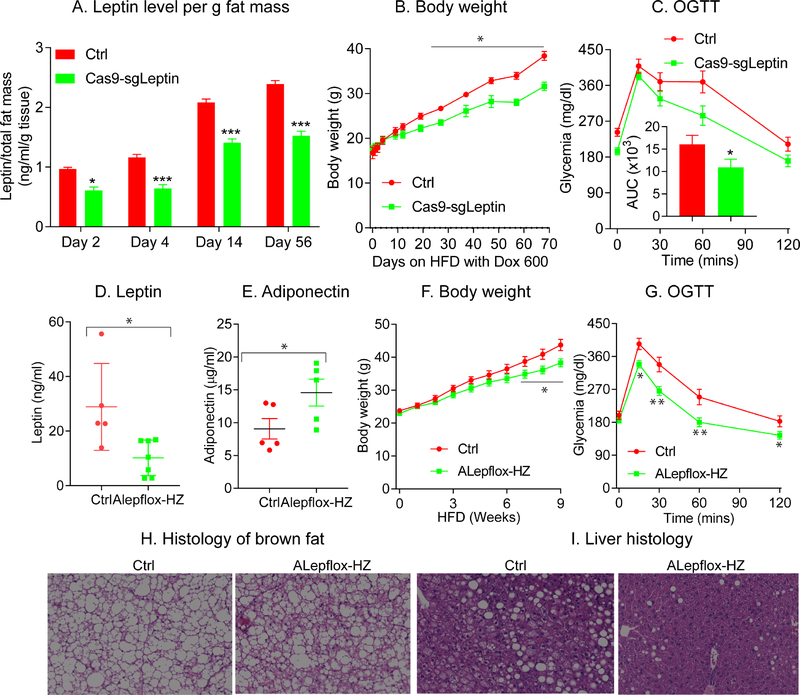
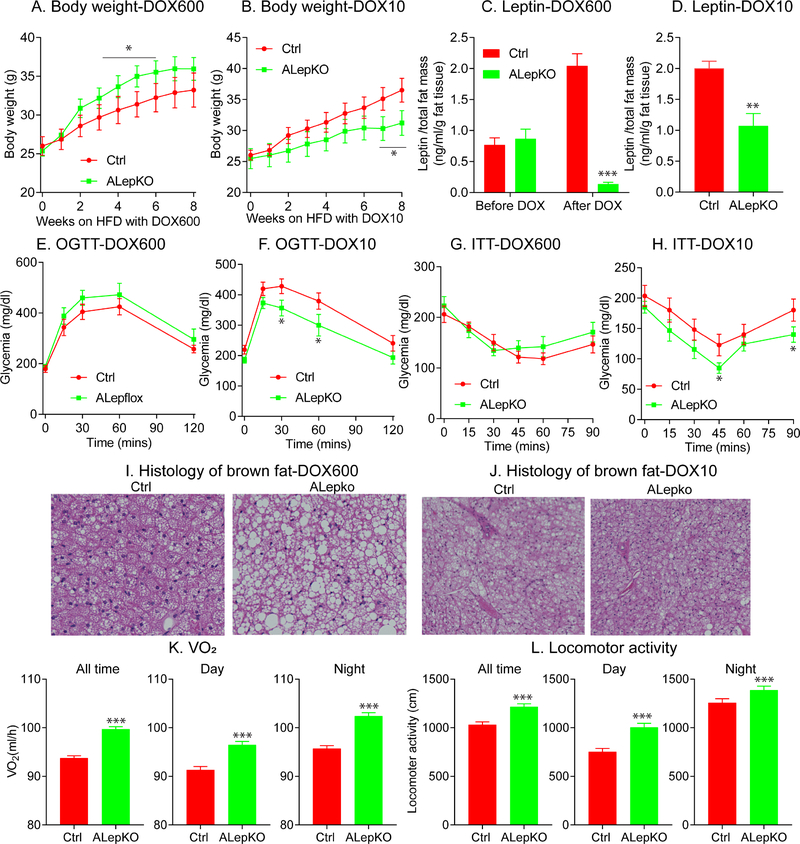
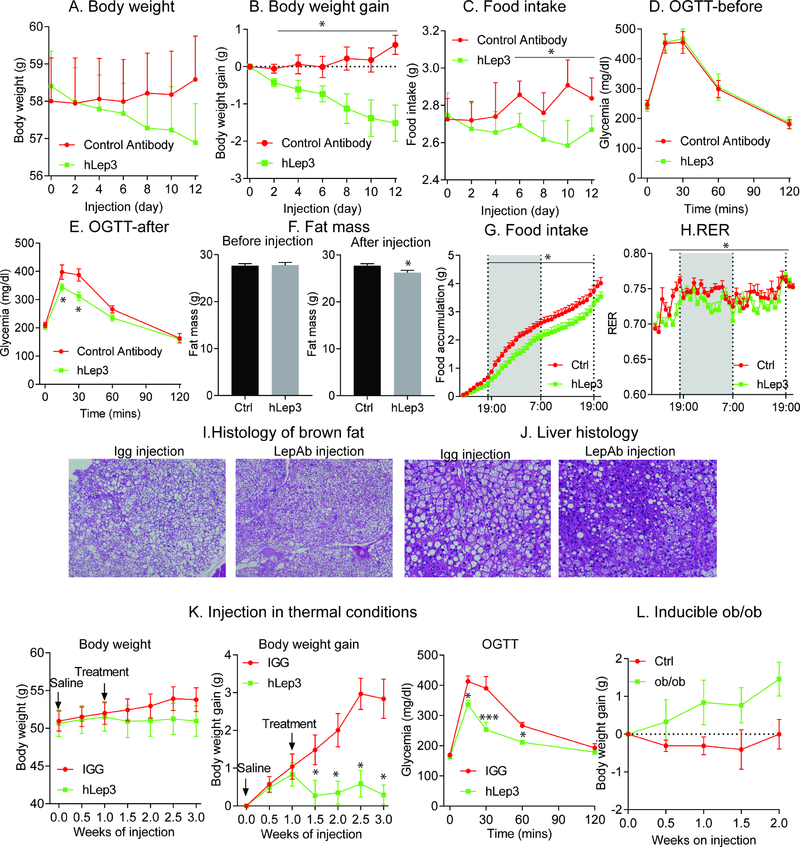
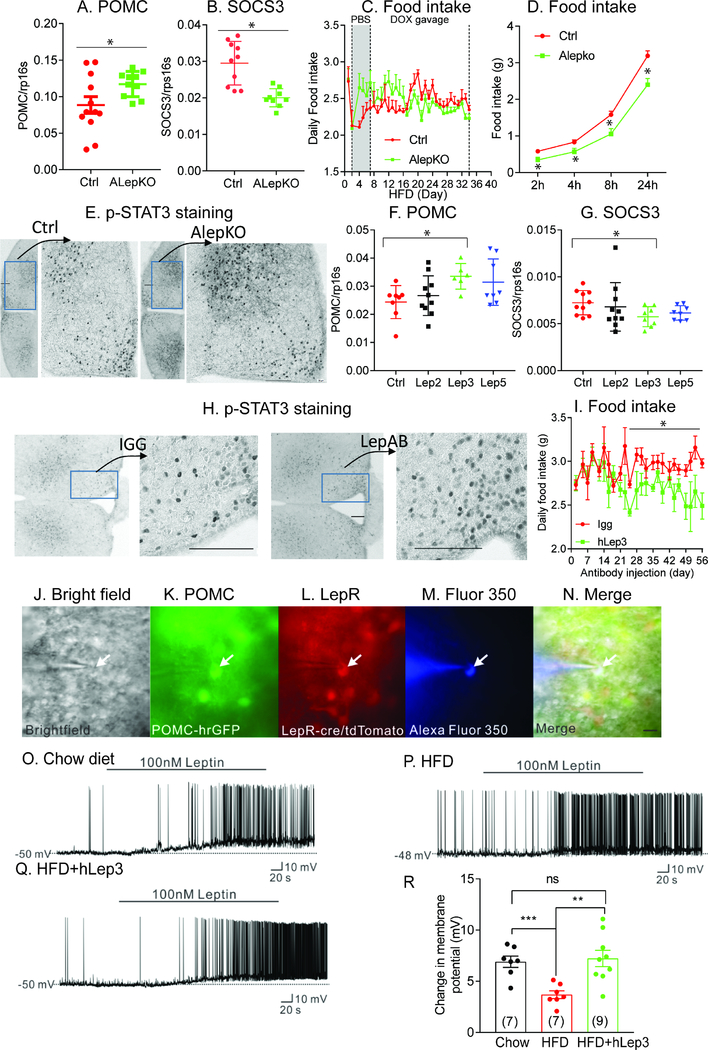
The physiological role of leptin is thought to be a driving force to reduce food intake and increase energy expenditure. However, leptin therapies in the clinic have failed to effectively treat obesity, predominantly due to a phenomenon referred to as leptin resistance. The mechanisms linking obesity and the associated leptin resistance remain largely unclear. With various mouse models and a leptin neutralizing antibody, we demonstrated that hyperleptinemia is a driving force for metabolic disorders. A partial reduction of plasma leptin levels in the context of obesity restores hypothalamic leptin sensitivity and effectively reduces weight gain and enhances insulin sensitivity. These results highlight that a partial reduction in plasma leptin levels leads to improved leptin sensitivity, while pointing to a new avenue for therapeutic interventions in the treatment of obesity and its associated comorbidities.
瘦素的生理作用被认为是减少食物摄入和增加能量消耗的驱动力。然而,临床上的瘦素疗法未能有效治疗肥胖症,主要是由于一种称为瘦素抵抗的现象。将肥胖症与相关的瘦素抵抗联系起来的机制在很大程度上仍不清楚。通过各种小鼠模型和一种瘦素中和抗体,我们证明了高瘦素血症是代谢紊乱的驱动力。在肥胖的情况下,部分降低血浆瘦素水平可恢复下丘脑瘦素敏感性,并有效减轻体重增加和增强胰岛素敏感性。这些结果突出表明,部分降低血浆瘦素水平可导致瘦素敏感性提高,同时为治疗肥胖症及其相关合并症的治疗干预提供了新途径。