Nestlé Purina Research, St Louis, MO, USA.
Division of Allergy and Immunology, Department of Medicine, Washington University School of Medicine, St. Louis, MO, USA.
Allergy. 2019 Oct;74 Suppl 107(Suppl 107):5-17. doi: 10.1111/all.14013.
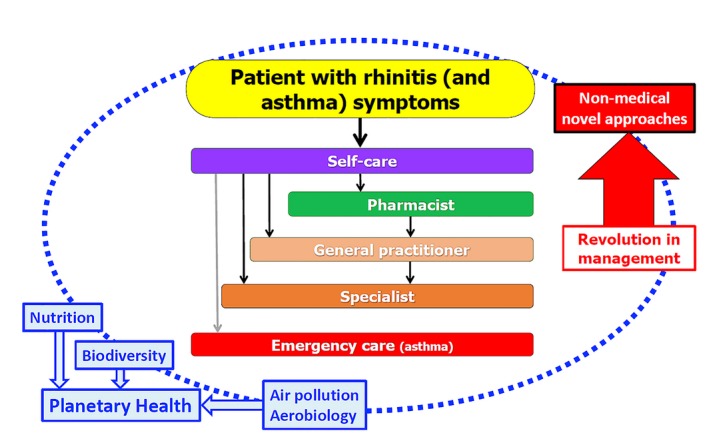
Allergies to cats are the most common animal-origin allergy, and affect approximately 1 in 5 adults worldwide. The prevalence of allergy to furry animals has been increasing, and allergy to cats is a major risk factor for the development of asthma and rhinitis. The diagnosis of cat allergy is now well established. The exact significance of component-resolved diagnosis in the diagnosis of cat allergy remains to be fully understood. Allergen avoidance is effective but often has a psychologic impact. Allergen immunotherapy is not well demonstrated. There is a need for innovative approaches to better manage cat allergens. Next-generation care pathways for asthma and rhinitis will define the place of cat allergen avoidance.
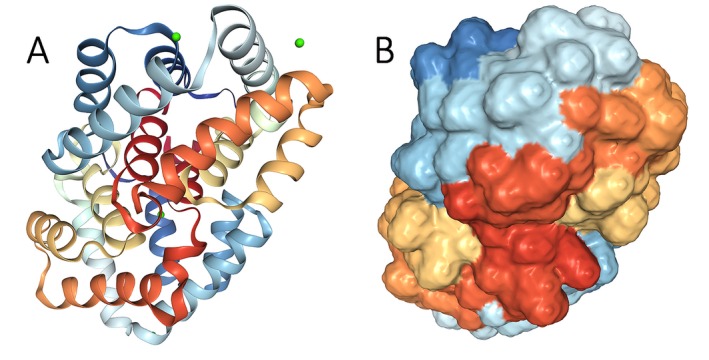
This manuscript, based on content presented at the European Academy of Allergy and Clinical Immunology Congress 2019, provides information on the prevalence and impact of cat allergies and the molecular biology of Fel d 1, the major cat allergen.
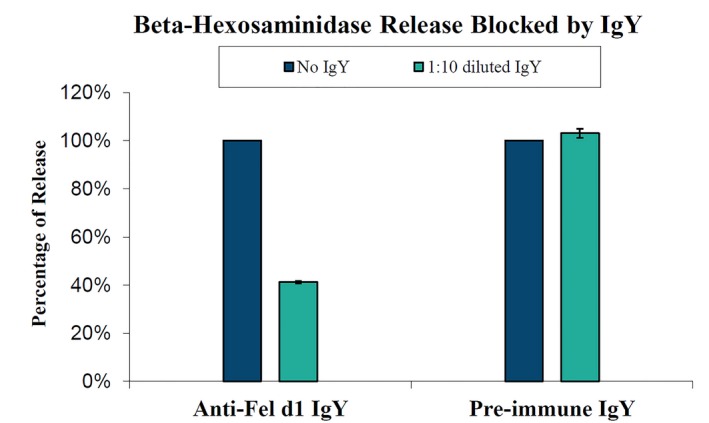
The authors present the scientific basis of a novel care pathway that utilizes anti-Fel d 1 IgY antibodies to safely and effectively neutralize Fel d 1 after its production by the cat but before human exposure.
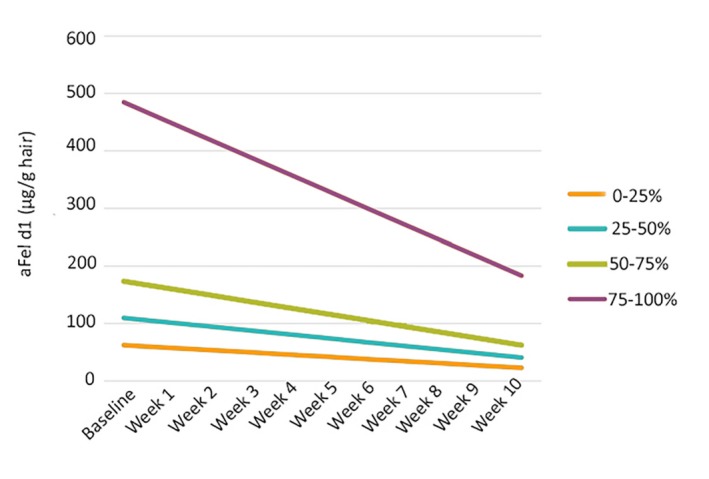
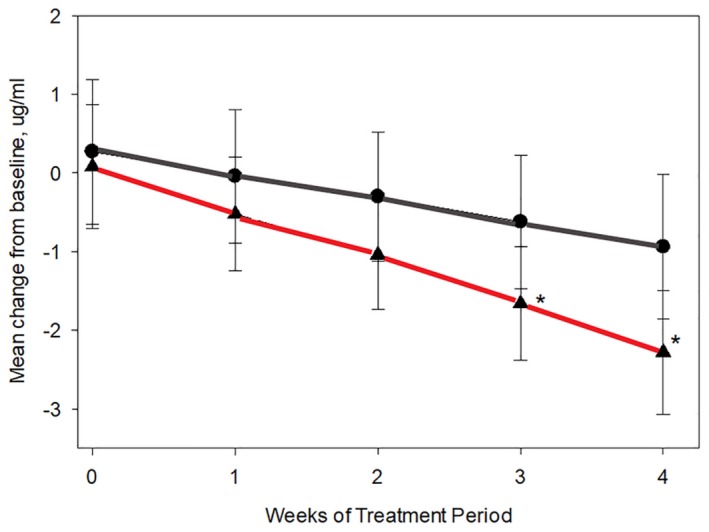
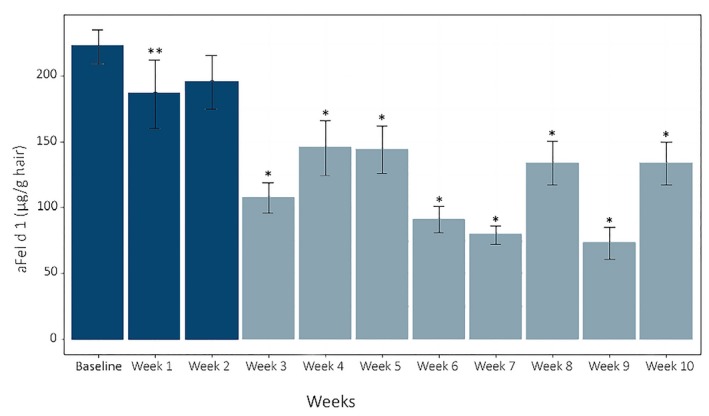
Efficacy of a feline diet with an egg product ingredient containing anti-Fel d 1 IgY antibodies was demonstrated in vitro, ex vivo, and in vivo, and further validated by a pilot exposure study involving cat-allergic human participants.
对猫的过敏是最常见的动物源性过敏,影响全球大约五分之一的成年人。对毛茸茸动物的过敏患病率一直在增加,并且对猫的过敏是哮喘和鼻炎发展的主要危险因素。猫过敏的诊断现已确立。组分分辨诊断在猫过敏诊断中的确切意义仍有待充分理解。变应原回避是有效的,但往往会产生心理影响。变应原免疫疗法的效果并不明显。需要创新方法来更好地管理猫过敏原。下一代哮喘和鼻炎的护理途径将定义猫过敏原回避的地位。
本文基于 2019 年欧洲过敏与临床免疫学学会大会上的内容,提供了有关猫过敏的患病率和影响以及主要猫过敏原 Fel d 1 的分子生物学的信息。
作者提出了一种新的护理途径的科学依据,该途径利用抗 Fel d 1 IgY 抗体在猫产生 Fel d 1 后但在人类暴露之前安全有效地中和 Fel d 1。
含有抗 Fel d 1 IgY 抗体的猫用饮食的功效在体外、离体和体内得到了证实,并通过涉及猫过敏的人类参与者的初步暴露研究进一步验证。