Viral Zoonosis -One Health, Heinrich Pette Institute, Leibniz Institute for Experimental Virology , Hamburg , Germany.
Current address: University of Ulm , Ulm , Germany .
Emerg Microbes Infect. 2019;8(1):1324-1336. doi: 10.1080/22221751.2019.1663131.
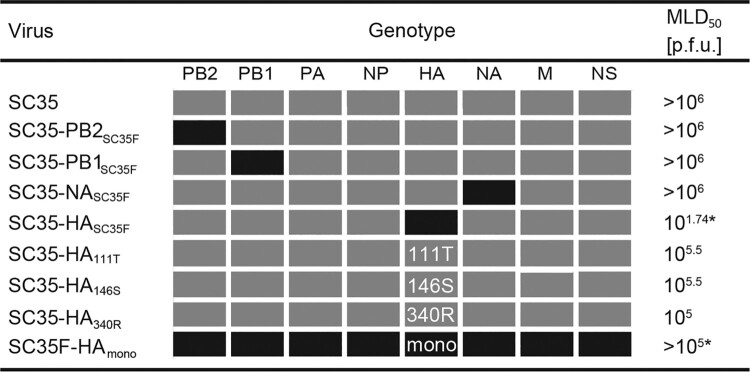
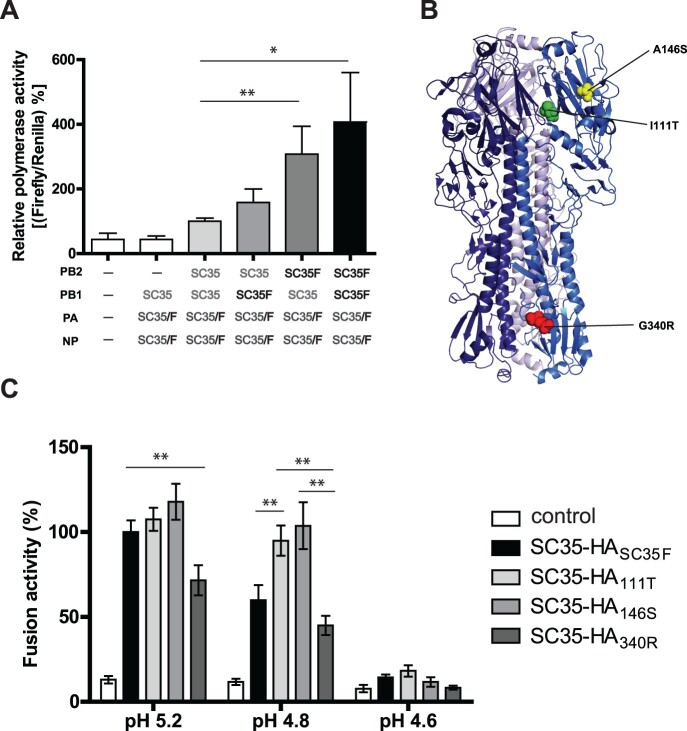
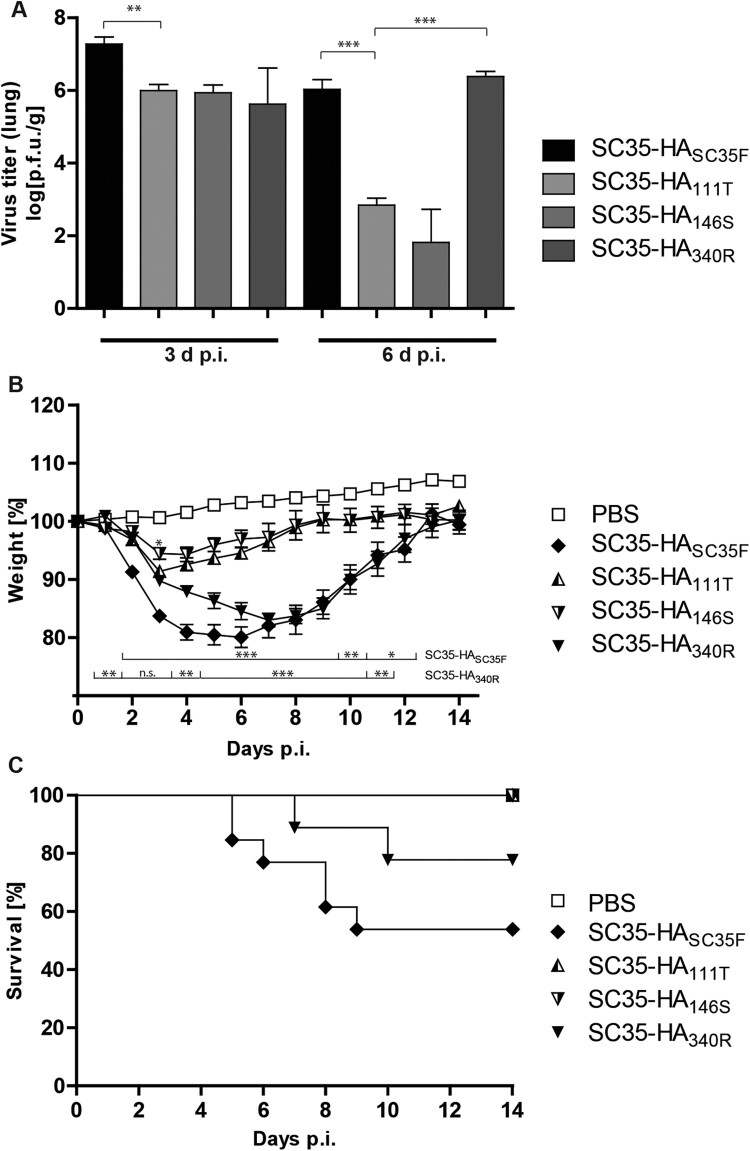
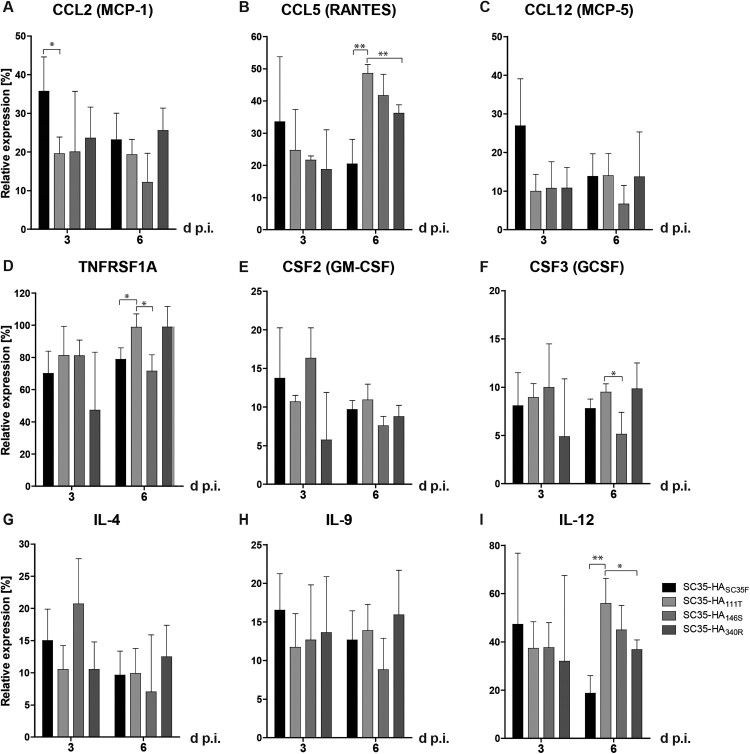
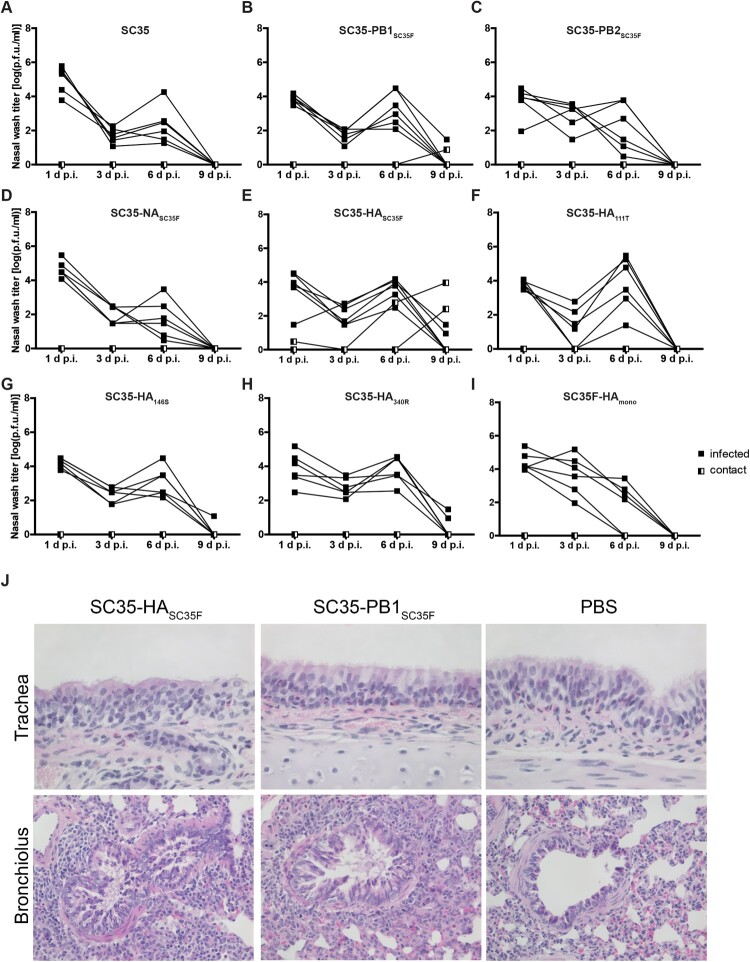
Avian influenza A viruses (AIV) of the H7 subtype continue to evolve posing a pandemic threat. However, molecular markers of H7N7 AIV pathogenicity and transmission in mammals remain poorly understood. In this study, we performed a systematic and analysis by comparing an H7N7 highly pathogenic AIV and its ferret adapted variant. Passaging an H7N7 AIV in ferrets led to six mutations in genes encoding the viral polymerase complex and the viral surface proteins. Here, we show that mutations in the H7 hemagglutinin gene cause increased pathogenicity in mice. Contact transmission between guinea pigs required additional mutations in the gene encoding the polymerase subunit PB1. Thus, particular vigilance is required with respect to HA and PB1 mutations as predictive molecular markers to assess the pandemic risk posed by emerging H7 avian influenza viruses.
禽流感病毒(AIV)的 H7 亚型不断进化,构成了大流行的威胁。然而,H7N7 AIV 在哺乳动物中致病和传播的分子标志物仍知之甚少。在这项研究中,我们通过比较一株高致病性 H7N7 AIV 及其适应雪貂的变异株,进行了系统的分析。在雪貂中传代 H7N7 AIV 导致编码病毒聚合酶复合物和病毒表面蛋白的基因发生了六个突变。在这里,我们表明,血凝素(HA)基因的突变导致在小鼠中的致病性增加。豚鼠之间的接触传播需要聚合酶亚基 PB1 编码基因的额外突变。因此,需要特别警惕 HA 和 PB1 突变,因为它们是预测性的分子标志物,可用于评估新兴 H7 禽流感病毒带来的大流行风险。