Gerstlé Jacques, Nai Alessandro
Université Paris 1 Panthéon-Sorbonne, France.
University of Amsterdam, The Netherlands.
Eur J Commun. 2019 Aug;34(4):410-444. doi: 10.1177/0267323119861875. Epub 2019 Jul 16.
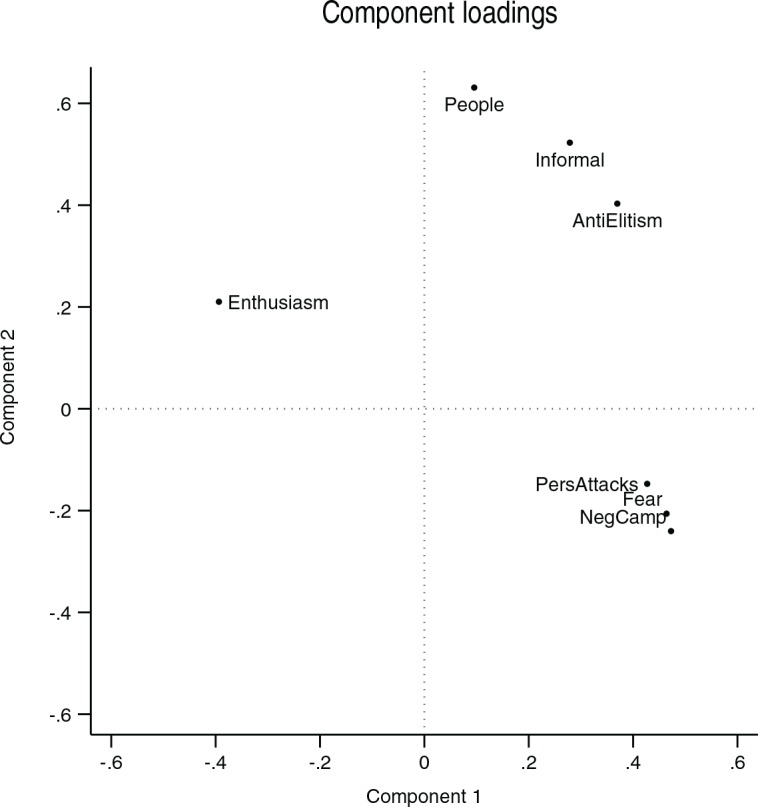
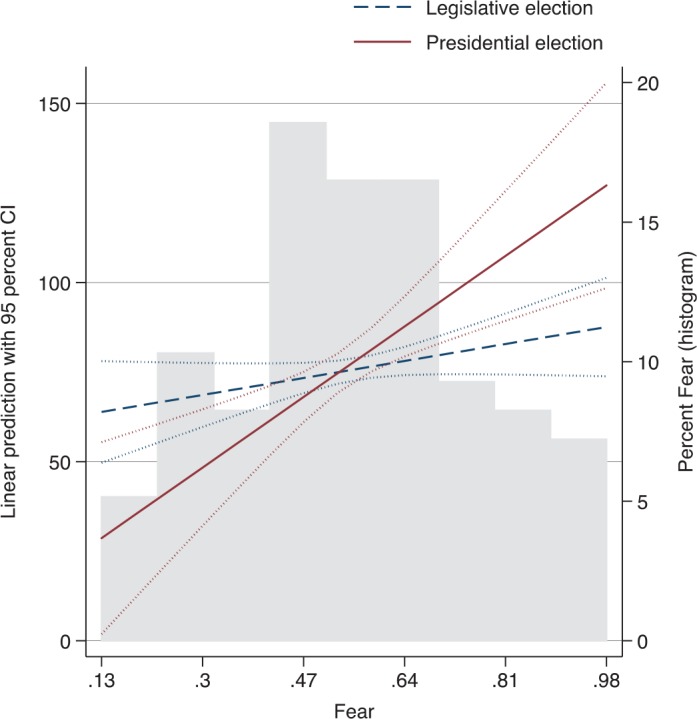
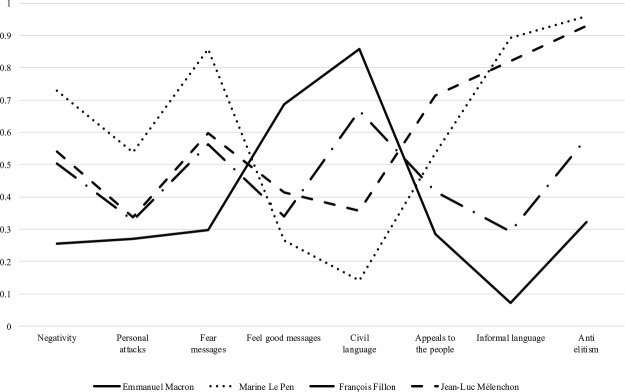
Very little is known in broad comparative terms about the nature and content of election campaigns. In this article, we present the first systematic and comparative assessment of the electoral campaigns of candidates having competed in elections across the world along three dimensions: negative campaigning, emotional campaigning and populist rhetoric. We do so by introducing a new dataset, based on expert judgements, that allows us to retrace the content of campaigns of 97 candidates having competed in 43 elections worldwide between 2016 and 2018. To put the importance of these three dimensions of electoral campaigns into perspective, we comparatively assess the extent to which these three dimensions are more or less likely to capture the attention of news media and to determine the electoral fate of those who rely on them. Our analyses reveal that negativity and emotionality significantly and substantially drive media coverage and electoral results: more positive and enthusiasm-based campaigns increase media attention, but so do campaigns based on personal attacks and fear appeals, especially during presidential elections and when the number of competing candidates is lower. Looking at electoral success, negativity backlashes overall, and yet personal attacks can be used successfully to increase the chances of an electoral victory. Furthermore, both appeals to enthusiasm (but not when a lot of candidates compete) and fear (especially in presidential elections) work as intended to capture the attention of the public and transform it into better electoral fortunes. We also discuss the results of a case study of the 2017 French presidential election, where we compare the campaigns of four leading candidates (Emmanuel Macron, Marine Le Pen, François Fillon and Jean-Luc Mélenchon); results of the case study offer interesting insights to understand the general trends, and beyond.
从广泛的比较角度来看,我们对竞选活动的性质和内容了解甚少。在本文中,我们首次对参与全球选举的候选人的竞选活动进行了系统的比较评估,评估维度有三个:负面竞选、情感化竞选和民粹主义言论。我们通过引入一个基于专家判断的新数据集来做到这一点,该数据集使我们能够追溯2016年至2018年期间在全球43次选举中参与竞选的97名候选人的竞选内容。为了正确看待竞选活动这三个维度的重要性,我们比较评估了这三个维度在多大程度上或多或少可能吸引新闻媒体的关注,并决定依赖这些维度的候选人的选举命运。我们的分析表明,负面性和情感性显著且实质性地推动了媒体报道和选举结果:更积极且基于热情的竞选活动会增加媒体关注度,但基于人身攻击和恐惧诉求的竞选活动也会如此,尤其是在总统选举期间以及竞争候选人数量较少时。从选举成功的角度来看,负面性总体上会产生反作用,但人身攻击可以成功地用来增加选举胜利的机会。此外,对热情的诉求(但在有很多候选人竞争时则不然)和恐惧诉求(尤其是在总统选举中)都能按预期吸引公众的关注,并将其转化为更好的选举运势。我们还讨论了2017年法国总统选举的案例研究结果,在该研究中我们比较了四位主要候选人(埃马纽埃尔·马克龙、玛丽娜·勒庞、弗朗索瓦·菲永让 - 吕克·梅朗雄)的竞选活动;该案例研究的结果为理解总体趋势及其他方面提供了有趣的见解。