Zheng Zhong, Ji Haotian, Zong Wenbo, Ran Qiuju, Wang Xinxin, Yang Xi, Zhao Zhuo, Yang Chengjun, Xiao Yechen
Department of Biochemistry and Molecular Biology, College of Basic Medical Science, Jilin University, Changchun, 130021, China.
School of Life Science, Jilin Normal University, Siping, 136000, China.
AMB Express. 2019 Sep 18;9(1):150. doi: 10.1186/s13568-019-0875-5.
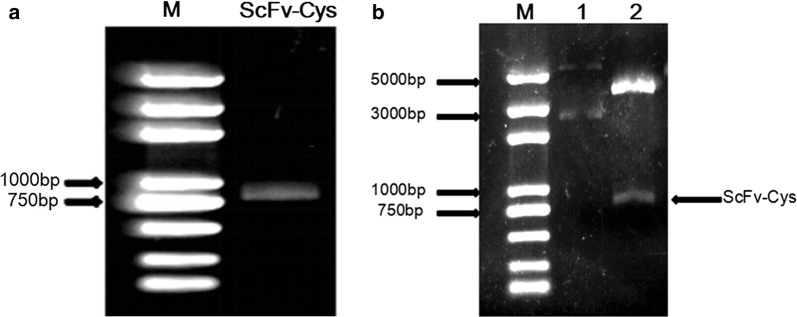
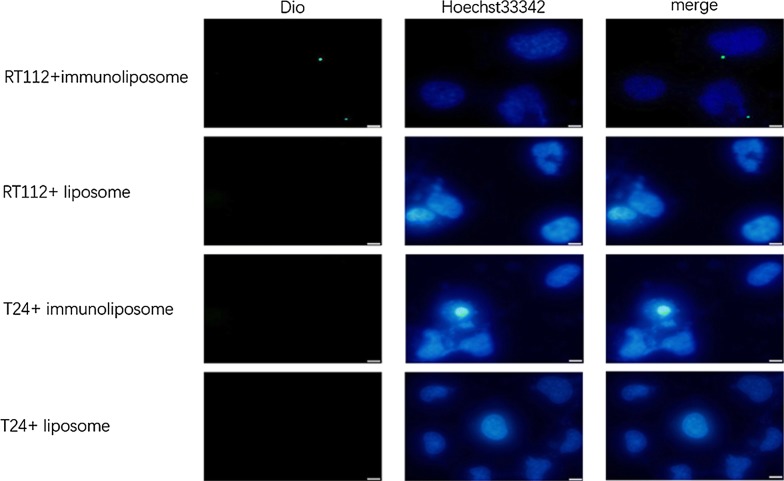
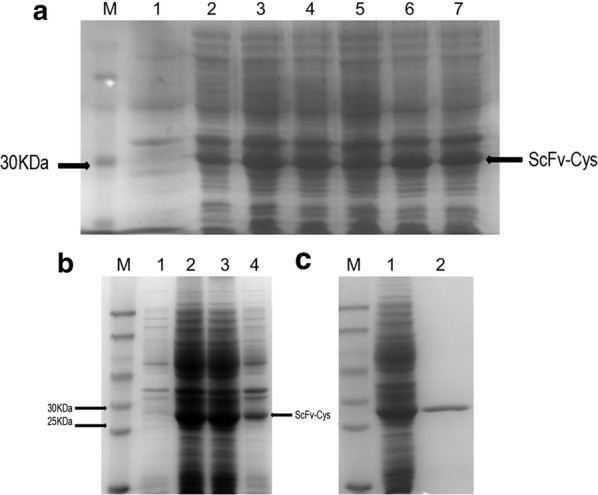
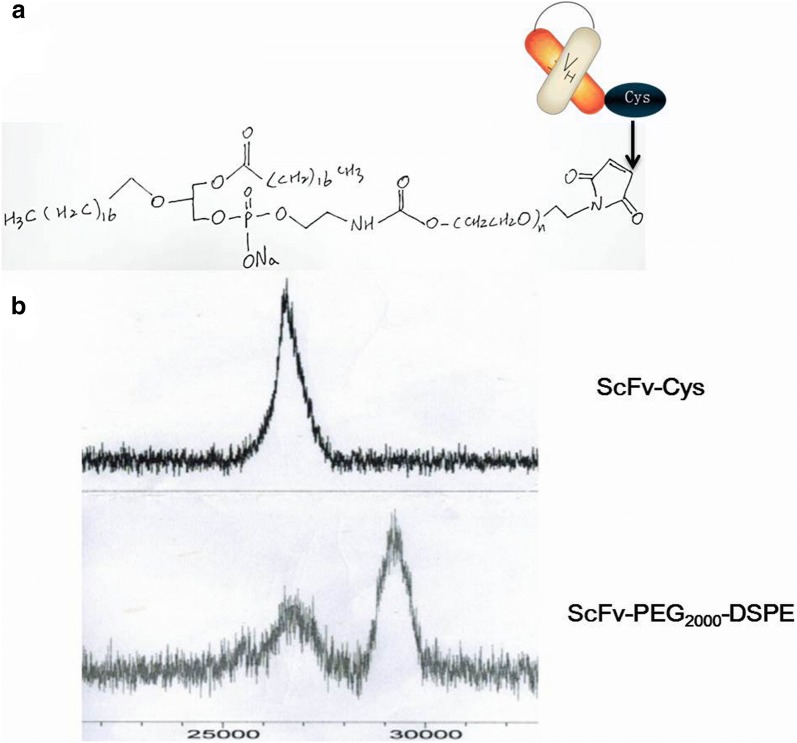
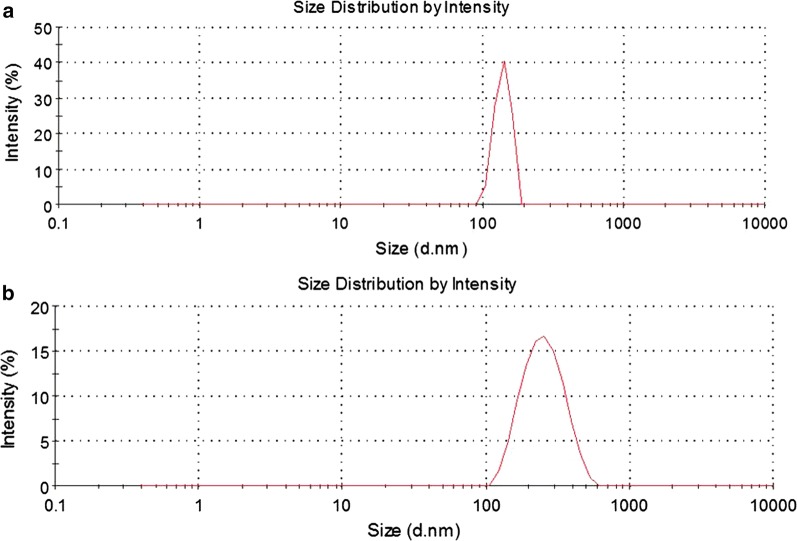
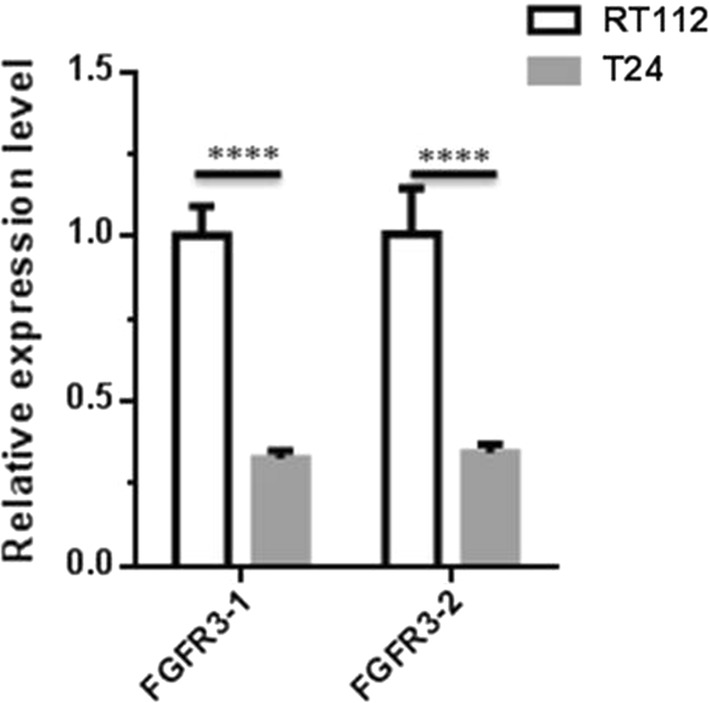
Fibroblast growth factor receptor 3 (FGFR3) plays an important regulatory role in tumor cell proliferation and drug resistance. FGFR3 is often constitutively active in many tumors. To deliver drugs into tumor cells by targeting FGFR3 will be a promising and potential strategy for cancer therapy. In this study, a novel fusion protein, ScFv-Cys containing a single chain variable fragment (ScFv) and an additional C-terminal cysteine residue, was generated at a rate of 10 mg/L of bacterial culture and purified at 95% by Ni-NTA chromatography. Subsequently, the recombinant ScFv-Cys was coupled with malPEG2000-DSPE and incorporated into liposomes to generate the immunoliposomes. The results indicated that immunoliposomes can specifically deliver the fluorescent molecules, Dio into bladder cancer cells highly expressing FGFR3. In conclusion, we successfully generated FGFR3-specific immunoliposomes, and proved its targeting effect and delivering ability.
成纤维细胞生长因子受体3(FGFR3)在肿瘤细胞增殖和耐药性方面发挥着重要的调节作用。FGFR3在许多肿瘤中常常处于组成性激活状态。通过靶向FGFR3将药物递送至肿瘤细胞将是一种有前景且具潜力的癌症治疗策略。在本研究中,一种新型融合蛋白,即含单链可变片段(ScFv)和额外C端半胱氨酸残基的ScFv-Cys,以10 mg/L细菌培养物的产量产生,并通过镍-亚氨基二乙酸(Ni-NTA)色谱法纯化至95%。随后,将重组ScFv-Cys与聚乙二醇2000-二硬脂酰磷脂酰乙醇胺(malPEG2000-DSPE)偶联,并掺入脂质体中以生成免疫脂质体。结果表明,免疫脂质体能够将荧光分子二辛酯(Dio)特异性递送至高表达FGFR3的膀胱癌细胞中。总之,我们成功制备了FGFR3特异性免疫脂质体,并证明了其靶向作用和递送能力。