Khramtsov Pavel, Barkina Irina, Kropaneva Maria, Bochkova Maria, Timganova Valeria, Nechaev Anton, Byzov Il'ya, Zamorina Svetlana, Yermakov Anatoly, Rayev Mikhail
Laboratory of Ecological Immunology, Institute of Ecology and Genetics of Microorganisms of the Ural Branch of the Russian Academy of Sciences, Branch of PSRC UB RAS, 13 Golev str., 614081 Perm, Russia.
Department of Microbiology and Immunology, Biology Faculty, Perm State National Research University, 15 Bukirev str., 614000 Perm, Russia.
Nanomaterials (Basel). 2019 Sep 19;9(9):1345. doi: 10.3390/nano9091345.
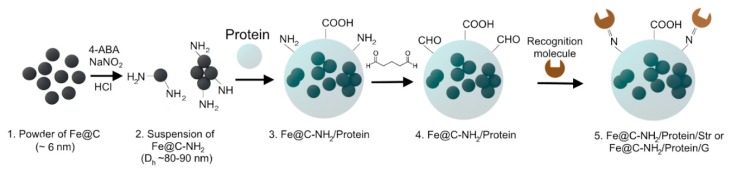
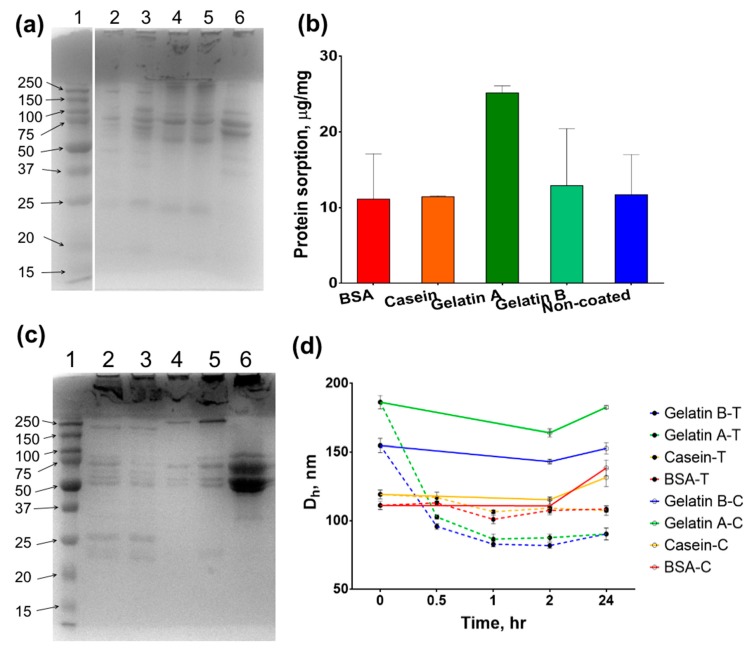
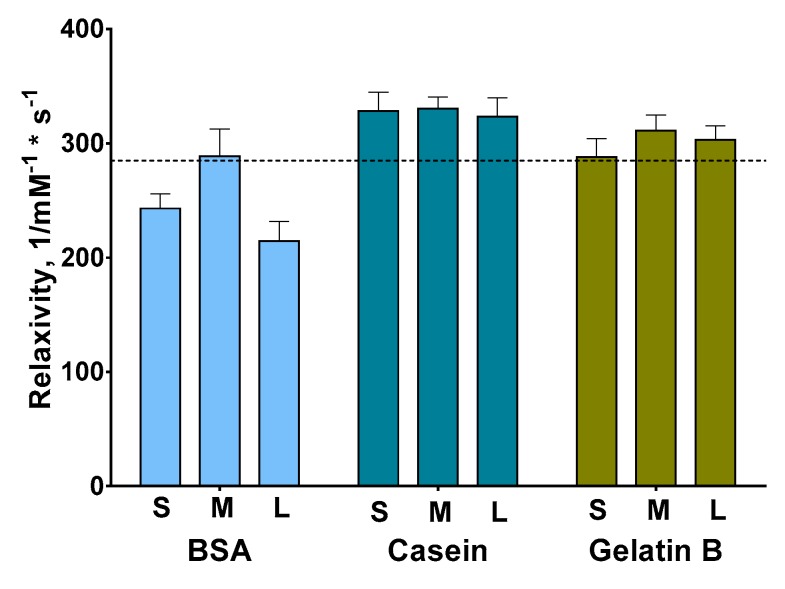
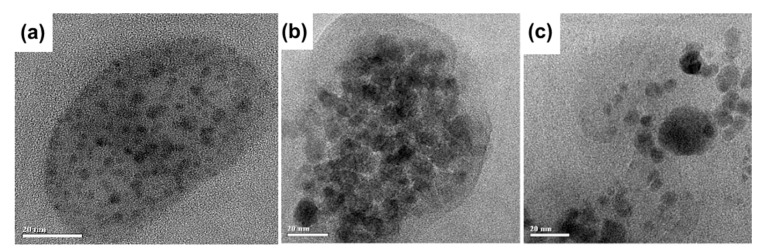
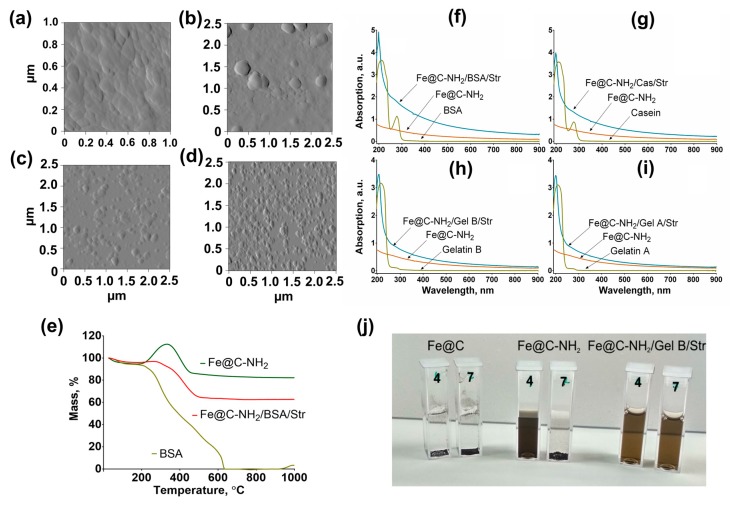
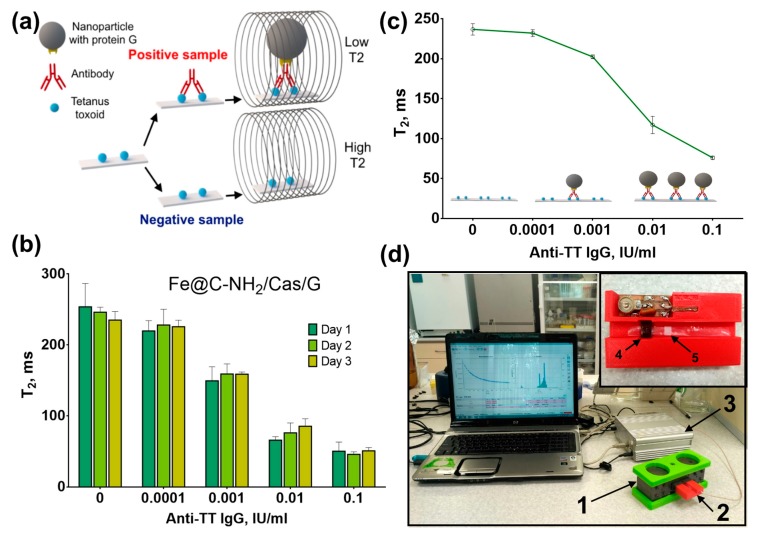
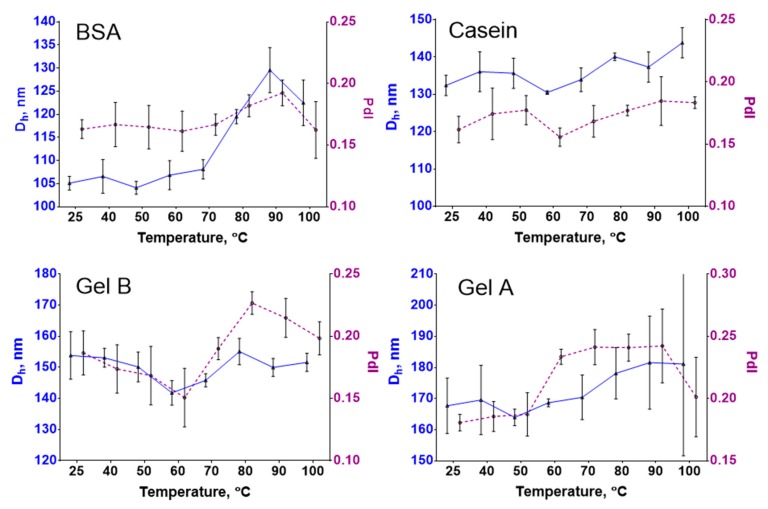
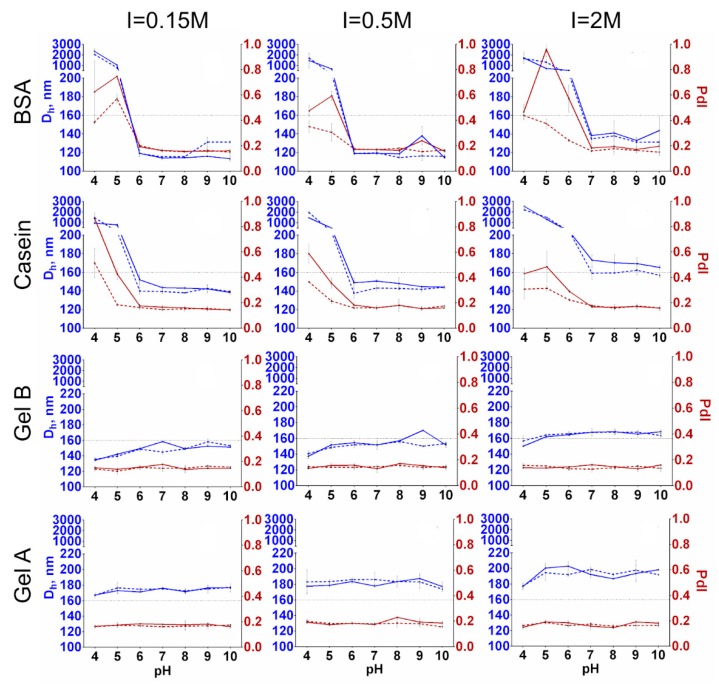
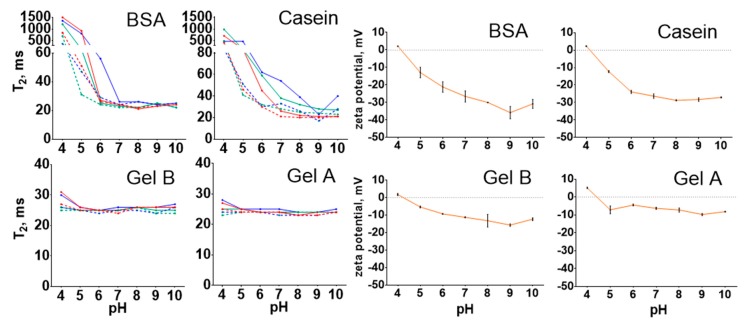
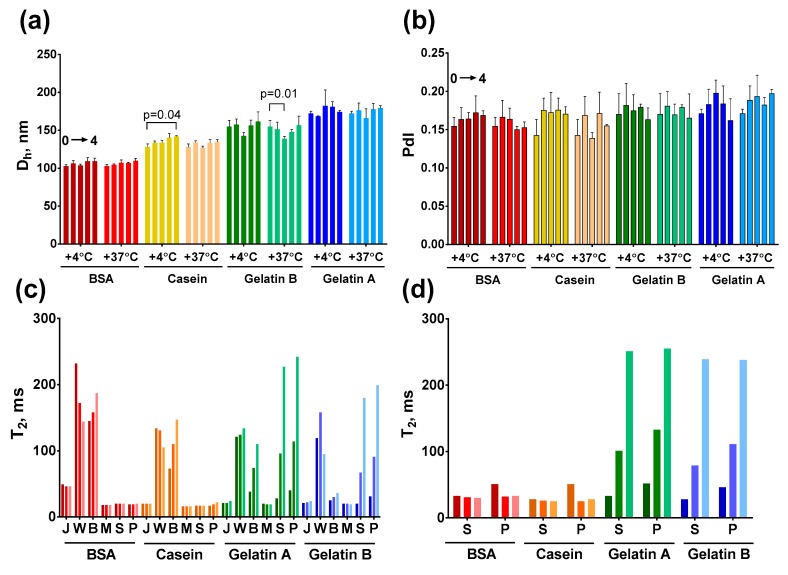
The surface functionalization of magnetic nanoparticles improves their physicochemical properties and applicability in biomedicine. Natural polymers, including proteins, are prospective coatings capable of increasing the stability, biocompatibility, and transverse relaxivity (r2) of magnetic nanoparticles. In this work, we functionalized the nanoclusters of carbon-coated iron nanoparticles with four proteins: bovine serum albumin, casein, and gelatins A and B, and we conducted a comprehensive comparative study of their properties essential to applications in biosensing. First, we examined the influence of environmental parameters on the size of prepared nanoclusters and synthesized protein-coated nanoclusters with a tunable size. Second, we showed that protein coating does not significantly influence the r2 relaxivity of clustered nanoparticles; however, the uniform distribution of individual nanoparticles inside the protein coating facilitates increased relaxivity. Third, we demonstrated the applicability of the obtained nanoclusters in biosensing by the development of a nuclear-magnetic-resonance-based immunoassay for the quantification of antibodies against tetanus toxoid. Fourth, the protein coronas of nanoclusters were studied using SDS-PAGE and Bradford protein assay. Finally, we compared the colloidal stability at various pH values and ionic strengths and in relevant complex media (i.e., blood serum, plasma, milk, juice, beer, and red wine), as well as the heat stability, resistance to proteolytic digestion, and shelf-life of protein-coated nanoclusters.
磁性纳米颗粒的表面功能化改善了它们的物理化学性质以及在生物医学中的适用性。包括蛋白质在内的天然聚合物是有望增加磁性纳米颗粒稳定性、生物相容性和横向弛豫率(r2)的涂层。在这项工作中,我们用四种蛋白质(牛血清白蛋白、酪蛋白以及明胶A和B)对碳包覆铁纳米颗粒的纳米团簇进行了功能化,并对它们在生物传感应用中至关重要的性质进行了全面的比较研究。首先,我们研究了环境参数对制备的纳米团簇尺寸的影响,并合成了尺寸可调的蛋白质包覆纳米团簇。其次,我们表明蛋白质涂层对聚集纳米颗粒的r2弛豫率没有显著影响;然而,单个纳米颗粒在蛋白质涂层内的均匀分布有助于提高弛豫率。第三,我们通过开发一种基于核磁共振的免疫测定法来定量破伤风类毒素抗体,证明了所得纳米团簇在生物传感中的适用性。第四,使用十二烷基硫酸钠-聚丙烯酰胺凝胶电泳(SDS-PAGE)和考马斯亮蓝蛋白测定法研究了纳米团簇的蛋白质冠层。最后,我们比较了蛋白质包覆纳米团簇在不同pH值和离子强度以及相关复杂介质(即血清、血浆、牛奶、果汁、啤酒和红酒)中的胶体稳定性,以及热稳定性、抗蛋白水解消化能力和保质期。