Xu Longlong, Li Jian, Tang Xianglin, Wang Yuguang, Ma Zengchun, Gao Yue
College of Life Science and Bioengineering, Beijing University of Technology, Beijing 100124, China.
Department of Pharmaceutical Sciences, Beijing Institute of Radiation Medicine, Beijing 100850, China.
Molecules. 2019 Sep 23;24(19):3452. doi: 10.3390/molecules24193452.
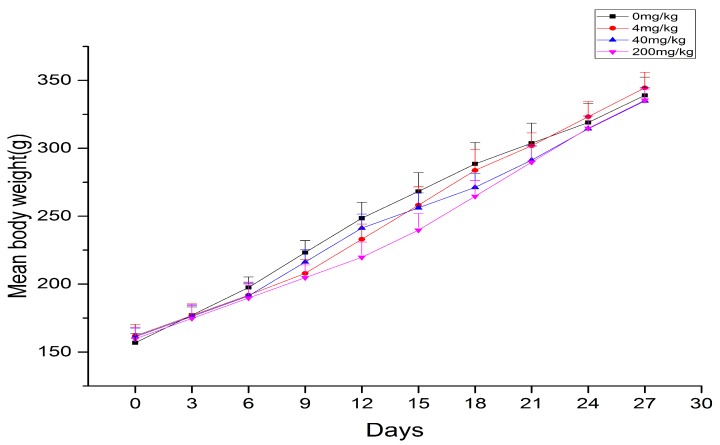
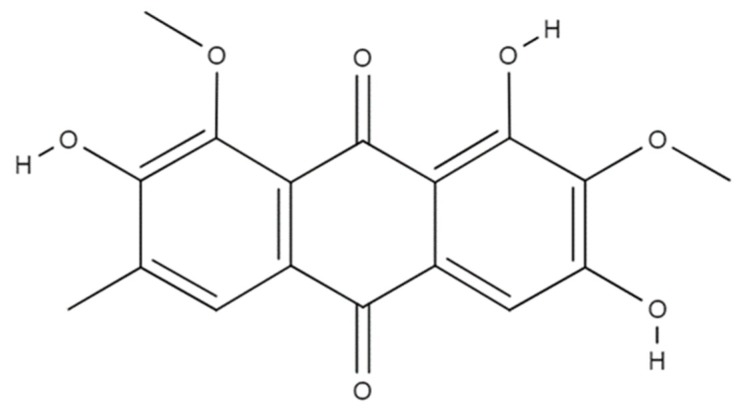
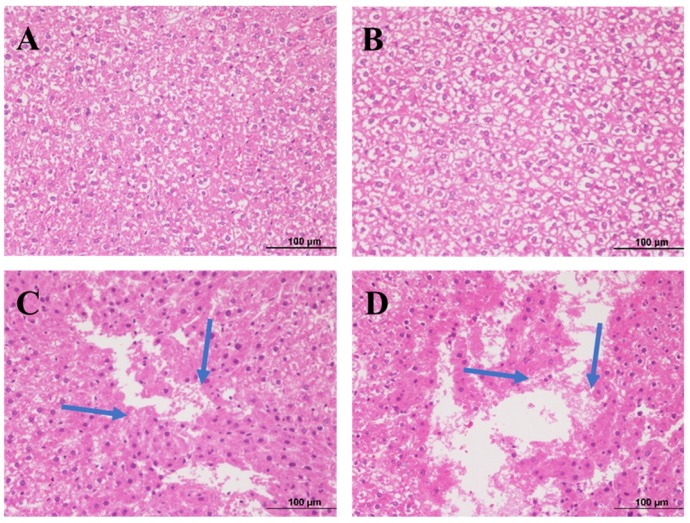
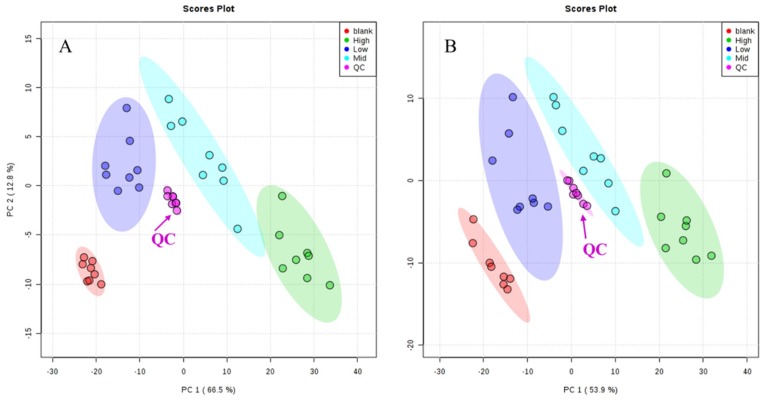
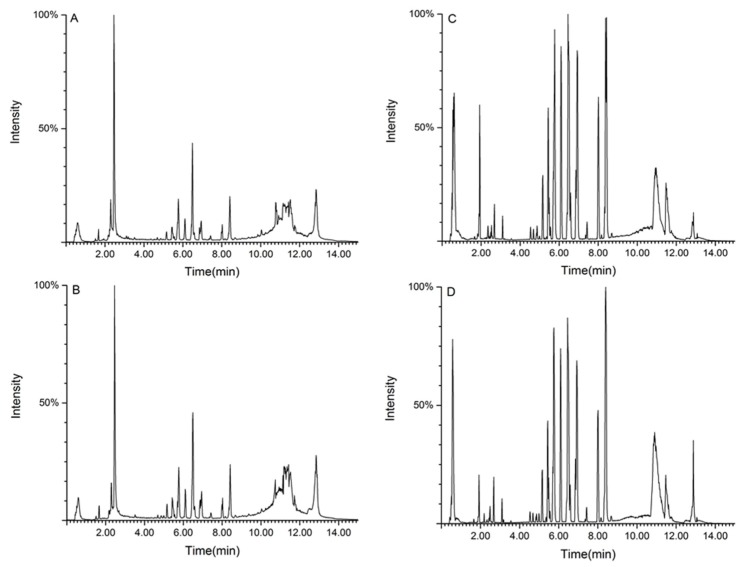
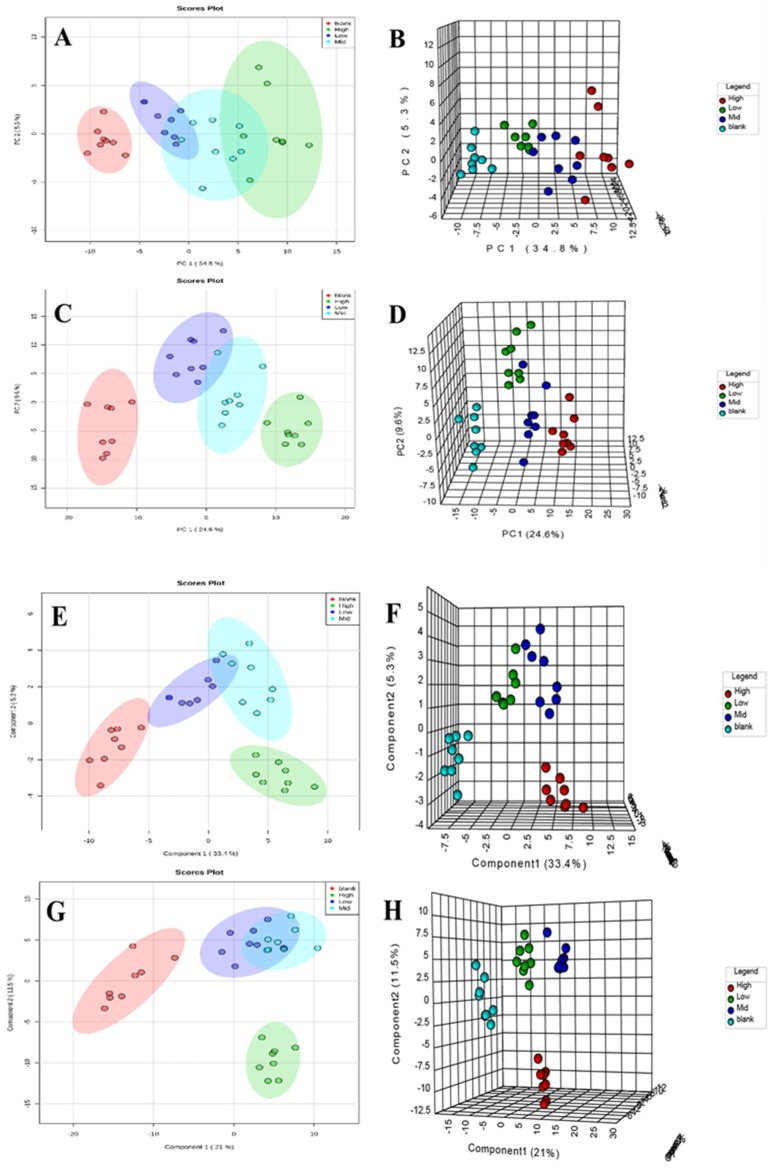
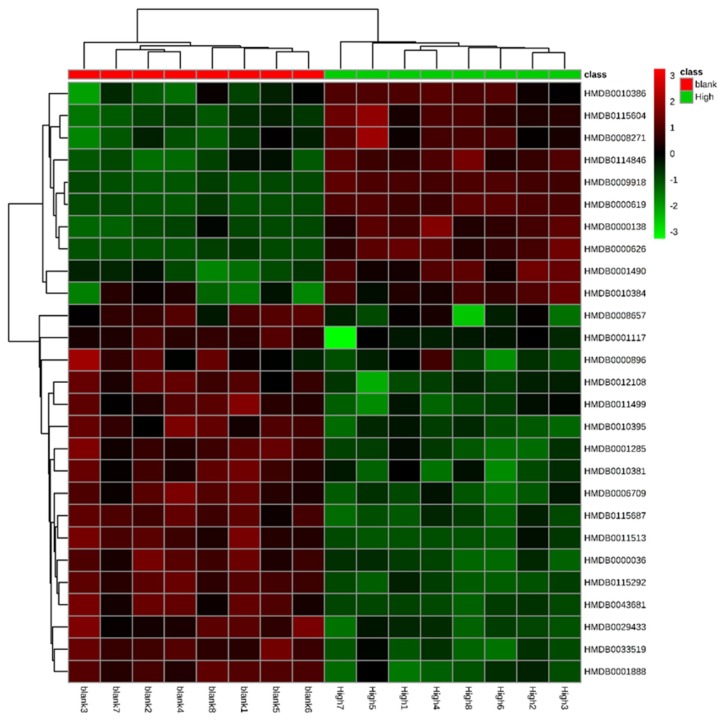
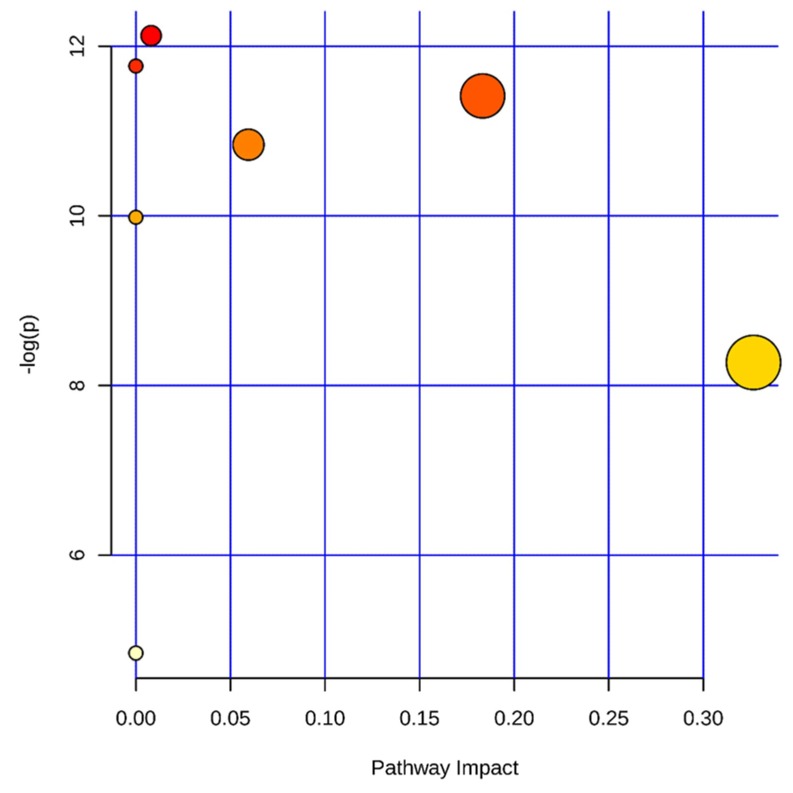
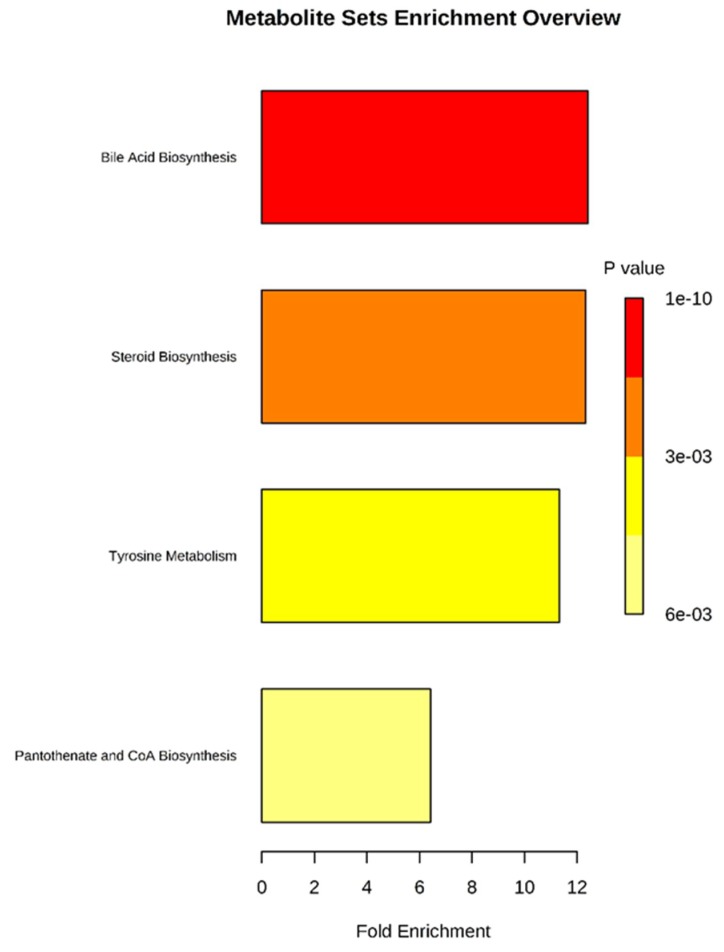
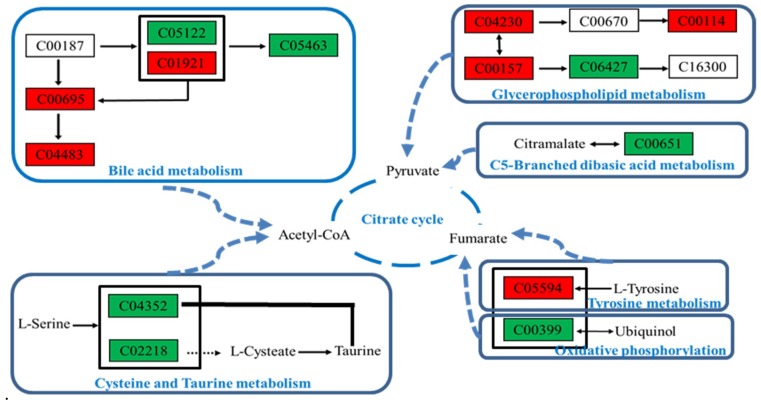
Aurantio-obtusin is an anthraquinone derived from (cassiae semen). It is also used as a tool and a detection index for the identification of cassiae semen, as stipulated by the Chinese Pharmacopoeia. Anthraquinones, the main components in cassiae semen, have been reported to show hepatotoxicity. This study investigates the hepatotoxicity of aurantio-obtusin in male Sprague-Dawley rats. We randomly divided the animals into a blank control group and treated three test groups with different doses of aurantio-obtusin: Low dose (4 mg/kg), medium dose (40 mg/kg), and high dose (200 mg/kg). Each group was treated with aurantio-obtusin for 28 days, whereas the control group was administered an equal volume of 0.5% carboxymethyl cellulose sodium salt (CMC-Na) aqueous solution. Subsequently, we conducted biochemical, hematological, and pathological investigations and determined the weight of different organs. We used serum metabolomics to identify possible biomarkers related to hepatotoxicity. The low-dose group showed no significant liver injury, whereas the medium- and high-dose groups manifested obvious liver injury. Compared with the control group, the test groups showed an increase in alanine transaminase, aspartate transaminase, and alkaline phosphatase levels. The liver organ coefficient also significantly increased. Additionally, we found significant changes in the hematological indices. Metabolomics analysis showed that aurantio-obtusin induced 28 endogenous markers related to liver injury. Our data indicate that aurantio-obtusin induces hepatotoxicity in rat liver in a dose-dependent manner and is mediated by pathways involving bile acids, fatty acids, amino acids, and energy metabolism. In particular, changes in bile acid content during treatment with therapeutic agents containing aurantio-obtusin deserve increased attention.
决明蒽醌是一种从决明子中提取的蒽醌类化合物。《中国药典》规定,它也用作决明子鉴别的工具和检测指标。决明子中的主要成分蒽醌类化合物已被报道具有肝毒性。本研究旨在探讨决明蒽醌对雄性Sprague-Dawley大鼠的肝毒性。我们将动物随机分为空白对照组,并将三个试验组分别用不同剂量的决明蒽醌进行处理:低剂量(4毫克/千克)、中剂量(40毫克/千克)和高剂量(200毫克/千克)。每组用决明蒽醌处理28天,而对照组给予等量的0.5%羧甲基纤维素钠(CMC-Na)水溶液。随后,我们进行了生化、血液学和病理学检查,并测定了不同器官的重量。我们使用血清代谢组学来鉴定与肝毒性相关的潜在生物标志物。低剂量组未显示明显的肝损伤,而中剂量和高剂量组则表现出明显的肝损伤。与对照组相比,试验组的丙氨酸转氨酶、天冬氨酸转氨酶和碱性磷酸酶水平升高。肝脏器官系数也显著增加。此外,我们发现血液学指标有显著变化。代谢组学分析表明,决明蒽醌诱导了28种与肝损伤相关的内源性标志物。我们的数据表明,决明蒽醌以剂量依赖的方式诱导大鼠肝脏产生肝毒性,并且由涉及胆汁酸、脂肪酸、氨基酸和能量代谢的途径介导。特别是,在用含有决明蒽醌的治疗药物治疗期间胆汁酸含量的变化值得更多关注。