Institute of Cell Biology, University of Bern, Bern, Switzerland.
Department of Microbiology and Molecular Medicine, Faculty of Medicine, University of Geneva CMU, Geneva, Switzerland.
Malar J. 2019 Sep 24;18(1):330. doi: 10.1186/s12936-019-2968-7.
The complex life cycle of malaria parasites requires well-orchestrated stage specific gene expression. In the vertebrate host the parasites grow and multiply by schizogony in two different environments: within erythrocytes and within hepatocytes. Whereas erythrocytic parasites are well-studied in this respect, relatively little is known about the exo-erythrocytic stages.
In an attempt to fill this gap, genome wide RNA-seq analyses of various exo-erythrocytic stages of Plasmodium berghei including sporozoites, samples from a time-course of liver stage development and detached cells were performed. These latter contain infectious merozoites and represent the final step in exo-erythrocytic development.
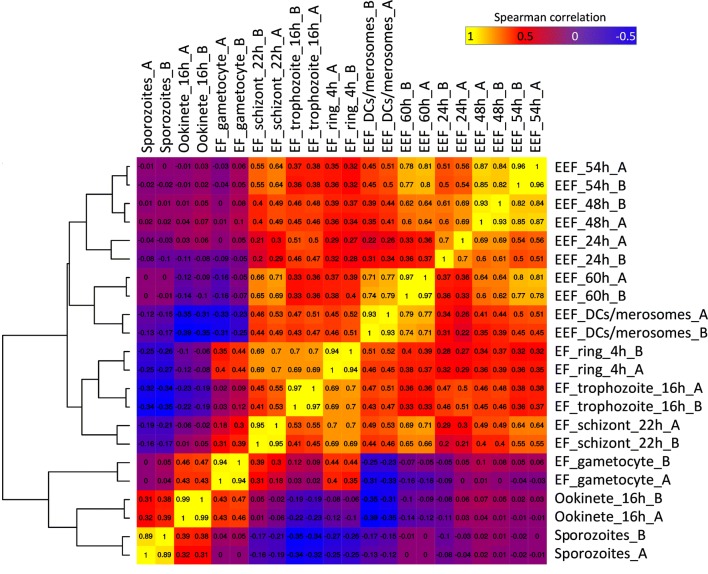
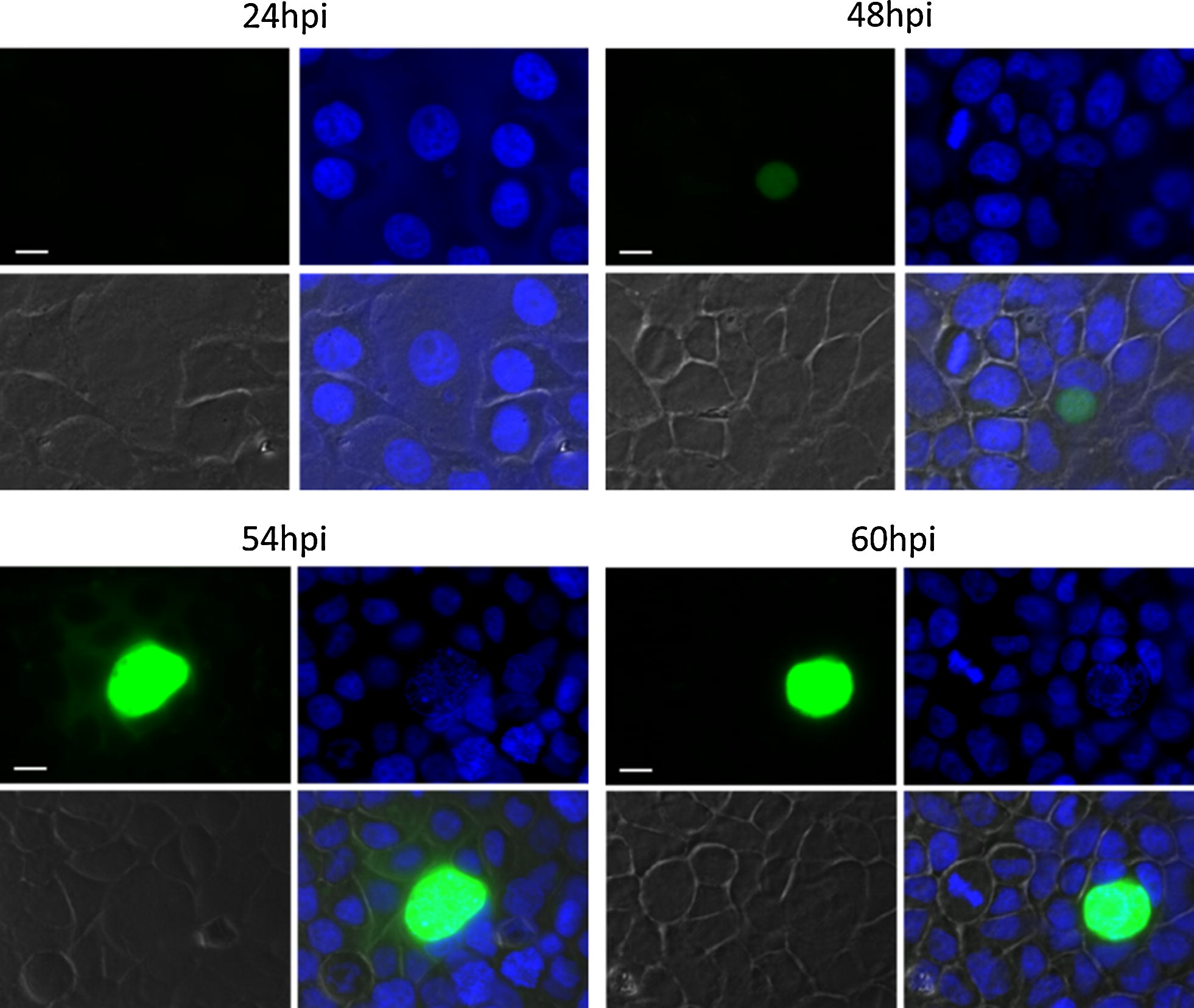
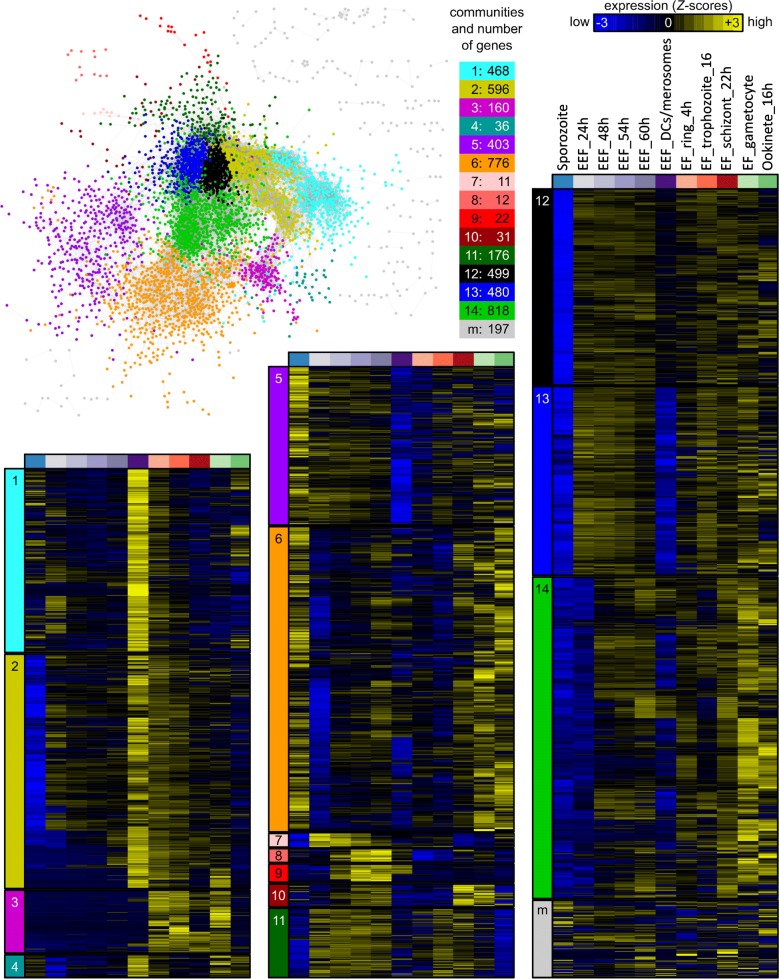
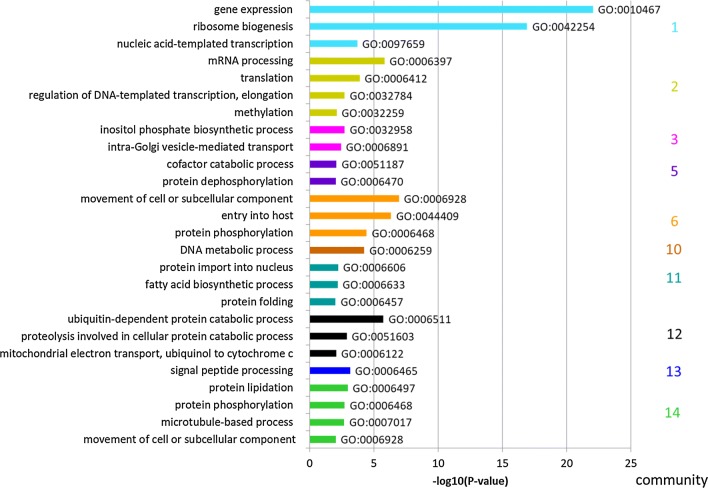
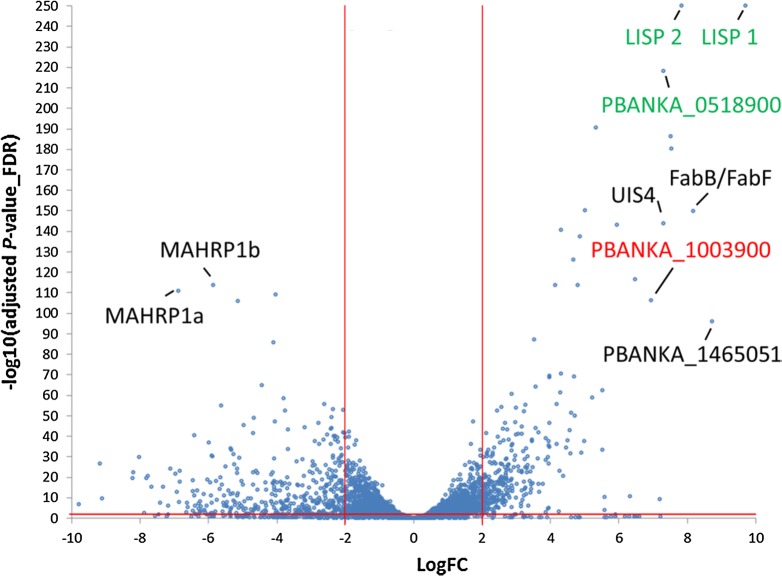
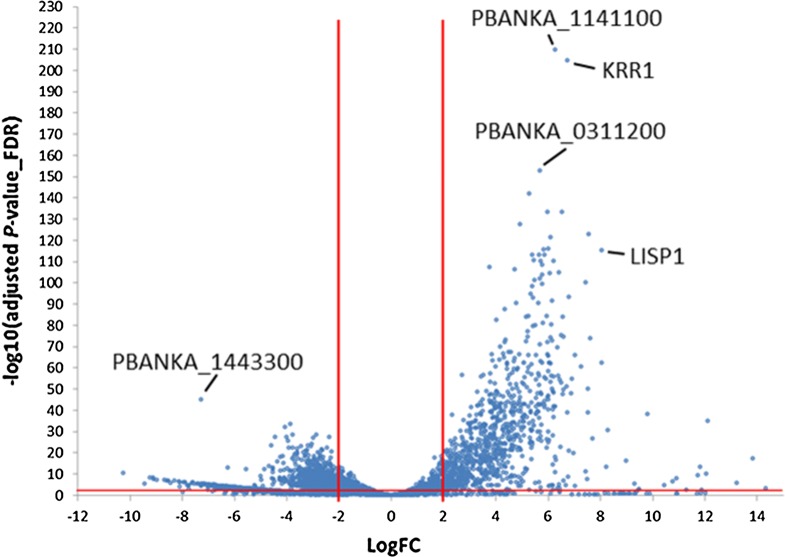
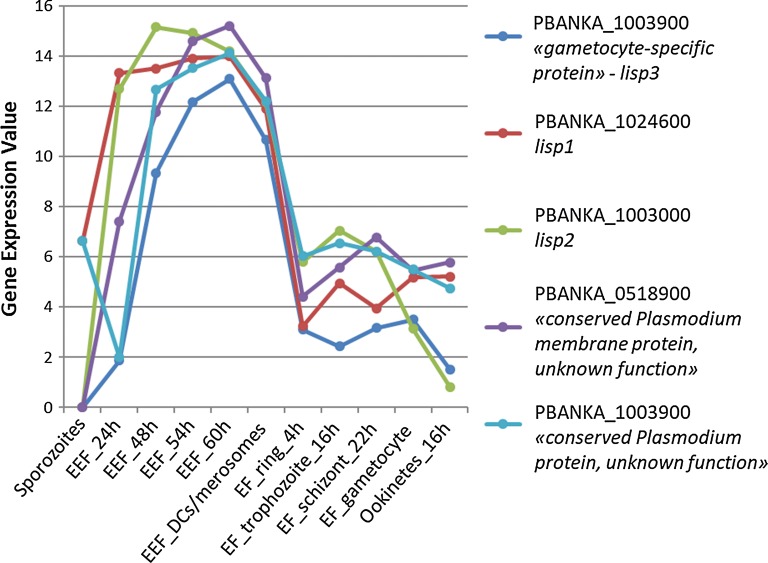
The analysis represents the complete transcriptome of the entire life cycle of P. berghei parasites with temporal detailed analysis of the liver stage allowing comparison of gene expression across the progression of the life cycle. These RNA-seq data from different developmental stages were used to cluster genes with similar expression profiles, in order to infer their functions. A comparison with published data from other parasite stages confirmed stage-specific gene expression and revealed numerous genes that are expressed differentially in blood and exo-erythrocytic stages. One of the most exo-erythrocytic stage-specific genes was PBANKA_1003900, which has previously been annotated as a "gametocyte specific protein". The promoter of this gene drove high GFP expression in exo-erythrocytic stages, confirming its expression profile seen by RNA-seq.
The comparative analysis of the genome wide mRNA expression profiles of erythrocytic and different exo-erythrocytic stages could be used to improve the understanding of gene regulation in Plasmodium parasites and can be used to model exo-erythrocytic stage metabolic networks toward the identification of differences in metabolic processes during schizogony in erythrocytes and hepatocytes.
疟原虫复杂的生命周期需要协调一致的阶段特异性基因表达。在脊椎动物宿主中,寄生虫通过裂殖体在两种不同的环境中生长和繁殖:在红细胞内和在肝细胞内。虽然在这方面对红细胞内寄生虫进行了很好的研究,但对外出红细胞阶段的了解相对较少。
为了填补这一空白,我们对各种疟原虫虫体的外出红细胞阶段(包括子孢子)进行了全基因组 RNA-seq 分析,包括一个肝期发育时间过程的样本和分离细胞。后者包含感染性裂殖子,代表外出红细胞发育的最后一步。
该分析代表了疟原虫寄生虫整个生命周期的完整转录组,对肝期进行了详细的时间分析,使我们能够比较整个生命周期中基因表达的变化。这些来自不同发育阶段的 RNA-seq 数据用于聚类具有相似表达谱的基因,以推断它们的功能。与其他寄生虫阶段发表的数据进行比较证实了阶段特异性基因表达,并揭示了许多在血液和外出红细胞阶段表达不同的基因。最具外出红细胞阶段特异性的基因之一是 PBANKA_1003900,它以前被注释为“配子体特异性蛋白”。该基因的启动子在外出红细胞阶段驱动高 GFP 表达,证实了 RNA-seq 观察到的其表达谱。
对红细胞和不同外出红细胞阶段的全基因组 mRNA 表达谱进行比较分析,可以用来提高对疟原虫基因调控的理解,并可用于模拟外出红细胞阶段代谢网络,以鉴定红细胞和肝细胞裂殖体过程中代谢过程的差异。