O'Halloran Niamh, Khan Sonja, Gilligan Katie, Dwyer Roisin, Kerin Michael, Lowery Aoife
Discipline of Surgery, The Lambe Institute for Translational Research, National University of Ireland Galway, Galway, Ireland.
Breast Cancer (Auckl). 2019 Sep 19;13:1178223419864896. doi: 10.1177/1178223419864896. eCollection 2019.
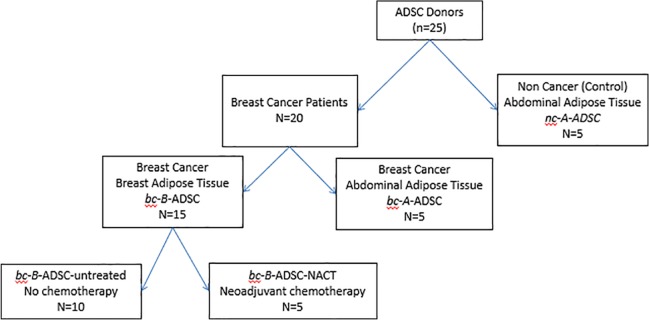
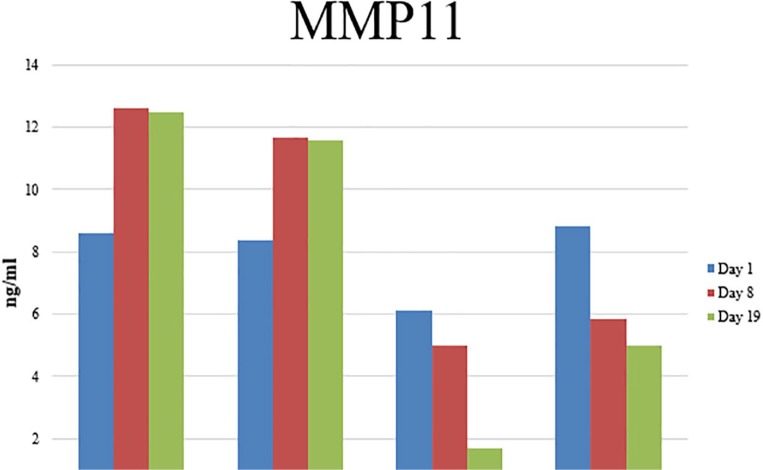
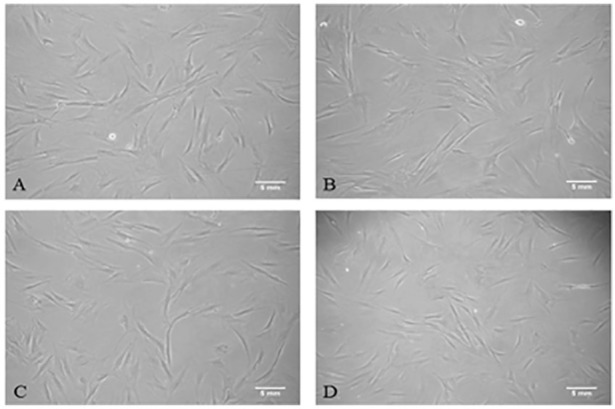
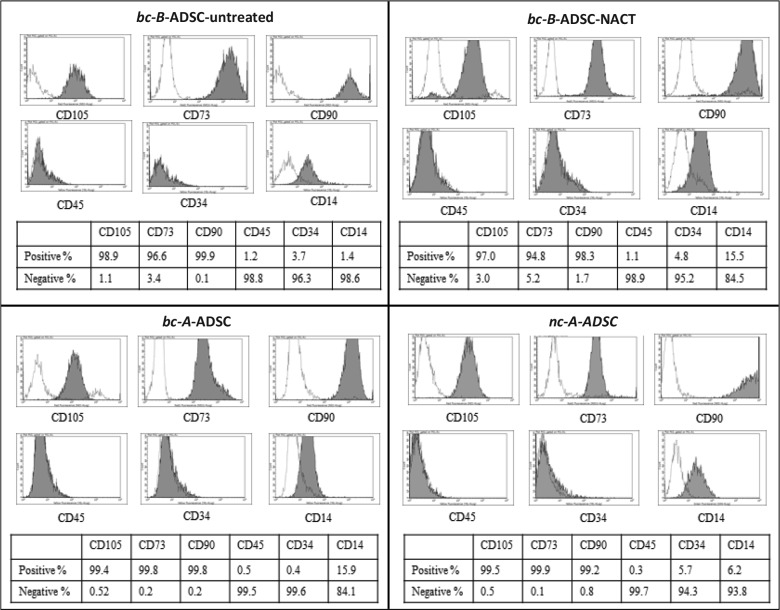
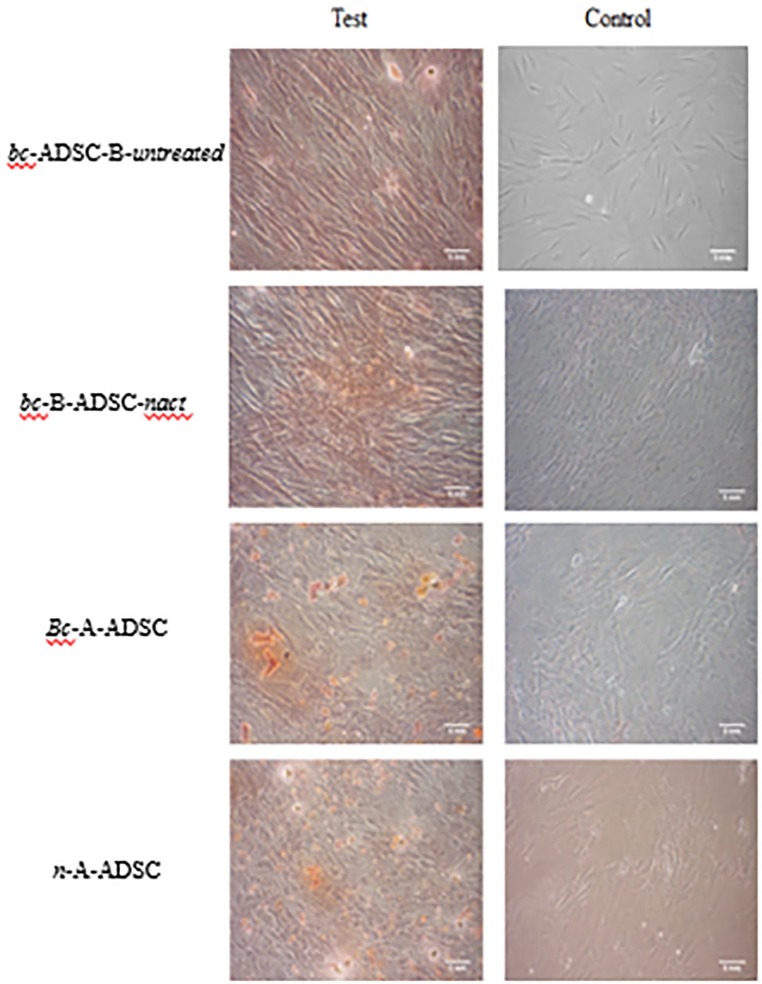
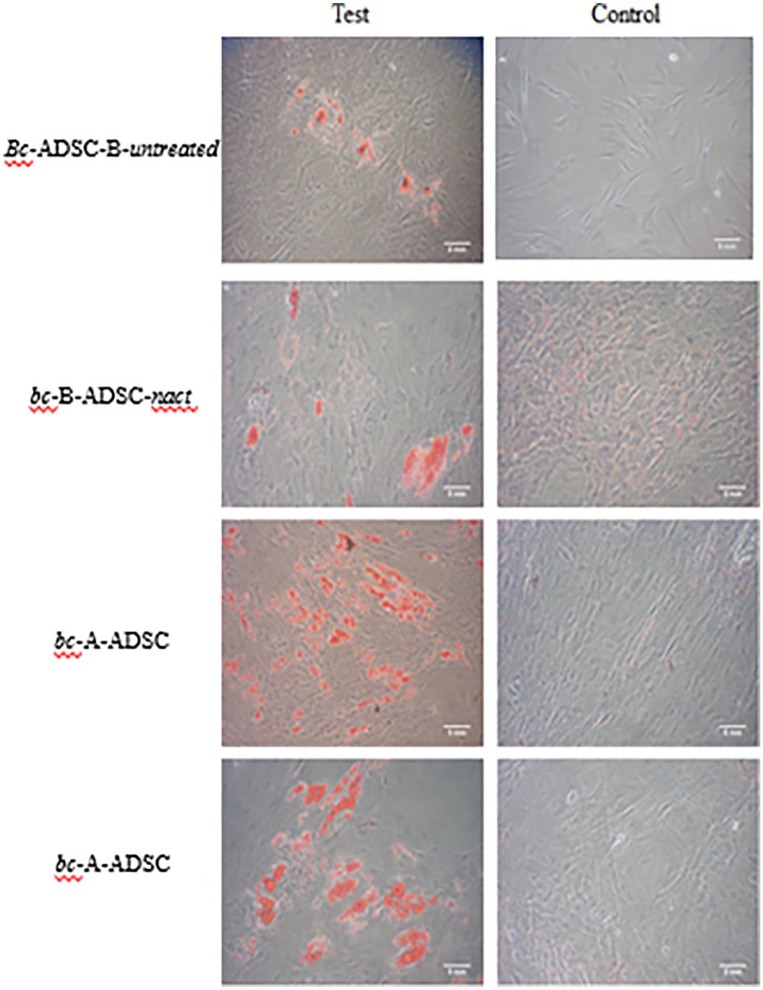
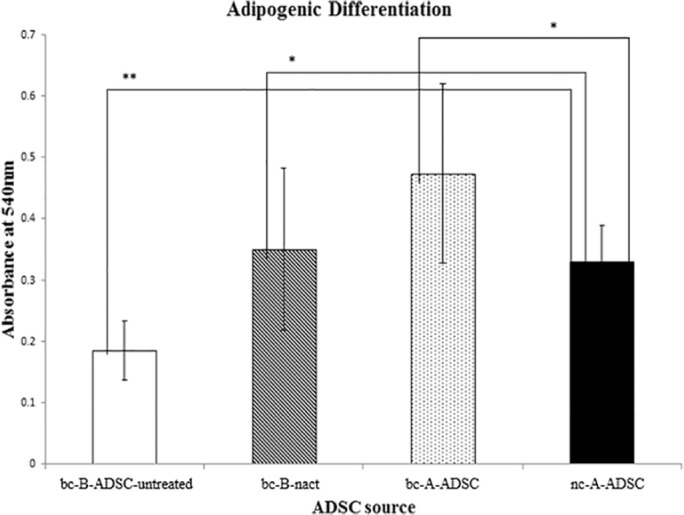
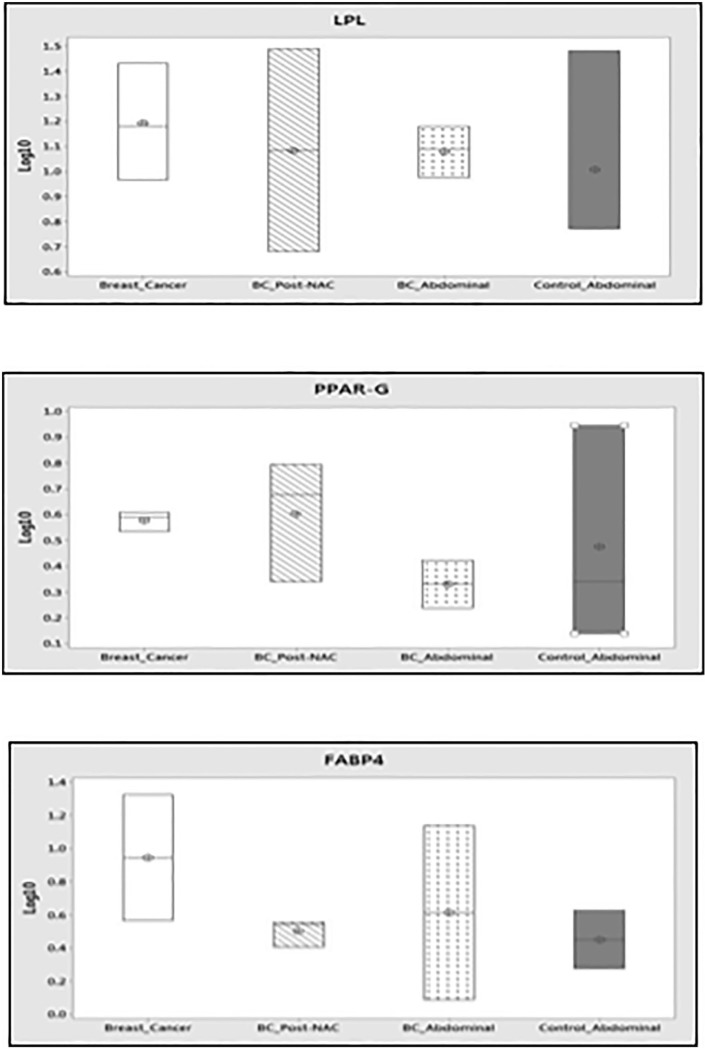
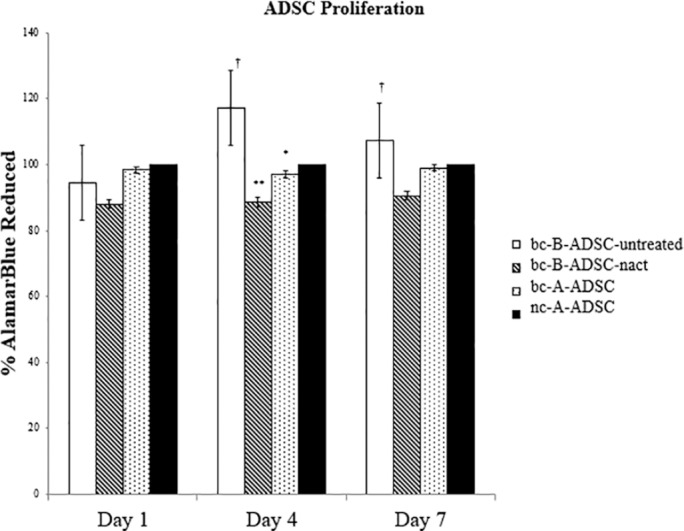
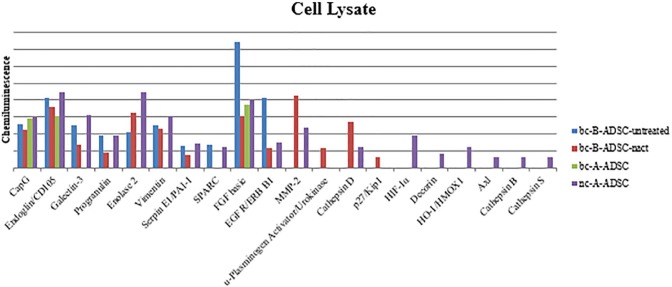
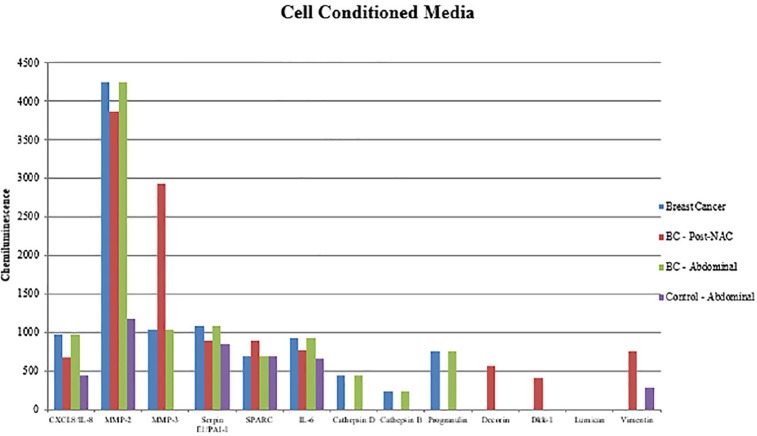
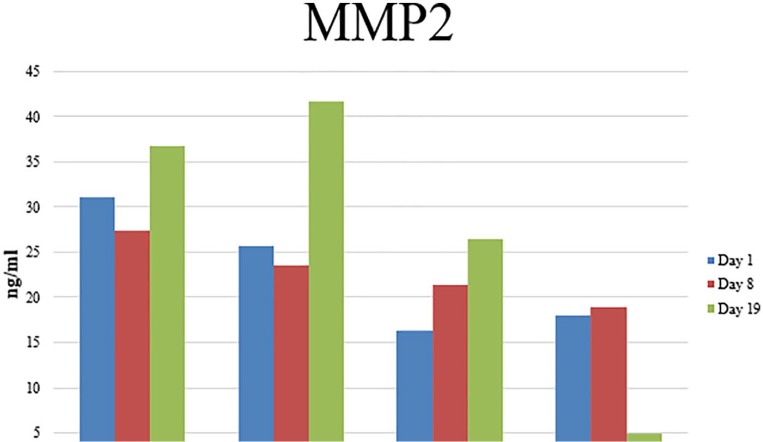
Adipose tissue engineering using adipose-derived stem cells (ADSCs) has emerged as an opportunity to develop novel approaches to postmastectomy breast reconstruction with the potential for an autologous tissue source with a natural appearance and texture. As of yet, the role of ADSCs in breast cancer development and metastasis is not completely understood; therefore, we must consider the oncological safety of employing an autologous source of ADSCs for use in breast regeneration. This study investigated the regenerative properties of ADSCs isolated from breast cancer patients, including those who had received neoadjuvant chemotherapy, and noncancer controls. The ADSCs were characterised for several parameters central to tissue regeneration, including cell viability, proliferation, differentiation potential, and cytokine secretion. A stem cell population was isolated and confirmed by flow cytometry and multilineage differentiation. There was no difference in cell phenotype or surface antigen expression between ADSCs from different sources. Adipose-derived stem cells isolated from the breast of cancer patients exhibited reduced adipogenic differentiation potential compared with ADSCs from other sources. The greatest degree of adipogenic differentiation was observed in ADSCs isolated from the subcutaneous abdominal fat of noncancer controls. The proliferation rate of ADSCs isolated from the breast of cancer patients was increased compared with other sources; however, it was decreased in ADSCs isolated from breast cancer patients who had recently been treated with neoadjuvant chemotherapy. A number of cytokines were detected in the cell conditioned media of ADSCs from different sources, including matrix metalloproteinase-2 (MMP-2), which was detected at higher levels in the secretome of ADSCs from breast cancer patients compared with noncancer controls. This study provides important information relating to the suitability of ADSCs as an autologous cell source for adipose tissue engineering in postcancer reconstruction. Results indicate that while the surface phenotype does not differ, the differentiation capacity, proliferative rate, and secreted cytokine profile are affected by the presence or treatment of breast cancer. These findings support further investigation into the regenerative potential of these ADSCs, if they are to be considered in clinical reconstructive strategies.
利用脂肪来源干细胞(ADSCs)进行脂肪组织工程,为开发乳房切除术后乳房重建的新方法带来了契机,有望提供具有自然外观和质地的自体组织来源。迄今为止,ADSCs在乳腺癌发生和转移中的作用尚未完全明确;因此,我们必须考虑使用ADSCs自体来源用于乳房再生的肿瘤学安全性。本研究调查了从乳腺癌患者(包括接受过新辅助化疗的患者)以及非癌症对照者中分离出的ADSCs的再生特性。对ADSCs的几个组织再生关键参数进行了表征,包括细胞活力、增殖、分化潜能和细胞因子分泌。通过流式细胞术和多系分化分离并确认了干细胞群体。不同来源的ADSCs在细胞表型或表面抗原表达上没有差异。与其他来源的ADSCs相比,从癌症患者乳房中分离出的脂肪来源干细胞表现出较低的成脂分化潜能。在从非癌症对照者腹部皮下脂肪中分离出的ADSCs中观察到最大程度的成脂分化。与其他来源相比,从癌症患者乳房中分离出的ADSCs的增殖率有所增加;然而,在最近接受新辅助化疗的乳腺癌患者分离出的ADSCs中,增殖率降低。在不同来源的ADSCs的细胞条件培养基中检测到多种细胞因子,包括基质金属蛋白酶-2(MMP-2),与非癌症对照相比,在乳腺癌患者ADSCs的分泌组中检测到的MMP-2水平更高。本研究提供了有关ADSCs作为癌症后重建中脂肪组织工程自体细胞来源适用性的重要信息。结果表明,虽然表面表型没有差异,但分化能力、增殖率和分泌的细胞因子谱会受到乳腺癌的存在或治疗的影响。如果要在临床重建策略中考虑这些ADSCs,这些发现支持对其再生潜力进行进一步研究。