Singh Rajendra K, Knowles Jonathan C, Kim Hae-Won
Institute of Tissue Regeneration Engineering (ITREN), Dankook University, Cheonan, Republic of Korea.
Department of Nanobiomedical Science and BK21 PLUS NBM Global Research Center for Regenerative Medicine, Dankook University, Cheonan, Republic of Korea.
J Tissue Eng. 2019 Sep 17;10:2041731419877528. doi: 10.1177/2041731419877528. eCollection 2019 Jan-Dec.
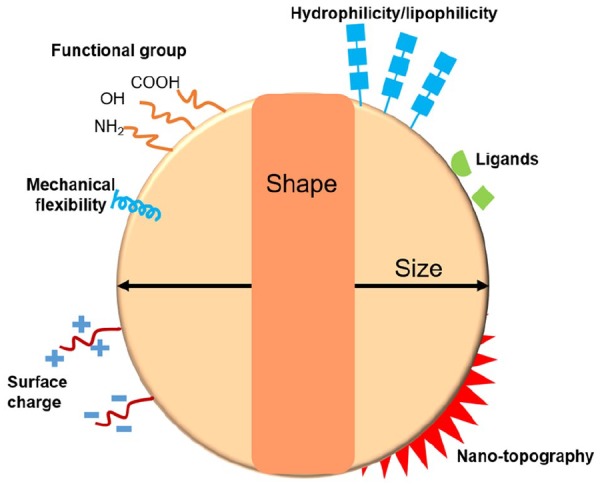
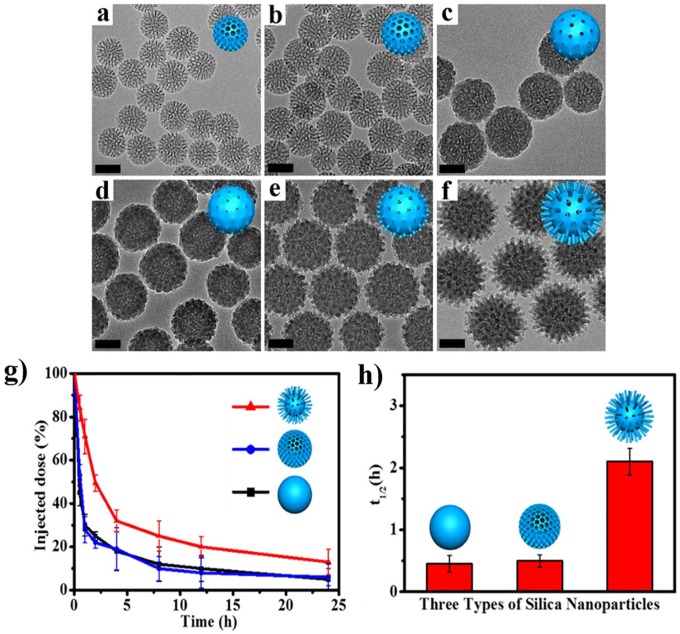
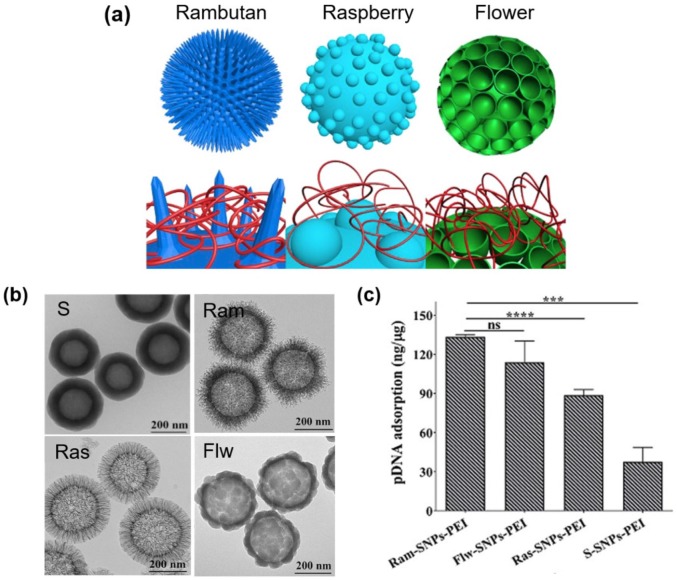
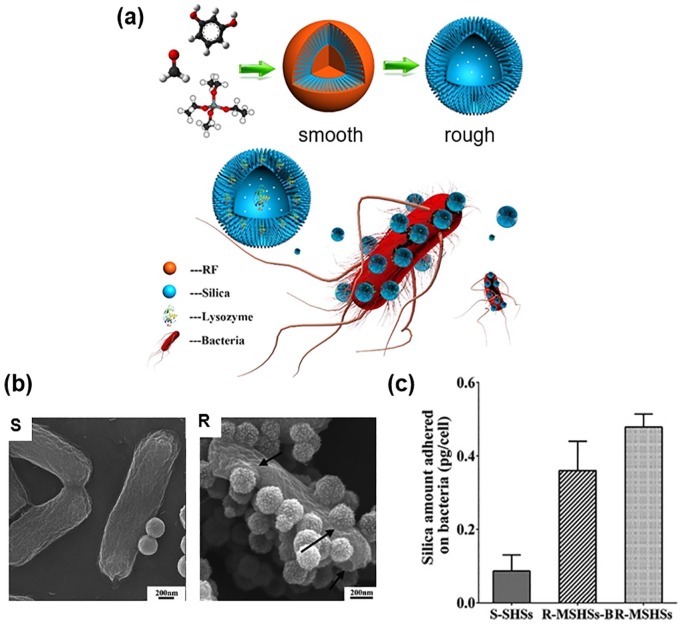
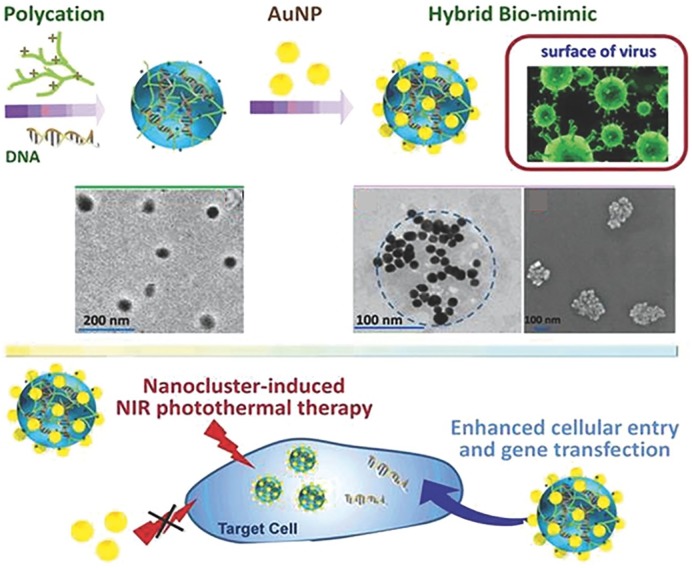
Nanoparticle-based therapeutics delivery holds great promise for the treatment of intractable diseases. The high loading of drug molecules and their precise delivery to target sites are needed to gain optimal therapeutic functions of the nanoparticle delivery system. In this communication, we highlight, among other properties of nanoparticles (e.g. size, shape, surface chemistry, and degradation), the nanoscale topography, which has recently been shown to be an important parameter, ultimately determining drug loading, cell penetration, and body clearance. This nanotopographical aspect is considered to offer a new effective strategy to the development of nanoparticles for drug and gene delivery with enhanced therapeutic outcome.
基于纳米颗粒的治疗药物递送在治疗难治性疾病方面具有巨大潜力。为了获得纳米颗粒递送系统的最佳治疗功能,需要高负载的药物分子并将其精确递送至靶位点。在本通讯中,我们强调了纳米颗粒的其他特性(例如尺寸、形状、表面化学和降解)中的纳米级形貌,最近已证明它是一个重要参数,最终决定药物负载、细胞穿透和体内清除。这种纳米形貌方面被认为为开发具有增强治疗效果的用于药物和基因递送的纳米颗粒提供了一种新的有效策略。