Department of Immunology and Cell Biology, Graduate School of Medicine and Frontier Biosciences, Osaka University, Osaka, Japan.
WPI Immunology Frontier Research Center, Osaka University, Osaka, Japan.
Elife. 2019 Oct 1;8:e41239. doi: 10.7554/eLife.41239.
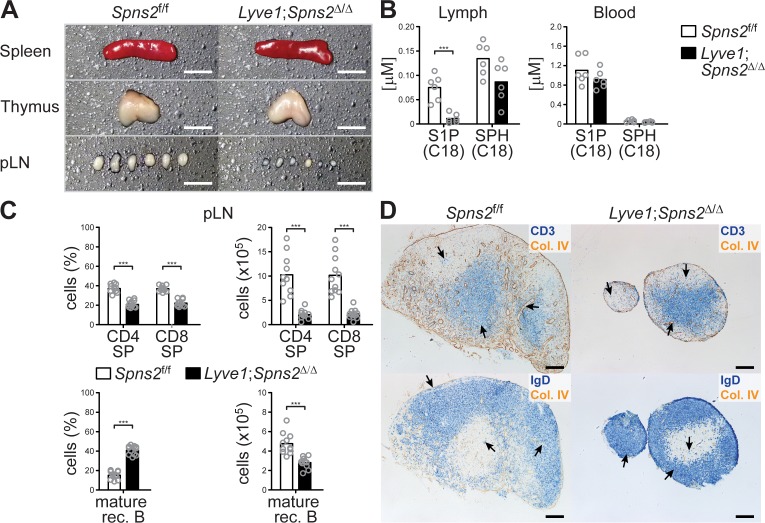
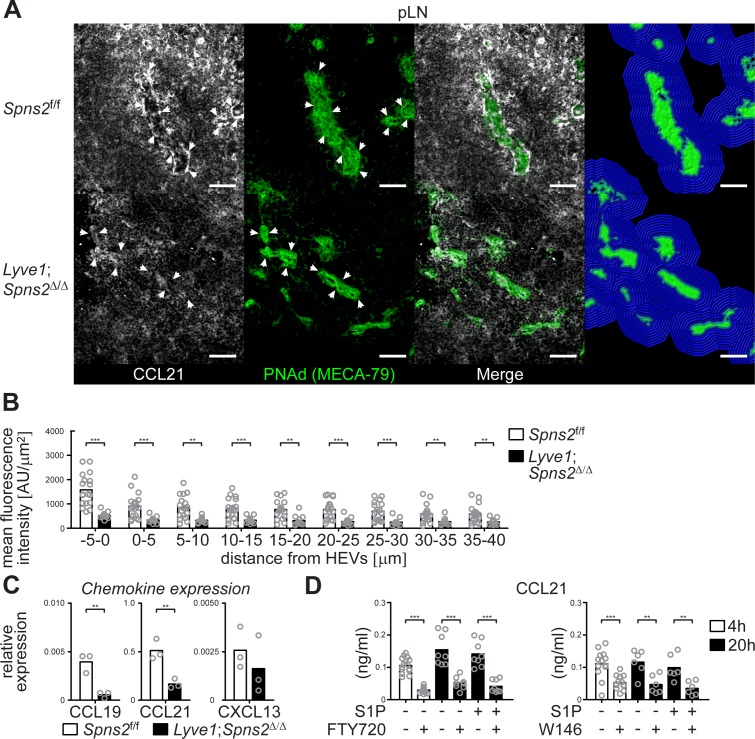
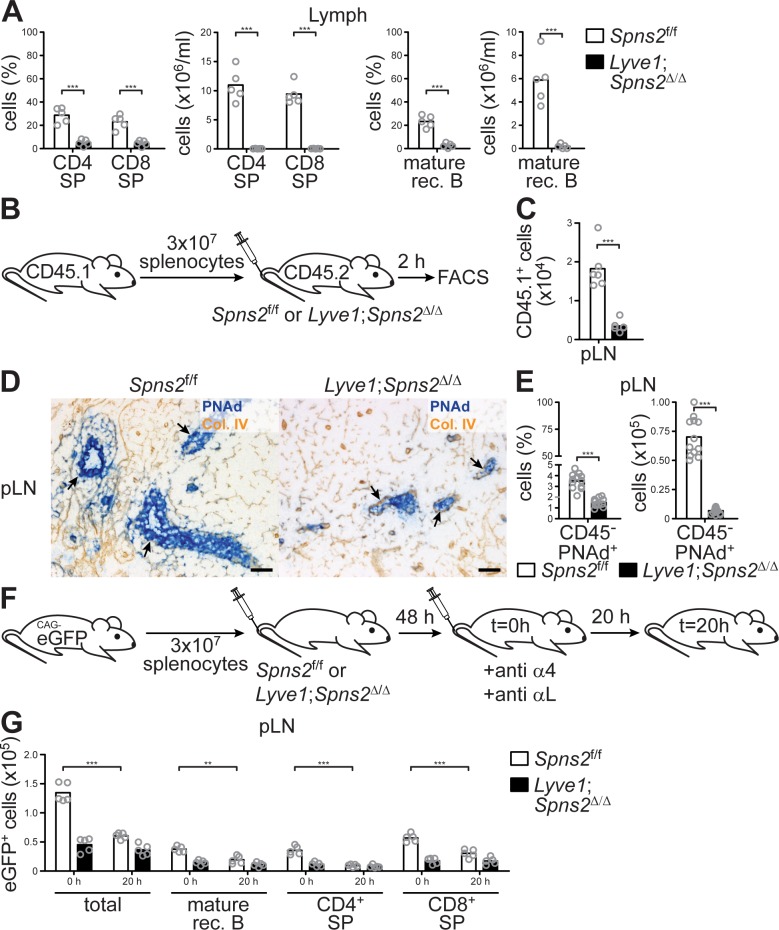
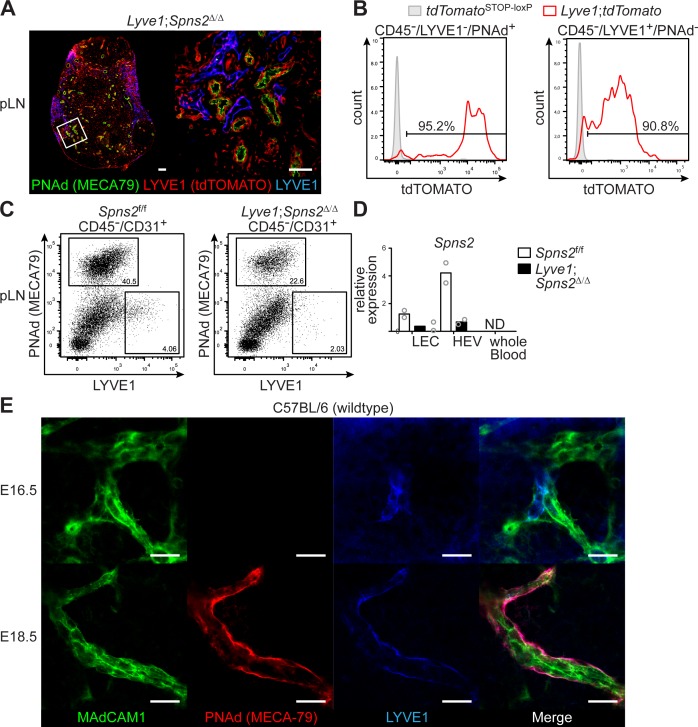
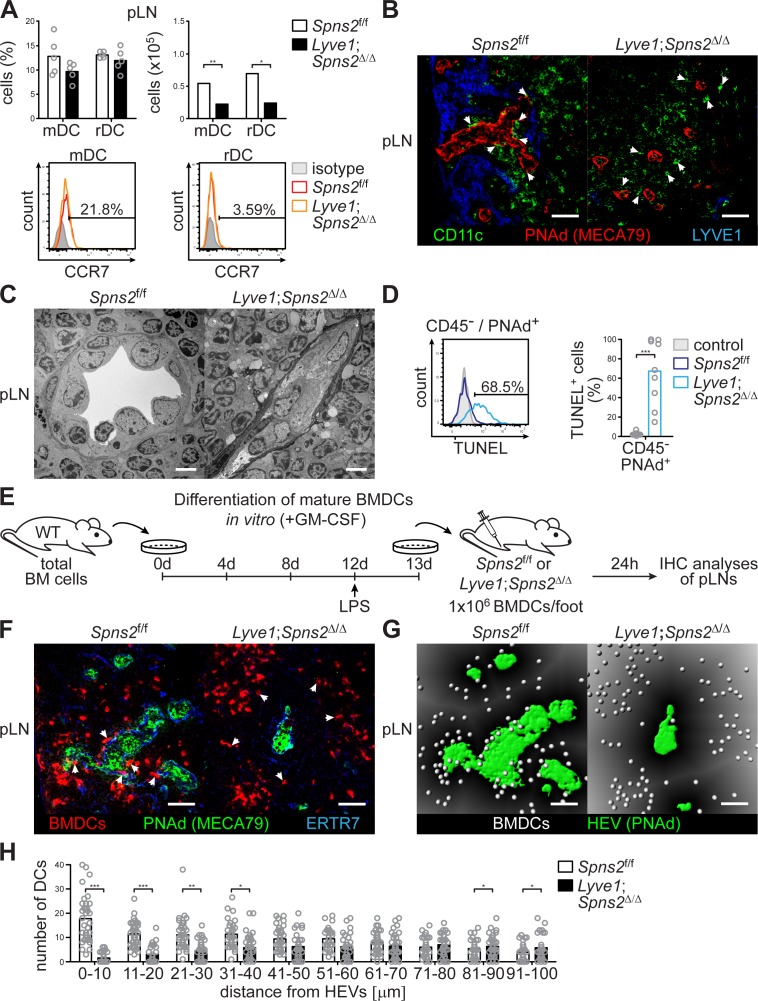
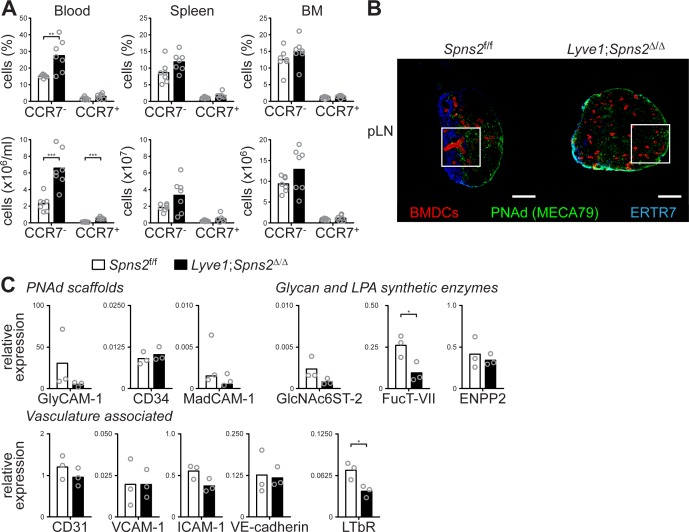
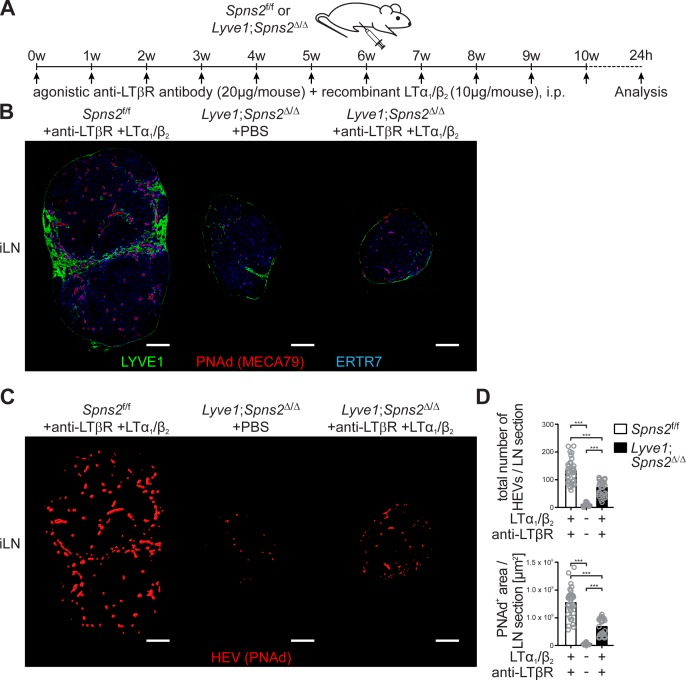
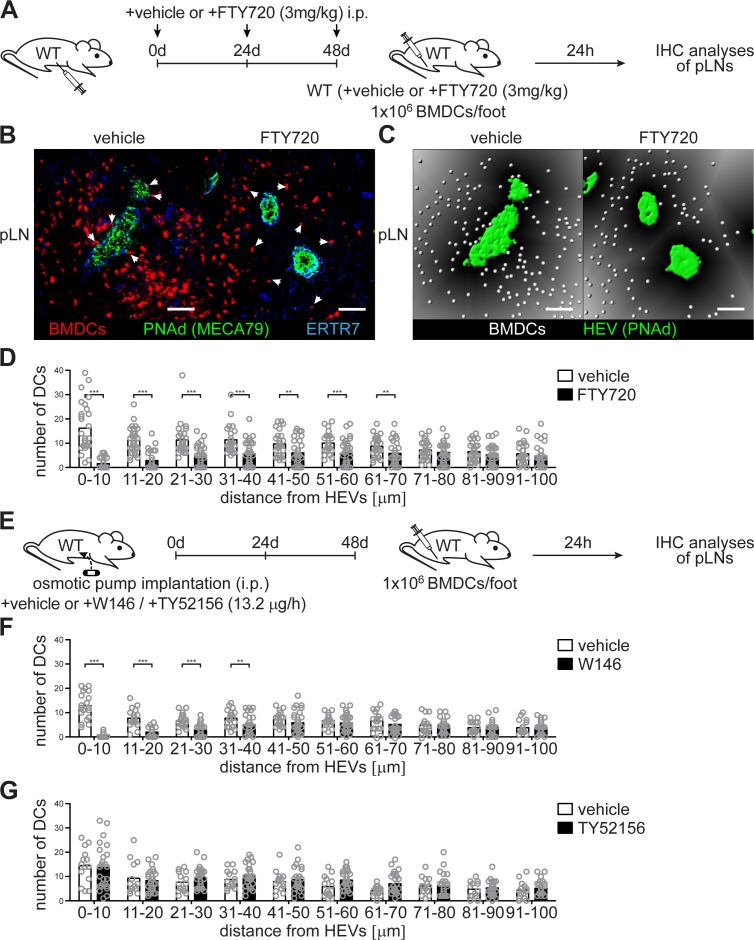
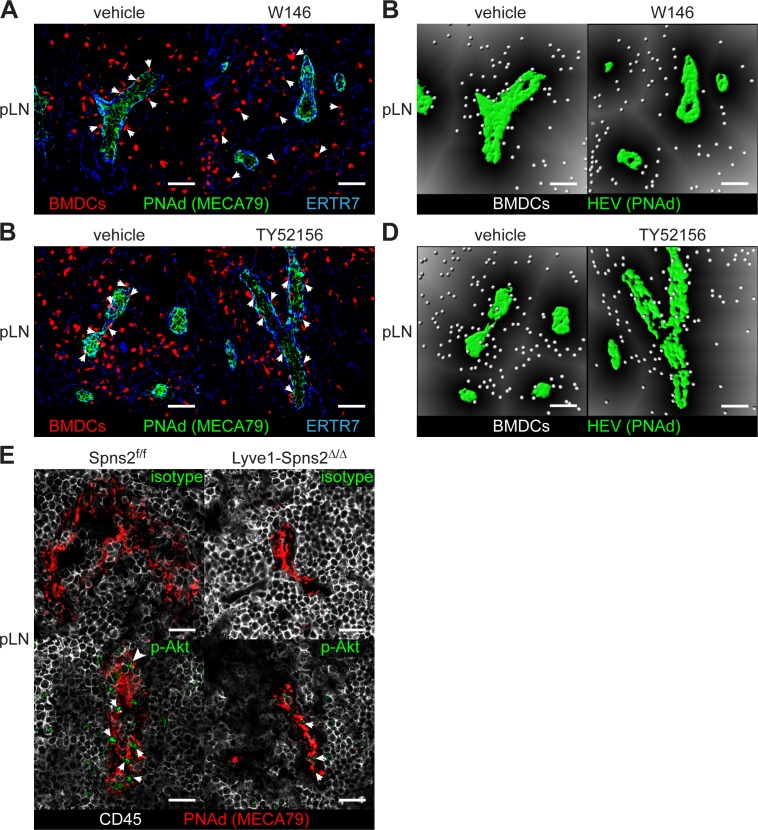
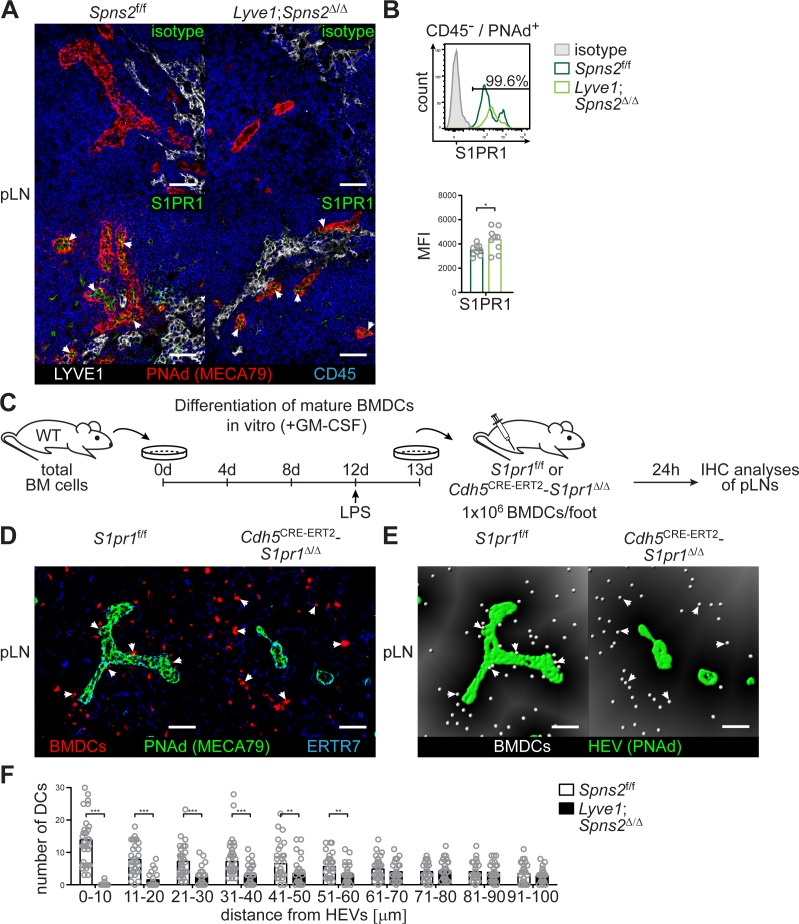
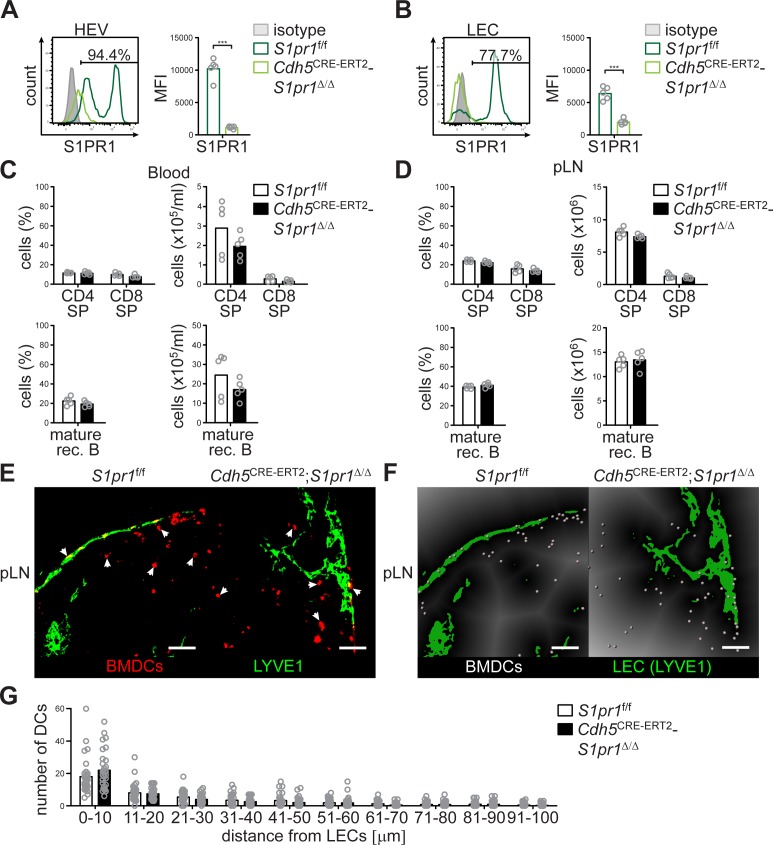
While the sphingosine-1-phosphate (S1P)/sphingosine-1-phosphate receptor-1 (S1PR1) axis is critically important for lymphocyte egress from lymphoid organs, S1PR1-activation also occurs in vascular endothelial cells (ECs), including those of the high-endothelial venules (HEVs) that mediate lymphocyte immigration into lymph nodes (LNs). To understand the functional significance of the S1P/S1PR1-G axis in HEVs, we generated conditional knockout mice for the S1P-transporter Spinster-homologue-2 (SPNS2), as HEVs express LYVE1 during development. In these mice HEVs appeared apoptotic and were severely impaired in function, morphology and size; leading to markedly hypotrophic peripheral LNs. Dendritic cells (DCs) were unable to interact with HEVs, which was also observed in ; mice and wildtype mice treated with S1PR1-antagonists. Wildtype HEVs treated with S1PR1-antagonists in vitro and -deficient HEVs show severely reduced release of the DC-chemoattractant CCL21 in vivo. Together, our results reveal that EC-derived S1P warrants HEV-integrity through autocrine control of S1PR1-G signaling, and facilitates concomitant HEV-DC interactions.
尽管鞘氨醇-1-磷酸(S1P)/鞘氨醇-1-磷酸受体-1(S1PR1)轴对于淋巴细胞从淋巴器官中迁出至关重要,但 S1PR1 的激活也发生在血管内皮细胞(ECs)中,包括高内皮静脉(HEVs),其介导淋巴细胞进入淋巴结(LNs)。为了了解 S1P/S1PR1-G 轴在 HEVs 中的功能意义,我们生成了 S1P 转运蛋白 Spinster-homologue-2(SPNS2)的条件敲除小鼠,因为 HEVs 在发育过程中表达 LYVE1。在这些小鼠中,HEVs 表现出凋亡,并且功能、形态和大小严重受损;导致周围 LNs 明显萎缩。树突状细胞(DCs)无法与 HEVs 相互作用,在;和野生型小鼠中也观察到这种情况,以及用 S1PR1 拮抗剂治疗的野生型小鼠。体外用 S1PR1 拮抗剂处理的野生型 HEVs 和 -缺陷的 HEVs 显示体内 DC 趋化因子 CCL21 的释放严重减少。总之,我们的结果表明,EC 衍生的 S1P 通过自分泌控制 S1PR1-G 信号来保证 HEV 的完整性,并促进同时发生的 HEV-DC 相互作用。