Division of Oncology and Pathology, Department of Clinical Sciences Lund, Lund University, Medicon Village, Lund, Sweden.
Computational Oncology, Department of Epidemiology and Biostatistics, Memorial Sloan Kettering Cancer Center, New York, NY, USA.
Nat Med. 2019 Oct;25(10):1526-1533. doi: 10.1038/s41591-019-0582-4. Epub 2019 Sep 30.
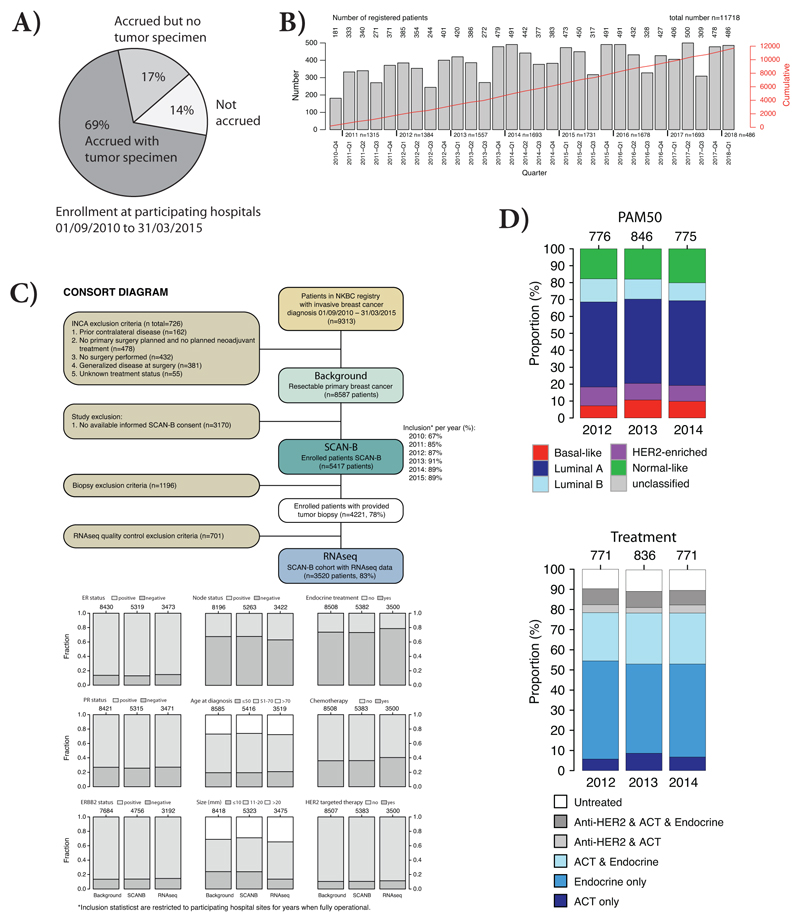
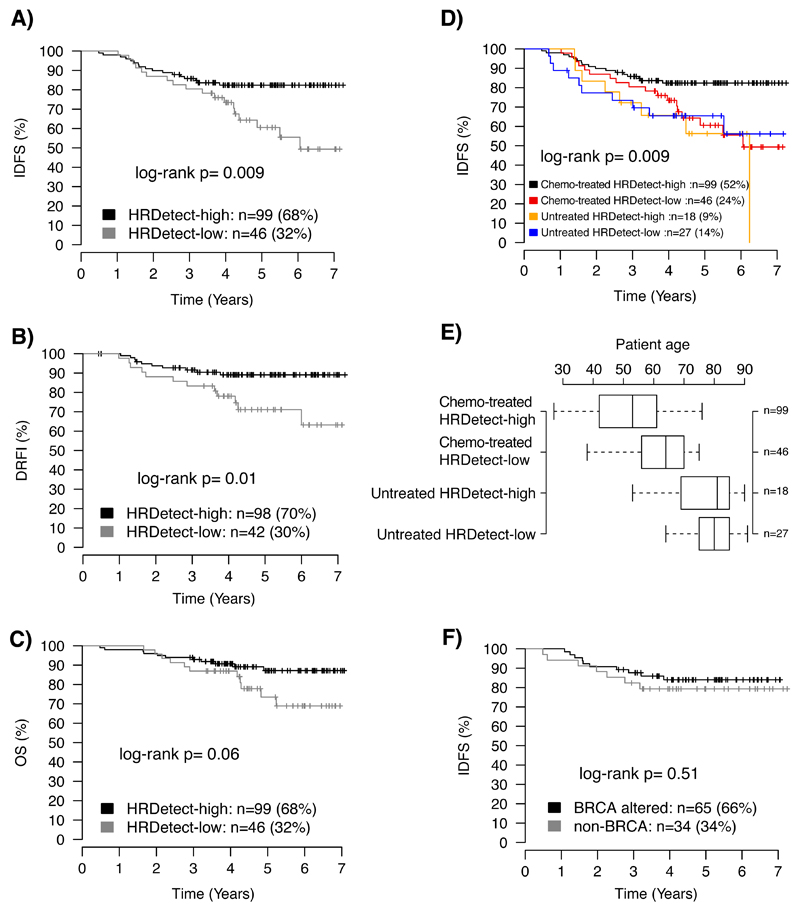
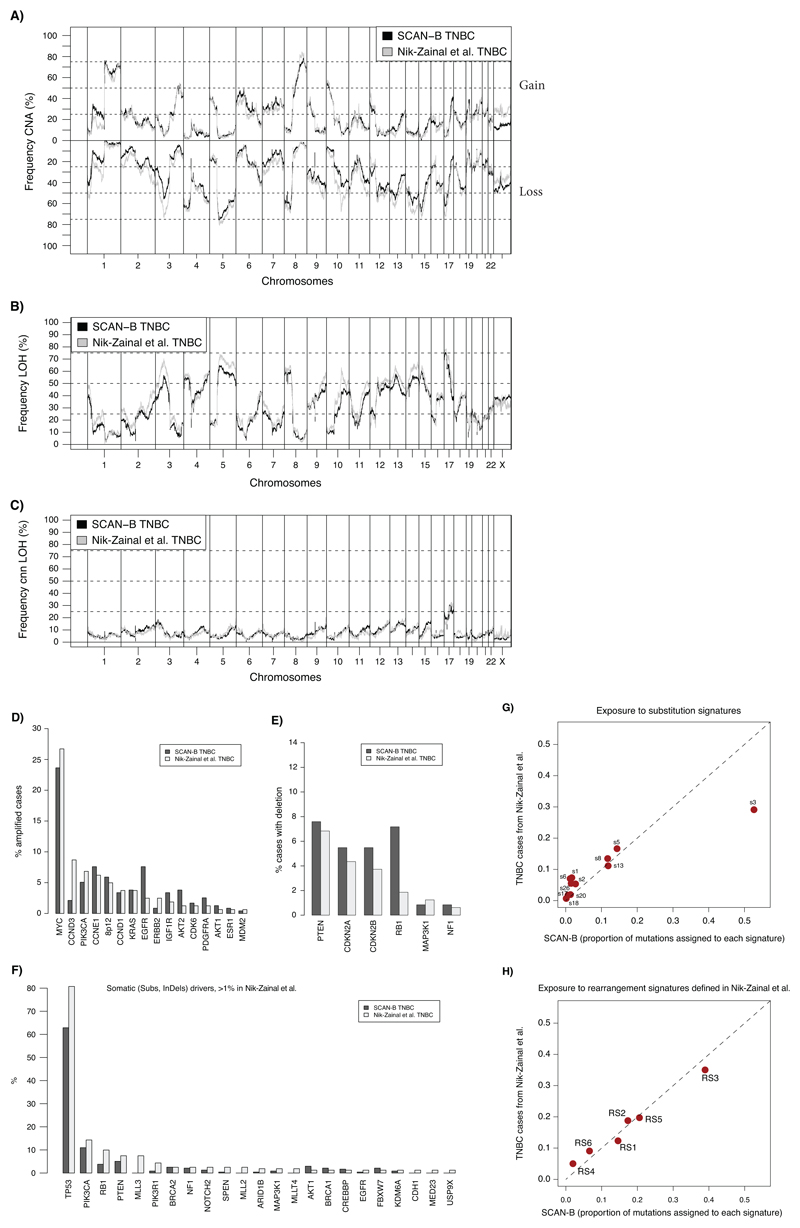
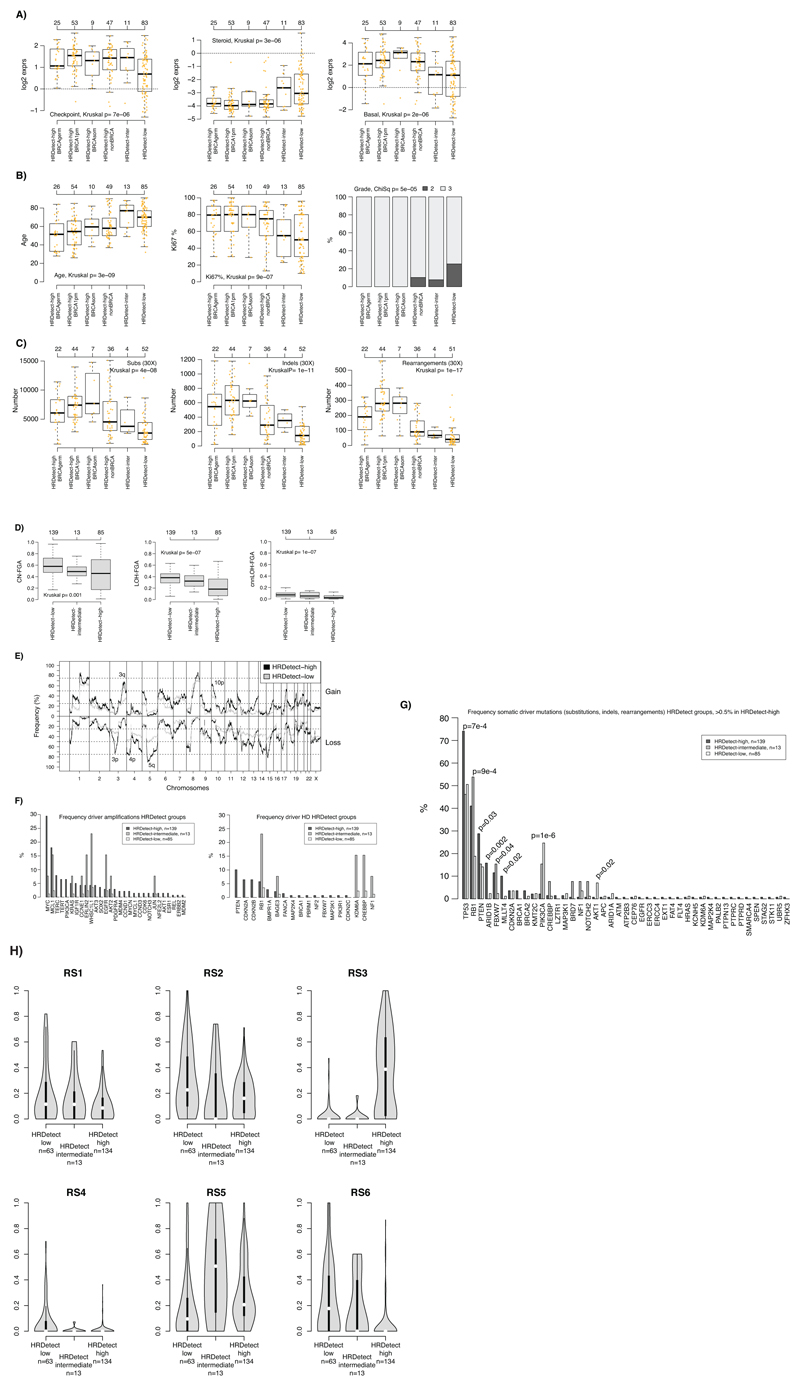
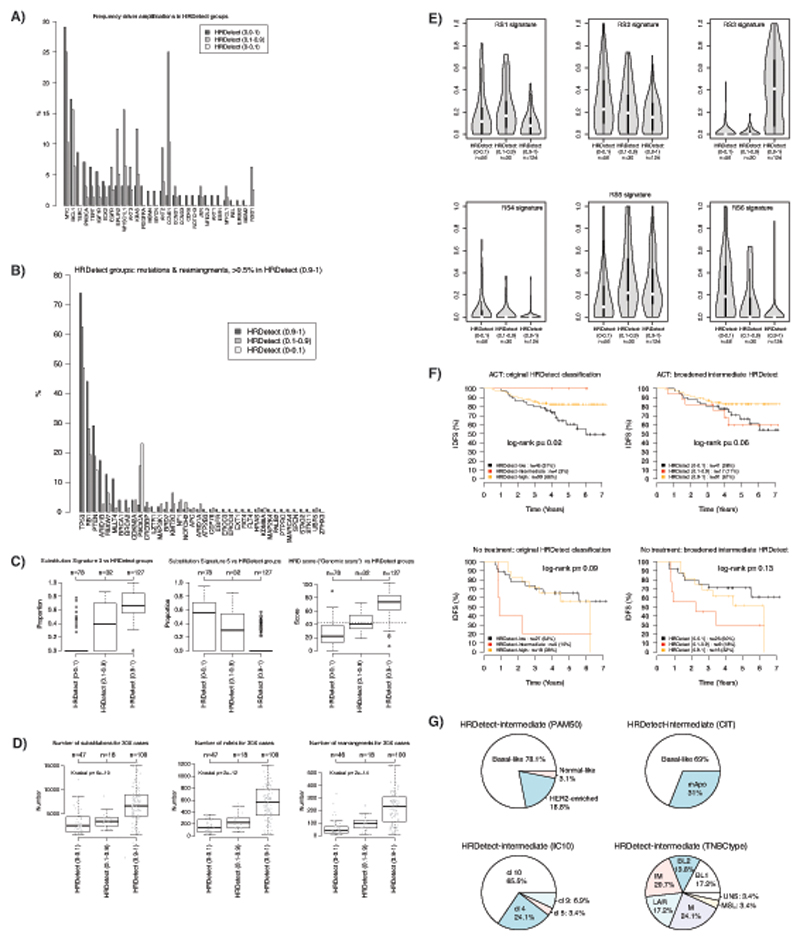
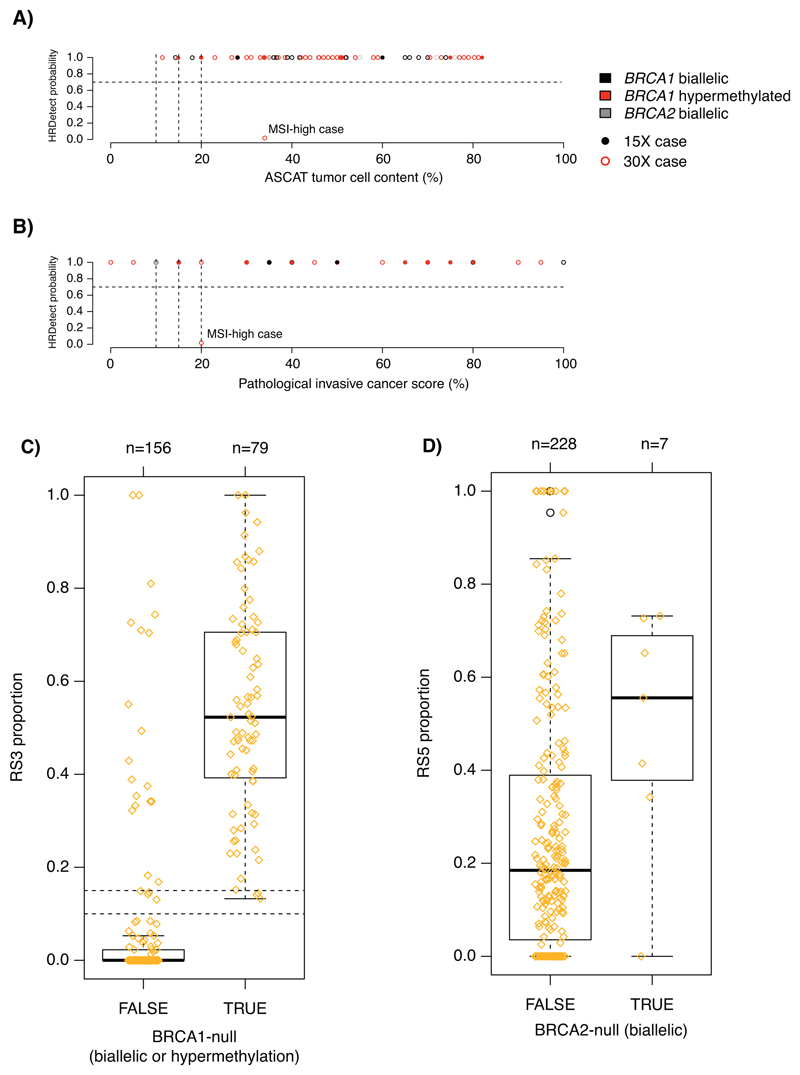
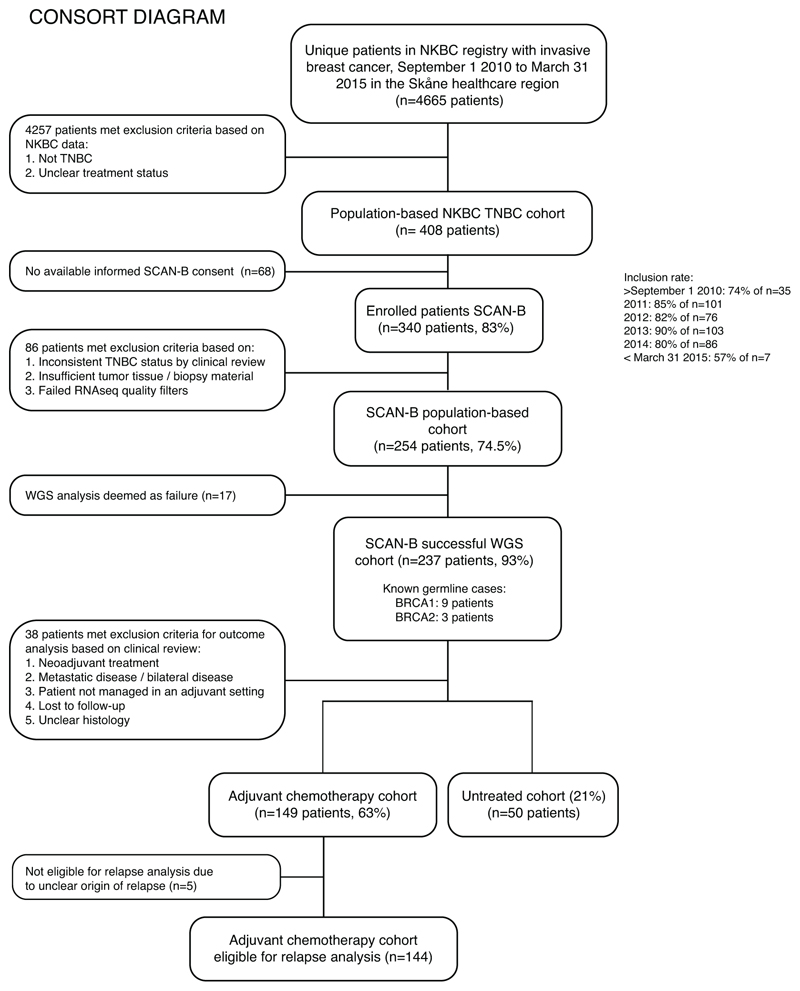
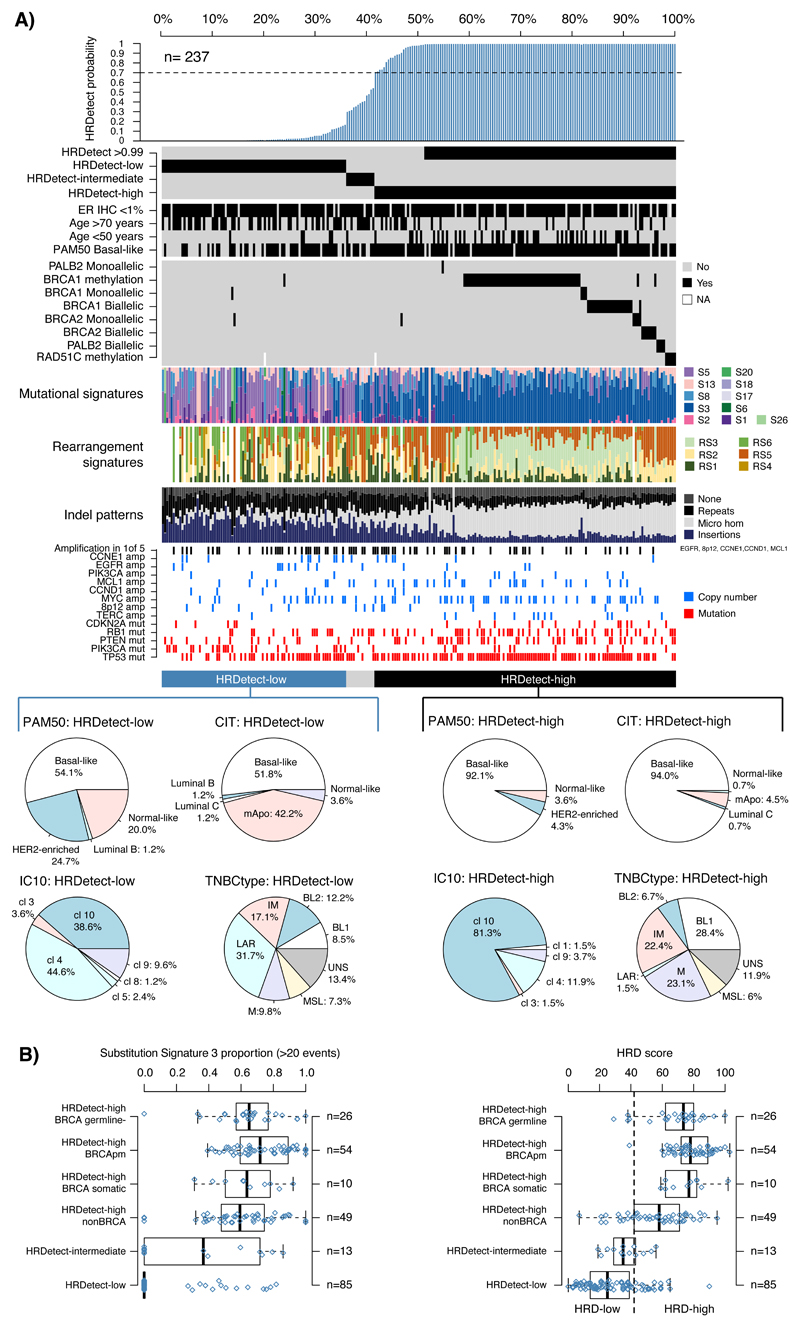
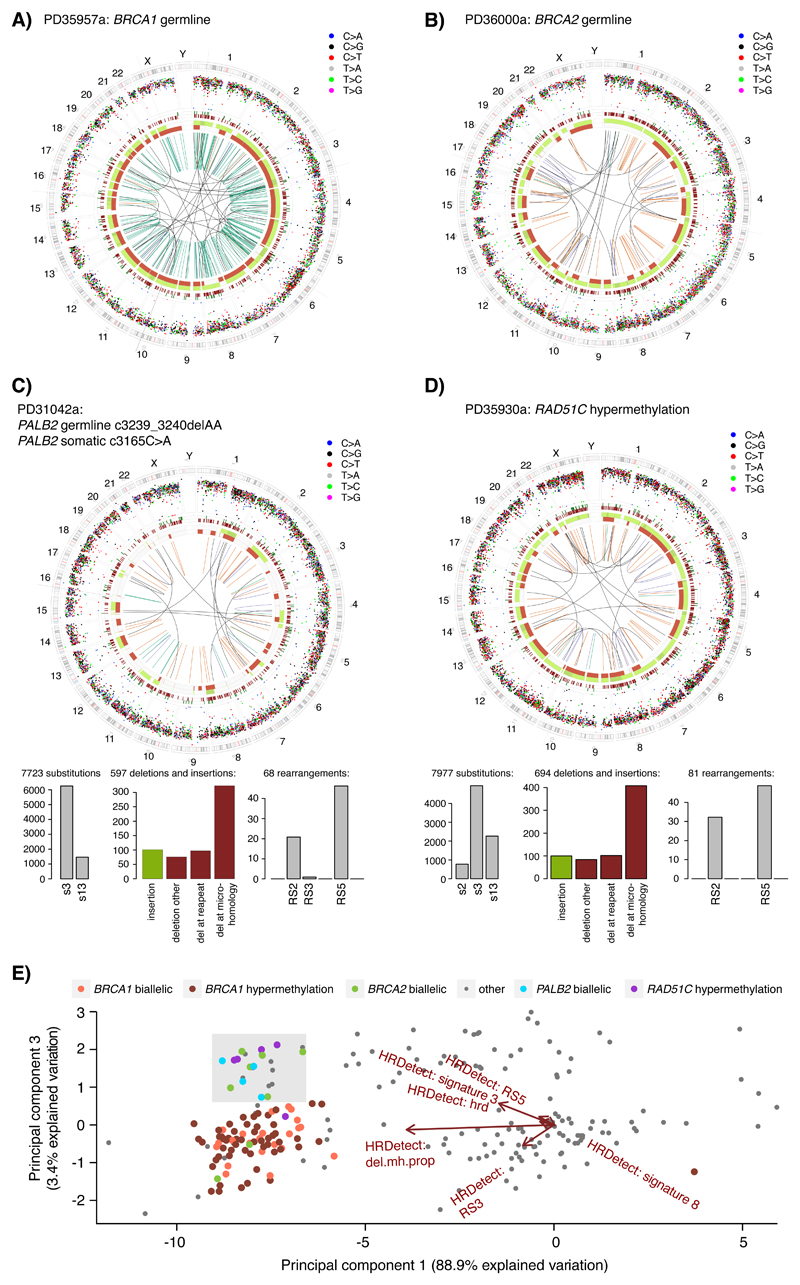
Whole-genome sequencing (WGS) brings comprehensive insights to cancer genome interpretation. To explore the clinical value of WGS, we sequenced 254 triple-negative breast cancers (TNBCs) for which associated treatment and outcome data were collected between 2010 and 2015 via the population-based Sweden Cancerome Analysis Network-Breast (SCAN-B) project (ClinicalTrials.gov ID:NCT02306096). Applying the HRDetect mutational-signature-based algorithm to classify tumors, 59% were predicted to have homologous-recombination-repair deficiency (HRDetect-high): 67% explained by germline/somatic mutations of BRCA1/BRCA2, BRCA1 promoter hypermethylation, RAD51C hypermethylation or biallelic loss of PALB2. A novel mechanism of BRCA1 abrogation was discovered via germline SINE-VNTR-Alu retrotransposition. HRDetect provided independent prognostic information, with HRDetect-high patients having better outcome on adjuvant chemotherapy for invasive disease-free survival (hazard ratio (HR) = 0.42; 95% confidence interval (CI) = 0.2-0.87) and distant relapse-free interval (HR = 0.31, CI = 0.13-0.76) compared to HRDetect-low, regardless of whether a genetic/epigenetic cause was identified. HRDetect-intermediate, some possessing potentially targetable biological abnormalities, had the poorest outcomes. HRDetect-low cancers also had inadequate outcomes: ~4.7% were mismatch-repair-deficient (another targetable defect, not typically sought) and they were enriched for (but not restricted to) PIK3CA/AKT1 pathway abnormalities. New treatment options need to be considered for now-discernible HRDetect-intermediate and HRDetect-low categories. This population-based study advocates for WGS of TNBC to better inform trial stratification and improve clinical decision-making.
全基因组测序(WGS)为癌症基因组解读带来了全面的见解。为了探索 WGS 的临床价值,我们对 2010 年至 2015 年间通过基于人群的瑞典癌症分析网络-乳腺(SCAN-B)项目(ClinicalTrials.gov ID:NCT02306096)收集的 254 例三阴性乳腺癌(TNBC)进行了测序,这些患者的相关治疗和结果数据。应用 HRDetect 基于突变特征的算法对肿瘤进行分类,预测有 59%的肿瘤存在同源重组修复缺陷(HRDetect-high):其中 67%可以用 BRCA1/BRCA2 的种系/体细胞突变、BRCA1 启动子高甲基化、RAD51C 高甲基化或 PALB2 双等位基因缺失来解释。通过种系 SINE-VNTR-Alu 反转录转座发现了一种新的 BRCA1 失活机制。HRDetect 提供了独立的预后信息,对于浸润性疾病无复发生存(无复发生存率的危险比(HR)=0.42;95%置信区间(CI)=0.2-0.87)和远处无复发生存(HR=0.31,CI=0.13-0.76),HRDetect-high 患者的结果优于 HRDetect-low,无论是否确定了遗传/表观遗传原因。HRDetect 中间组,有些存在潜在的可靶向生物学异常,结果最差。HRDetect-low 癌症的结果也不理想:~4.7%的错配修复缺陷(另一个可靶向的缺陷,通常不寻求),并且它们富含(但不限于)PIK3CA/AKT1 通路异常。现在需要考虑为可识别的 HRDetect 中间和 HRDetect-low 类别提供新的治疗选择。这项基于人群的研究提倡对 TNBC 进行 WGS,以更好地为临床试验分层提供信息,并改善临床决策。