Harville Terry, Rhodes-Clark Bobbie, Bennuri Sirish C, Delhey Leanna, Slattery John, Tippett Marie, Wynne Rebecca, Rose Shannon, Kahler Stephen, Frye Richard E
Department of Pathology, University of Arkansas for Medical Sciences, Little Rock, AR, United States.
Department of Internal Medicine, University of Arkansas for Medical Sciences, Little Rock, AR, United States.
Front Psychiatry. 2019 Sep 11;10:612. doi: 10.3389/fpsyt.2019.00612. eCollection 2019.
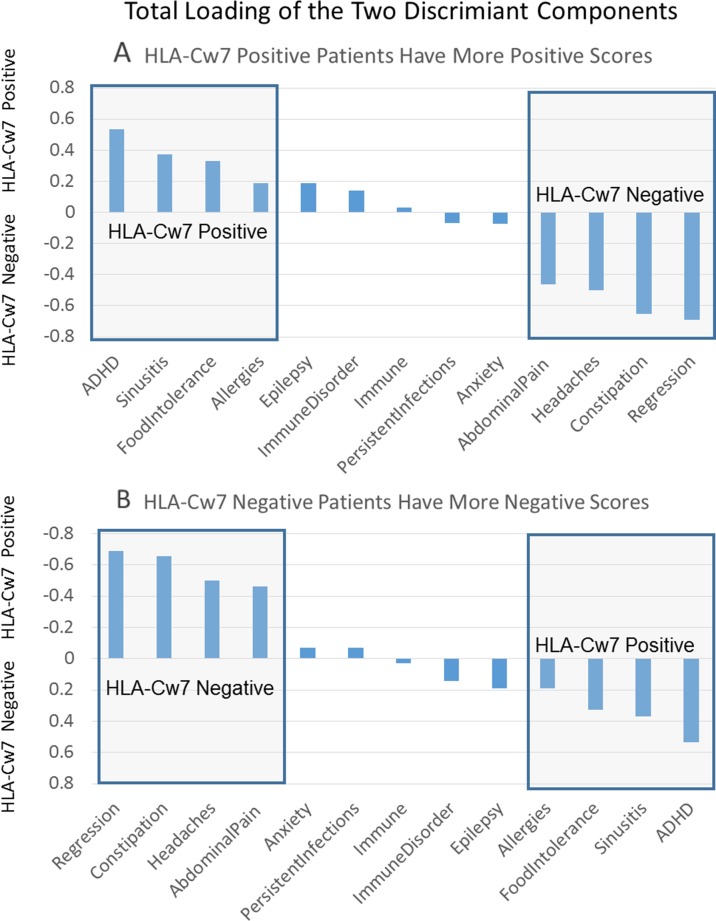
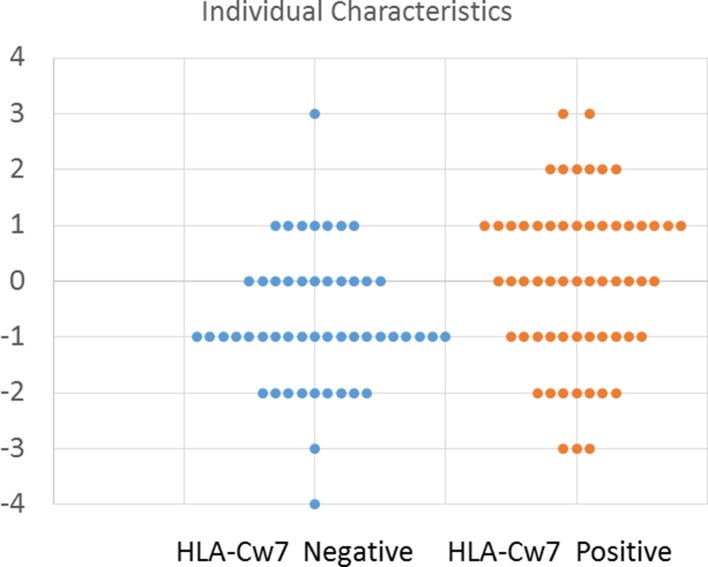
Autism spectrum disorder (ASD) is a behaviorally defined disorder that is now thought to affect approximately 1 in 69 children in the United States. In most cases, the etiology is unknown, but several studies point to the interaction of genetic predisposition with environmental factors. The immune system is thought to have a causative role in ASD, and specific studies have implicated T lymphocytes, monocytes, natural killer (NK) cells, and certain cytokines. The human leukocyte antigen (HLA) system is involved in the underlying process for shaping an individual's immune system, and specific HLA alleles are associated with specific diseases as risk factors. In this study, we determine whether a specific HLA allele was associated with ASD in a large cohort of patients with ASD. Identifying such an association could help in the identification of immune system components which may have a causative role in specific cohorts of patients with ASD who share similar specific clinical features. Specimens from 143 patients with ASD were analyzed with respect to race and ethnicity. Overall, HLA-Cw7 was present in a much greater frequency than expected in individuals with ASD as compared to the general population. Further, the cohort of patients who express HLA-Cw7 shares specific immune system/inflammatory clinical features including being more likely to have allergies, food intolerances, and chronic sinusitis as compared to those with ASD who did not express HLA-Cw7. HLA-Cw7 has a role in stimulating NK cells. Thus, this finding may indicate that chronic over-activation of NK cells may have a role in the manifestation of ASD in a cohort of patients with increased immune system/inflammatory features.
自闭症谱系障碍(ASD)是一种行为学定义的疾病,目前认为在美国约每69名儿童中就有1人受其影响。在大多数情况下,病因不明,但多项研究指出遗传易感性与环境因素的相互作用。免疫系统被认为在ASD中起致病作用,具体研究涉及T淋巴细胞、单核细胞、自然杀伤(NK)细胞和某些细胞因子。人类白细胞抗原(HLA)系统参与塑造个体免疫系统的潜在过程,特定的HLA等位基因与特定疾病相关联,作为风险因素。在本研究中,我们确定在一大群ASD患者中特定的HLA等位基因是否与ASD相关。识别这种关联有助于确定在具有相似特定临床特征的特定ASD患者队列中可能起致病作用的免疫系统成分。对143例ASD患者的样本进行了种族和族裔分析。总体而言,与一般人群相比,HLA-Cw7在ASD个体中的出现频率远高于预期。此外,表达HLA-Cw7的患者队列具有特定的免疫系统/炎症临床特征,包括与未表达HLA-Cw7的ASD患者相比,更有可能患有过敏、食物不耐受和慢性鼻窦炎。HLA-Cw7在刺激NK细胞方面发挥作用。因此,这一发现可能表明NK细胞的慢性过度激活可能在具有增强的免疫系统/炎症特征的患者队列中ASD的表现中起作用。