Jeong In Seong, Piao Zhenglin, Rahman Md Mahbubur, Kim Sehoon, Kim Nam Soo
Department of Surgery, Royal Royal Animal Medical Center, Seoul, Republic of Korea.
KNOTUS Co., Ltd., Research Center, Incheon, Republic of Korea.
J Adv Vet Anim Res. 2019 Aug 18;6(3):394-402. doi: 10.5455/javar.2019.f359. eCollection 2019 Sep.
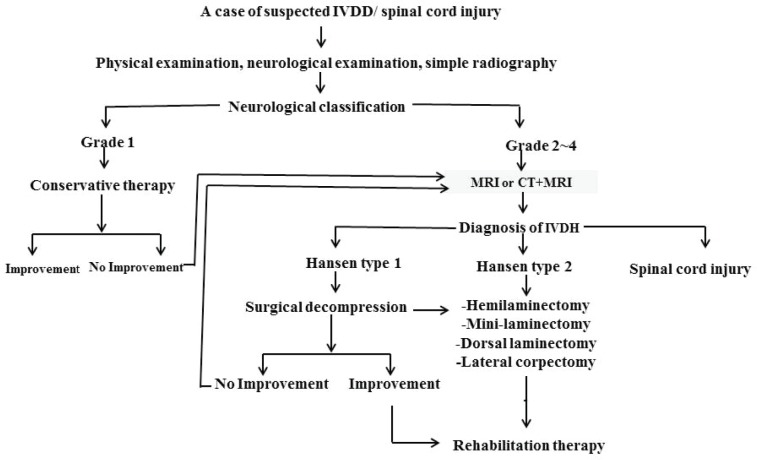
The purpose of this study was to evaluate the clinical outcome of surgical decompression and rehabilitation therapy in dogs with thoracolumbar intervertebral disk herniation (IVDH).
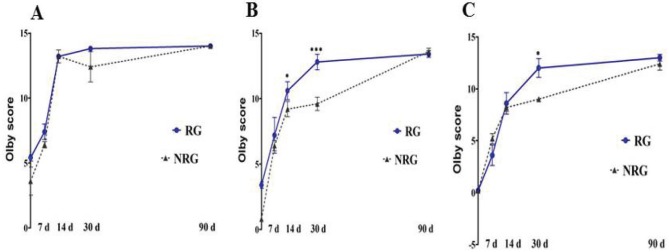
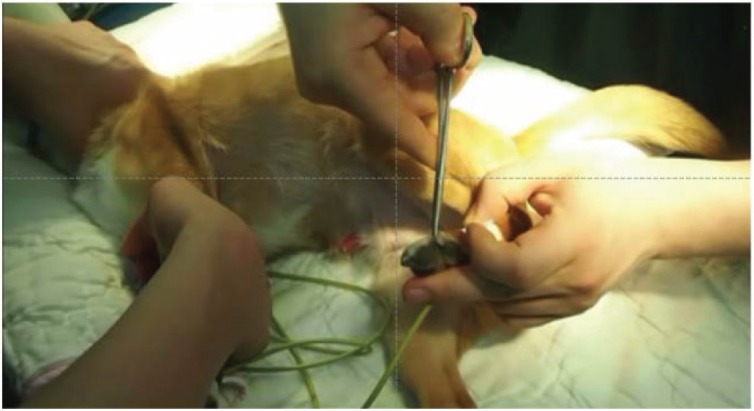
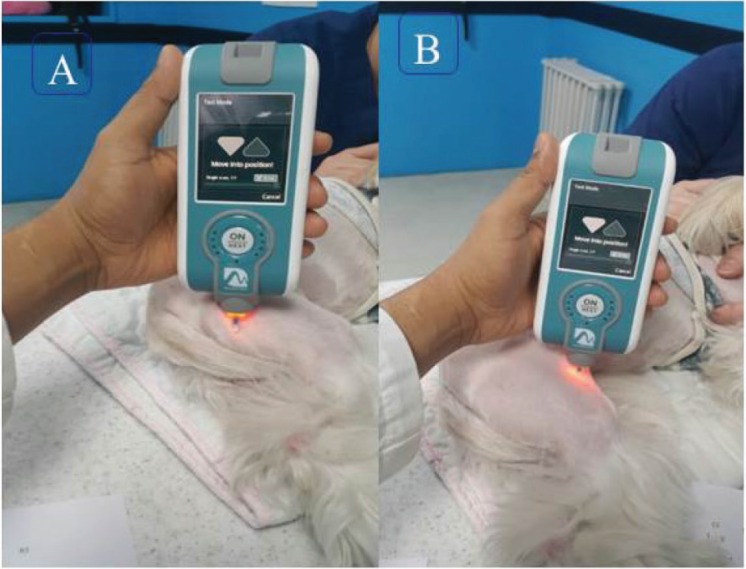
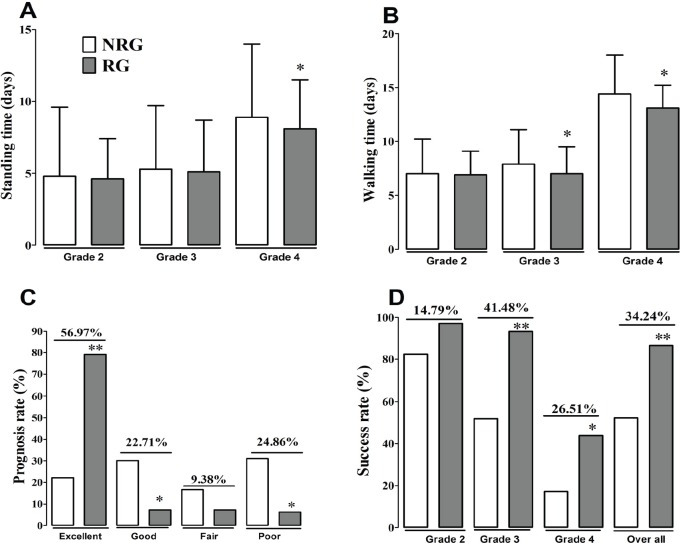
After surgery, physiotherapeutic rehabilitation was performed by a combination of electrotherapy, infrared therapy, training for standing, deep tendon reflex, and aquatic treadmill exercise. A total of 186 dogs were selected from the hospital records and included in two groups: the rehabilitated group (RG, = 96) and non-rehabilitated group (NRG, = 90). Dogs in each group were subdivided into three groups based on a pre-operative clinical severity grading system and those in grades 2-4 were included in this study. Post-operative neurologic functions, unassisted standing, walking, and the success rate of both groups were evaluated and compared.
Overall, 86.46% (83/96) of dogs had a successful neurologic outcome in the RG group, which was significantly ( < 0.01) higher than the NRG group 52.22% (47/90). Interestingly, the success rate differed when the preoperative grading system was considered. The success rates of grades 2, 3, and 4 were 97.14% (34/35), 97.33% (42/45), and 43.75% (7/16), respectively, in the rehabilitated groups, whereas in the non-rehabilitated groups, success rates were 82.35% (28/34), 51.85% (14/27), and 17.24% (5/29), respectively. The differences in success rates among the groups according to grading were 14.79%, 41.48%, and 26.51%, respectively, indicating that the proposed rehabilitation therapy is remarkably advantageous for increasing the success rate.
Rehabilitation therapy after surgical decompression of thoracolumbar IVDH improves neurologic functions and increases the success rate, especially when the preoperative pathological condition is severe.
本研究旨在评估手术减压和康复治疗对胸腰椎椎间盘突出症(IVDH)犬的临床疗效。
术后采用电疗、红外治疗、站立训练、深部腱反射训练及水疗跑步机运动相结合的方式进行物理治疗康复。从医院记录中选取186只犬,分为两组:康复组(RG,n = 96)和未康复组(NRG,n = 90)。根据术前临床严重程度分级系统,将每组犬再细分为三组,本研究纳入2 - 4级的犬。评估并比较两组术后的神经功能、自主站立、行走情况及成功率。
总体而言,康复组86.46%(83/96)的犬神经功能恢复成功,显著高于未康复组的52.22%(47/90)(P < 0.01)。有趣的是,考虑术前分级系统时成功率有所不同。康复组2级、3级和4级的成功率分别为97.14%(34/35)、97.33%(42/45)和43.75%(7/16),而未康复组的成功率分别为82.35%(28/34)、51.85%(14/27)和17.24%(5/29)。根据分级,各组成功率差异分别为14.79%、41.48%和26.51%,表明所提出的康复治疗对提高成功率具有显著优势。
胸腰椎IVDH手术减压后的康复治疗可改善神经功能并提高成功率,尤其是术前病情严重时。