Department of Applied Biological Chemistry, Graduate School of Agricultural and Life Sciences, The University of Tokyo, Bunkyo-ku, Tokyo, 113-8657, Japan.
Division of Endocrinology and Metabolism, National Institute for Physiological Sciences, National Institutes of Natural Sciences, Okazaki, 444-8585, Aichi, Japan.
Nat Commun. 2019 Oct 8;10(1):4560. doi: 10.1038/s41467-019-12478-x.
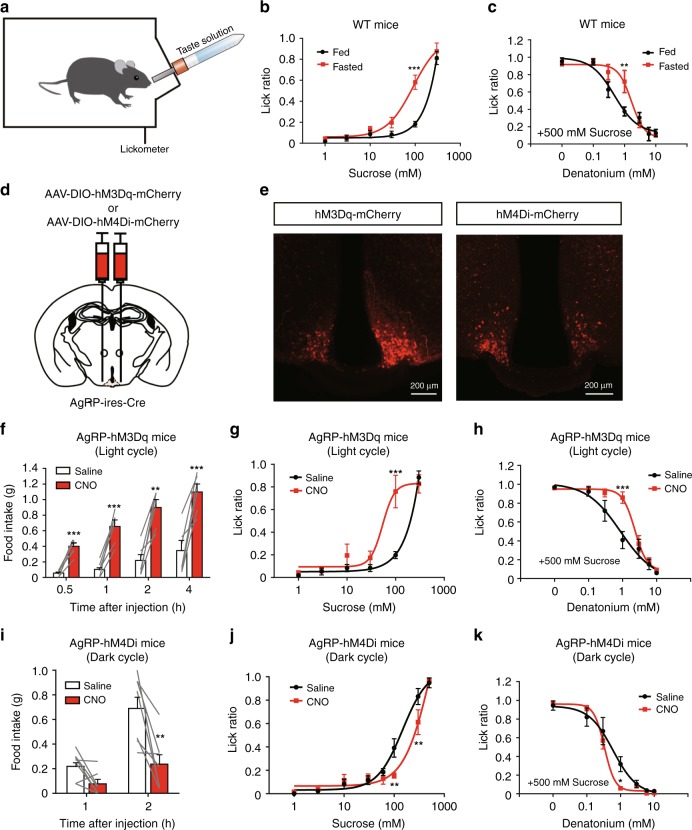
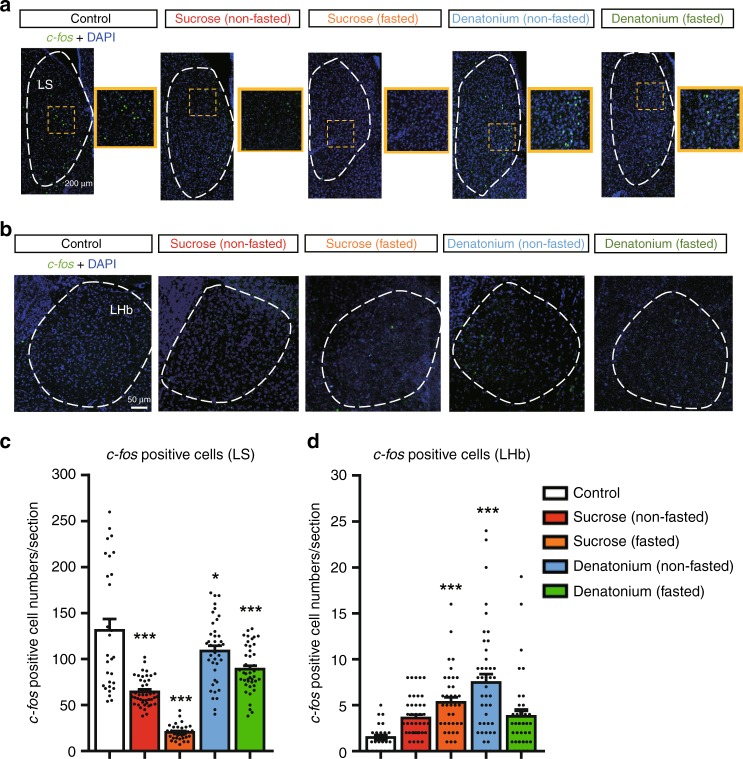
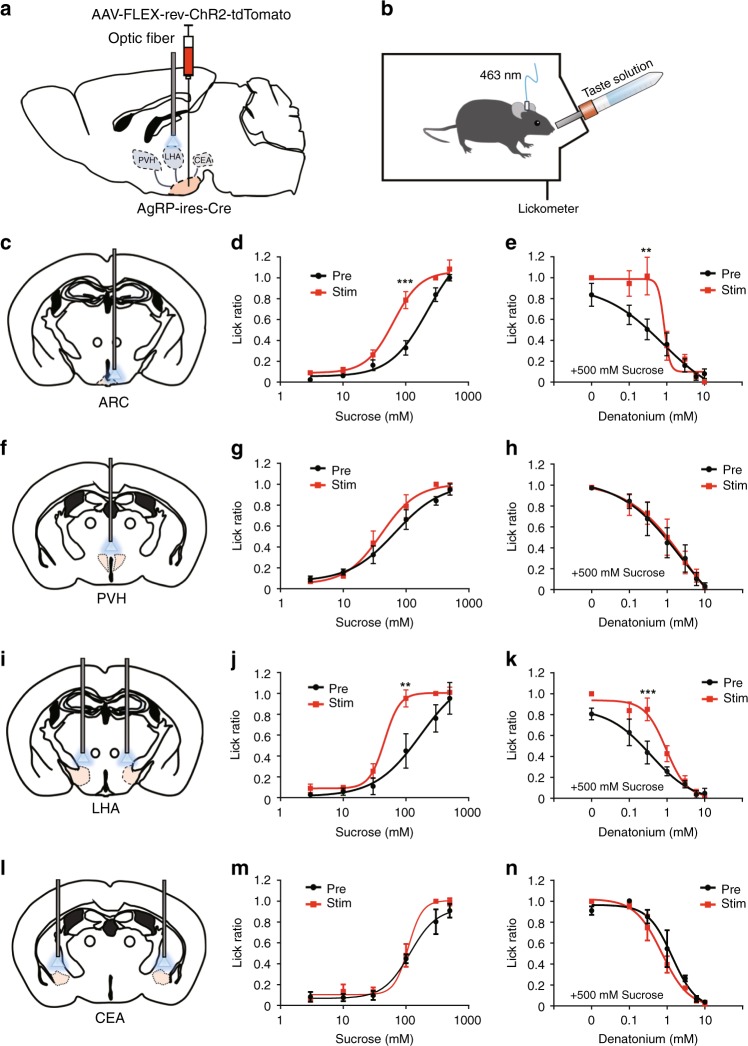
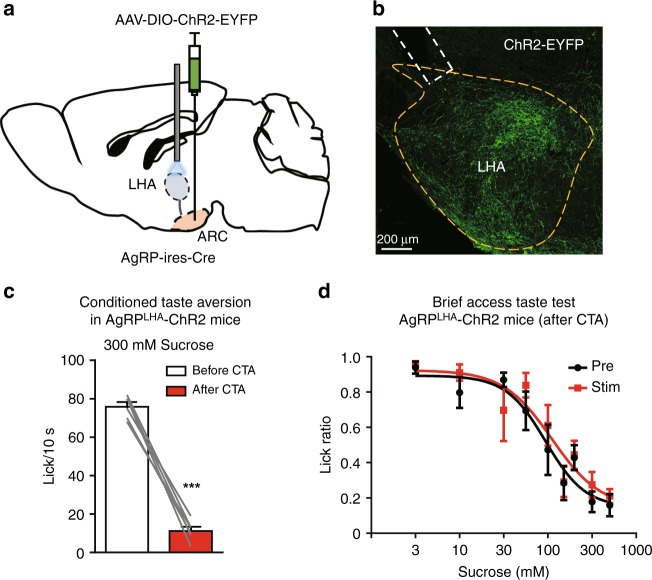
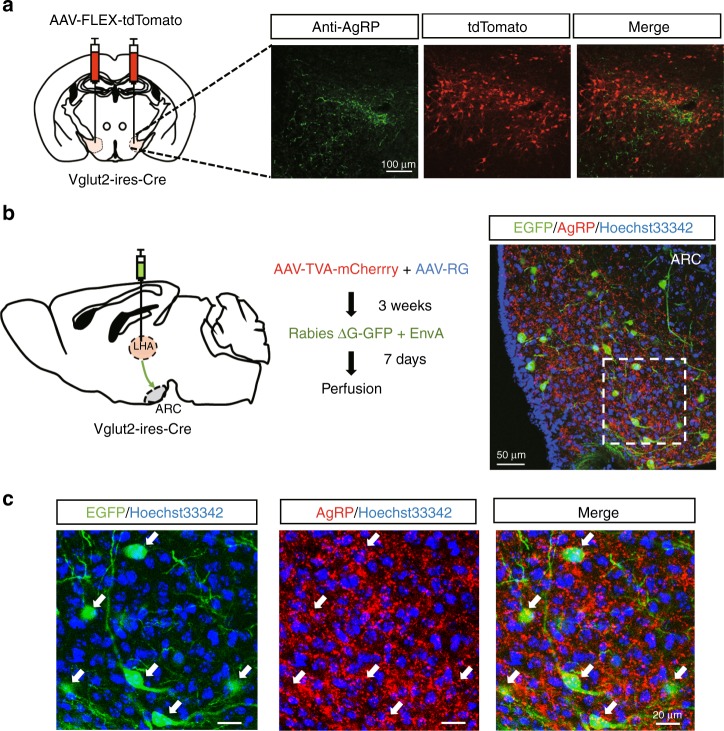
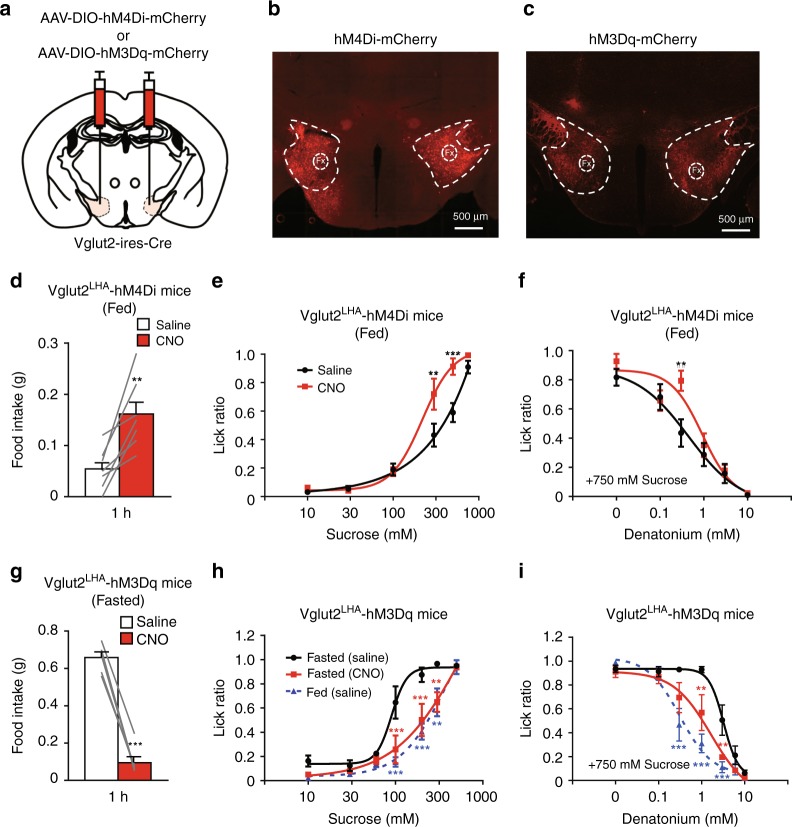
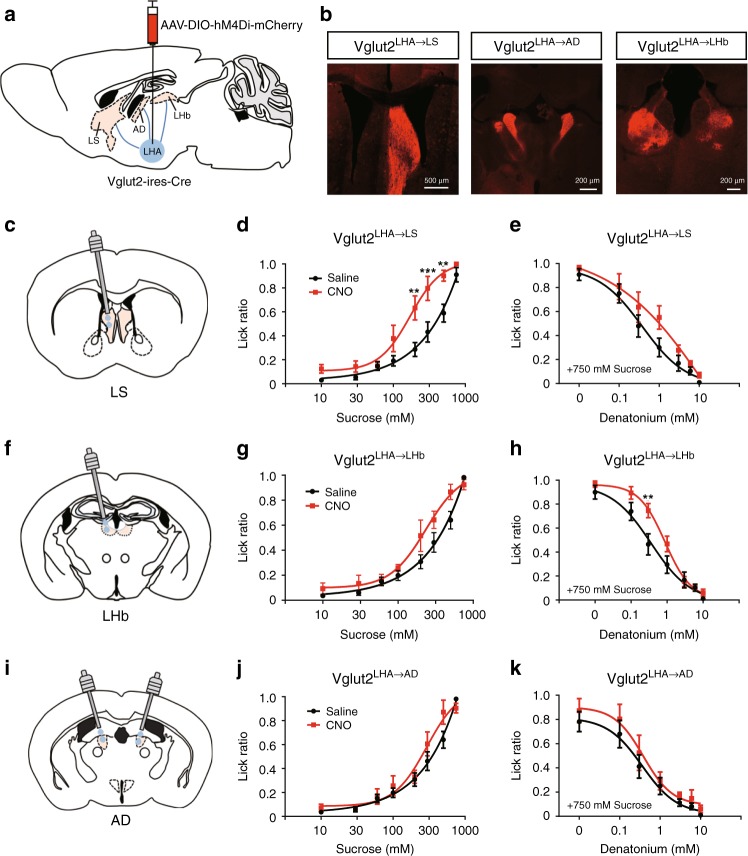
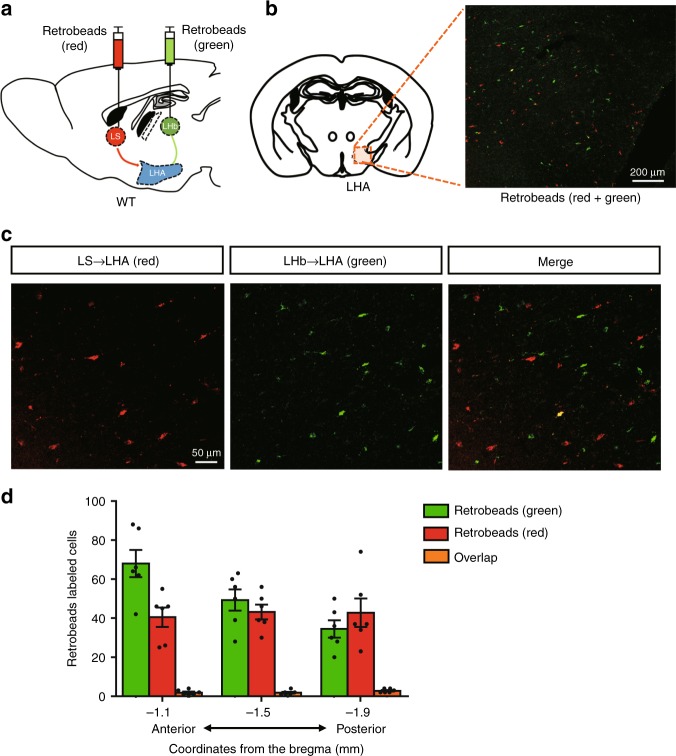
The gustatory system plays a critical role in sensing appetitive and aversive taste stimuli for evaluating food quality. Although taste preference is known to change depending on internal states such as hunger, a mechanistic insight remains unclear. Here, we examine the neuronal mechanisms regulating hunger-induced taste modification. Starved mice exhibit an increased preference for sweetness and tolerance for aversive taste. This hunger-induced taste modification is recapitulated by selective activation of orexigenic Agouti-related peptide (AgRP)-expressing neurons in the hypothalamus projecting to the lateral hypothalamus, but not to other regions. Glutamatergic, but not GABAergic, neurons in the lateral hypothalamus function as downstream neurons of AgRP neurons. Importantly, these neurons play a key role in modulating preferences for both appetitive and aversive tastes by using distinct pathways projecting to the lateral septum or the lateral habenula, respectively. Our results suggest that these hypothalamic circuits would be important for optimizing feeding behavior under fasting.
味觉系统在感知令人愉悦和厌恶的味觉刺激方面起着关键作用,用于评估食物质量。尽管已知味觉偏好会根据饥饿等内部状态而改变,但其中的机制尚不清楚。在这里,我们研究了调节饥饿引起的味觉变化的神经元机制。饥饿的小鼠表现出对甜味的偏好增加和对厌恶味道的容忍度增加。这种饥饿诱导的味觉变化可以通过选择性激活下丘脑投射到外侧下丘脑的食欲肽(AgRP)表达神经元来再现,但不能激活其他区域的神经元。外侧下丘脑的谷氨酸能神经元,而不是 GABA 能神经元,作为 AgRP 神经元的下游神经元发挥作用。重要的是,这些神经元通过使用分别投射到侧隔核或外侧缰核的不同通路,在调节对食欲和厌恶味道的偏好方面发挥关键作用。我们的结果表明,这些下丘脑回路对于优化禁食下的进食行为非常重要。