Lee Kar Xin, Shameli Kamyar, Mohamad Shaza Eva, Yew Yen Pin, Mohamed Isa Eleen Dayana, Yap Hooi-Yeen, Lim Wei Ling, Teow Sin-Yeang
Chemical Energy Conversion and Application (CHeCA), Malaysia-Japan International Institute of Technology (MJIIT), Universiti Teknologi Malaysia, Jalan Sultan Yahya Petra, Kuala Lumpur 54100, Malaysia.
Department of Medical Sciences, School of Healthcare and Medical Sciences, Sunway University, Jalan Universiti, Bandar Sunway, Selangor Darul Ehsan 47500, Malaysia.
Nanomaterials (Basel). 2019 Oct 8;9(10):1423. doi: 10.3390/nano9101423.
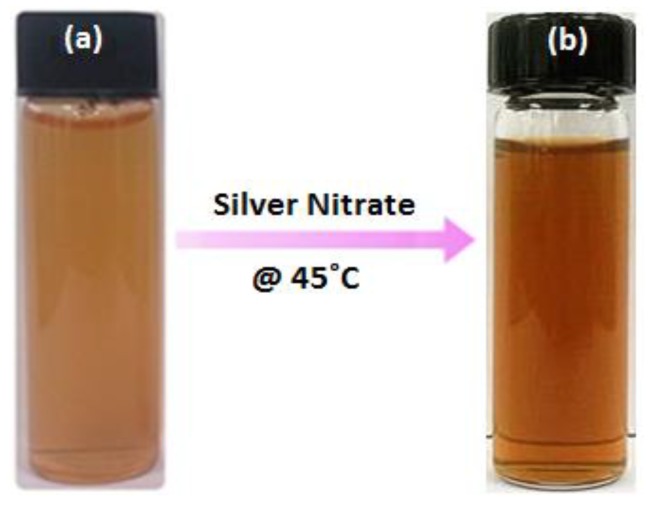
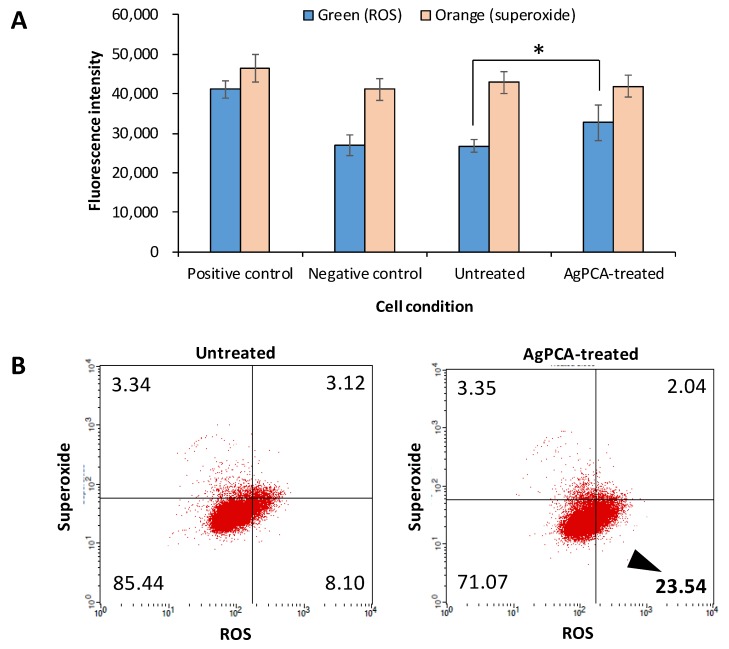
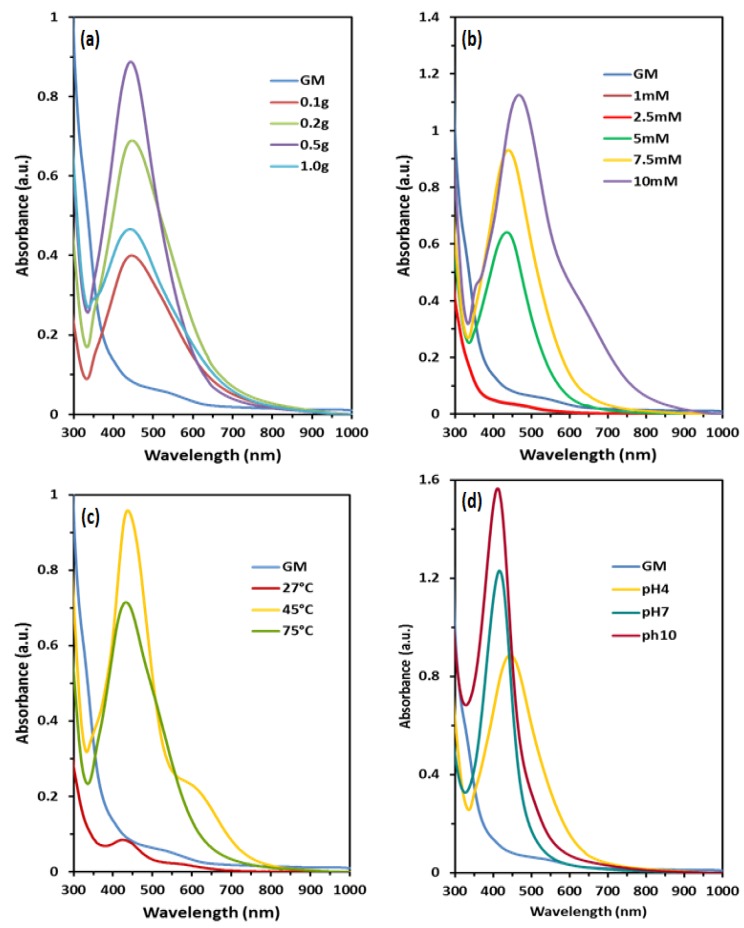
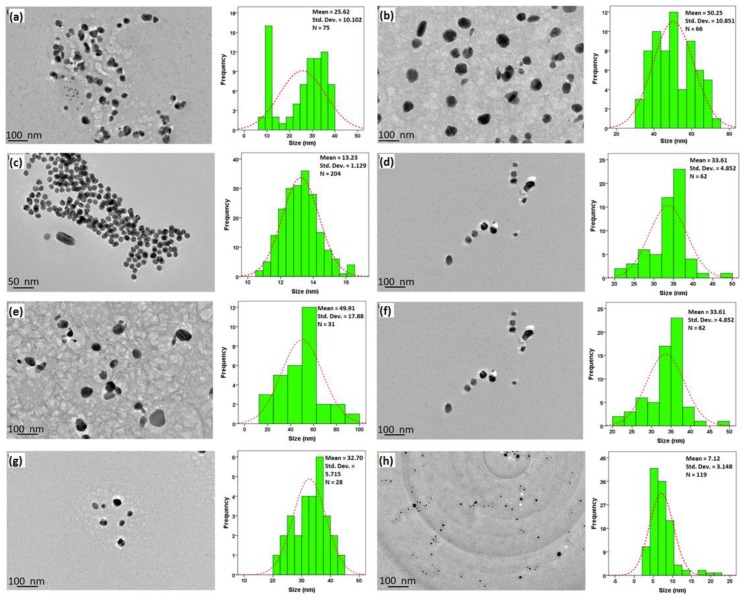
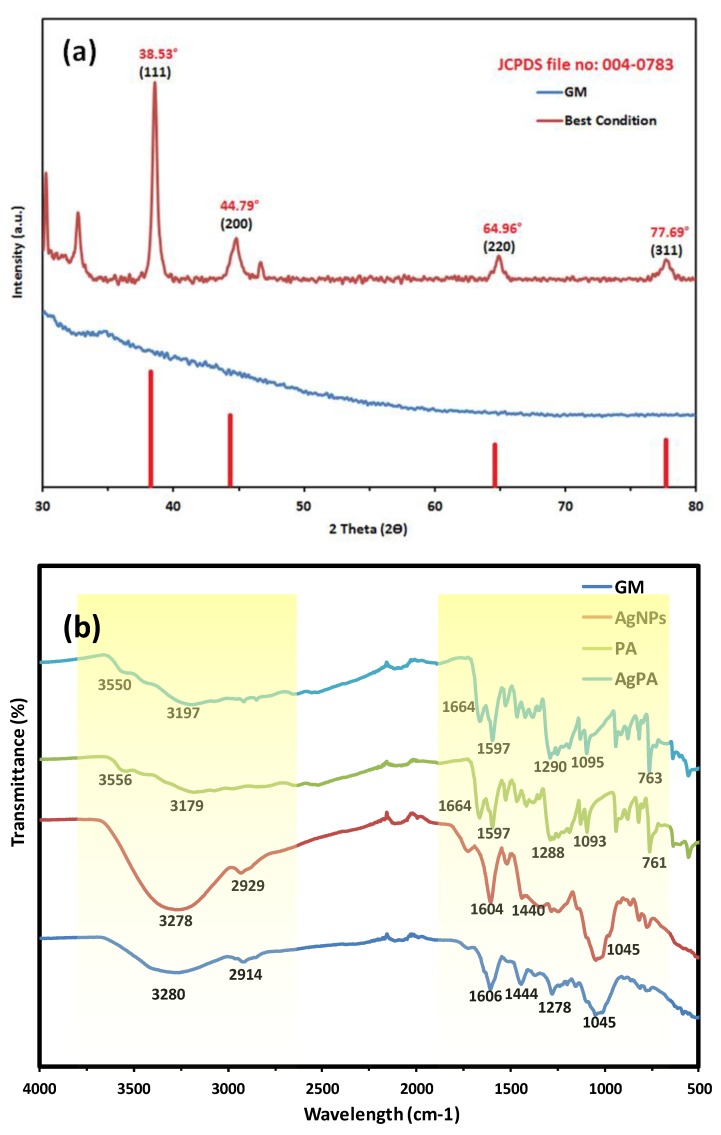
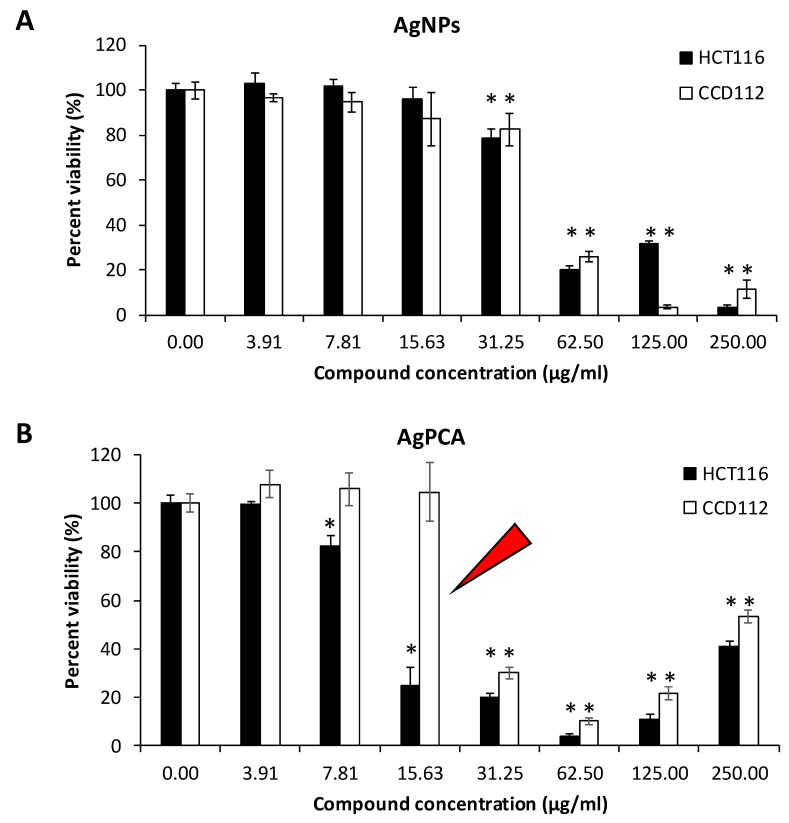
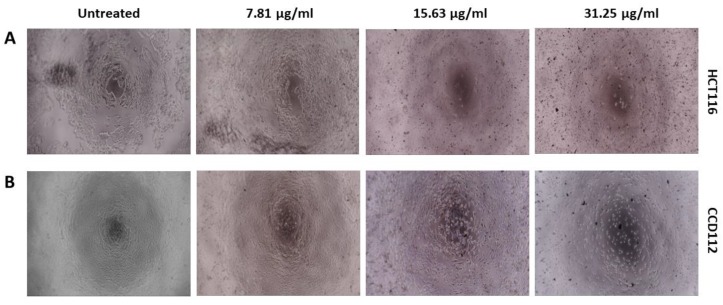
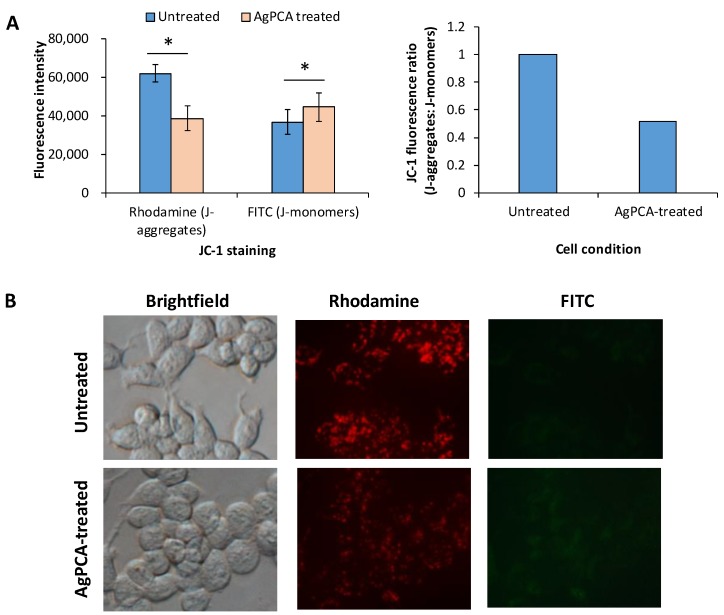
Discovery of a potent drug nanocarrier is crucial for cancer therapy in which drugs often face challenges in penetrating efficiently into solid tumours. Here, biosynthesis of silver nanoparticles (AgNPs) using a waste material, (GM) fruit peel extract is demonstrated. The best condition for AgNPs synthesis was with 0.5 g of peel extract, 7.5 mM silver nitrate at 45 °C, ~pH 4 for 16 h. The synthesized AgNPs were spherical and 32.7 ± 5.7 nm in size. To test its efficiency to be used as drug carrier, plant-based drug, protocatechuic acid (PCA) was used as a test drug. AgNPs loaded with PCA (AgPCA) resulted in 80% of inhibition at 15.6 µg/mL as compared to AgNPs which only killed 5% of HCT116 colorectal cells at same concentration. The IC of AgNPs and AgPCA for HCT116 were 40.2 and 10.7 µg/mL, respectively. At 15.6 µg/mL, AgPCA was not toxic to the tested colon normal cells, CCD112. Ag-based drug carrier could also potentially reduce the toxicity of loaded drug as the IC of PCA alone (148.1 µg/mL) was higher than IC of AgPCA (10.7 µg/mL) against HCT116. Further, 24-h treatment of 15.6 µg/mL AgPCA resulted in loss of membrane potential in the mitochondria of HCT116 cells and increased level of reaction oxygen species (ROS). These could be the cellular killing mechanisms of AgPCA. Collectively, our findings show the synergistic anticancer activity of AgNPs and PCA, and its potential to be used as a potent anticancer drug nanocarrier.
发现一种有效的药物纳米载体对于癌症治疗至关重要,因为药物在有效渗透实体瘤方面常常面临挑战。在此,展示了使用废料番石榴(GM)果皮提取物生物合成银纳米颗粒(AgNP)。合成AgNP的最佳条件是使用0.5 g果皮提取物、7.5 mM硝酸银,在45℃、pH约为4的条件下反应16小时。合成的AgNP呈球形,尺寸为32.7±5.7 nm。为了测试其作为药物载体的效率,使用植物性药物原儿茶酸(PCA)作为测试药物。负载PCA的AgNP(AgPCA)在15.6 µg/mL时导致80%的抑制率,而在相同浓度下,AgNP仅杀死5%的HCT116结肠癌细胞。AgNP和AgPCA对HCT116的半数抑制浓度(IC)分别为40.2和10.7 µg/mL。在15.6 µg/mL时,AgPCA对测试的结肠正常细胞CCD112无毒。基于银的药物载体还可能降低负载药物的毒性,因为单独的PCA对HCT116的IC(148.1 µg/mL)高于AgPCA的IC(10.7 µg/mL)。此外,15.6 µg/mL AgPCA处理24小时导致HCT116细胞线粒体膜电位丧失和活性氧(ROS)水平升高。这些可能是AgPCA的细胞杀伤机制。总体而言,我们的研究结果显示了AgNP和PCA的协同抗癌活性及其作为一种有效的抗癌药物纳米载体的潜力。