Sharaf Ahmed, Mensching Leonore, Keller Christina, Rading Sebastian, Scheffold Marina, Palkowitsch Lysann, Djogo Nevena, Rezgaoui Meriem, Kestler Hans A, Moepps Barbara, Failla Antonio Virgilio, Karsak Meliha
Neuronal and Cellular Signal Transduction, Center for Molecular Neurobiology, University Medical Center Hamburg-Eppendorf, Hamburg, Germany.
Institute of Pharmacology and Toxicology, Ulm University, Ulm, Germany.
Front Mol Neurosci. 2019 Sep 20;12:224. doi: 10.3389/fnmol.2019.00224. eCollection 2019.
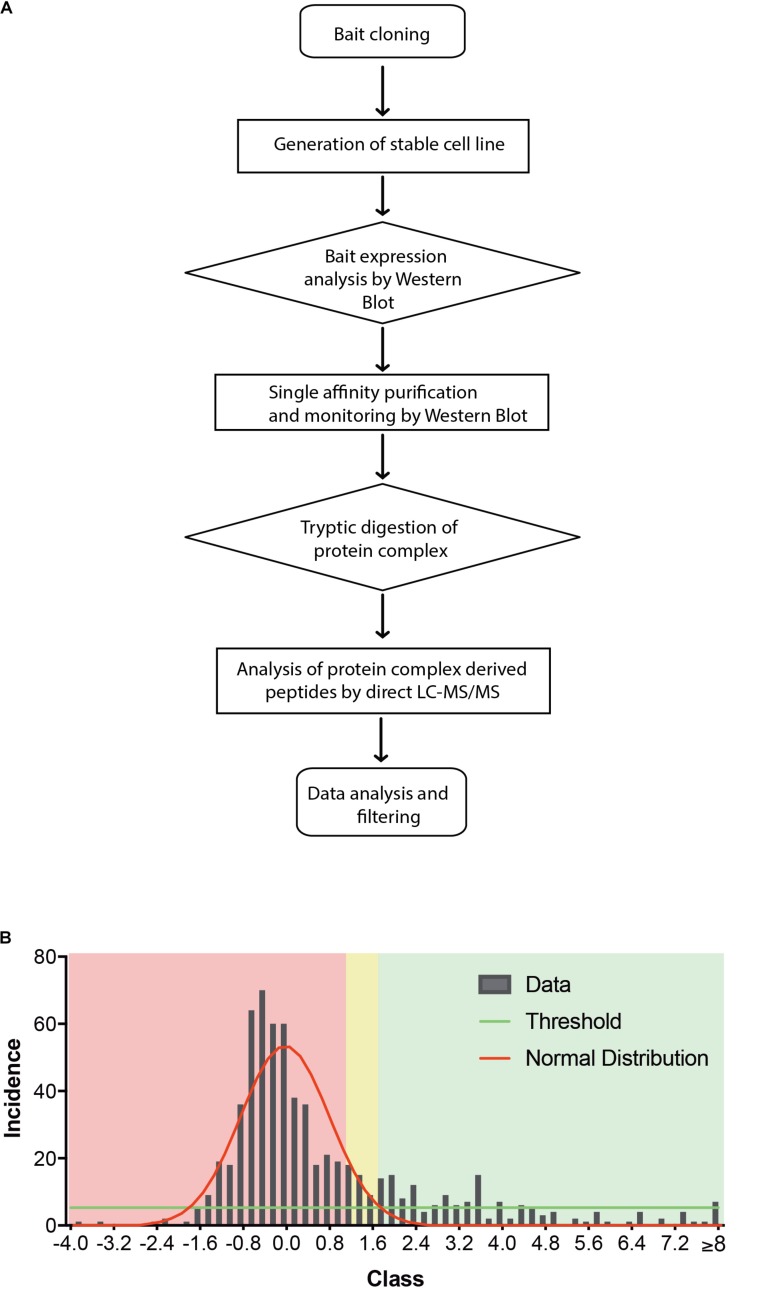
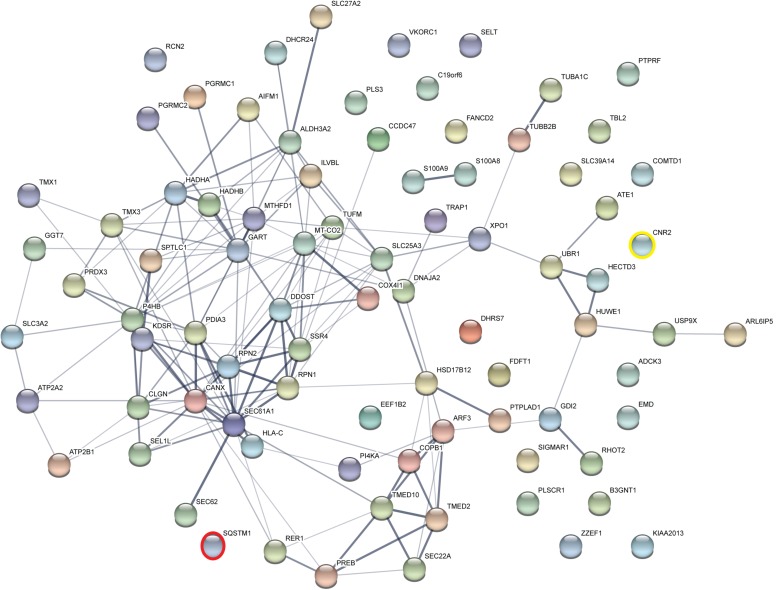
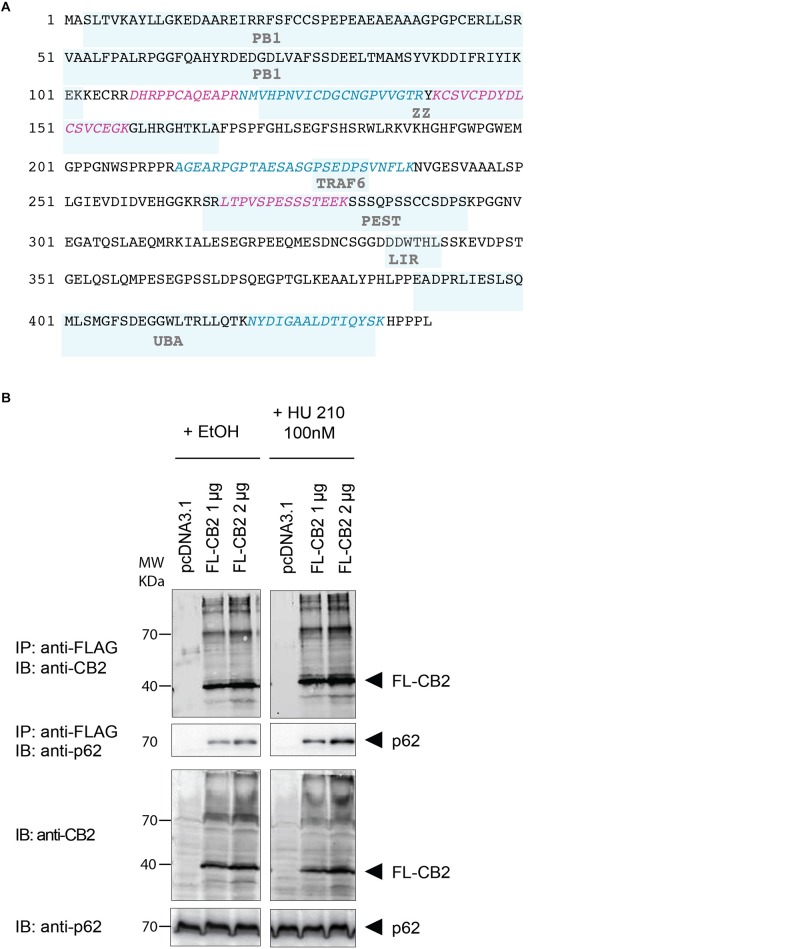
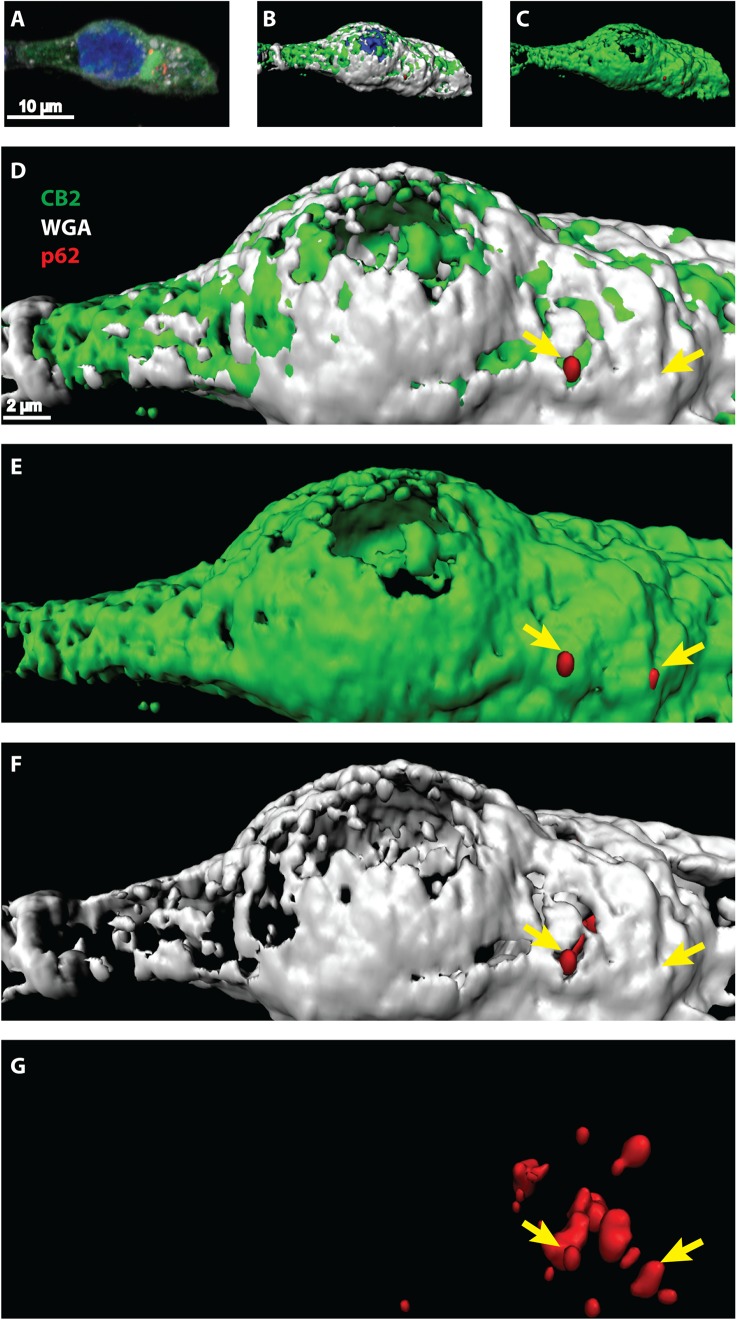
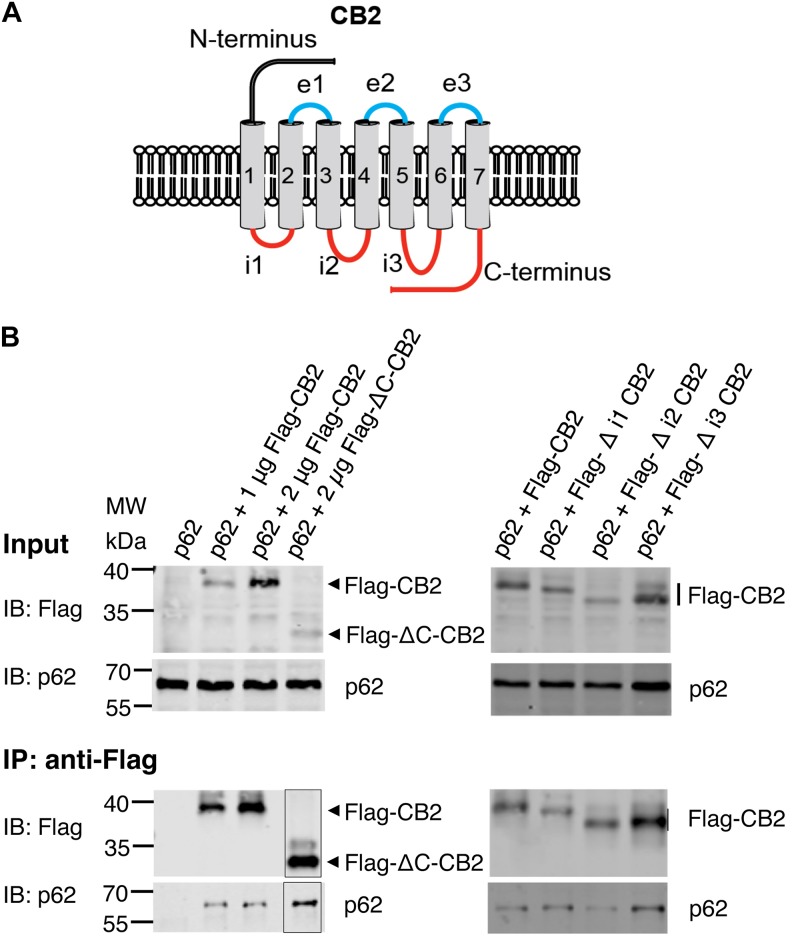
The endocannabinoid system (ECS) consists particularly of cannabinoid receptors 1 and 2 (CB1 and CB2), their endogenous ligands, and enzymes that synthesize and degrade their ligands. It acts in a variety of organs and disease states ranging from cancer progression over neuropathic pain to neurodegeneration. Protein components engaged in the signaling, trafficking, and homeostasis machinery of the G-protein coupled CB2, are however largely unknown. It is therefore important to identify further interaction partners to better understand CB2 receptor functions in physiology and pathophysiology. For this purpose, we used an affinity purification and mass spectrometry-based proteomics approach of Strep-HA-CB2 receptor in HEK293 cells. After subtraction of background interactions and protein frequency library assessment we could identify 83 proteins that were classified by the identification of minimally 2 unique peptides as highly probable interactors. A functional protein association network analysis obtained an interaction network with a significant enrichment of proteins functionally involved in protein metabolic process, in endoplasmic reticulum, response to stress but also in lipid metabolism and membrane organization. The network especially contains proteins involved in biosynthesis and trafficking like calnexin, Sec61A, tubulin chains TUBA1C and TUBB2B, TMED2, and TMED10. Six proteins that were only expressed in stable CB2 expressing cells were DHC24, DHRS7, GGT7, HECD3, KIAA2013, and PLS1. To exemplify the validity of our approach, we chose a candidate having a relatively low number of edges in the network to increase the likelihood of a direct protein interaction with CB2 and focused on the scaffold/phagosomal protein p62/SQSTM1. Indeed, we independently confirmed the interaction by co-immunoprecipitation and immunocytochemical colocalization studies. 3D reconstruction of confocal images furthermore showed CB2 localization in close proximity to p62 positive vesicles at the cell membrane. In summary, we provide a comprehensive repository of the CB2 interactome in HEK293 cells identified by a systematic unbiased approach, which can be used in future experiments to decipher the signaling and trafficking complex of this cannabinoid receptor. Future studies will have to analyze the exact mechanism of the p62-CB2 interaction as well as its putative role in disease pathophysiology.
内源性大麻素系统(ECS)尤其由大麻素受体1和2(CB1和CB2)、它们的内源性配体以及合成和降解其配体的酶组成。它在多种器官和疾病状态中发挥作用,范围从癌症进展到神经性疼痛再到神经退行性变。然而,参与G蛋白偶联的CB2信号传导、运输和稳态机制的蛋白质成分在很大程度上尚不清楚。因此,识别更多的相互作用伙伴对于更好地理解CB2受体在生理和病理生理中的功能很重要。为此,我们在HEK293细胞中使用了基于链霉亲和素-血凝素(Strep-HA)-CB2受体的亲和纯化和质谱蛋白质组学方法。在扣除背景相互作用并评估蛋白质频率库后,我们能够识别出83种蛋白质,这些蛋白质通过鉴定至少2个独特肽段被归类为极有可能的相互作用蛋白。功能蛋白质关联网络分析获得了一个相互作用网络,该网络中在蛋白质代谢过程、内质网、应激反应以及脂质代谢和膜组织中发挥功能的蛋白质显著富集。该网络特别包含参与生物合成和运输的蛋白质,如钙连蛋白、Sec61A、微管链TUBA1C和TUBB2B、跨膜内质网蛋白2(TMED2)和跨膜内质网蛋白10(TMED10)。仅在稳定表达CB2的细胞中表达的6种蛋白质是动力蛋白重链24(DHC24)、脱氢酶/还原酶7(DHRS7)、γ-谷氨酰转肽酶7(GGT7)、六跨膜表皮生长因子样结构域蛋白3(HECD3)、KIAA2013和磷脂酶1(PLS1)。为了举例说明我们方法的有效性,我们在网络中选择了一个边数相对较少的候选蛋白,以增加与CB2直接蛋白质相互作用的可能性,并聚焦于支架/吞噬体蛋白p62/ sequestosome 1(SQSTM1)。事实上,我们通过免疫共沉淀和免疫细胞化学共定位研究独立证实了这种相互作用。共聚焦图像的三维重建进一步显示CB2定位于细胞膜上与p62阳性囊泡紧邻的位置。总之,我们通过系统的无偏倚方法提供了一个HEK293细胞中CB2相互作用组的综合库,可用于未来的实验以破译该大麻素受体的信号传导和运输复合体。未来的研究将必须分析p62与CB2相互作用的确切机制及其在疾病病理生理中的假定作用。