Graduate Studies, Chulabhorn International College of Medicine, Thammasat University, Pathumthani, Thailand.
Center of Excellence in Pharmacology and Molecular Biology of Malaria and Cholangiocarcinoma, Chulabhorn International College of Medicine, Thammasat University, Pathumthani, Thailand.
Int J Nanomedicine. 2019 Jul 23;14:5659-5677. doi: 10.2147/IJN.S213229. eCollection 2019.
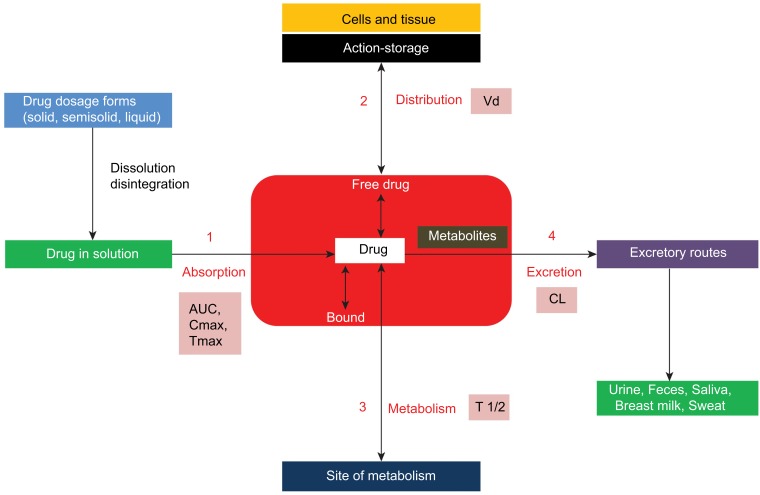
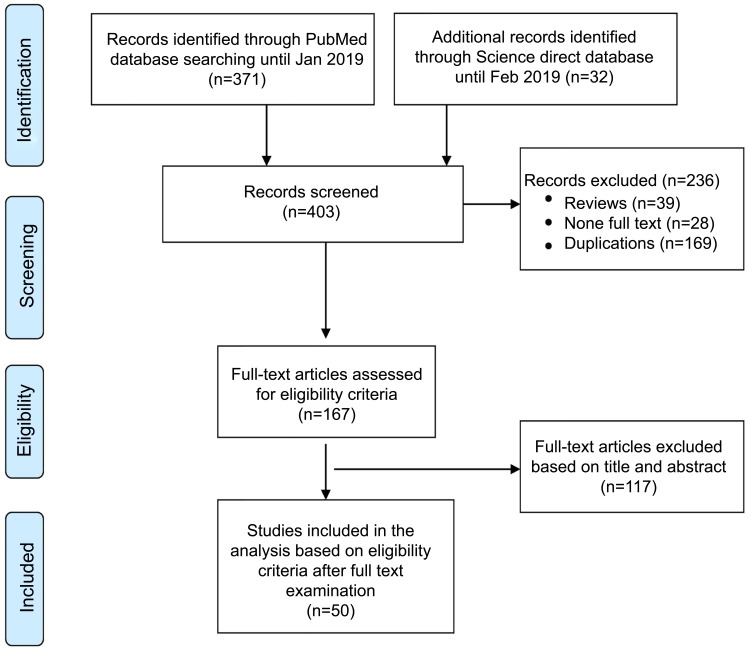
The poor pharmacokinetic characteristics of most anticancer drugs have limited their clinical effectiveness. The application of nanoparticles as a novel drug delivery system has provided opportunities to tackle the current challenges facing conventional drug delivery systems such as poor pharmacokinetics, lack of specificity to tumor cells, multidrug resistance, and toxicity. This systematic review aims to examine the application of pharmacokinetic studies of nanoparticles loaded in conventional drugs and herb-derived compounds for cancer therapy. The pharmacokinetic parameters of several herbal medicines and chemotherapeutic drugs loaded into nanoparticles were reported. This included area under the curve (AUC) of plasma concentration-time profile, maximum plasma concentration (C), time to maximum plasma concentration (T), volume of distribution (V or V), elimination half-life (t), and clearance (CL). The systematic review was conducted using information available in the PubMed and Science Direct databases up to February 2019. The search terms employed were: pharmacokinetics, pharmacokinetic study, nanoparticles, anticancer, traditional medicine, herbal medicine, herb-derived compounds, natural products, and chemotherapy. Overall, nanoparticle carriers not only significantly improved pharmacokinetics but also further enhanced permeability, solubility, stability, specificity, and selectivity of the carried anticancer drugs/herb-derived compounds to target tumor cells. Additionally, they also limited hepatic first-pass metabolism and P-glycoprotein (P-gp) efflux of the carried anticancer drugs/herb-derived compounds. Based on this systematic review, polymeric nanoparticles were the most commonly used nanocarrier to improve the pharmacokinetic parameters. The use of nanoparticles as a novel drug delivery system has the potential to improve both pharmacokinetics and cytotoxicity activity of the loaded drugs/herb-derived compounds for cancer therapy.
大多数抗癌药物的药代动力学特性较差,限制了其临床疗效。纳米粒子作为一种新型药物递送系统的应用为解决传统药物递送系统面临的当前挑战提供了机会,如药代动力学差、缺乏对肿瘤细胞的特异性、多药耐药性和毒性。本系统评价旨在考察载药纳米粒子在癌症治疗中应用的药代动力学研究。报道了几种载药纳米粒子的药代动力学参数,包括血浆浓度-时间曲线下面积(AUC)、最大血浆浓度(C)、达峰时间(T)、分布容积(V 或 V)、消除半衰期(t)和清除率(CL)。该系统评价使用了截至 2019 年 2 月在 PubMed 和 Science Direct 数据库中可用的信息。使用的检索词为:药代动力学、药代动力学研究、纳米粒子、抗癌、传统医学、草药、草药衍生化合物、天然产物和化疗。总的来说,纳米粒子载体不仅显著改善了药代动力学,而且进一步增强了所载抗癌药物/草药衍生化合物对靶肿瘤细胞的渗透性、溶解性、稳定性、特异性和选择性。此外,它们还限制了所载抗癌药物/草药衍生化合物的肝首过代谢和 P-糖蛋白(P-gp)外排。基于这项系统评价,聚合物纳米粒子是最常用于改善药代动力学参数的纳米载体。纳米粒子作为一种新型药物递送系统的应用具有提高所载药物/草药衍生化合物的药代动力学和细胞毒性活性的潜力,用于癌症治疗。