Instituto de Biología Molecular y Celular de Plantas, Universitat Politècnica de València-Consejo Superior de Investigaciones Científicas, Valencia, Spain.
BMC Plant Biol. 2019 Oct 26;19(1):450. doi: 10.1186/s12870-019-2063-9.
Secondary metabolites play an important role in the plant defensive response. They are produced as a defence mechanism against biotic stress by providing plants with antimicrobial and antioxidant weapons. In higher plants, the majority of secondary metabolites accumulate as glycoconjugates. Glycosylation is one of the commonest modifications of secondary metabolites, and is carried out by enzymes called glycosyltransferases.
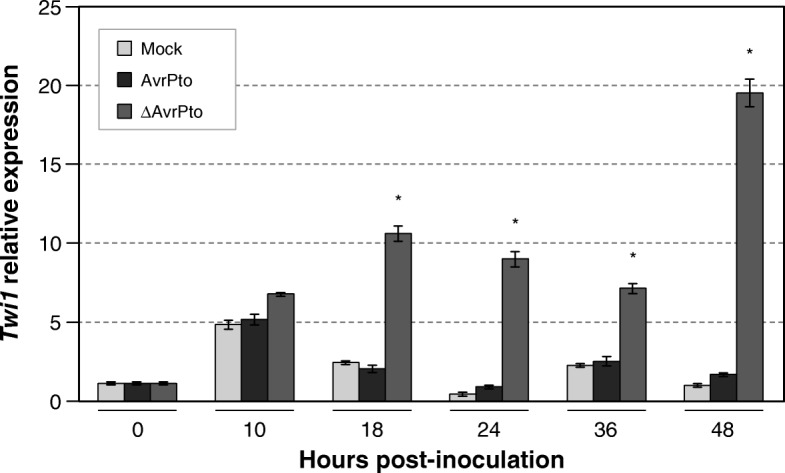
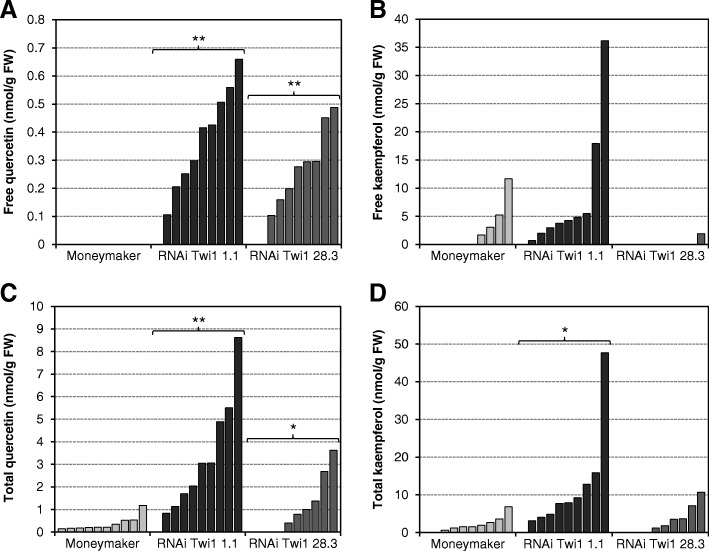
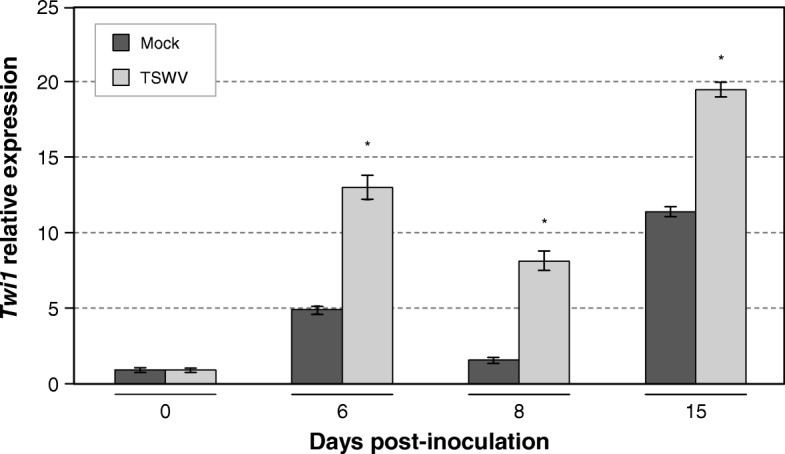
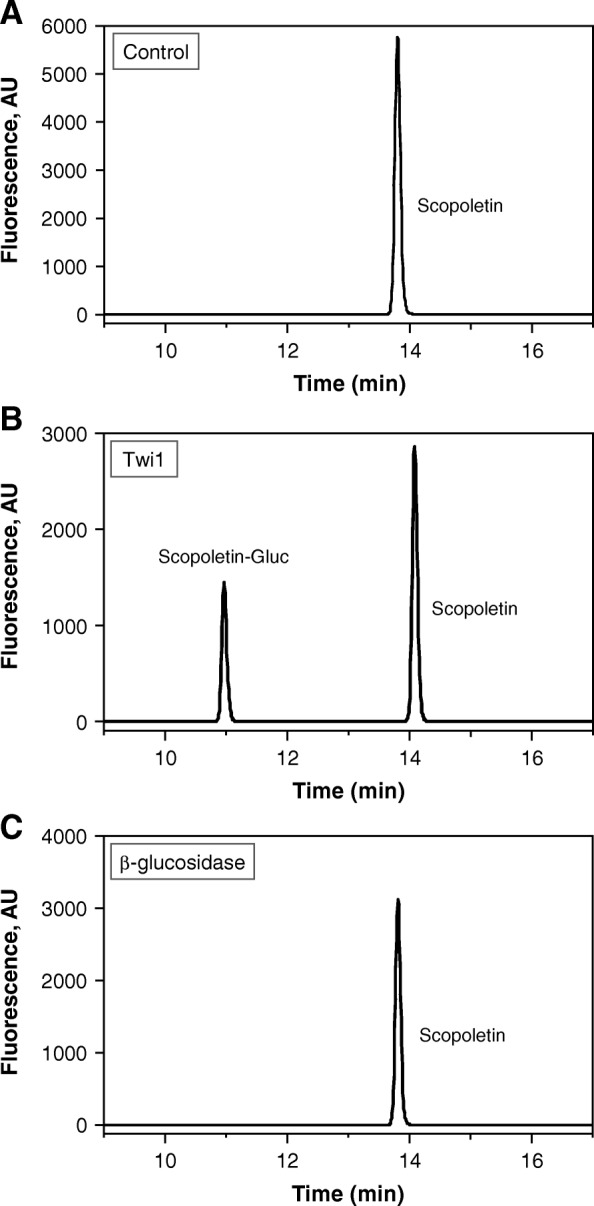
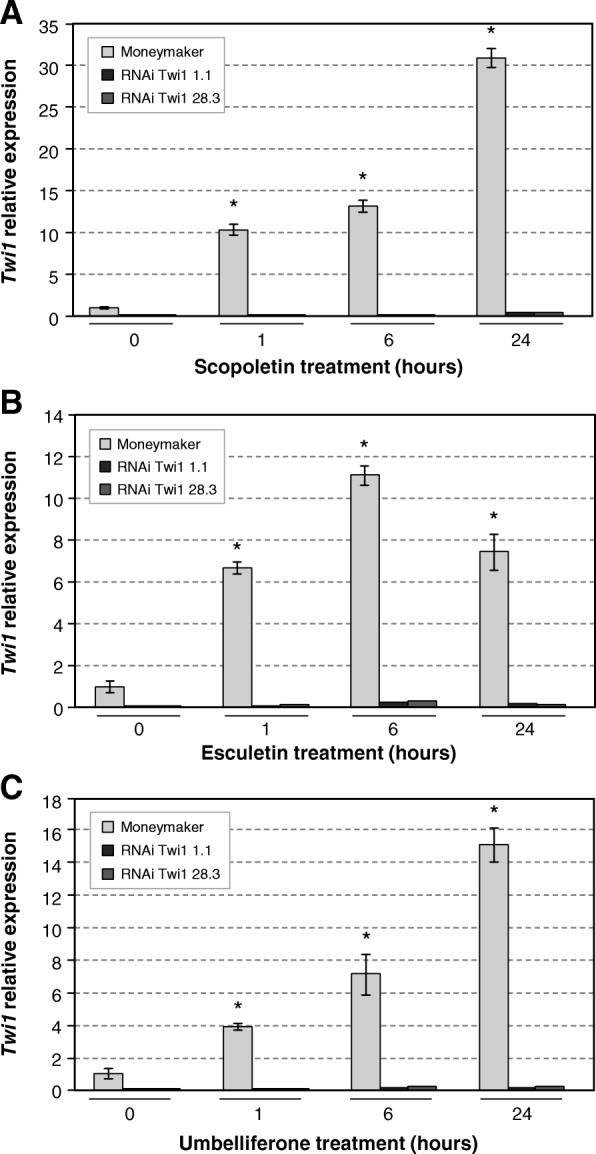
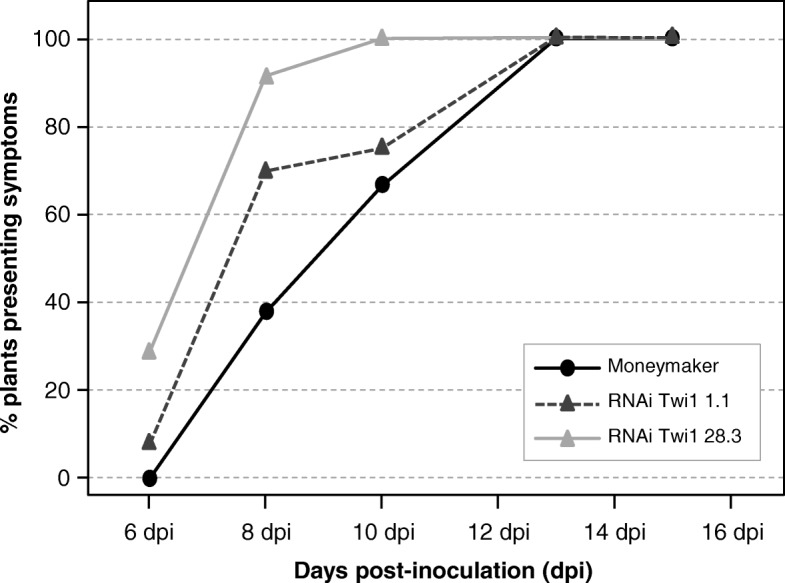
Here we provide evidence that the previously described tomato wound and pathogen-induced glycosyltransferase Twi1 displays in vitro activity toward the coumarins scopoletin, umbelliferone and esculetin, and the flavonoids quercetin and kaempferol, by uncovering a new role of this gene in plant glycosylation. To test its activity in vivo, Twi1-silenced transgenic tomato plants were generated and infected with Tomato spotted wilt virus. The Twi1-silenced plants showed a differential accumulation of Twi1 substrates and enhanced susceptibility to the virus.
Biochemical in vitro assays and transgenic plants generation proved to be useful strategies to assign a role of tomato Twi1 in the plant defence response. Twi1 glycosyltransferase showed to regulate quercetin and kaempferol levels in tomato plants, affecting plant resistance to viral infection.
次生代谢物在植物防御反应中起着重要作用。它们作为一种防御机制被产生,以抵御生物胁迫,为植物提供抗菌和抗氧化的武器。在高等植物中,大多数次生代谢物作为糖缀合物积累。糖基化是次生代谢物最常见的修饰之一,由称为糖基转移酶的酶进行。
在这里,我们提供了证据,证明先前描述的番茄伤口和病原体诱导的糖基转移酶 Twi1 在体外对香豆素、伞形酮和七叶苷以及类黄酮槲皮素和山柰酚具有活性,揭示了该基因在植物糖基化中的一个新作用。为了测试其体内活性,生成了沉默 Twi1 的转基因番茄植物并感染了番茄斑萎病毒。沉默 Twi1 的植物表现出 Twi1 底物的差异积累和对病毒的易感性增强。
生化体外测定和转基因植物的生成被证明是一种有用的策略,可以确定番茄 Twi1 在植物防御反应中的作用。Twi1 糖基转移酶显示调节番茄中槲皮素和山柰酚的水平,影响植物对病毒感染的抗性。