School of Life Sciences, Tsinghua University, Beijing, China.
IDG/McGovern Institute for Brain Research at Tsinghua University, Beijing, China.
Elife. 2019 Oct 29;8:e47441. doi: 10.7554/eLife.47441.
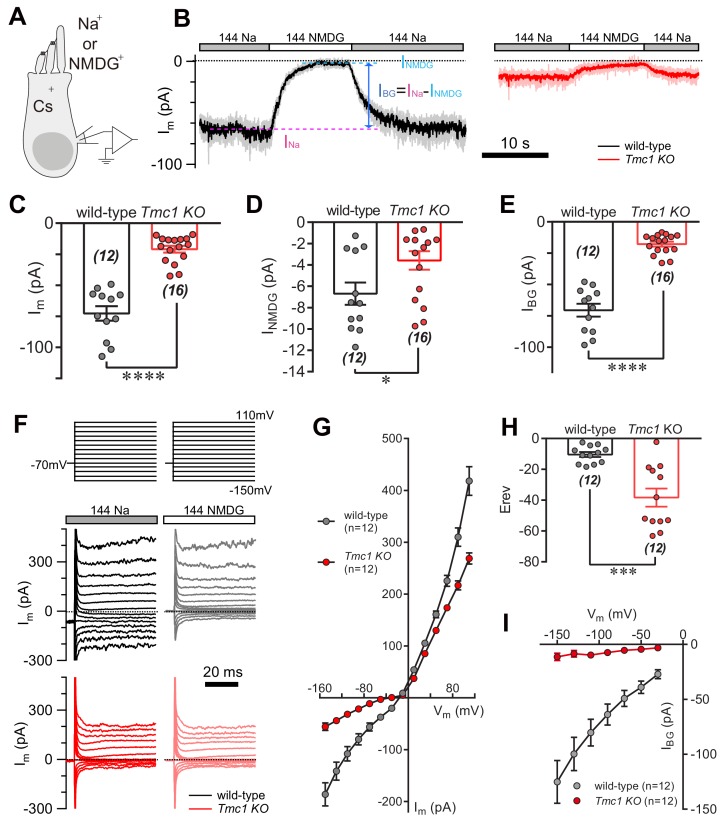
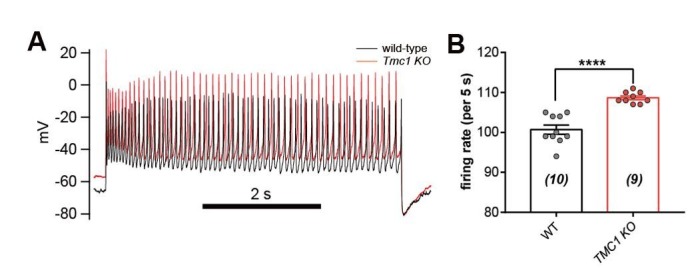
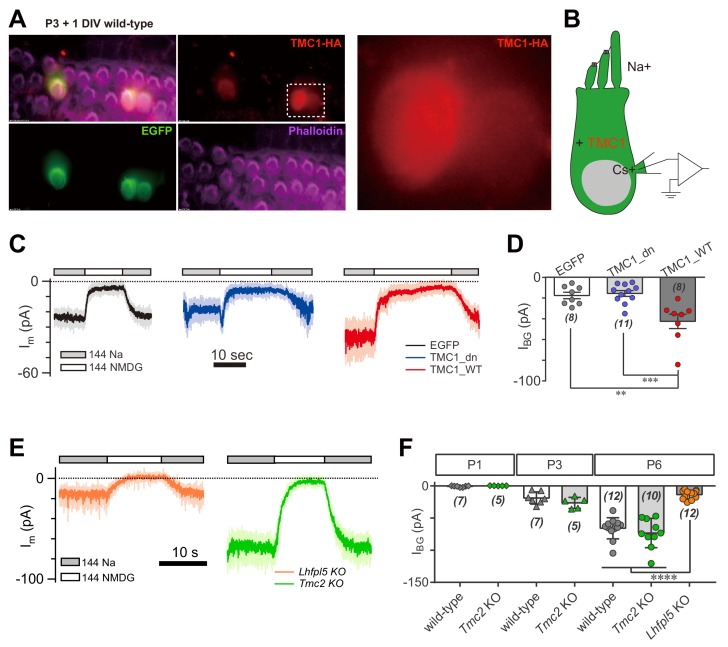
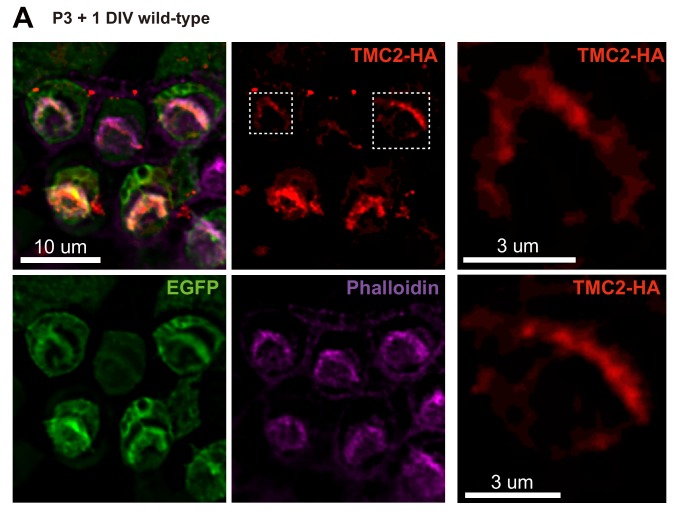
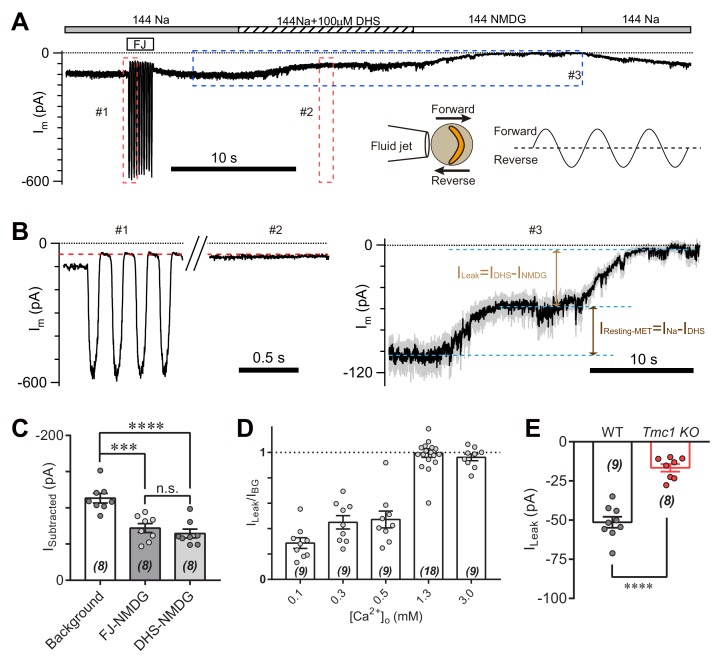
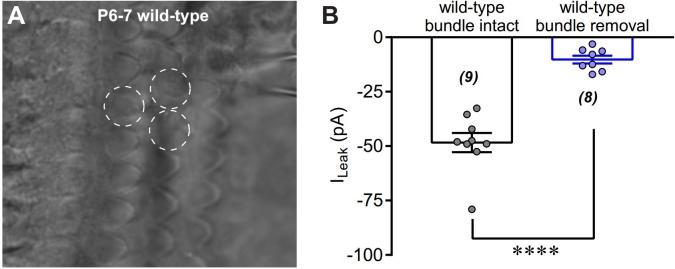
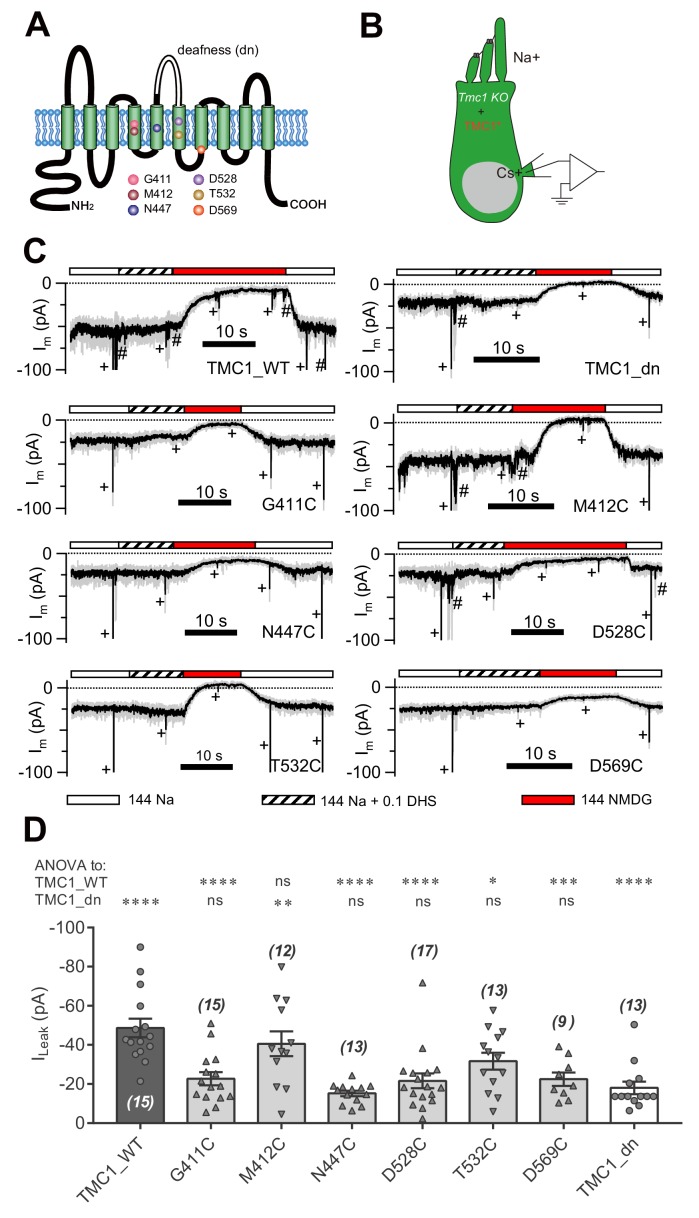
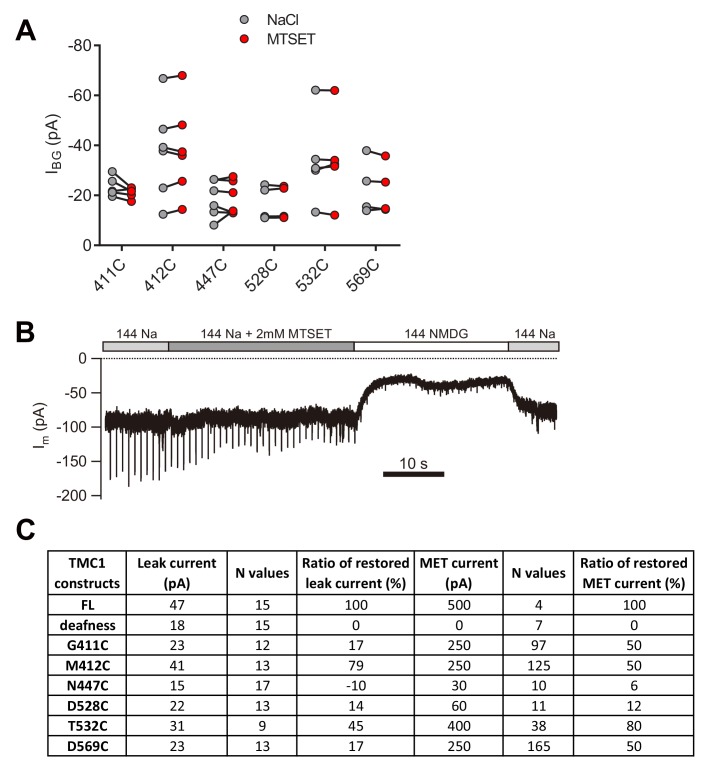
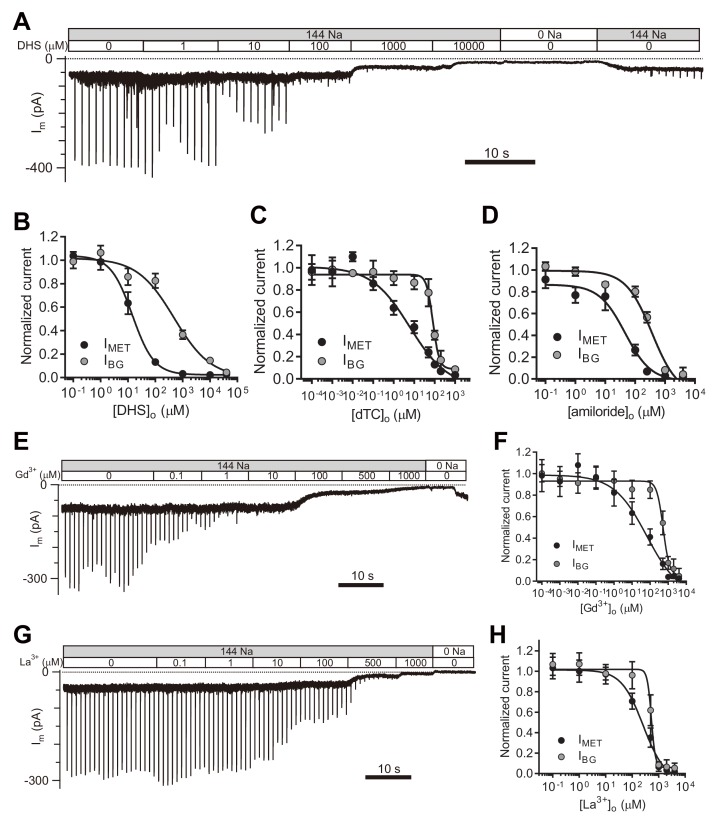
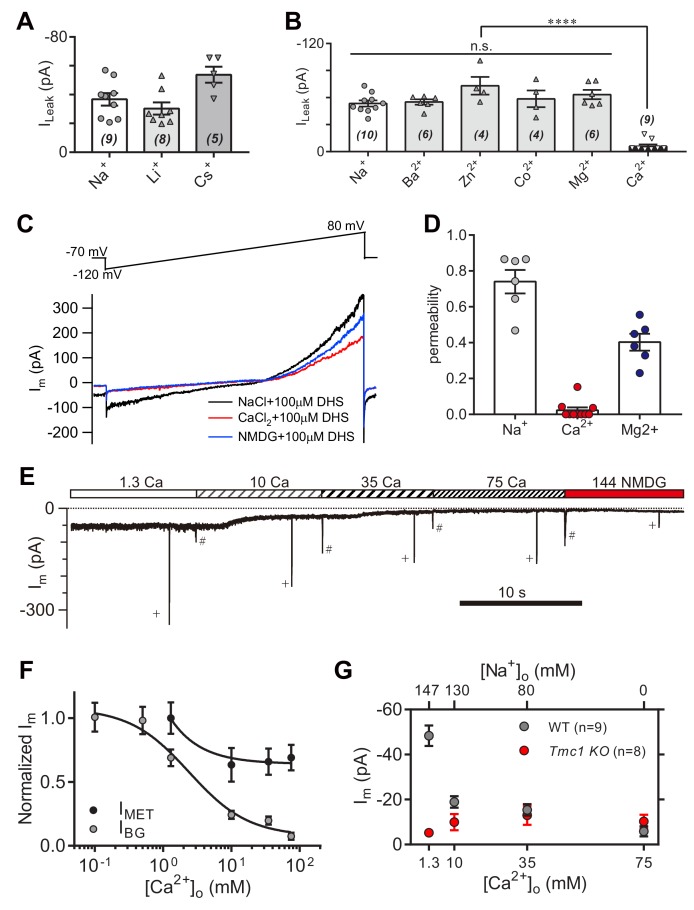
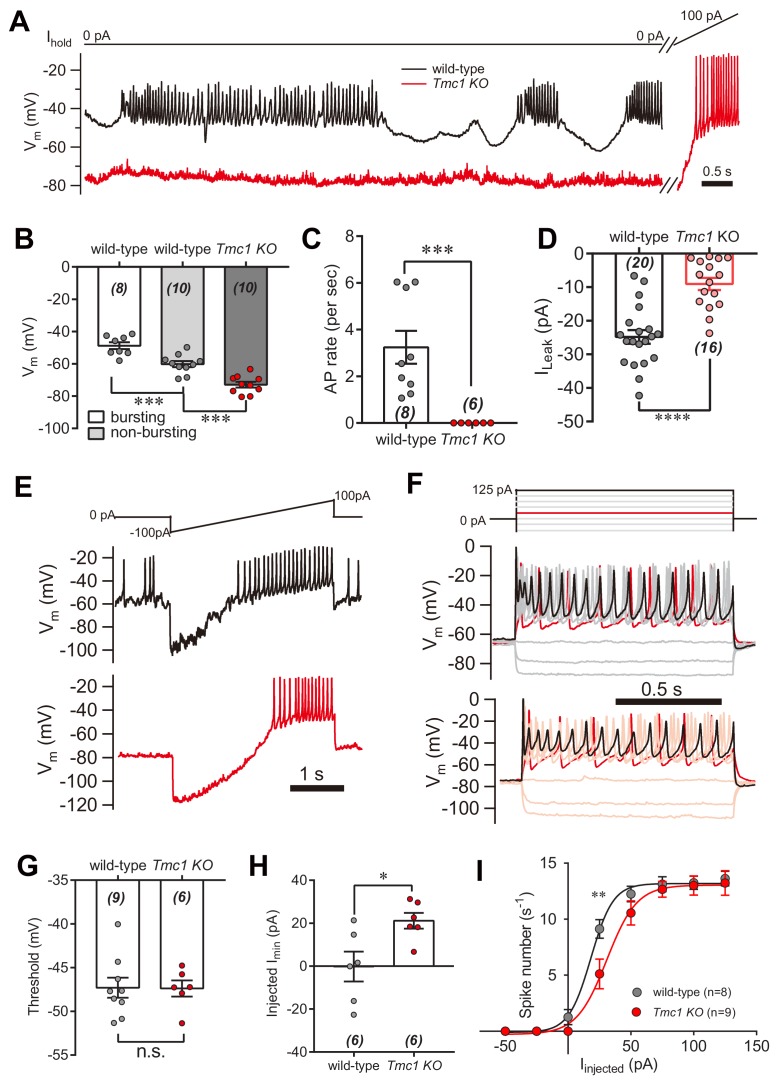
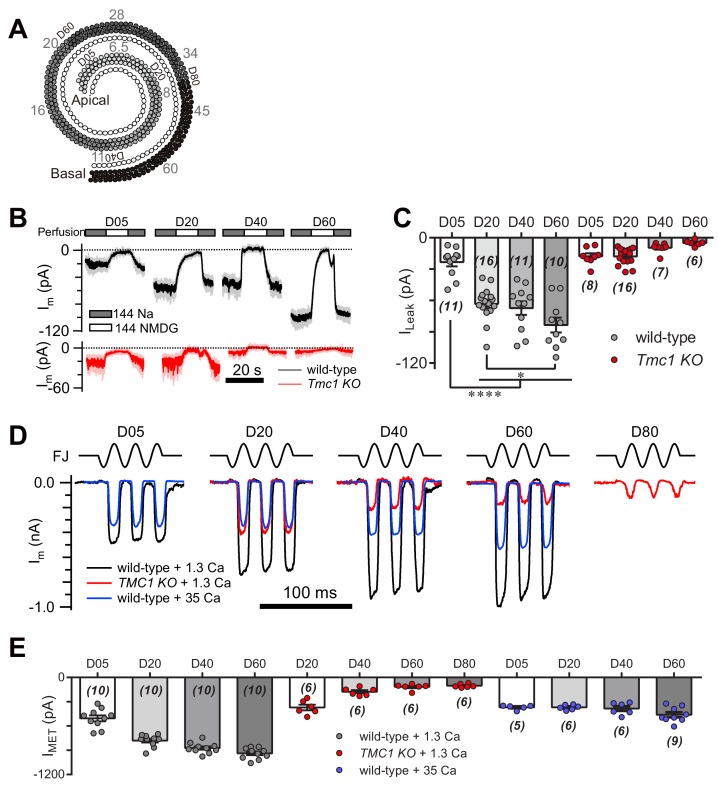
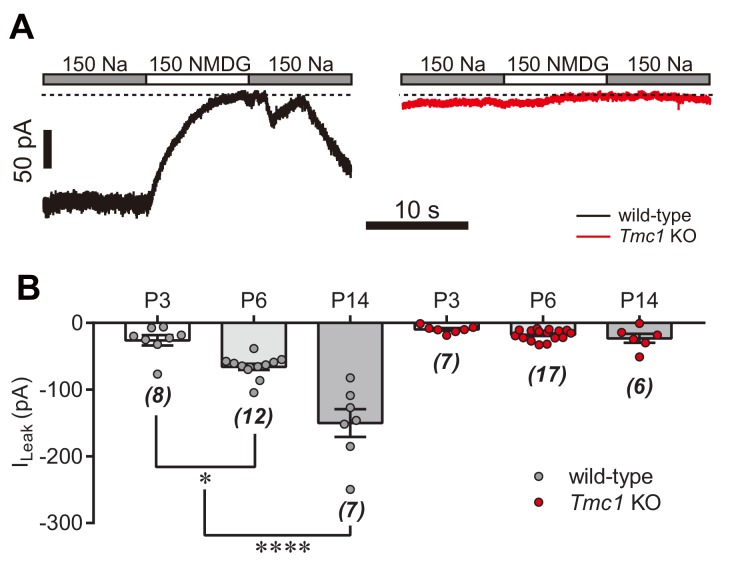
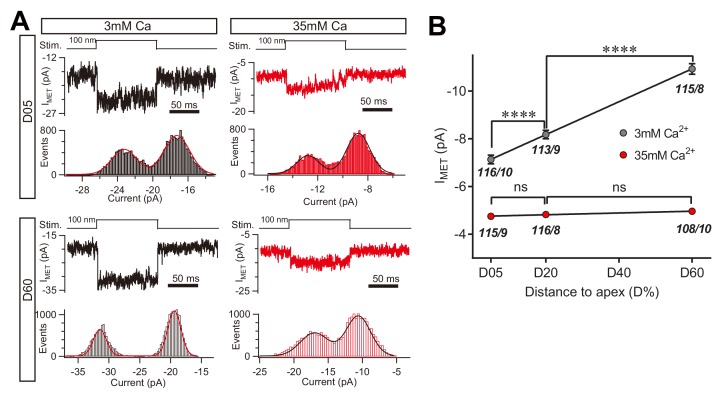
Hearing sensation relies on the mechano-electrical transducer (MET) channel of cochlear hair cells, in which transmembrane channel-like 1 (TMC1) and transmembrane channel-like 2 (TMC2) have been proposed to be the pore-forming subunits in mammals. TMCs were also found to regulate biological processes other than MET in invertebrates, ranging from sensations to motor function. However, whether TMCs have a non-MET role remains elusive in mammals. Here, we report that in mouse hair cells, TMC1, but not TMC2, provides a background leak conductance, with properties distinct from those of the MET channels. By cysteine substitutions in TMC1, we characterized four amino acids that are required for the leak conductance. The leak conductance is graded in a frequency-dependent manner along the length of the cochlea and is indispensable for action potential firing. Taken together, our results show that TMC1 confers a background leak conductance in cochlear hair cells, which may be critical for the acquisition of sound-frequency and -intensity.
听力依赖于耳蜗毛细胞的机械-电换能(MET)通道,其中跨膜通道样 1(TMC1)和跨膜通道样 2(TMC2)被提出为哺乳动物中的孔形成亚基。TMCs 还被发现调节无脊椎动物的除 MET 以外的其他生物学过程,从感觉运动功能。然而,TMCs 在哺乳动物中是否具有非-MET 作用仍然难以捉摸。在这里,我们报告在小鼠毛细胞中,TMC1 而不是 TMC2 提供背景漏导,其性质与 MET 通道不同。通过 TMC1 的半胱氨酸取代,我们表征了四个对漏导所需的氨基酸。漏导沿耳蜗的长度以频率依赖的方式分级,对动作电位的发放是必不可少的。总之,我们的结果表明 TMC1 赋予耳蜗毛细胞背景漏导,这可能对声音频率和强度的获取至关重要。