Rossi Esther Diana, Adeniran Adebowale J, Faquin William C
Division of Anatomic Pathology and Histology, Catholic University of Sacred Heart, A. Gemelli Square, 1, Rome 20123, Italy.
Department of Pathology, Yale University School of Medicine, 333 Cedar Street, New Haven, CT 06510, USA.
Surg Pathol Clin. 2019 Dec;12(4):865-881. doi: 10.1016/j.path.2019.08.001.
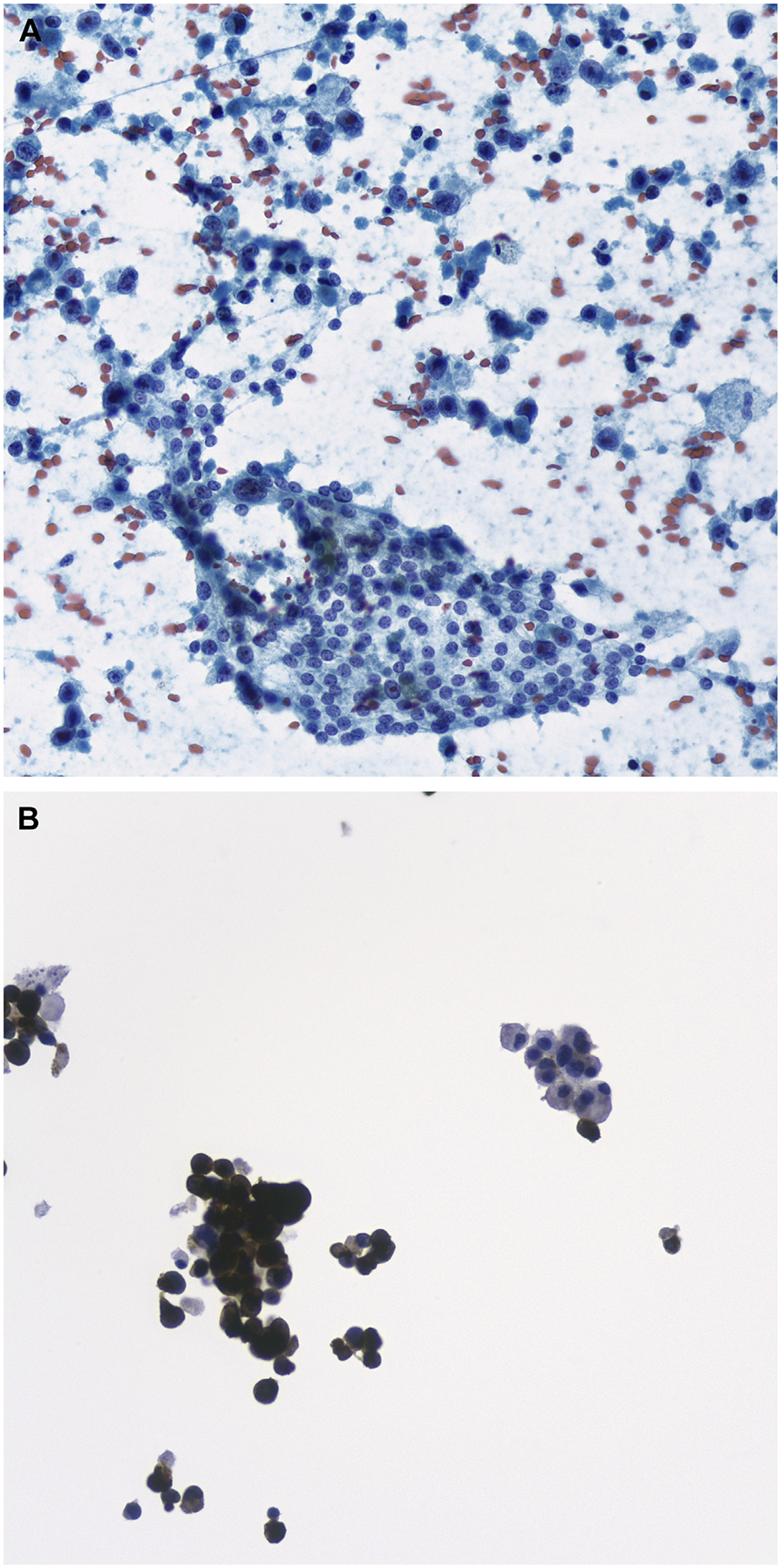
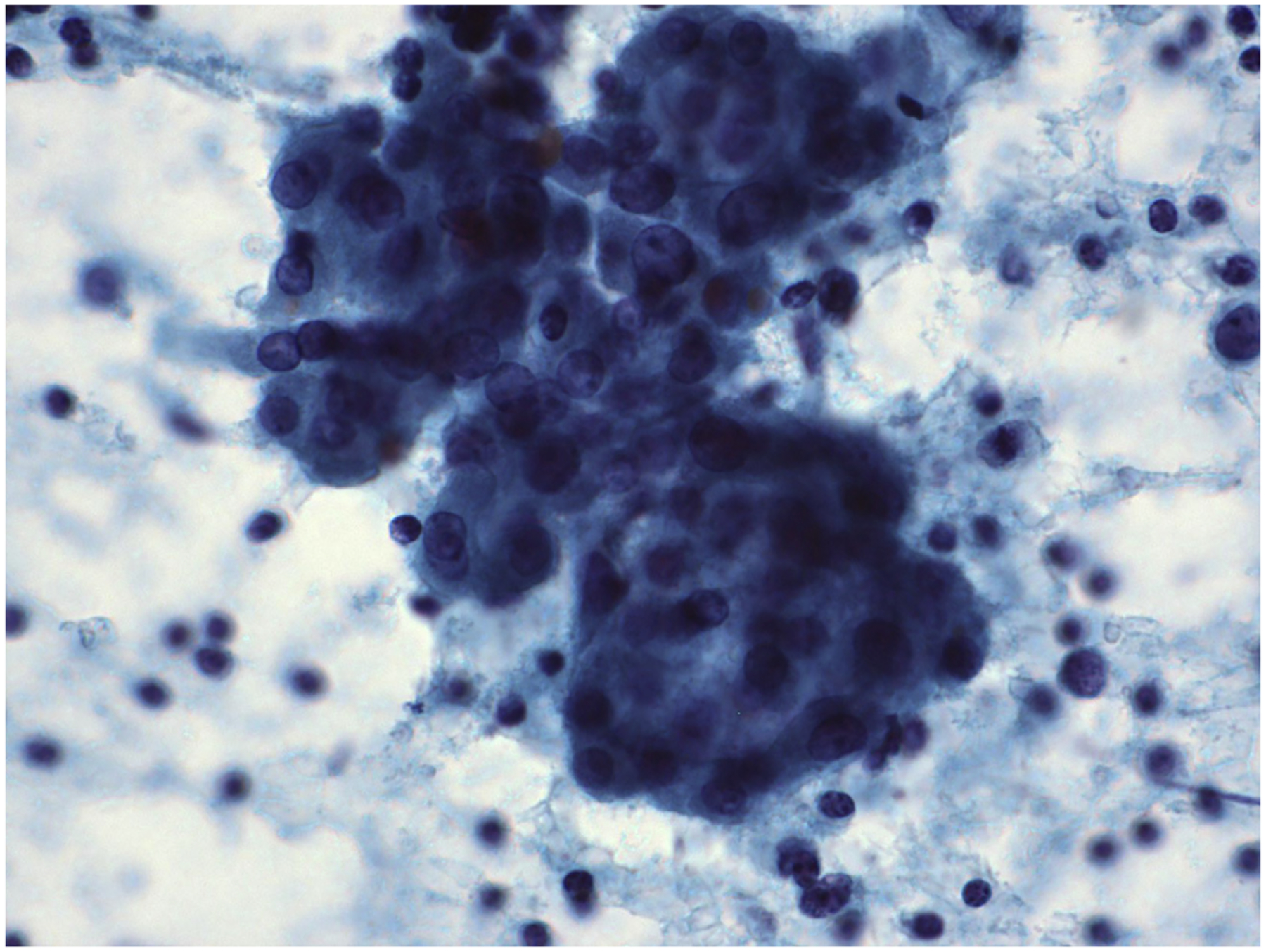
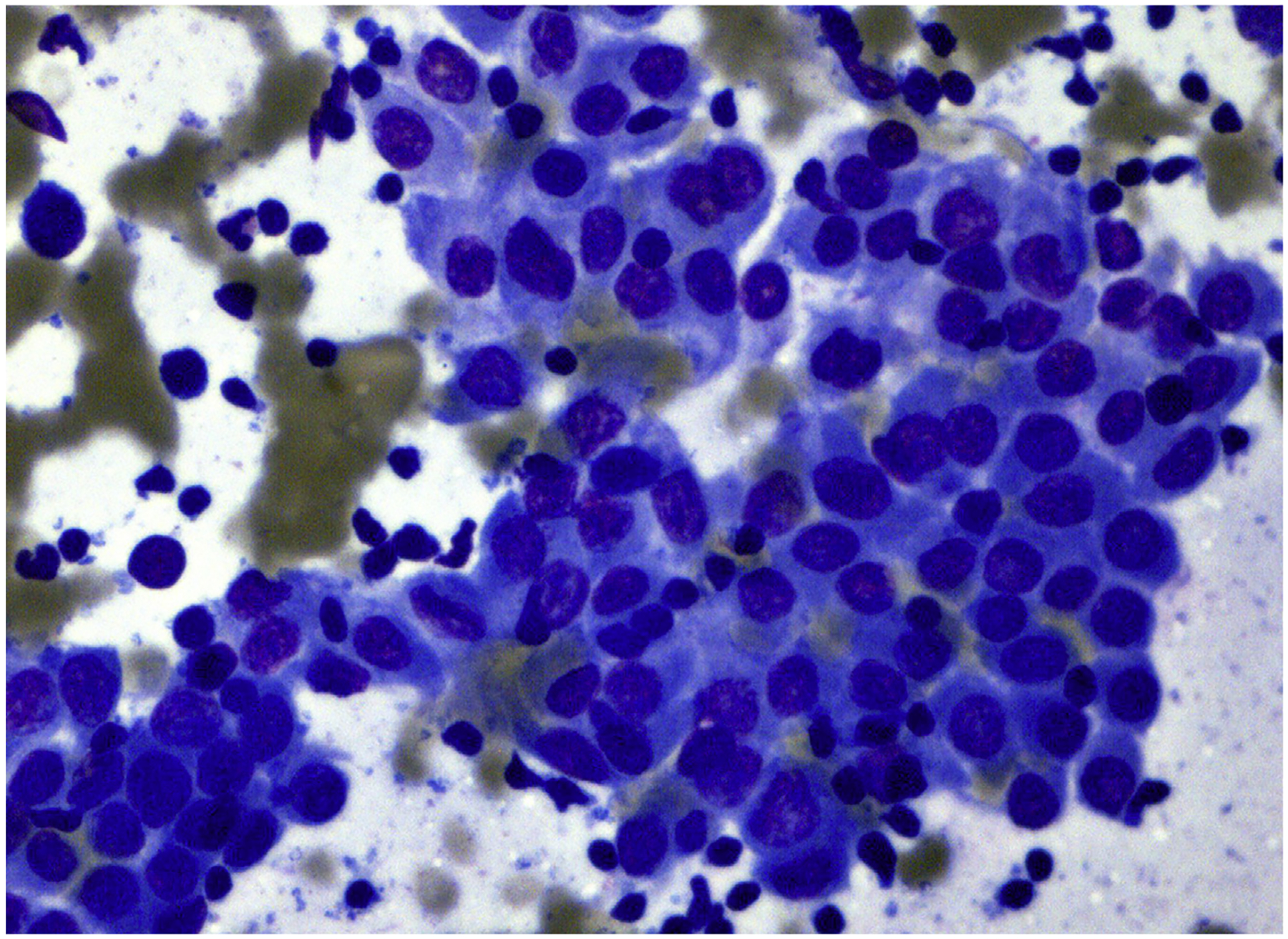
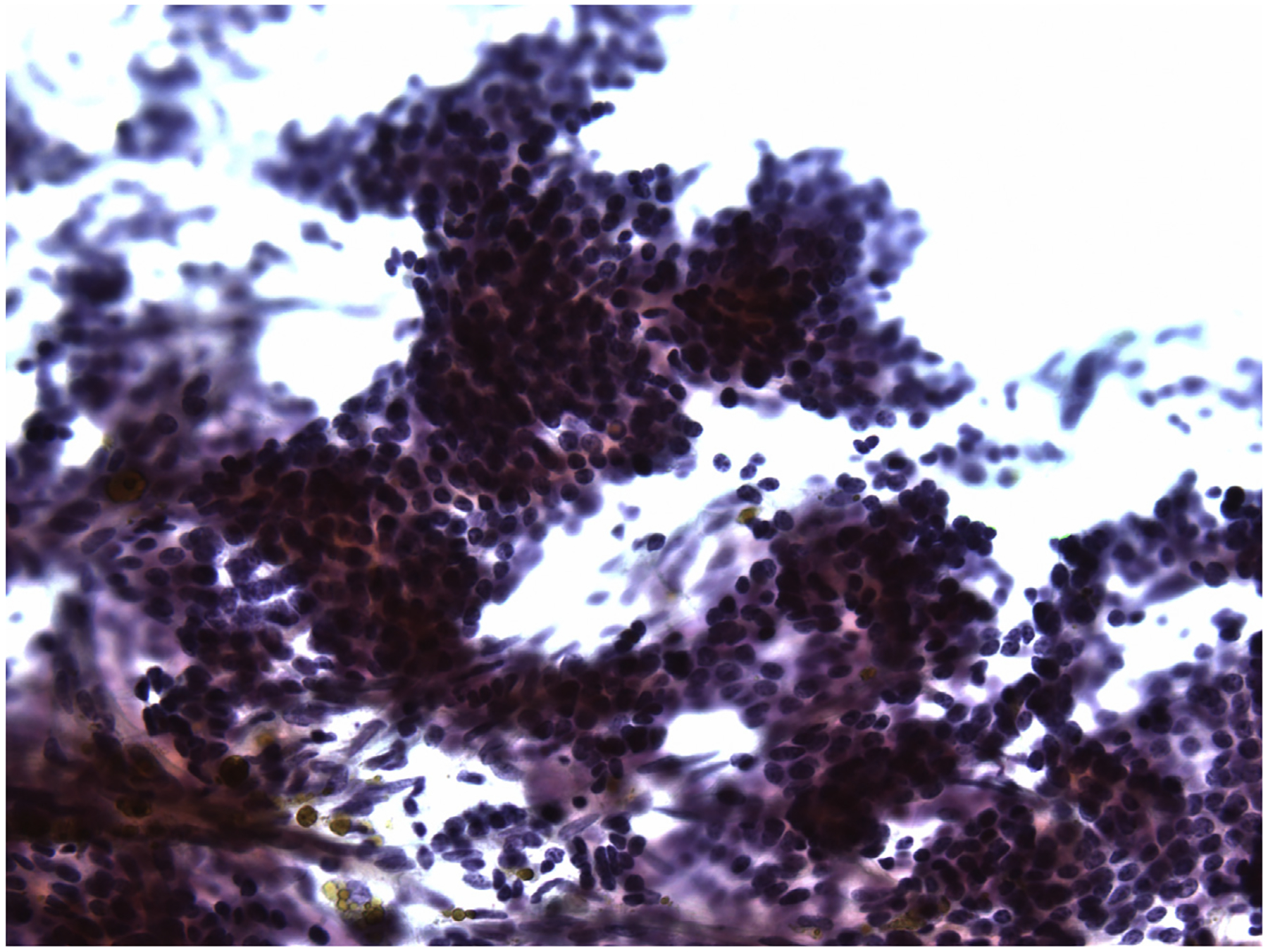
Fine-needle aspiration (FNA) is among the first diagnostic tools used in the evaluation of thyroid nodules. It has the ability to triage patients with benign and malignant lesions, thus defining the optimum clinical and/or surgical management. The Bethesda System for Reporting Thyroid Cytopathology has found worldwide acceptance. Thyroid FNA offers high positive predictive value (97%-99%), with sensitivities and specificities of 65% to 99% and 72% to 100%, respectively. Nonetheless, many potential diagnostic pitfalls exist that can lead to false-positive and/or false-negative results. This article discusses several of the potential pitfalls in the cytologic evaluation of thyroid lesions.
细针穿刺抽吸活检(FNA)是甲状腺结节评估中最早使用的诊断工具之一。它能够对良性和恶性病变患者进行分流,从而确定最佳的临床和/或手术管理方案。甲状腺细胞病理学报告的贝塞斯达系统已在全球范围内得到认可。甲状腺FNA具有较高的阳性预测值(97%-99%),敏感性和特异性分别为65%至99%和72%至100%。尽管如此,仍存在许多可能导致假阳性和/或假阴性结果的潜在诊断陷阱。本文讨论了甲状腺病变细胞学评估中的一些潜在陷阱。