School of Medicine and Public Health, Endocrinology and Reproductive Physiology Graduate Training Program, University of Wisconsin-Madison, Madison, WI, 53706, USA.
King Saud bin Abdulaziz University for Health Sciences, National Guard Health Affairs, Riyadh, 11426, Saudi Arabia.
Sci Rep. 2019 Oct 31;9(1):15761. doi: 10.1038/s41598-019-52339-7.
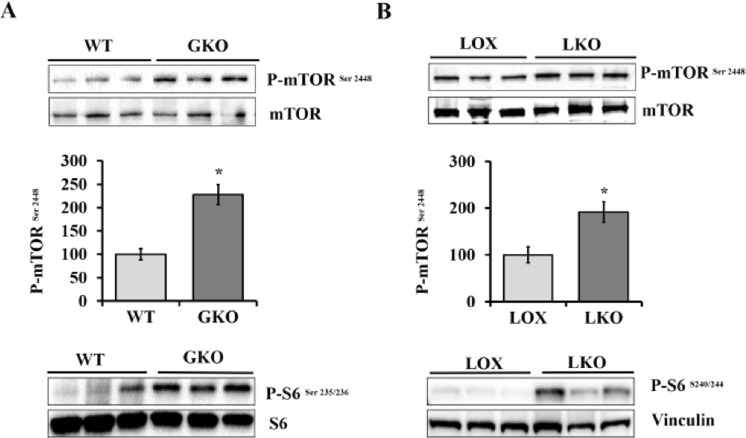
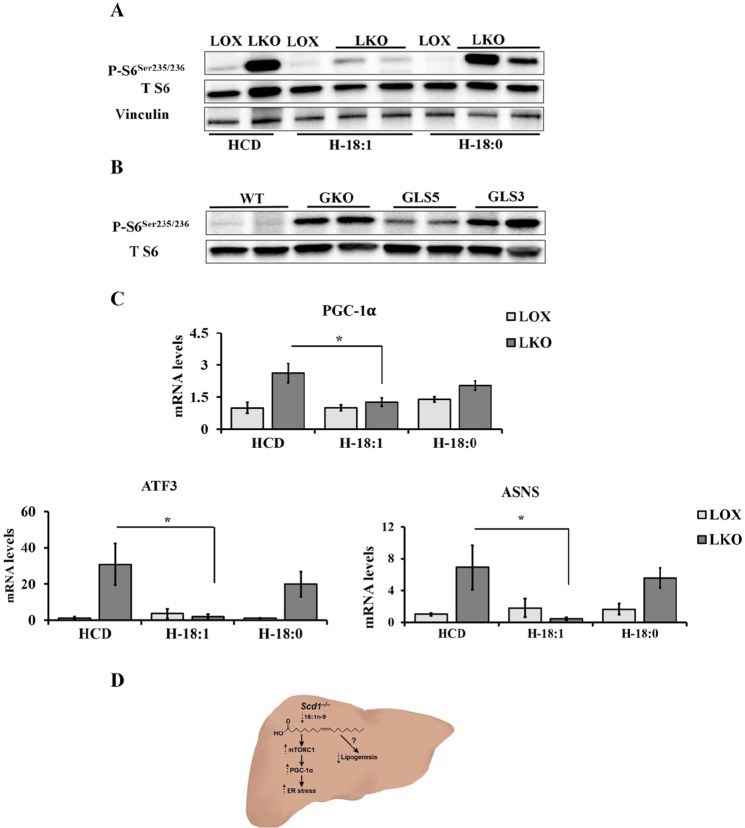
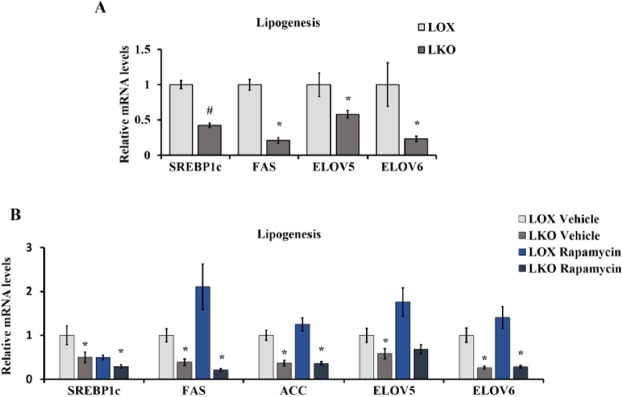
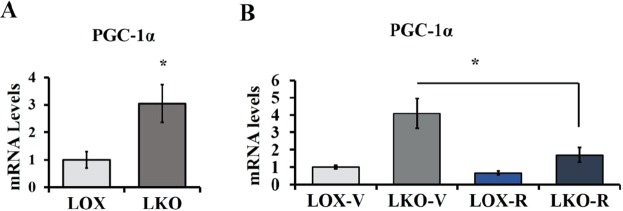
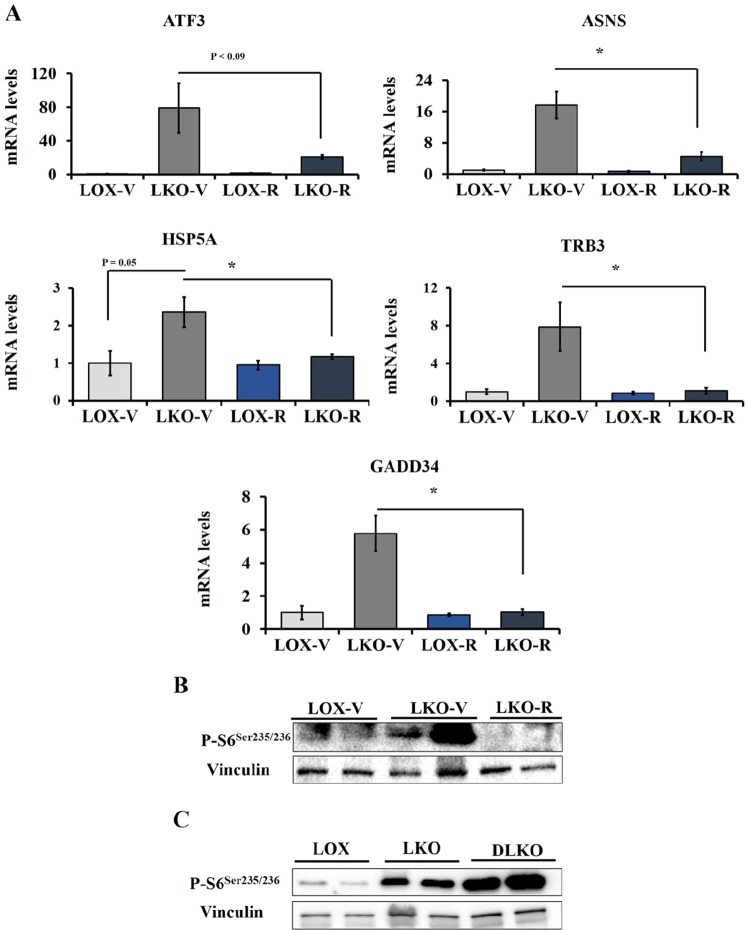
Stearoyl CoA desaturase 1 (SCD1) is a key enzyme in lipogenesis as it catalyzes the synthesis of monounsaturated fatty acids (MUFAs), mainly oleate (18:1n9) and palmitoleate (16:1n7) from saturated fatty acids (SFA), stearate (18:0) and palmitate (16:0), respectively. Studies on SCD1 deficiency in mouse models demonstrated beneficial metabolic phenotypes such as reduced adiposity and improved glucose tolerance. Even though, SCD1 represents a potential target to resolve obesity related metabolic diseases; SCD1 deficiency causes endoplasmic reticulum (ER) stress and activates unfolded protein response (UPR). The induction of ER stress in response to SCD1 deficiency is governed by the cofactor, PGC-1α. However, the mechanism by which SCD1 deficiency increases PGC-1α and subsequently induces ER stress still remains elusive. The present study demonstrates that despite reduced lipogenesis, liver specific SCD1 deficiency activates the mechanistic target of rapamycin complex 1 (mTORC1) along with induction of PGC-1α and ER stress. Further, mTORC1 inhibition attenuates SCD1 deficiency-mediated induction of both PGC-1α and ER stress. Similar observations were seen by restoring endogenously synthesized oleate, but not palmitoleate, suggesting a clear mTORC1-mediated regulation of ER stress during SCD1 deficiency. Overall, our results suggest a model whereby maintaining adequate levels of hepatic oleate is required to suppress mTORC1-mediated ER stress. In addition, the activation of mTORC1 by SCD1 deficiency reveals an important function of fatty acids in regulating different cellular processes through mTORC1 signaling.
硬脂酰辅酶 A 去饱和酶 1(SCD1)是脂肪生成中的关键酶,因为它催化从饱和脂肪酸(硬脂酸(18:0)和棕榈酸(16:0))合成单不饱和脂肪酸(MUFAs),主要是油酸(18:1n9)和棕榈油酸(16:1n7)。在小鼠模型中对 SCD1 缺乏的研究表明,具有有益的代谢表型,如减少脂肪堆积和改善葡萄糖耐量。尽管如此,SCD1 代表了解决肥胖相关代谢疾病的潜在靶标;SCD1 缺乏会引起内质网(ER)应激并激活未折叠蛋白反应(UPR)。SCD1 缺乏引起的 ER 应激由共因子 PGC-1α 调节。然而,SCD1 缺乏增加 PGC-1α 并随后诱导 ER 应激的机制仍不清楚。本研究表明,尽管脂肪生成减少,肝脏特异性 SCD1 缺乏会激活雷帕霉素靶蛋白复合物 1(mTORC1),同时诱导 PGC-1α 和 ER 应激。此外,mTORC1 抑制可减弱 SCD1 缺乏介导的 PGC-1α 和 ER 应激的诱导。通过恢复内源性合成的油酸而不是棕榈油酸也观察到类似的观察结果,这表明在 SCD1 缺乏期间,mTORC1 介导的 ER 应激受到明确的调节。总体而言,我们的结果表明了一种模型,即需要维持足够水平的肝油酸以抑制 mTORC1 介导的 ER 应激。此外,SCD1 缺乏激活 mTORC1 揭示了脂肪酸通过 mTORC1 信号调节不同细胞过程的重要功能。