Murgia Denise, Angellotti Giuseppe, D'Agostino Fabio, De Caro Viviana
Dipartimento di Discipline Chirurgiche, Oncologiche e Stomatologiche, Università degli Studi di Palermo, 90127 Palermo, Italy.
Dipartimento di Scienze e Tecnologie Biologiche Chimiche e Farmaceutiche (STEBICEF), Università degli Studi di Palermo, 90123 Palermo, Italy.
Polymers (Basel). 2019 Nov 2;11(11):1801. doi: 10.3390/polym11111801.
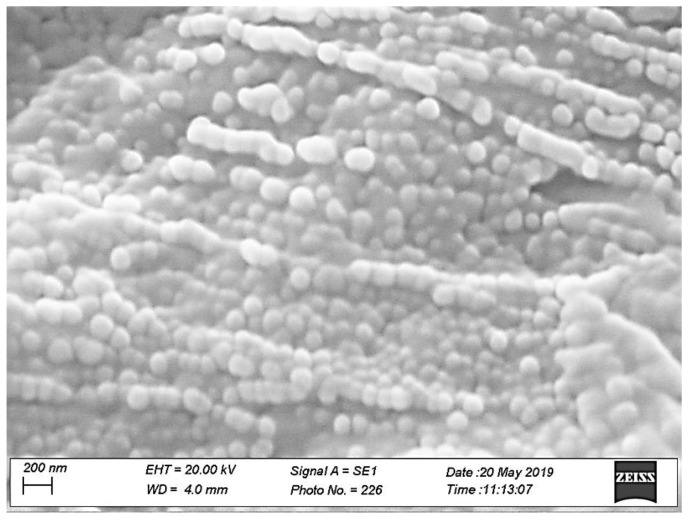
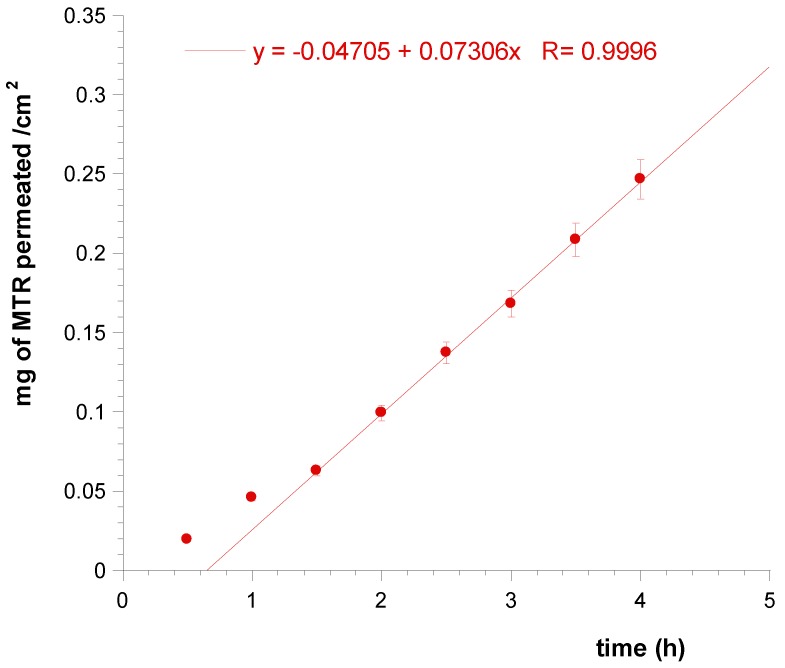
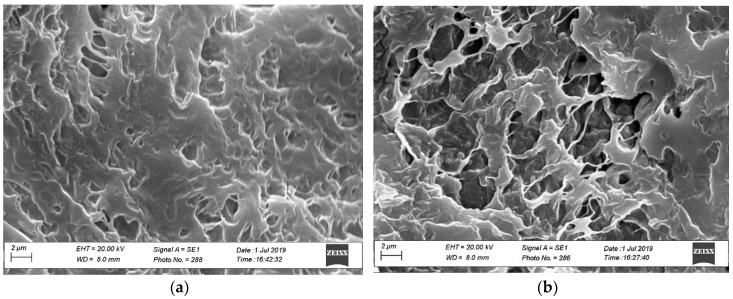
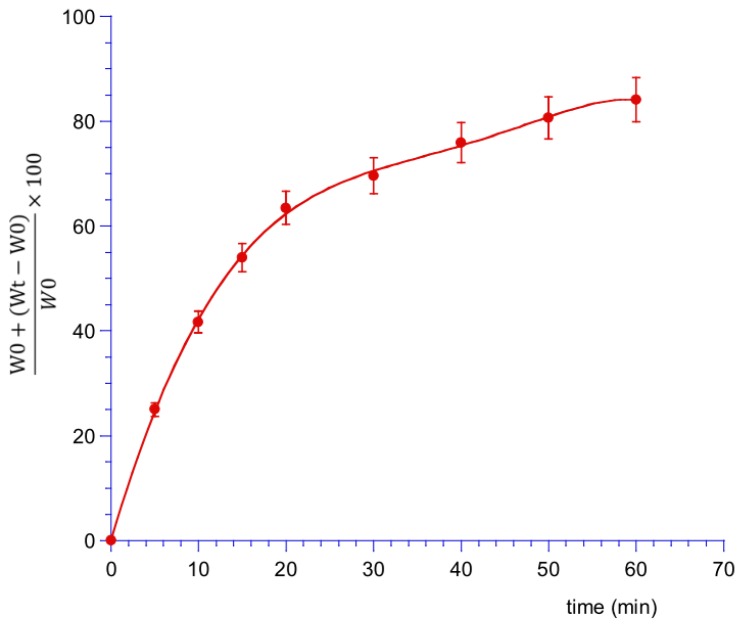
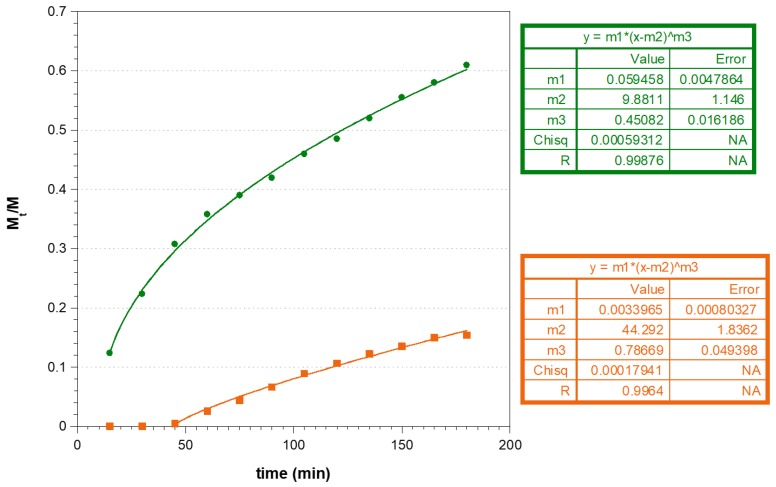
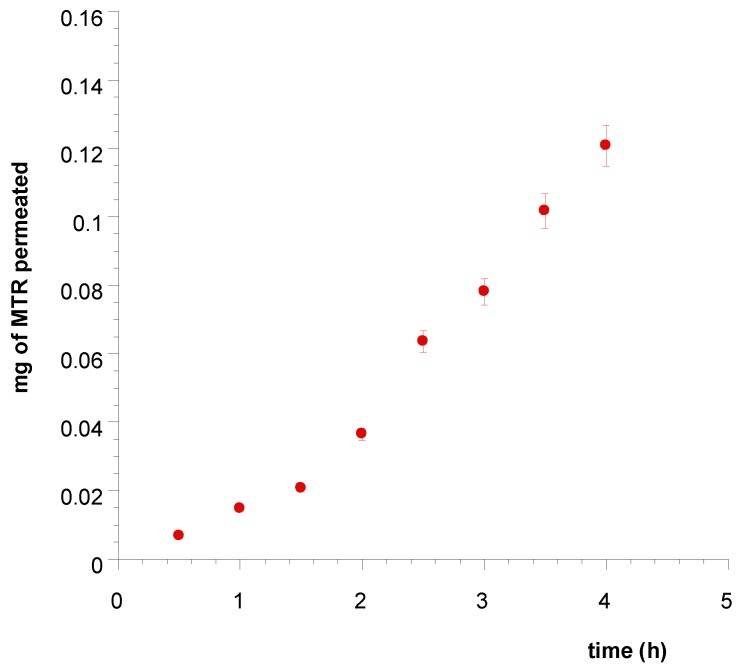
Periodontitis treatment is usually focused on the reduction or eradication of periodontal pathogens using antibiotics against anaerobic bacteria, such as metronidazole (MTR). Moreover, recently the correlation between periodontal diseases and overexpression of reactive oxygen species (ROS) led to the introduction of antioxidant biomolecules in therapy. In this work, bioadhesive buccal tablets, consisting of a hydrophilic matrix loaded with metronidazole and lipophilic nanoparticles as a vehicle of curcumin, were developed. Curcumin (CUR)-loaded nanostructured lipid carriers (NLC) were prepared using glycyrrhetic acid, hexadecanol, isopropyl palmitate and Tween80 as a surfactant. As method, homogenization followed by high-frequency sonication was used. After dialysis, CUR-NLC dispersion was evaluated in terms of drug loading (DL, 2.2% w/w) and drug recovery (DR, 88% w/w). NLC, characterized by dynamic light scattering and scanning electron microscopy (SEM), exhibited a spherical shape, an average particle size of 121.6 nm and PDI and PZ values considered optimal for a colloidal nanoparticle dispersion indicating good stability of the system. Subsequently, a hydrophilic sponge was obtained by lyophilization of a gel based on trehalose, Natrosol and PVP-K90, loaded with CUR-NLC and MTR. By compression of the sponge, matrix tablets were obtained and characterized in term of porosity, swelling index, mucoadhesion and drugs release. The ability of the matrix tablets to release CUR and MTR when applied on buccal mucosa and the aptitude of actives to penetrate and/or permeate the tissue were evaluated. The data demonstrate the ability of NLC to promote the penetration of CUR into the lipophilic domains of the mucosal membrane, while MTR can penetrate and permeate the mucosal tissue, where it can perform a loco-regional antibacterial activity. These results strongly support the possibility of using this novel matrix tablet for delivering MTR together with CUR for topical treatment of periodontal diseases.
牙周炎治疗通常聚焦于使用针对厌氧菌的抗生素(如甲硝唑,MTR)来减少或根除牙周病原体。此外,近年来牙周疾病与活性氧(ROS)过表达之间的关联促使在治疗中引入抗氧化生物分子。在本研究中,开发了一种生物黏附性口腔片,该片剂由负载甲硝唑的亲水性基质和作为姜黄素载体的亲脂性纳米颗粒组成。使用甘草次酸、十六醇、棕榈酸异丙酯和吐温80作为表面活性剂制备了负载姜黄素(CUR)的纳米结构脂质载体(NLC)。制备方法采用先均质化再高频超声处理。透析后,对CUR-NLC分散体的载药量(DL,2.2% w/w)和药物回收率(DR,88% w/w)进行了评估。通过动态光散射和扫描电子显微镜(SEM)表征的NLC呈现球形,平均粒径为121.6 nm,其PDI和PZ值对于胶体纳米颗粒分散体而言被认为是最佳的,表明该系统具有良好的稳定性。随后,通过对基于海藻糖、羟丙基甲基纤维素和聚乙烯吡咯烷酮K90的凝胶进行冻干,得到负载CUR-NLC和MTR的亲水性海绵。通过压缩海绵获得基质片,并对其孔隙率、溶胀指数、黏膜黏附性和药物释放进行了表征。评估了基质片应用于颊黏膜时释放CUR和MTR的能力以及活性成分渗透和/或透过组织的能力。数据表明NLC能够促进CUR渗透到黏膜膜的亲脂区域,而MTR可以渗透并透过黏膜组织,在其中发挥局部抗菌活性。这些结果有力地支持了使用这种新型基质片联合CUR和MTR进行牙周疾病局部治疗的可能性。