Center for Clinical Research, Carolinas Pain Institute, Winston Salem, North Carolina, U.S.A.
SPR Therapeutics, Inc., Cleveland, Ohio, U.S.A.
Pain Pract. 2020 Mar;20(3):310-320. doi: 10.1111/papr.12856. Epub 2019 Dec 2.
Percutaneous peripheral nerve stimulation (PNS) provides an opportunity to relieve chronic low back pain and reduce opioid analgesic consumption as an alternative to radiofrequency ablation and permanently implanted neurostimulation systems. Traditionally, the use of neurostimulation earlier in the treatment continuum has been limited by its associated risk, invasiveness, and cost.
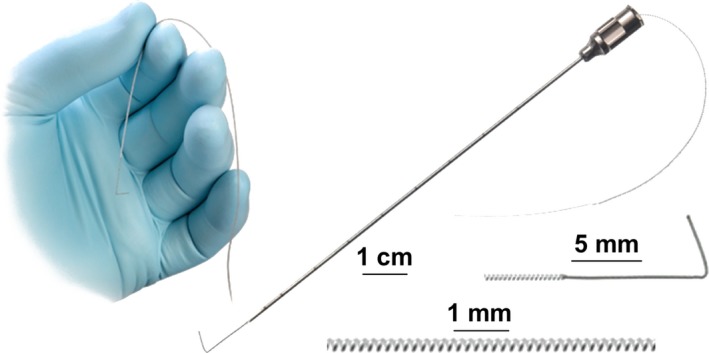
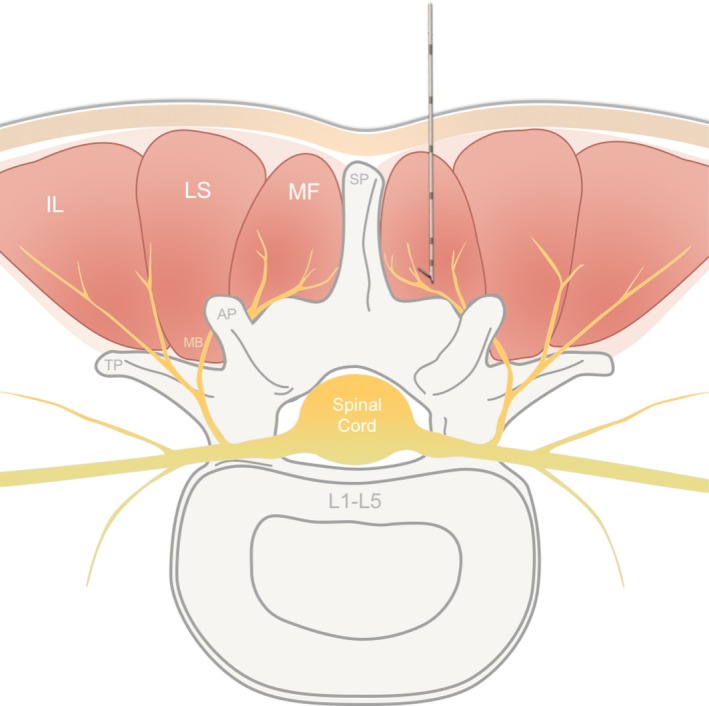
Percutaneous PNS leads (SPRINT MicroLead) were placed bilaterally to target the medial branches of the dorsal rami nerves under image guidance. The percutaneous leads were connected to miniature wearable stimulators (SPRINT PNS System) for the 1-month therapy period, after which the leads were removed. Pain and disability were assessed long-term up to 12 months after lead removal.
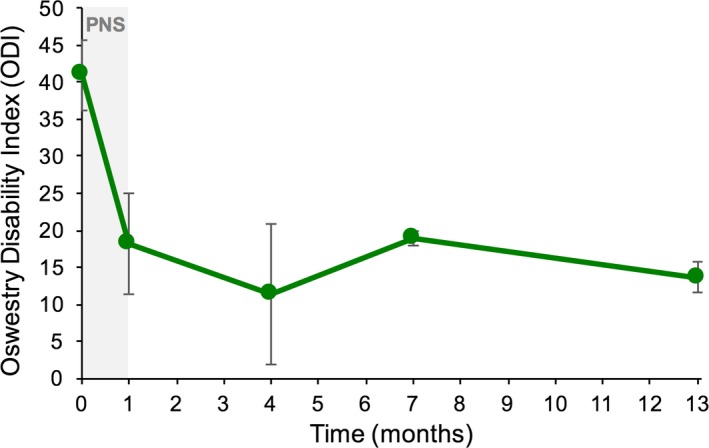
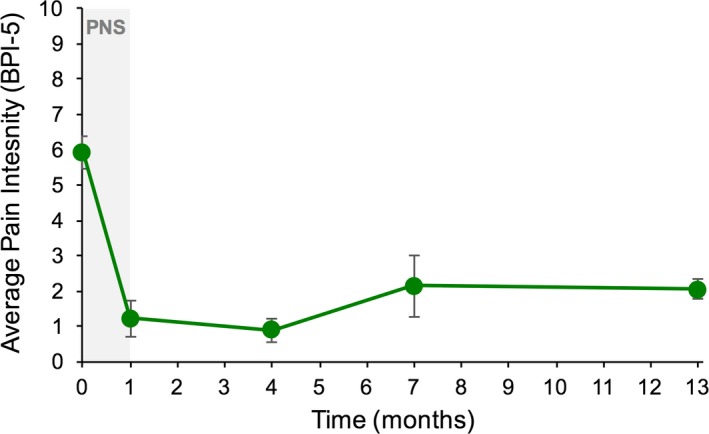
Substantial, clinically significant reductions in average pain intensity (≥50% reduction as measured by the Brief Pain Inventory Short Form) were experienced by a majority of subjects (67%) at end of treatment compared to baseline (average 80% reduction among responders; P < 0.05, analysis of variance; n = 9). Twelve months after the end of PNS treatment, a majority of subjects who completed the long-term follow-up visits experienced sustained, clinically significant reductions in pain and/or disability (67%, n = 6; average 63% reduction in pain intensity and 32-point reduction in disability among responders). No serious or unanticipated adverse events were reported.
This study challenges the long-held notion that a positive trial of PNS should be followed by a permanent implant in responders. Percutaneous PNS may serve as an effective neurostimulation therapy for patients with chronic low back pain and should be considered earlier in the treatment continuum as a motor-sparing means of avoiding opioids, denervation, and permanently implanted neurostimulation systems.
经皮外周神经刺激(PNS)为缓解慢性下腰痛和减少阿片类镇痛药的消耗提供了一种替代射频消融和永久性植入神经刺激系统的方法。传统上,由于其相关风险、侵袭性和成本,神经刺激在治疗连续体中的早期应用受到限制。
在影像引导下,双侧将经皮 PNS 导线(SPRINT MicroLead)放置到背侧支神经的内侧支。经皮导线连接到微型可穿戴刺激器(SPRINT PNS 系统),进行为期 1 个月的治疗,之后取出导线。在导线取出后长达 12 个月的时间内,对疼痛和残疾进行长期评估。
与基线相比,大多数患者(67%)在治疗结束时经历了明显的疼痛强度显著降低(根据简明疼痛量表短表测量,≥50%的降低)( responder 中平均 80%的降低; P < 0.05 ,方差分析; n = 9)。在 PNS 治疗结束后 12 个月,大多数完成长期随访的患者经历了持续的、有临床意义的疼痛和/或残疾缓解(67%,n = 6; responder 中疼痛强度平均降低 63%,残疾降低 32 分)。未报告严重或意外的不良事件。
本研究挑战了经皮外周神经刺激的阳性试验应随后在 responder 中进行永久性植入的长期观念。经皮 PNS 可能作为一种有效的慢性下腰痛神经刺激治疗方法,应在治疗连续体中更早考虑,作为避免使用阿片类药物、去神经支配和永久性植入神经刺激系统的一种保留运动的手段。